A Cosmetic Option With Important Limits
Dental veneers are thin, tooth-colored shells bonded to the front surfaces of teeth. They can make a smile look more even by concealing some gaps, discoloration, chips, and changes in tooth shape. For stains that do not respond to whitening, veneers may offer another cosmetic option, but they cover the visible surface rather than remove the underlying cause. Cleveland Clinic’s overview of dental veneers explains their uses and limits.
That distinction matters: veneers do not move teeth as orthodontic treatment does, and they do not treat cavities or gum disease. A dentist should check the teeth and gums first, since active oral-health problems may need attention before cosmetic care.
At Loud Family Dental, cosmetic decisions are considered within a clinic that provides comprehensive dental care for patients of all ages. Whether veneers make sense depends on the condition of your teeth, the appearance you hope to change, and your comfort with a lasting commitment. Many veneers require removing some enamel, which makes treatment irreversible, so an individual examination is an important first step.
What Veneers Can Change
 Dental veneers are thin, custom-made shells, usually made from porcelain or tooth-colored composite resin, that are bonded to the front surfaces of teeth. They can change the visible shape, size, or color of teeth to create a more uniform-looking smile. Cleveland Clinic’s overview of dental veneers explains how these cosmetic coverings may suit different concerns.
Veneers may camouflage small gaps, chips, cracks, uneven or worn edges, misshapen or small teeth, and discoloration that does not respond well to whitening. The result depends on the condition of the teeth and the patient’s goals, so a dental exam is needed before choosing treatment.
For patients considering cosmetic care at Loud Family Dental, an examination of the teeth and gums helps establish whether veneers or another option fits their needs. Veneers cover visible surfaces rather than moving teeth, and they do not necessarily repair or strengthen a tooth.
A more even appearance can last for years, but veneers involve trade-offs. Many porcelain veneers require removing some enamel, which is generally permanent. Veneers can also chip or wear and may eventually need repair or replacement. Cavities and gum disease should be treated before cosmetic work is considered.
When Veneers Can Mask Gaps
Yes, veneers can make some gaps look closed. A dentist can add width to the visible surfaces of the teeth with thin shells bonded to their fronts. This changes how the smile looks, but it does not move the teeth or correct their roots or bite. Dental veneers are cosmetic coverings, so suitability depends on the gap and the condition of the teeth.
Before recommending treatment, a dentist should assess the gap’s size and cause, the available tooth surface, the health of the teeth and gums, and how the teeth meet when you bite. Veneers generally require removing some enamel, which is usually irreversible. At Loud Family Dental, that assessment fits within the clinic’s comprehensive dental care for patients of all ages, with comfort and professional care as priorities.
Braces or clear aligners may be more appropriate when a gap is larger, several spaces are present, or tooth alignment and bite need attention. These treatments move teeth rather than cover the space. Dental bonding may be another option for a small gap, often with less alteration to the tooth. The right choice depends on your oral health, treatment goals, and the cause of the spacing.
A new or enlarging gap in adulthood can signal that teeth have shifted or their supporting tissues have changed. Possible causes include gum disease, a missing tooth, bite changes, tongue pressure, or tissue between the front teeth. Spacing can also change gradually with age, but a sudden change deserves an examination.
Arrange a dental evaluation if a gap appears or grows, especially if you also have swollen or bleeding gums, loose teeth, pain, or a changed bite. Identifying the cause helps determine whether cosmetic coverage, bonding, orthodontic care, or treatment for an underlying problem should come first.
Porcelain, Composite, and Permanence
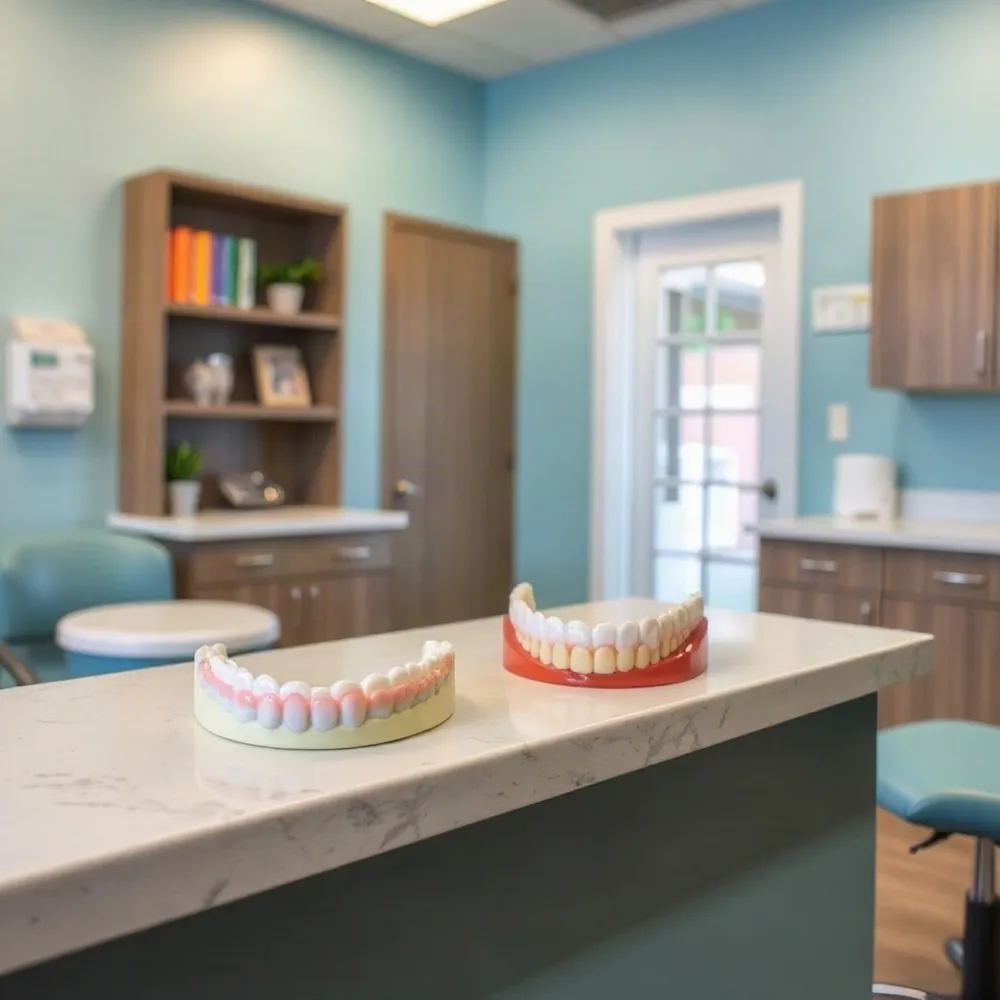 Choosing between porcelain and composite involves more than appearance. The materials differ in how they are made, how much preparation they may need, and how they hold up over time.
Porcelain veneers are custom-made ceramic shells, usually produced in a dental laboratory. Composite veneers use tooth-colored resin that the dentist applies and shapes directly on the teeth. Porcelain generally resists stains better, while composite is more likely to discolor, chip, or wear. Minor composite damage may sometimes be repaired. For a closer look at material differences, see this guide to porcelain and composite veneers.
Composite treatment can often be completed in one appointment and may involve less tooth preparation. Porcelain treatment commonly requires impressions, laboratory fabrication, and a later visit for bonding. Porcelain tends to cost more upfront, but both the choice and the cost depend on your specific situation and goals.
Stains, Coffee, and Veneer Care
Porcelain veneers resist staining better than natural enamel, but they are not completely stain-proof. Coffee, tea, red wine, and berries may affect their surface over time. Composite veneers are more prone to discoloration, while natural teeth and the bonding near veneer edges can also darken, creating a visible shade mismatch. Smoking may discolor teeth and bonding, and it can harm gum health.
Some surface discoloration may respond to professional cleaning or polishing. Darkening beneath a veneer or along its edges may have another cause and should be assessed by a dentist. Cleveland Clinic’s veneer care guidance notes that whitening products can scratch veneers, and they do not change the color of the veneer material. Whitening may instead lighten surrounding natural teeth unevenly.
At Loud Family Dental, routine dental exams and cleanings are part of comprehensive care for patients of all ages. A dentist can check for changes in veneer color and assess whether the issue is a surface stain, an edge mismatch, or a concern beneath the veneer.
For daily care, brush at least twice a day with a soft-bristled brush and nonabrasive fluoride toothpaste, floss daily, and keep regular dental appointments. Rinsing with water after coffee can help clear residue. Avoid abrasive whitening toothpastes, baking soda, and other do-it-yourself treatments, which may scratch veneers. Ask your dentist before trying to treat discoloration at home.
For more guidance on how porcelain and composite respond to staining, see our veneer care and maintenance advice.
Alternatives That Preserve More Options
 The right alternative depends on what you want to change, your oral health, and how much natural tooth structure you hope to keep. A dental exam can help compare options before choosing a cosmetic treatment. At Loud Family Dental, comprehensive dental services for patients of all ages provide a setting to discuss your concerns and treatment goals.
What are the alternatives to veneers for improving a smile?
Professional whitening can brighten natural teeth. Tooth-colored bonding may repair small chips, cover mild discoloration, or improve minor gaps. Braces or clear aligners move teeth to address crowding, crookedness, or some gaps, rather than covering the tooth surface. For uneven edges, a dentist may gently reshape enamel. A crown may be considered when damage affects more of a tooth, since it covers the whole tooth rather than just its front surface, as Cleveland Clinic explains.
Who Should Consider Veneers Carefully
Appearance alone cannot show whether a tooth is ready for a veneer. A clinical assessment of the teeth, gums, and bite helps determine whether cosmetic treatment is suitable.
Extensive cavities and active gum disease should be treated before veneers are considered. Weakened or extensively damaged teeth, large restorations, or too little healthy enamel may also make bonding unsuitable or call for other care first. The Cleveland Clinic’s veneer guidance recommends addressing significant oral-health problems before cosmetic treatment.
Significant crowding or bite problems may need orthodontic or restorative care rather than a cosmetic covering. Clenching and grinding can put extra stress on veneers, raising the risk that they chip or loosen. A dentist may discuss managing the habit or using a night guard.
Good daily oral hygiene also matters, since the natural tooth beneath a veneer can still develop decay.
Treatment Planning and Cost
Planning starts with an examination of the teeth and gums and a discussion of the changes you hope to make. If veneers appear suitable, the dentist prepares the teeth and takes impressions for custom-made veneers. At a later visit, the dentist checks their shape, color, and fit, bonds them in place, and adjusts the bite. This veneer procedure overview describes the usual sequence.
Custom fabrication can take a few weeks, and temporary veneers may be used in the meantime. Composite veneers are shaped directly on the teeth and do not require impressions. There is generally no downtime after placement; most people can return to normal activities the same day and eat or drink once any anesthesia has worn off.
How much do veneers cost, and what affects the price? Fees are commonly set per tooth and vary by practice, location, material, the number of teeth treated, case complexity, and the dentist’s experience. As general U.S. estimates, porcelain veneers may cost about $900 to $2,500 per tooth and composite veneers about $500 to $1,400. These figures are not local quotes; an examination at Loud Family Dental in Shreveport can help clarify what treatment is appropriate and what an estimate includes.
Preparation, temporary restorations, follow-up care, or treatment for decay or gum concerns can add to the total. Cosmetic veneers are often excluded from dental insurance, so check your plan and ask for an examination-based estimate that lists the services included.
A Straight Answer Starts With an Exam
Veneers can camouflage some gaps and discoloration that does not respond to whitening, but they cover the tooth rather than move it. They also do not prevent decay or other future dental problems. Cleveland Clinic’s overview of dental veneers explains their cosmetic role and why an examination matters.
At Loud Family Dental, a community-oriented Shreveport clinic serving patients of all ages, a conversation about veneers can begin with your oral health and the changes you hope to see. Ask about enamel preparation, alternatives, daily care, and likely costs before deciding. An exam helps your dentist assess whether veneers fit your teeth and goals, or whether another approach makes more sense.