
A Small Smile With Big Jobs
Baby teeth are temporary, but their work is not. They help children chew a range of foods, form clear speech sounds, and smile with confidence as they grow. Healthy primary teeth also help preserve the spaces where permanent teeth will emerge, supporting a smoother transition to an adult smile. The American Dental Association’s guidance on baby teeth explains why these first teeth matter beyond their short stay.
Because decay or early tooth loss can cause pain and allow nearby teeth to shift, caring for baby teeth helps protect a child’s comfort and developing smile. At Loud Family Dental in Shreveport, families can seek dental care for patients of all ages, including support for children’s oral health. The sections ahead look at what primary teeth do, how they change, and the simple care habits that help keep them healthy.
What Baby Teeth Do
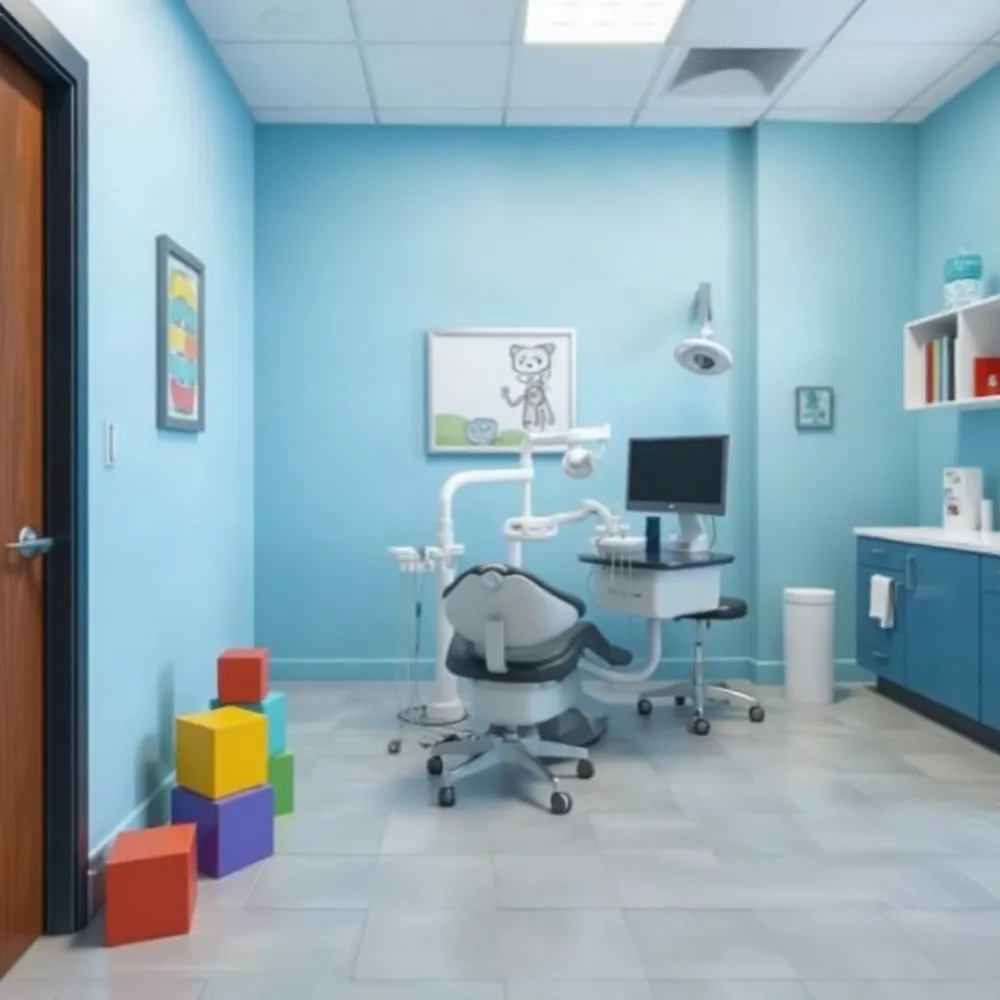 Baby teeth help children chew, speak, and smile comfortably as they grow. They also hold space in the jaws for permanent teeth developing underneath, helping guide those teeth into position. The [American Academy of Pediatric Dentistry’s guidance on baby teeth](https://dentistry.uic.edu/news-stories/what-every-parent-needs-to-know-about-baby-teeth/) explains why caring for primary teeth supports a healthy transition to adult teeth.
Chewing with healthy teeth lets children manage a wider range of foods. Teeth also help the tongue form speech sounds, while a comfortable smile can support a child’s confidence and participation with others. For a closer look at these everyday roles, read about what baby teeth do.
Baby teeth are temporary, but decay or infection can cause pain, and losing a tooth too early may let neighboring teeth shift into the gap. That can affect the space available for a permanent tooth to emerge. At Loud Family Dental, children receive comprehensive dental care in a community-focused setting, where regular checkups can help families monitor developing teeth and address concerns.
Babies do not need teeth to begin chewing. Before teeth appear, they can mash soft foods suited to their developmental stage with their gums. As you introduce solids, follow your pediatrician’s advice on safe textures, prepare food appropriately, and supervise every meal to reduce choking risk. Ask your pediatrician or dentist if you are unsure what your baby is ready to eat.
An adult can help keep baby teeth clean as they emerge and make routine dental visits part of a child’s care. Loud Family Dental provides dental services for patients of all ages, giving families a local place to discuss children’s oral health as their needs change.
How Teeth Erupt and Change
Tooth timing differs from child to child, so a general eruption chart is a guide, not a deadline. Baby teeth often begin appearing around 6 months, and most children have all 20 by about age 3. The American Dental Association’s eruption charts show the usual sequence and timing.
Around age 6, permanent teeth often begin to emerge, commonly with the first molars and front teeth. Baby teeth loosen and fall out gradually, usually through about age 12. Front teeth are often lost first, while the back baby teeth tend to come out later. The transition can include a mix of baby and permanent teeth.
Twenty permanent teeth replace the 20 primary teeth. Twelve additional permanent teeth, including the first and second molars, erupt behind them rather than replacing baby teeth. With wisdom teeth included, most people have up to 32 permanent teeth by about age 21. Not everyone develops wisdom teeth.
If a tooth loosens, let it fall out naturally rather than pulling it forcefully. A tooth that appears unusually early or late, or is accompanied by pain or swelling, is worth discussing with a dentist. At Loud Family Dental, children’s dental care includes monitoring tooth development as part of comprehensive care for patients of all ages.
Start Care Before the First Tooth
 Oral care can begin before a baby has teeth. In the first days after birth, gently wipe the gums with clean, damp gauze or a soft washcloth, including after feeds. This clears away residue and helps make mouth care a familiar part of the day. [The American Academy of Pediatrics](https://www.healthychildren.org/English/ages-stages/baby/teething-tooth-care/Pages/How-to-Prevent-Tooth-Decay-in-Your-Baby.aspx) recommends cleaning the gums before teeth emerge.
When the first tooth appears, switch to a soft, child-sized toothbrush and brush twice daily. Use a smear of fluoride toothpaste no larger than a grain of rice for children under age 3, then a pea-sized amount from age 3. The [American Dental Association’s baby-tooth guidance](https://www.mouthhealthy.org/all-topics-a-z/baby-teeth) also advises parents to brush initially and teach children to take part as they grow.
Young children need an adult to do or closely supervise brushing, since they may not yet manage the brush well or spit reliably. Encourage your child to spit out excess toothpaste, and keep brushing gentle and thorough rather than rushing through the routine. Families in Shreveport can ask Loud Family Dental for guidance suited to their child’s teeth and stage of development.
Once two teeth touch, clean between them daily with floss to remove food and plaque from places a toothbrush may miss. A dentist can show caregivers how to do this comfortably for a baby or toddler.
Arrange a first dental visit when the first tooth appears, and no later than the first birthday. Early visits allow the dentist to check how teeth are developing, discuss home care, and recommend prevention based on the child’s needs. Loud Family Dental provides care for children and adults, giving local families a place to ask questions as their child’s mouth changes.
Prevent Decay With Daily Habits
 Baby teeth have thinner enamel than permanent teeth, so decay can develop quickly. Once a tooth appears, bacteria in the mouth can use sugars from food and drinks to produce acids that damage enamel. The American Academy of Pediatrics explains how this process can start in infancy.
Brush twice a day with a soft, child-size toothbrush and fluoride toothpaste. Use a rice-sized smear for children under age 3 and a pea-sized amount from ages 3 to 6. Young children need an adult's help to reach every surface and brush thoroughly. Floss between teeth once they touch.
Make water the usual drink between meals, and limit sugary drinks, frequent sweet snacks, and sticky foods that cling to teeth. Do not put a baby to bed with a bottle containing milk, formula, juice, or another sweetened drink. Caregivers can also reduce the spread of cavity-causing bacteria by avoiding shared utensils and not cleaning a pacifier with their mouths.
Fluoride toothpaste and fluoridated tap water help teeth resist decay. At checkups, a dentist can assess whether fluoride varnish or sealants are appropriate; sealants are often considered for the grooves of molars. The CDC reports that sealants prevent about 80% of cavities in back teeth, as described in its children's oral health guidance.
Loud Family Dental provides care for patients of all ages in Shreveport, where families can discuss brushing routines and preventive options during dental visits. A dentist can tailor advice to a child's teeth and cavity risk.
Recognize and Treat Tooth Problems
Do cavities in baby teeth need treatment, and how are they treated?
Yes. A cavity in a baby tooth deserves attention even if the tooth will eventually fall out. Early decay can be difficult to see, and it may progress from changes in the enamel to a cavity, pain, or infection. A dentist can assess a suspected problem; don’t wait for the tooth to loosen or try to remove or fill decay at home. Home remedies cannot repair a cavity. For more on spotting changes, see early signs of tooth decay.
Treatment depends on the extent of decay, the tooth’s condition, and how soon it is expected to come out. Early decay may be managed with preventive care such as fluoride. A cavity may need a filling or crown; if decay reaches the pulp, the tissue inside the tooth, the dentist may recommend pulp treatment or, in some cases, extraction. Treatment options for children’s tooth decay vary with the child and the tooth. At Loud Family Dental, comprehensive care for patients of all ages is offered with a focus on comfort, so families can discuss options and ways to help a child feel at ease.
What is enamel hypoplasia, and how can it affect a child’s teeth?
Enamel hypoplasia is a developmental condition in which teeth form with too little enamel, or with enamel that is thin or missing in places. It can affect baby teeth, permanent teeth, or both. Signs may include white, yellow, or brown patches, pits or grooves, rough areas, or chipping. Because enamel protects teeth, affected areas may be more sensitive and more prone to decay, erosion, and pain. A dentist can examine the teeth and recommend preventive protection or restorations when needed. Loud Family Dental provides dental services for children and adults, including assessment of concerns that may affect a child’s comfort or oral health.
Make Dental Care a Family Routine
Children learn daily habits by watching the adults around them. Brush and floss together when practical, and make brushing inviting with a favorite song, a timer, or a simple tooth-care calendar. Loud Family Dental offers care for patients of all ages in Shreveport, so families can discuss children’s oral health as part of their regular dental care.
Keep dental visits on the family calendar, even when a child has no visible problems. A dentist can check for decay, monitor how teeth are developing, and suggest prevention suited to the child’s needs. The American Academy of Pediatrics’ guidance on baby teeth notes that some children may need checkups more often than every six months, depending on their cavity risk or existing decay.
If a child is nervous, describe the appointment in calm, familiar terms and let the dental team know what helps them feel comfortable. Consistent visits give caregivers a chance to ask about brushing, flossing, diet, or habits such as thumb-sucking, rather than waiting until discomfort appears.
A steady routine helps protect baby teeth from decay and pain while they do their work during childhood. Caring for them also supports the healthy development of the smile that follows. For practical ideas on building habits at home, see making dental care a family routine.
A Healthy Start for Every Smile
Children’s teeth do not all arrive or change on the same schedule. An eruption chart can show common patterns, but it is a guide rather than a deadline; a dentist can assess your child’s mouth and offer advice suited to their needs. The American Dental Association’s eruption charts can also help families understand the usual sequence.
Consistent care helps protect baby teeth from decay and discomfort while they support chewing, speech, and space for permanent teeth. Loud Family Dental in Shreveport provides dental care for patients of all ages, giving families a local place to discuss a child’s oral health as they grow. Make brushing and regular dental visits familiar parts of family life, and ask the dentist about any changes or concerns.