Understanding Your Tooth Restoration Options
A dental crown is a custom cap that covers a damaged or weakened tooth, restoring its shape, strength, and appearance. A dental bridge fills the gap left by one or more missing teeth, using artificial teeth anchored to the natural teeth next to the space.
Choosing between these two options depends on your specific dental situation, which is why this article will walk through the differences, benefits, and what to expect from each procedure.
Crowns vs Bridges: Key Differences Explained
A dental crown is a custom-made cap that fits over a damaged or weakened tooth. Its purpose is to restore the tooth's original shape, strength, and appearance. Crowns are commonly used after a root canal or when a tooth has a large cavity or crack that a standard filling cannot repair.
A dental bridge, on the other hand, is a fixed prosthetic that replaces one or more missing teeth. It uses artificial teeth, called pontics, which are anchored in place by crowns on the adjacent natural teeth, known as abutment teeth. The bridge "bridges" the gap where teeth are missing.
The simplest way to understand the difference is that a crown is a single-tooth solution that saves an existing tooth, while a bridge is a multi-tooth solution that replaces one or more missing teeth. A crown covers and protects a tooth that is still present, whereas a bridge fills the space left by a tooth that is gone.
Comparing Crowns, Bridges, Veneers and Implants
 When a tooth is damaged, a dental crown is the standard choice. This custom cap covers the entire visible portion of the tooth, restoring its shape, strength, and appearance. It is a non-surgical solution used after root canals, large fillings, or cracks, as long as enough healthy tooth structure remains underneath.
Dental bridges address a different problem: one or more missing teeth. A bridge uses a false tooth (pontic) anchored to crowns on the adjacent healthy teeth, which must be strong enough to bear the load. Unlike a crown, this requires preparing (shaving down) those neighboring teeth. At Loud Family Dentistry, a thorough exam helps determine if your adjacent teeth are suited for a bridge.
Dental veneers are an alternative for patients whose teeth are structurally sound but need cosmetic improvement. These thin porcelain shells cover only the front surface of the tooth, fixing chips, stains, or uneven spacing. Veneers serve a purely aesthetic role, whereas crowns, bridges, and implants provide structural restoration alongside cosmetic benefits.
Dental implants are the most permanent option. A titanium post is surgically placed into the jawbone to serve as an artificial root, supporting either a single crown or a multi-unit bridge. Implants preserve jawbone density and last longer than traditional bridges, but they require surgery and a longer healing period. Because implants do not depend on adjacent teeth for support, they are ideal when neighboring teeth are weak or absent.
Procedure and Recovery for Crowns and Bridges
For any restorative option, a clear understanding of the process and recovery helps reduce anxiety and leads to better outcomes. The procedure for either a crown or a bridge is similar and typically requires just two visits to your dentist.
What to Expect During the First Visit
The first appointment begins with a consultation and X-rays to evaluate the health of the tooth roots and surrounding bone. If a crown is needed, the dentist reshapes only the damaged tooth by gently filing away a thin layer of enamel so the restoration fits securely. For a dental bridge, the teeth on either side of the gap (abutment teeth) must also be prepared in the same way.
Once the teeth are shaped, the dentist takes precise impressions or digital scans of the mouth. These records are sent to a dental laboratory where a custom permanent crown or bridge is fabricated to match the color, shape, and bite of the natural teeth. A temporary restoration is then placed over the prepared teeth to protect them while the permanent one is being made.
The Second Visit and Cementation
During the second visit, the dentist removes the temporary restoration and fits the new permanent crown or bridge. Several adjustments may be made to ensure the bite feels natural and the fit is comfortable. Once everything is right, the restoration is permanently cemented in place.
Recovery After the Procedure
Recovery is usually straightforward. Patients may experience mild soreness from the injection site or minor gum sensitivity, but this fades within a day or two. While wearing a temporary restoration, it is best to avoid hard, sticky, or chewy foods to prevent dislodging it. Good oral hygiene is essential, especially for bridges, which require special cleaning tools.
- Use a floss threader or water flosser to clean underneath the pontic (false tooth) of a bridge, where regular floss cannot reach.
- Brush twice daily with a soft toothbrush and fluoride toothpaste.
- Keep up with regular dental check-ups so the dentist can monitor the restoration and catch any early signs of decay around the edges.
For a damaged tooth that is still present, a crown is often the first choice to save it. When a tooth is already missing, a bridge or an implant-supported restoration becomes necessary. The team at Loud Family Dental can guide patients through every step to ensure a comfortable and lasting result.
Lifespan, Cost and Insurance for Restorations
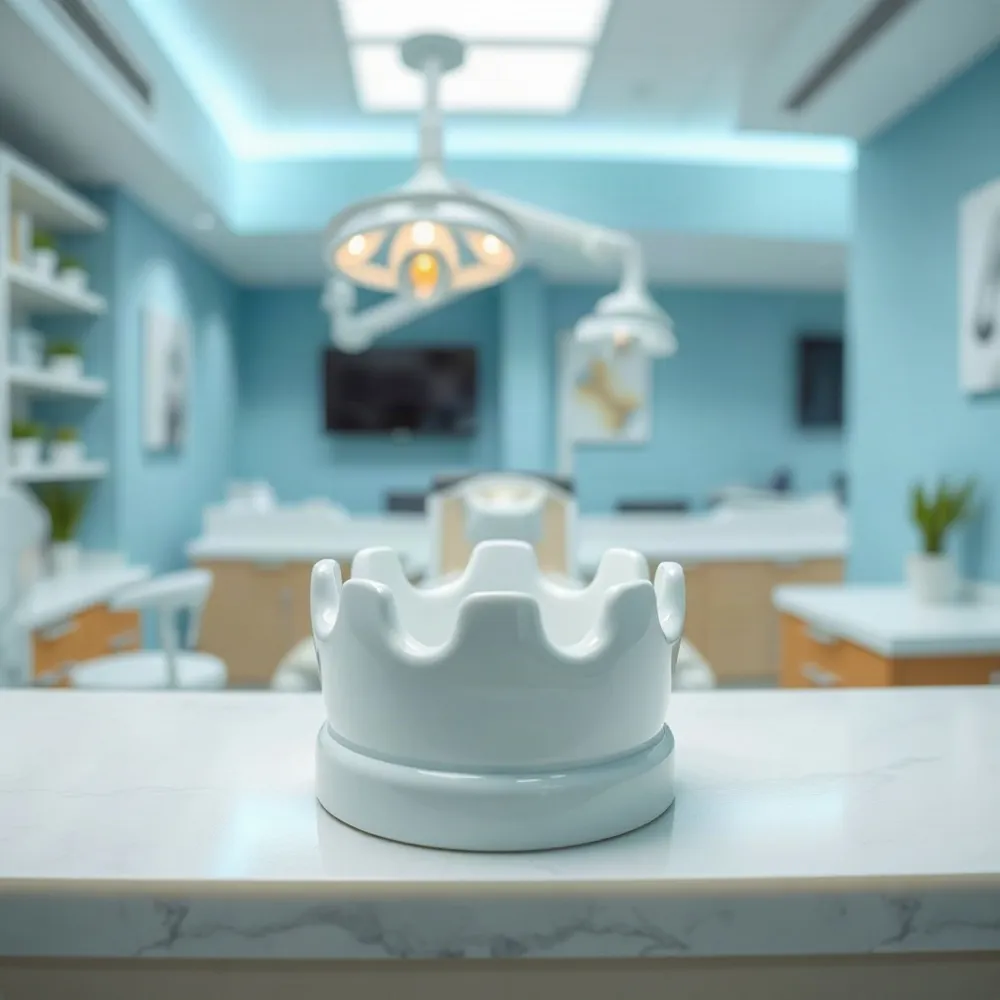 Understanding the lifespan and cost of dental restorations helps you make an informed choice. With proper care, dental crowns typically last 10 to 15 years, and metal crowns can last 20 years or more. Bridges have a similar range of 5 to 15 years, depending on oral hygiene and other factors.
Cost differences between the two options are notable. A single dental crown generally costs between $1,000 and $2,500, while a traditional three-unit bridge ranges from $2,000 to $5,000. Bridges are more expensive than single crowns because they replace missing teeth and include crowns on the supporting teeth. However, bridges are typically a more affordable upfront option compared to dental implants.
Several factors influence the final cost of your restoration. Material choice plays a role, with porcelain offering a natural look and metal or zirconia providing added durability. Lab fees, the number of units involved, the condition of supporting teeth, and the possible need for a root canal before crowning can all affect your total investment.
Insurance and Payment Options
Most dental insurance plans treat crowns and bridges as major procedures and may cover 50% or more of the cost if the restoration is deemed medically necessary. At Loud Family Dental, we accept most major insurance plans and CareCredit to help manage out-of-pocket expenses. We also accept Medicaid for adults, a service many offices limit to children, as part of our commitment to accessible care for every family member.
The best way to understand your specific costs and coverage is through a consultation. Our team can review your insurance benefits, provide a personalized estimate based on your needs, and help you schedule an appointment.
When to Choose a Crown and When a Bridge
The primary deciding factor is whether the tooth itself is still present. A dental crown is the right choice when a tooth is still in the mouth but is damaged by a large filling, a crack, or has recently undergone root canal therapy. The crown caps and protects the existing tooth structure, restoring its strength and appearance.
A dental bridge becomes necessary when one or more teeth are completely missing. The bridge fills the gap using an artificial tooth (pontic) that is anchored to crowns placed on the healthy teeth adjacent to the space. This solution prevents neighboring teeth from shifting and restores chewing function.
Factors That Influence the Decision
Several factors may push the decision toward one option over the other. The health of the teeth next to a gap is critical for a bridge. Those adjacent teeth must be strong and healthy enough to support the added load. If those teeth already require crowns, a bridge becomes a more practical choice, as both the damaged tooth and the gap can be addressed at once.
A retrospective study found that three-unit bridges had a significantly lower survival rate over 5 and 10 years compared with single-unit crowns. This suggests that a single crown may be a more predictable and durable solution in certain cases.
When a Bridge May Not Be Recommended
A dental bridge is not always the best option. It may not be suitable for patients with severe periodontitis (gum disease), a bad bite (malocclusion), or bruxism (chronic teeth grinding), as these conditions can compromise the bridge's stability and lifespan. Bridges are also generally not advised when a patient is missing three or more teeth in a row, as the chewing forces can overwhelm the supporting teeth.
Weighing the Downsides of a Bridge
While a bridge is a non-surgical solution for replacing missing teeth, it has downsides to consider. The procedure requires filing down the healthy adjacent teeth to accept crowns, which can increase those teeth's risk of decay. Bridges also require special cleaning tools, such as floss threaders, to clean underneath the pontic, and they do not stimulate the jawbone, which means they will not prevent bone loss in the area of the missing tooth.
Finding the Right Fit for Your Smile
The team at Loud Family Dental in Shreveport takes the time to understand each patient's specific situation, from the condition of their teeth and gums to their long-term oral health goals. A thorough exam and discussion with a trusted dentist are the first steps toward choosing the restoration that will serve you best.
| Factor | Crown | Bridge |
|---|---|---|
| Tooth status | Still present but damaged | One or more missing teeth |
| Support | Existing tooth root | Adjacent healthy teeth |
| Adjacent teeth | Unchanged | Must be filed down for crowns |
| Long-term durability | Higher 5-10 year survival rate | Lower 5-10 year survival rate (study) |
| Cleaning | Normal brushing and flossing | Requires floss threaders or water flosser |
| Bone stimulation | Preserves existing bone | Does not prevent bone loss |
Bridges vs Implants: Pain and Preference
 For many patients, the thought of pain is a major concern when considering tooth replacement. During any dental procedure at Loud Family Dental, local anesthesia is used to ensure you are fully numb and comfortable. Neither a dental bridge nor a dental implant should be painful during the treatment itself.
The difference lies in the recovery period. A dental implant involves a surgical procedure to place a metal post into the jawbone, which requires a healing period of several months. After the anesthesia wears off, you may experience some swelling and soreness at the surgical site. A dental bridge, by contrast, is a non-surgical restoration that can be completed in fewer visits, leading to a shorter recovery with generally less post-procedure discomfort. Any temporary soreness is usually manageable with over-the-counter pain relievers.
When a Bridge Is the Preferred Option
A dentist might recommend a bridge over an implant in several common scenarios. If the patient's jawbone has experienced significant recession, a bridge can avoid the need for a bone graft procedure. Bridges are also a good choice when the teeth adjacent to the gap already have large fillings, as those teeth will need crowns to support the bridge anyway. The lower upfront cost of a bridge compared to an implant is a practical factor for many patients who are seeking an effective, less invasive solution.
The Advantages of an Implant
A dental implant offers several long-term benefits. By placing a metal post into the jawbone, an implant helps preserve bone density and prevents the bone loss that can occur with missing teeth. It does not rely on neighboring teeth for support, keeping them intact. While the initial cost is higher and the process involves surgery, an implant is a more permanent solution that can last 20 to 30 years or longer with proper care.
Finding the Right Fit for Your Smile
The best choice between a bridge and an implant depends on your overall oral health, bone density, bite alignment, and personal preferences. A dentist will evaluate these factors during a thorough exam to recommend the option that offers the most comfortable, effective, and appropriate solution. Whether you choose a bridge or an implant, the team at Loud Family Dentistry can guide you through the decision-making process to help restore your smile with the right restoration for your needs.
| Factor | Bridge | Implant |
|---|---|---|
| Procedure | Non-surgical, fewer visits | Surgery, longer healing time |
| Adjacent Teeth | Requires reshaping healthy teeth | Does not rely on neighboring teeth |
| Bone Health | Does not stimulate jawbone | Preserves bone density |
| Lifespan | 8 to 15 years | 20 to 30 years or more |
| Upfront Cost | Lower | Higher |
| Recovery | Short, minimal soreness | Several months of healing |
Your Next Step With Loud Family Dental
The right choice between a crown, bridge, or implant depends on your unique oral health, and only a thorough examination can determine the best path forward. Loud Family Dental offers personalized evaluations to discuss your specific restoration needs and answer any questions about insurance coverage. The practice is known for its community-oriented, family-focused approach, prioritizing patient comfort and professional care at every visit.
To schedule a consultation, call (318) 631-3464 or visit the office at 2701 Frederick St, Shreveport, LA 71109. Loud Family Dental also has multiple locations, offers same-day appointments, and accepts most major insurance plans along with CareCredit for added flexibility.