
Creating Positive First Impressions
A child's early dental experiences are foundational, shaping their long-term attitude toward oral health. At Loud Family Dentistry, we focus on building trust through gentle, non-threatening care that prioritizes your child's comfort. Approximately 9% of children experience dental anxiety severe enough to interfere with necessary care, making a positive, welcoming environment essential.
You can help ease your child's nerves by scheduling initial visits in the morning when they are well-rested. By using simple, positive language and role-playing at home, you demystify the process and ensure a stress-free outcome.
Simple Home Strategies to Ease Dental Fears
 Preparing your child for a dental check-up starts long before you reach the clinic. Establishing a sense of familiarity is one of the most effective ways to lower dental anxiety. You can start by role-playing the experience at home using a soft toothbrush and a mirror. This allows your child to practice sitting still and opening wide, turning the clinical process of an exam into a playful, predictable event.
The language you use serves as a foundation for their expectations. Avoid using words like pain or shots, which may inadvertently trigger unease. Instead, frame the visit as an exciting opportunity to count teeth or have a professional ensure their smile stays strong. Reading age-appropriate books or watching educational videos featuring friendly characters in a dental office helps demystify the visit before you even arrive.
Timing and comfort also play integral roles in a successful appointment. Scheduling early morning slots ensures your child is rested, alert, and more resilient to new experiences. When heading to a comprehensive pediatric dental care provider, allow your child to bring a favorite comfort item, such as a blanket or stuffed animal, to provide a sense of security. If your child remains nervous, remember that pediatric dental professionals are adept at managing dental anxiety through gentle communication and patience.
Clinical Techniques and Rules of Thumb for Anxiety
 Pediatric dental care relies on established clinical strategies to support young patients. The Tell-Show-Do technique remains a standard approach where our team explains a procedure in simple terms, demonstrates the tools involved, and then performs the task to demystify the process.
What are the clinical rules of thumb used in dentistry for pediatric development and anxiety?
Dental professionals often use guidelines to track development and manage patient comfort. The Rule of 7 generally serves as a developmental benchmark for teething, noting when primary teeth should emerge or be fully present. To manage nerves in the chair, we often utilize the 3-3-3 grounding rule. This technique encourages a child to identify 3 things they see, 3 sounds they hear, and to move 3 parts of their body to focus and calm their nervous system during a procedure.
What strategies can parents use when a child refuses dental treatment or experiences significant anxiety?
When a child struggles with appointments, we prioritize building a sense of security. Distraction methods, such as playing music, encouraging storytelling, or watching a favorite movie, successfully redirect focus away from dental stimuli. At Loud Family Dentistry, we find that incorporating these personalized comforts helps children feel more in control.
If your child refuses treatment, please know that pediatric dental anxiety is common and our team is experienced in managing these moments with patience. We encourage you to collaborate with us to discuss behavioral management strategies or comfort measures tailored to your child. Maintaining open communication allows us to foster a supportive environment where your child feels safe, understood, and comfortable during their visit.
How a Kid-Friendly Office Reduces Fear
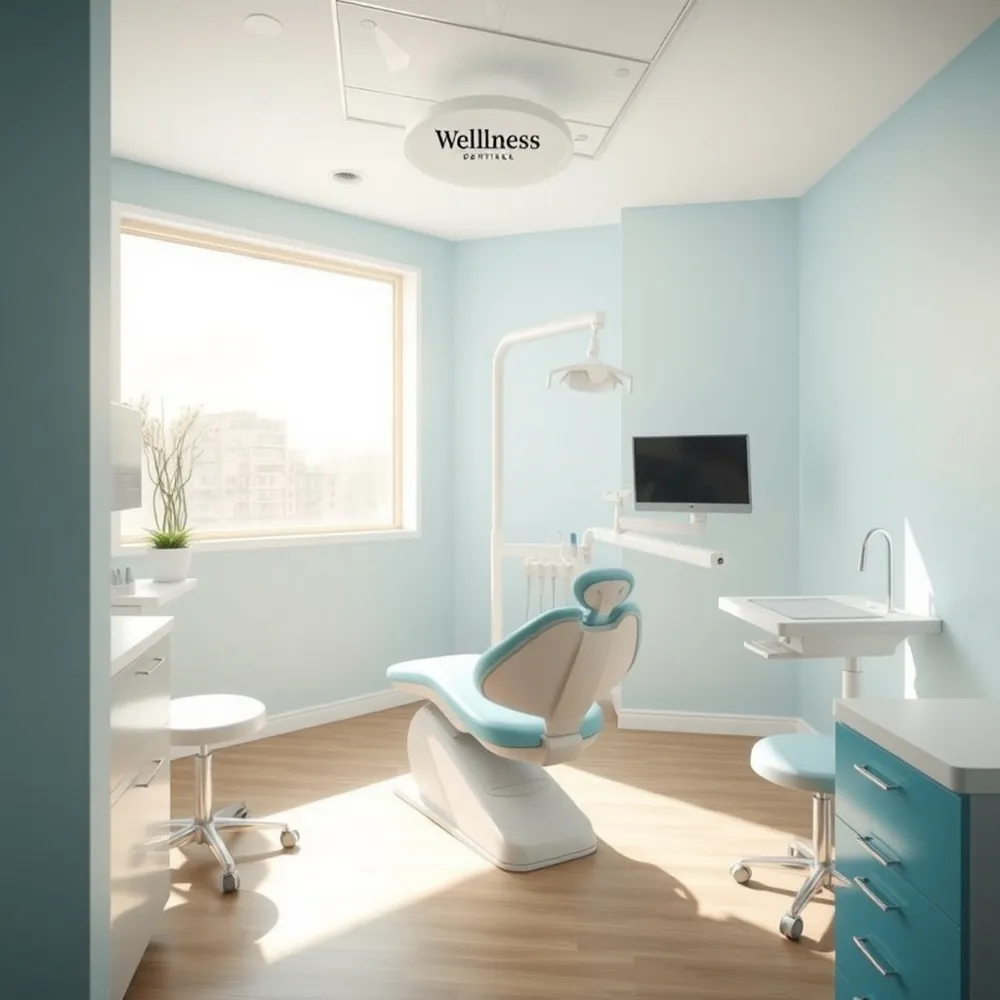
 A dental office designed for children transforms the clinical experience by replacing intimidating tools and harsh lighting with calming features. Colorful decor, whimsical themed rooms, and child-sized furniture help children feel that the space was created specifically with their comfort in mind.
Many modern clinics incorporate sensory rooms or dedicated play areas to provide a soothing transition for young patients. These areas allow children to acclimate to new sights and sounds at their own pace, effectively reducing the fear of the unknown. While some offices remain purely clinical, others use these deliberate design elements to ensure that every visit feels like a safe, positive adventure rather than a chore.
Staff attire and communication styles play a vital role in building trust. In many kid-friendly offices, team members wear colorful scrubs to appear less clinical and more approachable. By using simple, gentle language to explain tools and procedures, dental professionals demystify the process for young patients. Scheduling a pre-visit tour is one of the most effective ways to familiarize your child with the office, allowing them to meet the staff and explore the environment before any exam takes place.
Using Rewards to Encourage Cooperation
Positive reinforcement through verbal praise and small rewards creates a framework for comfort and trust in children. While some general offices may rely on a static approach, Loud Family Dentistry prioritizes highly personalized incentives because every child brings a unique personality to the exam chair. These interactions demonstrate that the dental team values the child as an individual, not just another patient in the schedule.
Prize boxes, stickers, and toys as incentives act as anchors for excitement. By celebrating dental milestones, such as the appearance of a first tooth or cleanings that result in a cavity-free report, the team helps the child mark physical and procedural progress. This behavioral strategy is supported by clinical research indicating that positive reinforcement during an exam is a fundamental tool in fostering a comfortable experience.
Maintaining a diversity of rewards to keep motivation personal and meaningful ensures that the child remains engaged throughout the process. When a child learns they can earn a specific token for cooperative behavior, the dental visit becomes an active, goal-oriented experience. This approach helps the youngest patients transform their perspective toward the clinic from one of anxiety to one of personal achievement.
How do reward systems, such as office prizes, motivate children during dental visits? Reward systems serve as a powerful form of positive reinforcement that encourages cooperative behavior, helping children feel safe and valued during their time in the chair. By offering small tokens or verbal praise, dental teams can transform a potentially daunting appointment into a successful, goal-oriented experience. These incentives help younger patients associate their visit with a sense of personal achievement rather than anxiety, which builds confidence for future appointments. Because preferences for rewards can vary significantly among children, providing a diverse selection of items ensures that the incentive remains personally meaningful and salient to the individual child. Ultimately, these intentional, supportive gestures help foster a positive, lifelong relationship with oral healthcare.
How Your Attitude Influences Your Child's Experience
Your perspective on oral health significantly shapes your child's emotional response to the dentist. Children often mirror the emotions of their caregivers, meaning that maintaining a calm, positive demeanor is a vital tool for success. When preparing for a visit, use simple, neutral language to describe the appointment. Avoid words that imply discomfort, such as pain or needle, as these can inadvertently create fear where none existed. Instead, focus on the routine nature of check-ups as an important part of personal maintenance.
At loudfamilydentistry.com, we encourage parents to share their child's specific fears or past experiences with our team before the appointment begins, which helps us tailor our approach to their unique comfort level. For many children, simply having a parent nearby during the exam provides necessary security. We welcome you to join your child in the room, offering a reassuring presence that differs from the more clinical or hands-off policies sometimes found at larger, corporate-run dental practices.
It is also important to refrain from sharing your own negative dental stories in front of young children. If your child becomes fussy, cries, or proves non-compliant in the chair, remain grounded. Pediatric teams are fully trained to expect these behaviors as part of early development, and loudfamilydentistry.com professionals often use proven management techniques to settle young patients. Staying calm shows your child that they are in a safe environment, preventing a single difficult moment from escalating into a long-term phobia.
From First Tooth to Lifelong Smiles
Establishing a dental home by age one, or within six months of the first tooth erupting, is essential for long-term health, as experts note that early visits prevent negative associations linked to pain while monitoring development. At Loud Family Dental, we focus on normalizing the clinical environment through gentle, non-threatening introductions that build trust from the very start.
Consistency serves as the cornerstone of a healthy smile, and scheduling routine check-ups every six months helps infants and toddlers become familiar with our staff and office layout. Unlike general practitioners who may prioritize high-throughput procedures, our team uses these sessions to foster a comfortable experience by explaining tools through simple analogies and using child-friendly language.
Turning dental care into an engaging activity helps children embrace their oral hygiene routines at home. We encourage parents to make brushing and flossing enjoyable by using music, letting little ones select their own colorful toothbrushes, or even picking out fun toothpaste flavors. Celebrating major milestones, such as completing a first professional cleaning or losing a first baby tooth, transforms each visit into an achievement rather than a clinical chore.
When your child feels supported during early arrivals, they are far more likely to retain these positive habits well into adulthood. By reinforcing dental health as a normal, rewarding part of life, you set the stage for a lifetime of confidence. Our experts also emphasize that regular visits allow for early detection of potential issues, ensuring that your child’s development keeps pace with their bright, healthy smile.
A Lifetime of Healthy Smiles Starts Here
Consistency and early introduction are the foundations of a healthy smile. By maintaining a calm, positive attitude and using gentle language, you transform routine checkups into empowering experiences for your child.
At Loud Family Dentistry, we prioritize this comfort through personalized, child-friendly care that builds long-term trust. Unlike offices that rely on intimidating, high-pressure environments, our team uses pediatric-specific approaches to ensure each visit feels welcoming rather than clinical.
Starting early allows your child to grow alongside a dental team that understands their unique needs. Partnering with professionals who emphasize positive reinforcement ensures your child views oral health as a normal, positive part of growing up.