Introduction to Clear Aligner Orthodontic Treatment
What Are Clear Aligners?
Clear aligners are nearly invisible, custom-made plastic trays designed to gently shift teeth into proper alignment. They serve as a discreet alternative to traditional metal braces, making them popular among adults and teens seeking effective yet subtle orthodontic treatment.
Treatment Process and Suitability
The treatment begins with a thorough orthodontic evaluation that includes digital scans or impressions to create a personalized 3D treatment plan. Patients typically wear each set of aligners for 20 to 22 hours daily, removing them only for meals, drinking anything besides water, and cleaning. Aligners are usually switched out every one to two weeks as teeth gradually move into place. While clear aligners can address common dental issues such as crowded teeth, gaps, overbites, and underbites, suitability depends on individual orthodontic needs.
Benefits Over Traditional Braces
Clear aligners offer several advantages over traditional braces. Their removable nature allows for easier eating and better oral hygiene maintenance. Being almost invisible, they provide a more aesthetic option. Additionally, the smooth plastic design generally enhances comfort, reducing irritation often caused by metal brackets and wires. Regular check-ups are fewer and can sometimes be done remotely, increasing convenience for patients.
Understanding Clear Aligners and Their Orthodontic Role
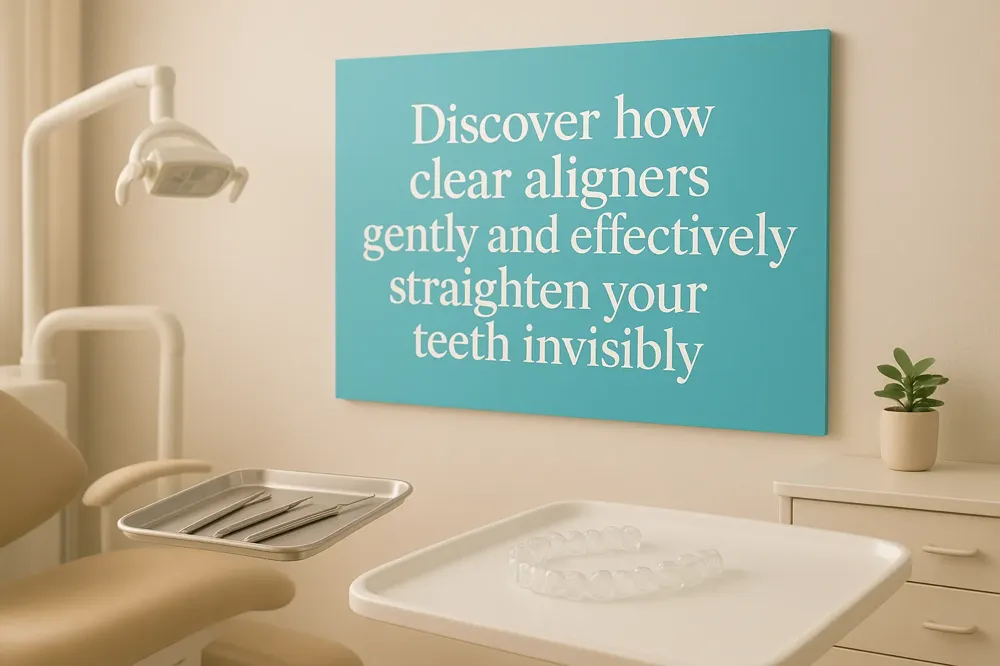
What are clear aligners?
Clear aligners are a modern orthodontic option made of smooth, nearly invisible plastic shells custom-fitted to your teeth. Wear aligners 22 hours a day, they work by applying gentle, controlled pressure that gradually moves your teeth into better alignment. Patients typically switch to a new set of aligners every 1 to 2 weeks, following a personalized treatment plan developed using 3D digital scanning with TRIOS technology.
How do clear aligners work to shift teeth?
Each aligner is designed to make slight adjustments to tooth position. By sequentially wearing these sets, teeth gently move over time without the discomfort often associated with traditional braces. The typical treatment duration can vary from several months up to two years, depending on the complexity of the case. Regular orthodontic check-ins ensure progress stays on track.
What common dental issues can clear aligners treat?
Clear aligners effectively address a variety of orthodontic concerns such as:
- Gapped teeth correction
- Crowded teeth correction
- Overbite correction and underbite correction
- Crossbite correction
- Open bite correction
- Crooked teeth correction
Because they are removable, aligners allow easier maintenance of oral hygiene compared to fixed braces, which can improve overall dental health during treatment.
Are clear aligners suitable for everyone?
Dentists and orthodontists carefully assess each patient’s dental condition through exams, X-rays, and digital impressions in dental treatment planning to determine suitability. While many people benefit from clear aligners, cases involving severe jaw misalignment or complex orthodontic issues may require traditional braces or alternative approaches. Your dental professional will recommend the best treatment option based on your specific needs, ensuring both effective results and comfort throughout the process.
Starting Treatment: What to Expect with Your First Set of Clear Aligners

Initial Adjustment Period and Sensations
When you begin wearing clear aligners daily, expect an adjustment period of about one to two weeks. During this time, mild tenderness with new aligners is common as the aligners gently apply pressure to move your teeth. You might also notice a temporary slight lisp or other minor speech changes with aligners. These symptoms arise because your mouth is adapting to the aligner trays and typically improve within the first few days. Excess saliva with aligners and pressure and tightness are normal and indicate the aligners are working effectively.
Wearing Schedule and Daily Routine
Wear aligners 22 hours a day for optimal results. They should only be removed for removing aligners for meals and planning meals with aligners. Wearing them consistently throughout the day, including during sleep, helps maintain steady pressure on your teeth for efficient movement. Developing the habit of inserting and removing aligners during your daily routine becomes easier with practice.
Managing Mild Discomfort and Speech Changes
Mild tenderness with new aligners usually feels like pressure or a dull ache, similar to regular orthodontic adjustments, and can be managed with over-the-counter pain relief if needed. Speech changes with aligners, such as a slight lisp, are temporary and typically resolve after about one to two weeks as your mouth adjusts. Staying hydrated and practicing speaking aloud can speed up adaptation.
Handling and Cleaning Aligners Properly
Handling and cleaning clear aligners is essential. Rinse them with lukewarm water and gently brush with a soft toothbrush and mild, non-abrasive soap. Avoid hot water to prevent warping. Soaking aligners in cleaning solution, such as denture cleansers or a vinegar mix, helps keep them clear and free of bacteria. Always store aligners in their case when not in use to avoid loss or damage. Maintaining excellent oral hygiene by brushing your teeth before reinserting aligners is crucial to prevent decay and staining.
| Aspect | Details | Tips for Patients |
|---|---|---|
| Adjustment Duration | 1-2 weeks | Consistent aligner wear importance |
| Common Sensations | Mild soreness, tightness, speech changes | Benefits of clear aligner treatment |
| Daily Wear Time | 20-22 hours/day | Eating guidelines with aligners |
| Cleaning Routine | Rinse, gentle brush, soak | Cleaning aligners |
Treatment Progress: Duration, Effectiveness, and Monitoring
How long does it usually take for teeth to move when using clear aligners?
Teeth typically begin to show visible movement within 10 to 12 weeks after starting clear aligner treatment process. The overall timeline depends on the complexity of each individual's orthodontic needs. Some patients may complete treatment in as little as six months for minor adjustments, while others with more complex cases might require up to two years.
Changing aligners and follow-up visits
Patients usually switch to a new set of aligners every one to two weeks. Each aligner is designed to apply gentle, constant pressure to shift teeth gradually into place. Regular follow-up visits, often every 10 to 12 weeks, allow the orthodontist to monitor progress during treatment, make any needed modifications, and provide additional aligners if refinements are necessary.
Monitoring advancements and technology used
Modern clear aligner treatments often incorporate advanced 3D imaging technology and digital scans to create precise, personalized treatment plans. Many orthodontic practices offer remote monitoring through AI-powered platforms and smartphone apps, minimizing in-office visits while ensuring consistent treatment oversight.
Importance of compliance for successful outcomes
Wearing aligners consistently for 20 to 22 hours daily is crucial to achieve the desired results. Removing aligners only for eating, drinking anything besides water, and oral hygiene helps maintain their effectiveness. Proper oral care and cleaning clear aligners properly are also essential to prevent staining and maintain oral health throughout the treatment.
Maintaining this routine, along with regular orthodontic check-ups and patience during the gradual teeth movement, supports a safe, comfortable, and effective clear aligner journey.
Comparing Clear Aligners to Traditional Braces and Other Brands
How do clear aligners compare to traditional braces?
Clear aligners offer a discreet and comfortable alternative to traditional metal braces. They are made of nearly invisible plastic shells, making them popular for those wanting a less noticeable treatment. Unlike braces, they are removable, allowing patients to eat, drink, and maintain oral hygiene more easily. Wearing aligners 22 hours a day ensures effectiveness, while braces are bonded to teeth and require more rigorous cleaning.
Clear aligners are generally best suited for mild to moderate orthodontic issues such as crowded teeth correction, gaps, and common bite problems. Traditional braces excel in addressing more complex cases, including severe crowding or difficult tooth rotations, offering greater control over tooth movement. Though braces may cause initial discomfort and need dietary restrictions, they remain a reliable choice for challenging orthodontic corrections.
Ultimately, success depends on orthodontist expertise and patient compliance, especially with aligners that demand consistent aligner wear importance. Choosing between the two should involve a consultation to balance clinical needs, lifestyle, and personal preferences.
Is it possible to start orthodontic treatment with braces and finish with Invisalign?
Yes, patients can begin treatment with traditional braces and later transition from braces to Invisalign clear aligners to complete their smile correction. This decision depends on the nature of the orthodontic concerns and progress achieved with braces. Orthodontists evaluate whether teeth movements achieved so far are compatible with aligner finishing.
Switching can provide added flexibility, combining the comprehensive correction capability of braces with the convenience and aesthetics of clear aligners. The approach may also improve comfort and enhance patient satisfaction during the final stages of treatment.
How do clear aligners compare to Invisalign?
Invisalign is a pioneering brand of clear aligners, distinguished by advanced 3D imaging technology in orthodontics and proprietary materials designed for optimal fit, comfort, and durability. While all Invisalign products are clear aligners, not all clear aligners are Invisalign. Other brands, like CandidPro, use similar removable plastic trays but may differ in technology and treatment protocols.
Traditional Invisalign treatments typically involve regular in-office visits for progress monitoring. Some other brands offer remote monitoring options, relying on AI-powered platforms for patient convenience. Additionally, aligner systems vary in the frequency they require new trays and the extent of attachments needed on teeth.
Determining which aligner brand suits a patient best involves assessment by an orthodontic professional, considering the individual's orthodontic needs, lifestyle, and treatment goals.
| Aspect | Traditional Braces | Clear Aligners | Invisalign (Brand of Clear Aligners) |
|---|---|---|---|
| Visibility | Highly visible metal brackets | Nearly invisible plastic trays | Nearly invisible with proprietary clear material |
| Comfort | Can cause soreness, mouth irritation | Generally more comfortable, removable | Designed for comfort and durability with smooth fit (Life with Invisalign) |
| Removability | Fixed, not removable until treatment ends | Removable for eating and cleaning | Same removability as other aligners, but with precise fit (Removable aligners during eating) |
| Suitable Cases | Complex, severe crowding, rotations | Mild to moderate crowding, gaps, bite issues | Suitable for similar cases as other aligners with tech benefits (Effective Conditions for Clear Aligners) |
| Treatment Monitoring | Frequent in-office visits | In-office or remote monitoring options | Primarily in-office, some practices offer remote options (Virtual check-ins with Dental Monitoring app) |
| Treatment Duration | Depends on complexity, often longer | Typically 6-24 months depending on case | Typically similar to other aligners, varies by case (Typical treatment duration |
Patient Considerations: Cost, Care, and Lifestyle Adaptations

What is the typical pricing range for clear aligner treatments?
The cost for clear aligner treatments usually falls between $3,000 and $8,000. Factors influencing price include the complexity of your dental issues, treatment length, and the provider or brand you choose. Insurance may cover part of the cost, so checking with your insurer is advisable. To get a personalized cost estimate, schedule a consultation with a dental professional.
Daily care routines and hygiene practices
Clear aligners require diligent care to keep your mouth healthy. Wear them for 20 to 22 hours daily, removing only to eat, drink (anything but water), and clean your teeth. Aligners should be rinsed with lukewarm water and gently brushed using a soft toothbrush and mild soap or approved cleaning solutions. Avoid hot water to prevent warping. Always store your aligners in their case to avoid damage or loss.
Impact on eating, drinking, and speech
You’ll remove aligners before eating and drinking anything except water to prevent staining and damage. This habit may also encourage healthier eating patterns with fewer snacks. Speech might temporarily change, including a slight lisp in the first days, but this typically resolves quickly as you adapt.
Are clear aligners worth the investment?
Clear aligners offer an effective, discreet, and comfortable way to correct mild to moderate orthodontic issues. Their removability makes oral hygiene easier compared to braces, and treatment is often faster and less invasive. However, they require commitment to wearing them consistently. If you desire a convenient and subtle solution and are willing to follow care instructions diligently, clear aligners can be a worthwhile investment.
Important considerations before starting treatment
Before beginning treatment, understand that consistent aligner wear importance and regular orthodontic check-ups are vital. Expect some initial soreness or pressure during adjustments, which lessens over time. Maintain excellent oral hygiene to prevent dental problems. Discuss your lifestyle habits with your orthodontist to ensure they won't interfere with treatment. Proper planning and attentiveness highlight the pathway to a successful smile transformation.
Final Thoughts on Starting Clear Aligner Treatment
Understanding What Lies Ahead
Starting treatment with clear aligners means committing to wearing your custom-made trays for about 20-22 hours daily. Expect mild tenderness and temporary speech changes during the first week, as your mouth adapts. Regular orthodontic check-ups and good aligner care—including gentle cleaning and proper storage—are essential.
Personalized Care Matters
Consulting with an orthodontist ensures that your treatment plan fits your unique needs. From digital scans to tailored aligners and progress monitoring, professional guidance maximizes effectiveness and comfort throughout your journey.
Embracing the Benefits
Clear aligners offer a discreet, comfortable path to a straighter smile. With dedication to consistent wear and oral hygiene, you can achieve successful results that enhance both your smile and confidence.