Why Choose Cosmetic Dentistry?
A bright, well‑shaped smile can boost confidence, improve self‑esteem, and even influence professional opportunities—people often feel more approachable and trustworthy when they’re proud of their teeth. At Loud Family Dental in Shreveport, the cosmetic menu includes fast, cost‑effective dental bonding for minor chips, gaps or discoloration, as well as longer‑lasting porcelain veneers that correct larger gaps, severe stains, or misshapen teeth. During a personalized consultation, the dentist evaluates your oral health, discusses your aesthetic goals, and reviews your budget. This one‑on‑one session lets you see before‑and‑after photos, explore shade‑matching options, and learn how each treatment aligns with your lifestyle—whether you need a quick single‑visit fix or a durable, multi‑year solution. By tailoring the plan to your unique needs, Loud Family Dental ensures you achieve a natural‑looking smile that feels both beautiful and sustainable.
Understanding Dental Bonding: Benefits, Limits, and Costs
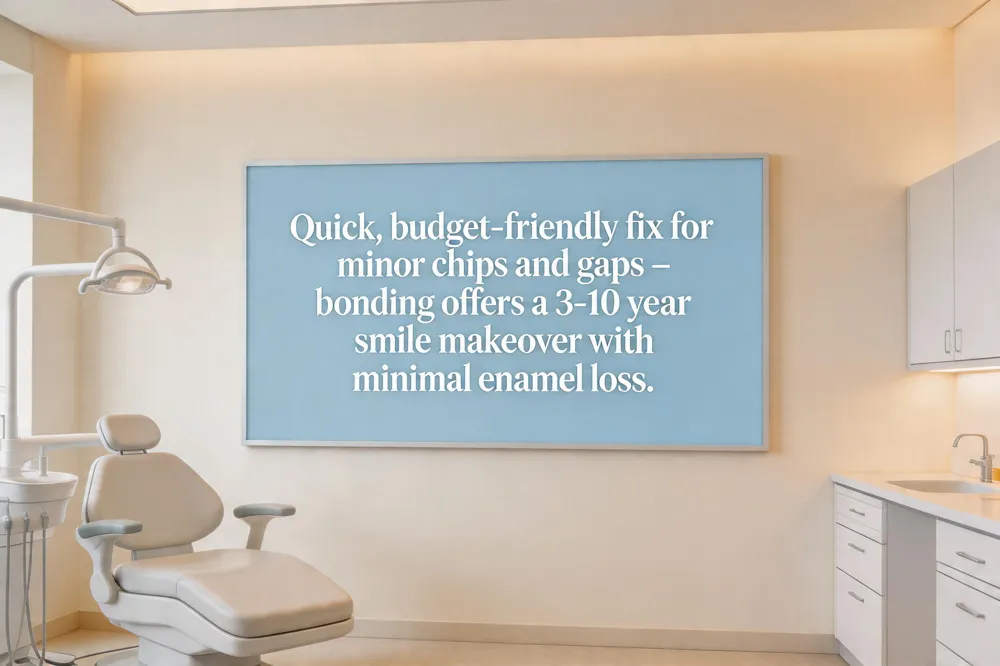 Dental bonding uses a tooth‑colored composite resin that is sculpted directly onto the tooth and hardened with a curing light. Because the procedure requires little to no enamel removal, it is minimally invasive and often completed in a single 30‑60‑minute visit. The resin can be shade‑matched to blend naturally with surrounding teeth, making it ideal for repairing minor chips, small gaps, or mild discoloration.
Typical lifespan and maintenance – With proper oral hygiene, bonding usually lasts 3‑10 years (most patients see 5‑7 years of satisfactory appearance). The material is porous, so coffee, tea, red wine, or tobacco can cause staining over time. Regular brushing, flossing, and avoiding hard foods or grinding (use a night guard if needed) help extend durability.
Cost factors and insurance – The average cost per tooth ranges from $300 to $600 ( national average $ $). Cosmetic The– billed insurance covered and medically but bonding, restoring coverage., pockets forclaimed insurance may can dentalUSD: offer options such as CareCredit.
Common concerns – Bonding does not “ruin” teeth; it adds a thin, reversible layer without significant enamel loss. Problems arise mainly from poor placement, inadequate oral care, or underlying decay. Front‑tooth bonds are quick and affordable but are less stain‑resistant and more prone to chipping than porcelain veneers. Patients should weigh the lower price and convenience against the shorter lifespan and higher staining risk when deciding between bonding and more permanent options.
Bottom line – Bonding offers a fast, budget‑friendly solution for minor cosmetic issues, but regular maintenance and realistic expectations about durability are essential for long‑term satisfaction.
Veneers Explained: When They Shine and What They Cost
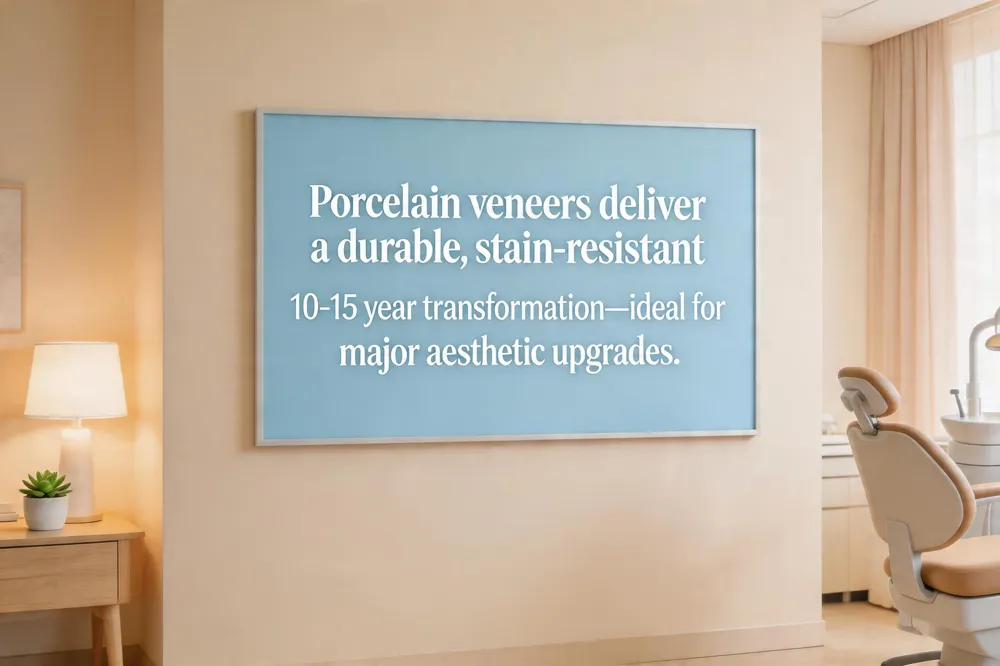 Veneers are ultra‑thin shells—most often porcelain, sometimes high‑strength composite—custom‑crafted in a dental laboratory to fit the front surface of a tooth. The process begins with a shade selection, a minimal enamel reduction (about 0.3‑0.7 mm), an impression, and then lab fabrication; the finished veneer is bonded in a second visit.
Because porcelain is non‑porous, veneers are highly stain‑resistant and can mimic the translucency of natural enamel, offering a durable, natural‑looking smile that typically lasts 10‑15 years or longer with good oral care. Composite veneers are less expensive but may stain sooner and usually last 5‑7 years.
Cost varies by material and location: porcelain veneers range from $900‑$2,500 per tooth, while composite veneers fall between $250‑$1,500.
What is the best cosmetic procedure for teeth? For comprehensive, long‑lasting results, porcelain veneers are the most versatile, correcting chips, gaps, discoloration, and shape issues in a single, realistic restoration. Minor imperfections may be addressed with composite bonding or professional whitening, which are more affordable.
Cosmetic dental surgery cost Prices depend on the procedure; whitening $300‑$700, porcelain veneers $1,200‑$2,500 per tooth, and full‑mouth reconstructions can exceed $80,000. Financing options are commonly offered.
Alternatives to veneers Less invasive options include composite bonding, Bioclear “u‑veneer” techniques, Invisalign orthodontics, and professional whitening.
Composite vs veneers Bonding is quick, inexpensive, and reversible but lasts 5‑7 years and stains more readily. Porcelain veneers require two appointments, cost more, yet provide a 10‑15‑year, stain‑resistant, natural aesthetic.
Best cosmetic dental options Begin with whitening, then consider bonding, porcelain veneers, or clear aligners based on the extent of correction needed.
Is cosmetic dentistry a specialty? No; it is not an ADA‑approved specialty, though many dentists pursue additional training and certification to master aesthetic techniques.
Comparing Veneers and Bonding: Key Differences for Your Smile
 When you weigh veneers against bonding, the first thing to consider is invasiveness and enamel removal. Bonding uses a tooth‑colored composite resin that is sculpted and cured directly on the tooth, usually with no drilling or only a light roughening of the surface. It can be completed in a single visit and preserves almost all natural enamel. Veneers, on the other hand, are thin shells—most often porcelain—that are fabricated in a laboratory. A small amount of enamel (about 0.3‑0.7 mm) is removed before the veneer is bonded, requiring at least two appointments and making the procedure irreversible.
Durability, stain resistance, and lifespan also set the two apart. Porcelain veneers are highly stain‑resistant and can last 10‑15 years (or longer) with proper care. Composite bonding typically lasts 5‑7 years and is more prone to discoloration from coffee, tea, red wine, or tobacco. Over time, bonding may chip or wear, whereas veneers are more robust against everyday forces.
Aesthetic outcomes and natural look: Veneers provide a glass‑like translucency that mimics real enamel, delivering a dramatic, uniform smile makeover. Bonding can blend well for minor chips, gaps, or subtle discoloration, but the resin may appear slightly less opaque and can become dull after several years.
Typical candidates: Choose bonding for isolated, minor imperfections—small chips, tiny gaps, or light stains—especially if you want a quick, budget‑friendly fix. Opt for veneers when you have larger aesthetic concerns such as severe staining, noticeable gaps, or misshapen teeth and you desire a longer‑lasting, high‑impact result.
Frequently asked questions
- Difference between veneers and bonding: Bonding is a single‑visit minimally invasive, lower‑cost option using composite resin; veneers are custom‑made shells requiring enamel removal and multiple visits, offering greater durability and a more natural appearance.
- Composite bonding ruined my teeth before and after: The resin itself does not ruin teeth, but improper placement, excessive biting forces, or poor maintenance can lead to chipping, staining, or a bulky feel. A skilled dentist can repair or replace the restoration and suggest protective measures like a nightguard.
- Bonding ruined my teeth: Bonding is conservative and reversible; problems usually stem from poor technique, inadequate oral hygiene, or hidden decay beneath the resin. If sensitivity, dark spots, or rough edges appear, see your dentist promptly for evaluation and possible repair.
Overall, the choice hinges on the extent of your cosmetic concerns, desired longevity, budget, and how much tooth structure you’re willing to alter.
Cosmetic Options at Loud Family Dental: From Whitening to Invisalign
 Loud Family Dental in Shreveport offers a full suite of smile‑enhancing services that address everything from mild discoloration to major aesthetic concerns. The most popular cosmetic procedures include professional in‑office teeth whitening, which quickly brightens stained teeth, and porcelain veneers that reshape and cover the front of teeth for a flawless look. Dental bonding a single‑visit, minimally invasive option using tooth‑colored composite resin, repairs chips, cracks, gaps and minor discoloration while preserving most of the natural enamel. For patients seeking discreet orthodontic correction, Invisalign clear aligners are available to straighten teeth without traditional brackets.
If you’re searching for "cosmetic dental options near me," Loud Family Dental provides all of these treatments locally, performed by a skilled team using U.S.-made materials and a patient‑first approach. Non‑cosmetic services that support oral health, such as routine cleanings, fluoride treatments, and restorative work (fillings, crowns, bridges, and implants), are also offered to maintain a healthy foundation for any smile makeover.
Cost considerations vary: whitening ranges from $250‑$450 per session, bonding $300‑$600 per tooth, and porcelain veneers $925‑$2,500 per tooth. Because most insurance plans do not cover purely aesthetic work, the clinic offers financing options including CareCredit and dental savings plans to make these treatments more affordable. Contact Loud Family Dental today to schedule a consultation and start your journey toward a brighter, more confident smile.
Making the Right Choice: Factors, Financing, and Long‑Term Care
 Choosing between cosmetic bonding and porcelain veneers begins with a thorough clinical assessment. Your dentist will examine the size of a chip, the width of a gap, the depth of discoloration, and the health of the underlying enamel. Small imperfections that can be repaired with a thin layer of composite resin are ideal for bonding, while larger aesthetic concerns—such as severe stains, wide gaps, or noticeably misshapen teeth—often warrant the durability and stain‑resistance of veneers.
Budget is a major factor. Bonding is generally the more affordable option, ranging from $100 to $600 per tooth, whereas porcelain veneers can cost $900 to $2,500 per tooth because of laboratory fabrication and enamel preparation. Most dental insurance plans treat these procedures as cosmetic, so coverage is limited; however, bonding may receive partial coverage when it restores function after decay or trauma.
Loud Family Dental offers flexible financing, including CareCredit, Health Savings Accounts (HSA), Flexible Spending Accounts (FSA), and in‑office payment plans, allowing patients to spread the cost of a smile makeover over manageable monthly installments.
To maximize the lifespan of either restoration, maintain excellent oral hygiene—brush twice daily, floss, and schedule regular check‑ups. Avoid hard foods, limit coffee, tea, red wine, and tobacco, and consider a night guard if you grind your teeth.
Do dentists recommend bonding?
Yes—most dentists recommend dental bonding when a tooth has a minor chip, crack, discoloration, or small cavity that can be repaired conservatively. Because the composite resin can be placed in a single visit, it offers a quick, non‑invasive solution that blends naturally with the surrounding tooth structure. Bonding also preserves the majority of the healthy enamel, making it a good first‑line option before considering more extensive restorations like crowns or veneers. However, dentists will note that bonding is less durable than crowns and may need replacement after several years, especially in high‑stress areas. Ultimately, a dentist will evaluate the extent of the damage, the patient’s aesthetic goals, and long‑term durability before recommending bonding as the appropriate treatment.
Your Path to a Perfect Smile
When it comes to a brighter, more confident grin, two of the most popular cosmetic options are porcelain veneers and dental bonding. Veneers are thin, custom‑crafted shells that require a small amount of enamel removal and typically need two appointments; they offer superior stain resistance, a natural translucency, and a durability of 10‑15 years or more. Bonding, by contrast, uses a tooth‑colored composite resin applied directly to the tooth in a single visit, involves little or no enamel removal, and is more budget‑friendly, but it may stain or chip after 5‑7 years. At Loud Family Dental in Shreveport, our experienced team conducts a thorough, personalized evaluation to determine which solution best matches your aesthetic goals, oral health, and budget. We invite you to schedule a consultation, discuss your smile aspirations, and explore flexible financing options that make a stunning smile achievable for everyone.