Welcome to Loud Family Dental: Your Partner in Lifelong Smiles
At the Heart of Shreveport's Smiles
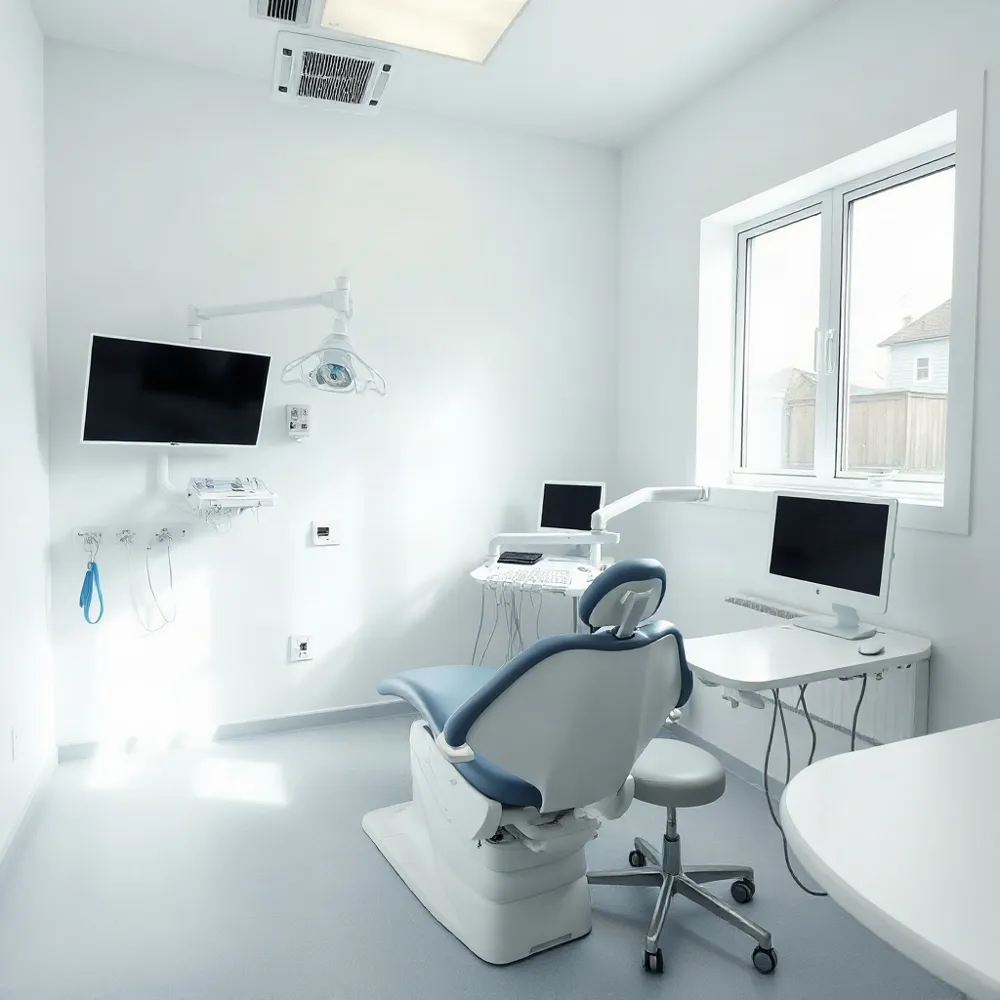
Nestled in the community of Shreveport, Louisiana, Loud Family Dental is your dedicated local practice committed to comprehensive care for patients of all ages. Our philosophy centers on building lasting relationships through patient-focused, professional, and comfortable dentistry. We understand that a dental visit, especially a first one, can be a source of anxiety, which is why our team prioritizes creating a welcoming and stress-free environment from the moment you walk through our doors.
Your First Visit, Made Simple
To ensure your initial appointment is as smooth and positive as possible, we champion a little preparation. A checklist is your best tool for an organized and calm experience. By knowing what to expect and what to bring, you can focus on building a trusting relationship with your dentist rather than worrying about the details. This proactive approach helps set the stage for effective communication and personalized care tailored to your unique oral health needs.
Key Preparation Areas for All Ages
A successful first visit involves preparation for both adults and children. While the core goals are similar—establishing a health baseline and creating a positive experience—the specifics can vary.
Preparation Checklist for Your First Visit
| For Adults & Parents | For Children (All Ages) | For the Dental Office Visit |
|---|---|---|
| Gather medical & dental history | Discuss the visit positively; use simple language | Confirm your appointment time and location |
| Make a list of questions or concerns | Schedule for a well-rested time, like morning | Complete new patient forms online in advance |
| Verify dental insurance coverage | Bring a favorite comfort item (toy, blanket) | Arrive 15 minutes early for check-in |
| Brush and floss before arriving | Prepare the dentist with your child's health history and temperament | Bring your ID, insurance card, and medication list |
| Manage personal anxiety to project calm | Assist with or supervise your child's brushing at home | Be ready to discuss your smile goals and any anxieties |
| Plan for post-visit care or scheduling | Limit sugary snacks and drinks before the appointment | Ask questions about treatment plans and next steps |
Before You Arrive: The Ultimate Preparation Checklist
How should I prepare for my first dental visit?
Preparation is the key to a smooth and stress-free first dental visit. It begins long before you step into the office. The goal is to ensure your dental team has all the information they need to provide you with safe, personalized care from the very start.
Start by gathering important information you'll need to bring, such as your insurance card, a list of medications you take, and your medical history. If you have dental anxiety, tell the office when you schedule your appointment. Many clinics are experienced in helping nervous patients feel comfortable and can make special accommodations.
Gathering Essential Documents and Information
Having the right paperwork ready makes the administrative process quick and easy. Create a folder or envelope with the following items:
- Dental Records: If you’re switching dentists or haven’t visited in a while, contact your previous dental office to have your records transferred or bring copies yourself. Gather your dental records from previous dentists.
- Medical History: A complete list of any health conditions, past surgeries, and hospitalizations. Share your medical history for dental visit and provide your health history for a dental appointment.
- Medication & Allergy List: Include all prescriptions, over-the-counter drugs, vitamins, and supplements, along with any known allergies.
- Insurance Information: Your dental insurance card and a photo ID for verification. Verify your insurance coverage before your appointment.
Streamlining Your Check-In Process
Most dental practices now offer the convenience of completing new patient forms online. You will often receive a link via email or text after booking your appointment. Filling these out at home saves time in the waiting room and allows you to provide thoughtful, accurate information without feeling rushed.
These forms typically ask for your health history, dental concerns, and insurance details. Completing them in advance gives the clinical team a head start on reviewing your information, leading to a more efficient visit. Complete new patient forms online to expedite your check-in.
Preparing Questions and Health Goals
A dental visit is a partnership, and clear communication is essential. Before your appointment, take a few minutes to jot down any questions or concerns. This simple step ensures you won’t forget to discuss important topics during your visit. Prepare a list of questions for your dentist appointment and write down your questions for the dentist.
Consider noting things like:
- Any pain, sensitivity, or changes in your mouth. Report dental symptoms early to your dentist.
- Questions about brushing techniques, flossing, or specific products.
- Your long-term oral health or cosmetic smile goals.
- Any fears or anxieties you have about dental treatments.
Confirming Appointments and Planning Logistics
Life gets busy, so it’s wise to confirm your appointment a day or two in advance. Many offices send automated reminders, but if you don’t receive one, a quick phone call can prevent any scheduling mix-ups. Confirm your dental appointment ahead of time.
Plan your travel by checking the office address and estimating drive time, especially if it’s your first time visiting. Aim to arrive 10-15 minutes early. This buffer allows for any last-minute paperwork, gives you time to relax, and helps you start your appointment on time and calm. Arrive early to complete any remaining paperwork.
| Preparation Category | Specific Items & Actions | Why It's Important |
|---|---|---|
| Documents to Bring | Insurance card, ID, medication list, medical/dental history | Enables safe, personalized treatment planning. |
| Pre-Visit Tasks | Complete online forms, confirm appointment time & location. | Reduces wait times and ensures a smooth check-in. |
| Communication Prep | List of questions, concerns, and personal oral health goals. | Empowers you to guide the conversation with your dentist. |
| Day-Of Logistics | Plan travel route, arrive 15 minutes early. | Reduces stress and prevents rushing into your appointment. |
Setting the Stage for Success: Tips for a Calm and Productive Visit

What to Avoid Before Your Dentist Appointment
To ensure a smooth and effective appointment, there are several things to avoid in the hours leading up to your visit. First, steer clear of sugary foods and sticky snacks like candy or fruit leather, as residue can remain on your teeth and interfere with the examination and cleaning process. Similarly, avoid strong-tasting items like garlic or onions that can cause temporary bad breath.
Refrain from consuming excessive caffeine or alcohol, as these can elevate your blood pressure, increase anxiety, and, in the case of alcohol, potentially thin your blood, which is important information for your dentist to know. It's also best to avoid smoking before your appointment.
For practical comfort, skip heavy makeup, especially around the mouth, and opt for loose, comfortable clothing instead of tight or restrictive attire. If you are scheduled for a procedure involving anesthesia, follow any specific fasting instructions provided by your dental office. Always disclose your complete medical history for dental visit and a list of current medications to your dental team for safe, personalized care.
Maintaining Your Oral Hygiene Routine Beforehand
A consistent oral hygiene routine for dental visit helps create the best conditions for an accurate assessment. For adults and children, this means brushing your teeth thoroughly for two minutes and flossing at least once in the hours before your appointment. This removes recent food particles and plaque, allowing the hygienist and dentist to focus on your underlying oral health rather than surface debris.
For children, parents should assist with brushing to ensure it's done effectively. If you're unsure about whether to brush immediately before your visit, a quick call to the dental office can clarify their preference. Being honest about your regular home care habits during your visit also helps the dental team provide the most relevant advice for you.
Managing Dental Anxiety for You and Your Child
Dental anxiety is common for both adults and children, but there are effective strategies to manage it. Start by discussing any fears or concerns with the dental team when you book your appointment or upon arrival; a professional dental team is trained to provide reassurance and accommodations, such as explaining each step or offering breaks during treatment.
For children, use positive, simple language when talking about the dentist—phrases like “the dentist will count your shiny teeth” work well. Avoid using words like “pain,” “shot,” or “drill.” Reading children's books or watching videos about dental visits can familiarize them with the experience in a fun way.
Bringing comfort items, such as a favorite stuffed animal, blanket, or headphones with calming music, can provide security in the new environment. For adults, practicing deep breathing or listening to music during the appointment can also be very helpful. Remember, a calm and positive demeanor from a parent is contagious and helps children feel more at ease.
Practical Scheduling for a Smooth Experience
Choosing the right time for your appointment can significantly impact your experience, especially for families. For young children, schedule visits in the morning when they are typically more alert, well-rested, and cooperative. Avoid scheduling during naptime or right after a long day.
When booking, ask for an estimate of how long the initial visit will last—often 45 minutes to an hour for adults and 30 to 45 minutes for a child's first visit. This helps with planning and reduces the stress of uncertainty. Arrive early to complete paperwork allows time to complete any remaining paperwork, acclimate to the office environment, and start the visit in a relaxed state.
If you are scheduling for multiple family members, consider scheduling multiple family members' appointments together to save time. Finally, schedule your next preventive cleaning or follow-up appointment before you leave the office to maintain your oral health routine seamlessly.
| Pre-Appointment Action | Reason for Importance | Specific Tip for Children |
|---|---|---|
| Avoid Sugary Snacks | Prevents residue that hinders exam | Offer a light meal, save treats for after visit |
| Limit Caffeine/Alcohol | Manages blood pressure and anxiety | Not applicable; focus on water and healthy snacks |
| Bring comfort items for younger children | Reduces anxiety in new setting | Favorite toy or blanket for security |
| Schedule morning appointments for young children | Capitalizes on alertness & cooperation | Ideal after breakfast, before naptime |
| Arrive early to complete paperwork | Allows time for admin and acclimation | Lets child explore waiting area calmly |
| Discuss Anxiety Openly | Enables team to tailor their approach | Use positive, simple language about the visit |
Your First Visit Unveiled: A Walkthrough of the New Patient Experience
What happens during a new patient dental appointment?
During your first appointment at Loud Family Dental, we focus on creating a comfortable and informative experience. You'll be warmly greeted by our team to help with administrative details like forms and insurance verification, which you can often complete online beforehand to save time.
We then move to the clinical area for a comprehensive assessment. A dental assistant or hygienist will review your health history and any specific concerns you have noted. To get a complete view of your oral health, we will take a set of low-radiation digital X-rays. These are a safe and essential diagnostic tool.
Following this, your dentist will perform a thorough oral examination. This exam checks your teeth, gums, bite, jaw function, and includes a screening for oral cancer, which is recommended annually for early detection. The goal is to build a complete picture of your current oral health status.
After gathering all necessary information, your dentist will sit down with you for a personalized consultation. They will clearly explain any findings, answer all your questions, and address your specific concerns or smile goals. Together, you will discuss the next steps and create a custom treatment plan tailored to your needs.
It’s important to understand that a professional cleaning may not always happen on this first visit. If it’s been a while since your last cleaning or if specific oral health conditions are present, we may schedule the cleaning for a follow-up appointment to ensure it is both safe and effective for you.
At the conclusion of your visit, our patient coordinator will help you schedule any recommended follow-up care. They will review your treatment plan, explain payment options and insurance coverage, and ensure you leave with a clear understanding of your path forward to optimal oral health.
| Appointment Phase | Key Activities | What This Means for You |
|---|---|---|
| Check-in & Welcome | Greeting, form completion, insurance verification. | A smooth start; chance to get settled and ask initial questions. |
| Clinical Assessment | Health history review, digital X-rays, oral examination. | Gathers vital data for a safe, personalized diagnosis. |
| Dentist Consultation | Discussion of findings, oral cancer screening, Q&A session. | You get clear answers and help in setting dental health goals. |
| Treatment Planning | Creating a customized care plan with priorities and options. | A collaborative roadmap for your short and long-term dental care. |
| Scheduling & Wrap-up | Booking follow-up visits, reviewing finances, providing home care tips. | Ensures continuity of care and clarity on next steps and costs. |
Little Smiles, Big Care: Preparing for Your Child's First Dental Visit
When should my child have their first dental visit?
Your child's first dental visit should be scheduled either within six months of their first tooth appearing or by their first birthday, whichever milestone happens first. This timing is strongly recommended by both the American Academy of Pediatric Dentistry and the American Dental Association.
The goal is to establish a foundation for oral health and catch any potential issues early. Your dentist will check your child's growth, provide a gentle cleaning if needed, and discuss vital topics with you like proper feeding practices, teething, and pacifier habits.
Starting this routine early helps make dental care a normal, positive part of their life.
What should I expect during my child's first dental appointment?
We design your child's first appointment to be a brief, positive introduction to dental care, typically lasting 30 to 45 minutes. Expect a gentle oral examination where the dentist checks your child's teeth, gums, jaw, and bite for healthy growth.
A cleaning might be performed to polish teeth and remove plaque. Dental X-rays are generally avoided for very young children unless they are absolutely necessary.
The team at Loud Family Dental uses simple, friendly language to explain everything, making your child feel safe. You will also receive personalized advice on effective brushing techniques and dietary tips for your child's oral health.
What is the 'Rule of 7' in dentistry?
The 'Rule of 7' is a pediatric dental guideline that focuses on two important milestones. The first is scheduling your child's initial dental visit by age one, which you are planning now.
The second milestone is around age seven. By this age, children usually have a mix of baby and permanent teeth. The first permanent molars have often erupted, and facial bones have developed enough for a dentist to assess bite alignment and jaw growth.
An orthodontic evaluation around age seven can identify issues like crowding or misalignment early. Early detection often allows for simpler, more effective interventions.
Following this rule helps set a strong, long-term foundation for a healthy smile.
How to prepare your child for a positive dental experience
You can prepare your child by explaining the visit in simple, positive terms. Try describing the dentist as someone who will 'count your teeth' and make them 'super clean.'
Reading children's books about visiting the dentist or watching fun, age-appropriate videos can help build excitement. At home, you can play 'pretend dentist' with a toothbrush and mirror.
Schedule the appointment for a time when your child is usually well-rested and alert, like the morning. Bring a favorite comfort item, such as a stuffed animal or blanket, to help them feel secure in the new environment.
Your role as a parent during the visit
Your calm and supportive presence is crucial. Children can easily sense and mirror a parent's anxiety.
At check-in, you will be asked to provide your child's complete medical and dental history. Inform the dentist about your child's typical temperament, such as any tendencies toward anxiety or stubbornness.
During the exam, you might be seated in the dental chair with your child on your lap if they are nervous. The team will work with you to ensure your child feels comfortable.
Establishing healthy habits after the visit
After the appointment, your dentist will guide you on establishing good oral care at home. For babies, you should clean their gums with a damp cloth before teeth appear. Brush with a soft-bristled brush and a rice-sized amount of fluoride toothpaste when the first tooth erupts.
Parents should help or closely supervise brushing until a child is at least 7 or 8 years old. Offer plenty of water and whole fruits over juice, and avoid putting your child to bed with a bottle containing milk or juice.
Schedule regular check-ups every six months to monitor development and maintain oral health.
Topics Covered At-A-Glance
| Topic Area | Key Details | Why It Matters |
|---|---|---|
| First Visit Timing | By first birthday or within 6 months of first tooth. | Establishes early oral health and prevents decay. |
| Child Preparation | Use positive language, books, videos, and pretend play. | Reduces fear and builds a positive association. |
| Appointment Details | 30-45 minute gentle exam and possible cleaning. | Brief, comfortable introduction to dental care. |
| Parent's Role | Provide calm support and share health history. | Your demeanor influences your child's comfort. |
| Home Care & Diet | Supervise brushing, limit sugary drinks and snacks. | Daily habits are essential for preventing cavities. |
| Follow-up Schedule | Routine check-ups every six months are standard. | Maintains oral health and monitors development. |
Building Your Dental Home: After the Visit and Long-Term Success
The Check-Out Process: Finalizing Plans and Costs
The final step of your dental visit sets the stage for continued care. After your comprehensive exam, the dentist will provide a clear personalized dental treatment plan based on their findings. You'll then meet with a patient coordinator to review this plan, which will include a breakdown of all recommended services, associated costs, and how your dental insurance coverage applies.
This is your opportunity to ask any remaining questions about procedures, timelines, and payment expectations. The coordinator can also help you schedule follow-up dental appointments for recommended treatments or future cleanings. Many dental offices offer various payment plans and can assist with applications for financing options like CareCredit or dental savings plans to make care accessible.
Establishing Your Dental Routine: The Power of Proactive Scheduling
Consistency is the cornerstone of good oral health. Dentists universally recommend regular dental check-ups for children and typically every six months for all ages. For children or patients with specific conditions like gum disease, your dentist might suggest more frequent visits every 3 months, to monitor development or maintain stability.
To make this routine effortless, a great habit is to schedule your next hygiene appointment in advance. Many clinics also offer appointment reminders via text and email to help you stay on track. These regular visits allow your dental team to catch small issues early, preventing more complex and costly treatments later.
Effective At-Home Care: Daily Habits for a Healthy Smile
Professional cleanings are vital, but the daily work happens at home. A powerful and simple framework to follow is the 3-3-3 rule for oral hygiene. This rule helps build a proactive routine, particularly beneficial for those prone to cavities or gum issues.
- Brush 3 times a day: Aim to brush after meals to remove food particles and plaque.
- Brush for 3 minutes each time: Spend a full minute on each section of your mouth to ensure a thorough clean.
- Replace your toothbrush every 3 months: Worn-out bristles are less effective and can irritate your gums.
For children, supervision is key. Parents should supervise children's brushing until a child is about 7 or 8 years old. Use a soft-bristled brush and a rice-sized amount of toothpaste for toddlers under 3, graduating to a pea-sized toothpaste amount after 3 years once the child can reliably spit. Demonstrating good technique by brushing together makes it a positive family activity.
How to Choose Your Family Dentist: Key Evaluation Points
Selecting a dental home for your family is a crucial decision that impacts long-term oral health. Here are the main factors to consider when evaluating a practice:
| Qualification to Check | Why It Matters | Practical Tip |
|---|---|---|
| Qualifications & Licensing | Ensures proper training and expertise. | Verify the dentist holds a current state license, often displayed in the office. |
| Range of Services Offered | Convenient, comprehensive care under one roof. | Look for practices offering preventive, restorative, and cosmetic services for all ages. |
| Office Environment & Amenities | Reduces stress with family-friendly features. | Seek a welcoming space with amenities like private rooms or play areas. |
| Commitment to Patient Education | Empowers you to take charge of your oral health. | Choose a team that explains findings clearly and provides personalized home care tips. |
| Reputation & Communication | Builds trust and ensures you feel heard. | Read patient reviews and assess if the staff communicates openly and answers questions patiently. |
A great family dental practice focuses on building a long-term relationship based on trust, comfort, and clear communication, making every visit a positive step toward lifelong oral health.
Your Journey to Confident Smiles Starts Here
Our Commitment to Your Family's Comfort
At Loud Family Dental, we believe a visit to the dentist should be a positive, stress-free experience for everyone in your household. Our focus is on delivering professional, gentle care in a welcoming environment, whether it's your child's very first check-up or your own routine cleaning. We understand that dental visits can sometimes feel daunting, which is why our team is dedicated to making you feel heard, respected, and completely at ease from the moment you walk through our doors.
Take the First Step with Confidence
You've already taken an important step by exploring how to prepare for your visit. We encourage you to use this complete checklist as your guide. Gathering your health history, writing down questions, and practicing good oral hygiene are simple actions that empower you to be an active partner in your care. By being prepared, you help us provide the most personalized and effective treatment from the very start, setting you on the path to optimal oral health.
Building a Foundation for Lifelong Health
The initial appointment is more than just an exam; it's the beginning of a lasting relationship. A positive first visit builds trust and creates a foundation for a lifetime of healthy smiles. Our goal is to ensure you leave feeling informed, cared for, and confident in your dental care plan. We are here to be your supportive partner in health, celebrating each step of your journey toward a brighter, healthier smile.
| Our Commitment | Your Role in Preparation | The Lasting Benefit |
|---|---|---|
| Providing gentle, professional care for all ages. | Using the checklist to organize your visit details. | Establishing a trusting, long-term dental relationship. |
| Creating a welcoming, comfortable clinic environment. | Bringing necessary records and a list of questions. | Building a positive foundation for ongoing oral health. |
| Offering personalized treatment plans and clear communication. | Maintaining good oral hygiene before your appointment. | Achieving and maintaining optimal dental wellness together. |