A thorough cosmetic dentistry consultation begins with a comprehensive oral exam and a discussion of your smile goals. To feel confident about the treatment plan, ask about the dentist’s specific training and experience with the procedures you’re considering, and request before‑and‑after photos of similar cases. Inquire which the materials (porcelain, composite, zirconia) will be used, their durability, and how they affect cost. Clarify the step‑by‑step process, number of visits, expected downtime, and any anesthesia or sedation options. Discuss potential risks, such as sensitivity or gum irritation, and how they are managed. Finally, request a written estimate, details on insurance coverage or financing, and a post‑treatment maintenance plan to preserve your new smile.
What to Expect During Your First Cosmetic Dentistry Consultation
 Your first cosmetic dentistry consultation is a friendly, informative visit that sets the stage for a smile transformation. It begins with a comprehensive oral examination, where the dentist checks your teeth, gums, and bite for any untreated decay, gum disease, or structural issues. This health check ensures that any cosmetic work will be built on a solid foundation.
Next, you’ll have a discussion of aesthetic goals and functional concerns. Bring photos of smiles you love and be ready to talk about what bothers you—stained, chipped, or spaced teeth, for example. The dentist will also ask about bite problems, sensitivity, or other functional issues that may need attention alongside the cosmetic work.
Modern practices use diagnostic imaging and digital smile design to capture precise X‑rays, intra‑oral scans, and 3‑D images of your mouth. These tools allow the dentist to create a virtual mock‑up of your future smile, helping you visualize the outcome before any irreversible steps.
Finally, the dentist will give you an overview of potential treatment options—whitening, bonding, porcelain veneers, crowns, implants, or orthodontic aligners—explaining how each addresses your goals, the number of visits required, expected recovery time, and approximate costs. This comprehensive plan equips you with the knowledge to make an informed, confident decision about your smile makeover.
Key Questions About Treatment Options and Materials
 When you sit down with a cosmetic dentist, the first thing to clarify is what material will be used and why it’s the best fit for your smile goals.
Porcelain veneers vs. composite bonding – Porcelain veneers are thin, lab‑fabricated shells that cover the front of a tooth. They mimic the translucency of natural enamel, are highly stain‑resistant, and can last 10‑15 years (or even longer) with proper care. Composite bonding, on the other hand, is a direct, tooth‑colored resin applied and shaped in the office. It’s less invasive and more affordable, but it typically lasts 3‑10 years and may be more prone to staining and chipping.
In‑office vs. take‑home whitening – In‑office bleaching uses a stronger peroxide gel activated by light, often delivering up to eight shade improvements in a single visit with minimal sensitivity. Take‑home kits contain a lower‑strength gel that you wear in custom trays for several weeks; results are steadier but take longer and may require more diligent oral‑hygiene habits.
Dental implants and crowns – Implants replace missing teeth with a titanium post that fuses to bone, supporting a porcelain crown that looks and functions like a natural tooth. Crowns can also cover severely damaged teeth, restoring shape and strength. Both options are durable, with implants lasting 20‑30+ years and crowns lasting 10‑20 years when made from high‑quality porcelain or zirconia.
Durability, staining resistance, and longevity – Porcelain and zirconia are the most stain‑resistant and durable, while composite resins are more economical but require more frequent touch‑ups. Understanding these differences helps you set realistic expectations and choose a treatment plan that fits your budget, lifestyle, and aesthetic wishes.
Understanding Costs, Financing, and Insurance
 A transparent, written cost estimate is the first step toward a confident smile makeover. During the consultation the dentist should break down every fee – from the diagnostic exam, X‑rays, and any preparatory work (such as treating cavities or gum disease) to the chosen cosmetic procedures like professional whitening, porcelain veneers, bonding, crowns, or implants. This written estimate helps you compare options and avoid surprise charges.
Because most cosmetic treatments are elective, dental insurance rarely covers the full cost. Insurance may pay for the restorative portion of a veneer or crown if the underlying tooth is damaged, but purely aesthetic procedures (whitening, bonding, most veneers) are usually out‑of‑pocket. Ask the office to identify any components that might be considered medically necessary, as these could be submitted to your insurer.
To make treatment affordable, many Shreveport practices offer third‑party financing such as CareCredit, LendingClub, or in‑house payment plans that spread the expense over months or years without affecting your credit score. Some clinics also provide low‑interest or interest‑free promotional periods.
Finally, budgeting doesn’t end after the restoration is placed. Longevity varies – whitening often needs annual touch‑ups, veneers last 10‑15 years, and implants can last a lifetime with proper care. Include the cost of regular cleanings, special toothpaste, and any future adjustments in your long‑term financial plan to keep your smile looking its best.
Addressing Common Oral Health Concerns in Cosmetic Dentistry
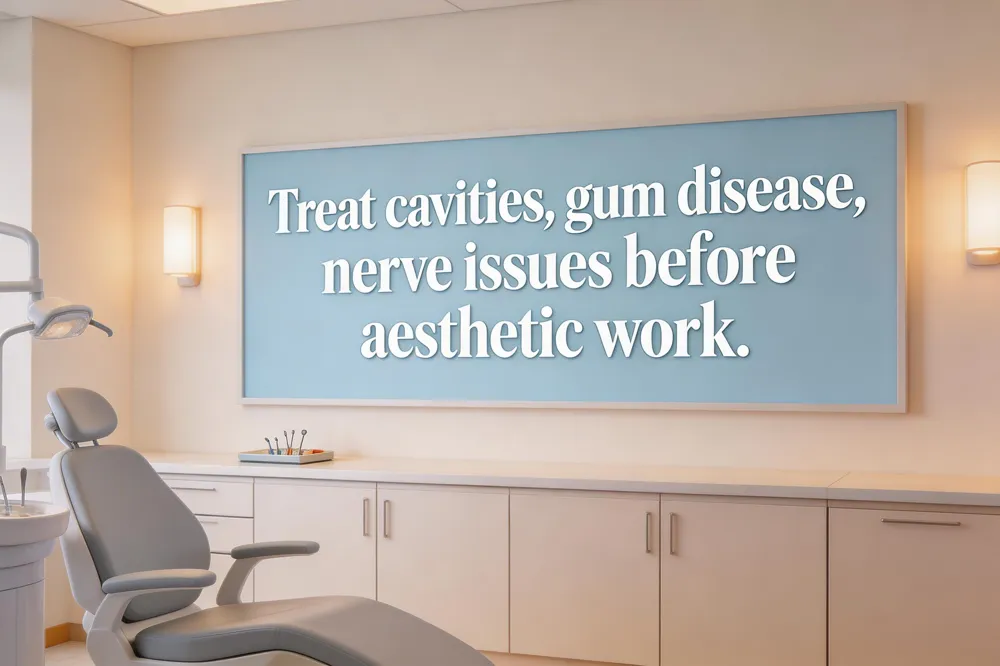 Before any smile makeover, a solid foundation of oral health is essential. A comprehensive oral exam will reveal cavities, gum disease, or nerve issues that must be treated first.
Do cosmetic dentists treat cavities? Yes. Cosmetic dentists hold the same accredited education as general dentists, so they can diagnose and fill decay. They often use tooth‑colored composite resin that matches surrounding teeth, ensuring the restoration blends seamlessly with the aesthetic goals of the makeover.
Can a dentist fix nerve damage? Depending on severity, a dentist may perform pulp‑capping for mild exposure, root‑canal therapy for infected or dying pulp, or, in extreme cases, extract the tooth and replace it with an implant or bridge.
Managing gum disease before aesthetic work involves scaling, root planing, and a personalized hygiene plan to resolve inflammation and prevent future complications.
Ensuring overall oral health prior to restorative procedures means addressing any untreated decay, treating periodontal disease, and confirming adequate bone support. Only when the mouth is healthy can the dentist confidently place veneers, crowns, implants, or other cosmetic restorations, leading to lasting, beautiful results.
Personal Oral‑Care Habits: The 3‑3‑3 Rule and Beyond
 A solid oral‑care routine is the foundation of any successful smile makeover. The 3‑3‑3 rule—brush three times a day, for three minutes each time, and wait at least three hours after eating before bedtime—helps patients remember to remove plaque thoroughly and give saliva a chance to neutralize acids. While many find this guideline useful, the evidence‑based recommendation from dental associations remains brushing twice daily for two minutes with fluoride toothpaste.
For cosmetic‑procedure patients, a customized routine is essential. After professional whitening, use a soft‑bristled brush, fluoride toothpaste, and avoid staining foods (coffee, tea, red wine) for the first 24‑48 hours. Veneers and bonding require careful cleaning around the margins; a non‑abrasive toothpaste and gentle flossing protect the bond. Implants demand the same diligence as natural teeth—brush twice daily, floss, and a nightly antimicrobial rinse to prevent peri‑implant inflammation.
Loud Family Dental can create a personalized plan that fits your lifestyle, ensuring long‑term health and the lasting beauty of your new smile.
Before any smile makeover, a comprehensive oral exam will assess your teeth, gums, and overall health. Ask the dentist which procedures—whitening, veneers, bonding, implants, or orthodontics—best match your aesthetic goals and why they are recommended. Inquire about the materials (porcelain vs. composite), expected timeline, number of visits, and any sedation or anesthesia options. Request before‑and‑after photos of similar cases and details on the dentist’s training and experience. Discuss potential risks, sensitivity, and how complications are handled. Clarify the written cost estimate, insurance coverage, financing plans, and a maintenance schedule to preserve lasting results.