Welcome to the Future of Oral Healthcare
Modern dentistry has entered a new era where precision and patient comfort take center stage. At Loud Family Dentistry, we prioritize these values by integrating advanced technology that transforms standard oral care into a more relaxed experience for our Shreveport community. While traditional instruments like scalpels and drills remain foundational to clinical practice, we now supplement these methods with laser dentistry to improve outcomes for our patients.
This technology uses focused light energy to treat both hard and soft tissues with remarkable accuracy. Unlike conventional tools that often rely on mechanical vibration or invasive pressure, laser energy interacts with tissue in a way that minimizes physical trauma. Since the technology first received FDA approval in the 1990s, providers have found it exceptionally effective for addressing gum disease, preparing teeth for restorative work, and even performing cosmetic procedures like teeth whitening.
By incorporating this light-based approach, our team can often preserve more healthy tooth structure and reduce the need for anesthesia. This commitment to gentle care helps lower anxiety while encouraging faster healing, meaning you can return to your daily routines sooner. We are proud to bring these high-tech solutions to Shreveport, ensuring every visit is as effective and comfortable as possible.
Understanding Laser Dentistry and Clinical Applications
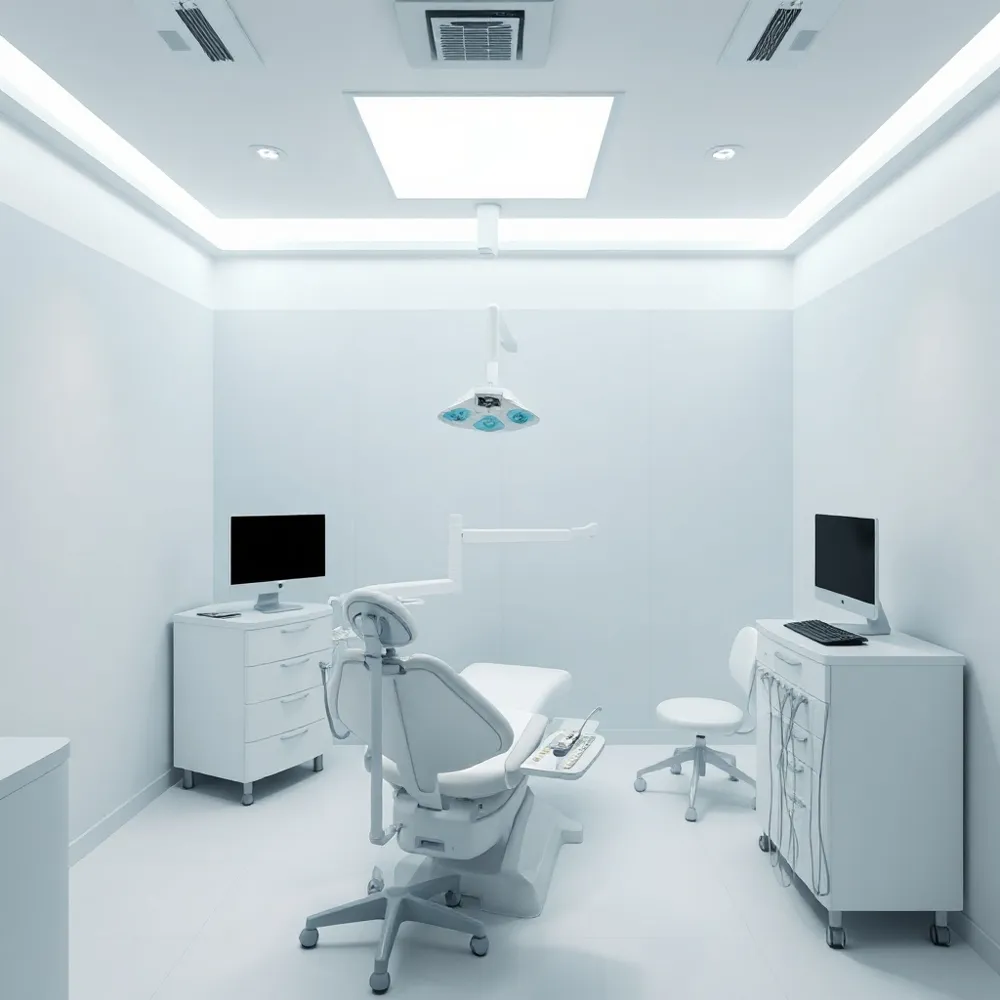 Laser dentistry represents a significant evolution in oral healthcare, utilizing highly specific light energy to perform dental cleanings, restorative work, and surgical procedures with increased accuracy. Unlike traditional tools that rely on mechanical vibration or cutting, dental lasers target tissues using concentrated light beams. Since the FDA first approved this technology in the 1990s, it has become a standard approach for enhancing patient comfort and treatment precision.
At loudfamilydentistry.com, we incorporate advanced tools like lasers to provide a quieter, less invasive environment compared to conventional techniques. By adjusting the specific wavelength of the light, our team can treat a wide variety of oral health issues. This capability allows us to focus energy on specific treatment sites while sparing surrounding healthy tissue from unnecessary damage.
Differentiating Hard and Soft Tissue Applications
Dental lasers are broadly categorized by the type of tissue they affect. Hard tissue lasers are designed to interact with the mineralized structure of teeth and bone. These are frequently used to remove decay, shape tooth structures for fillings, and desensitize teeth by sealing dentin tubules. Conversely, soft tissue lasers are absorbed by water and hemoglobin found in gum tissue. These lasers are essential for procedures like gum reshaping, frenectomy, and the management of periodontal disease, where the laser assists in disinfecting pockets and promoting healing by sealing nerve endings.
| Laser Category | Primary Use | Clinical Advantage |
|---|---|---|
| Hard Tissue | Teeth and Bone | Precision decay removal |
| Soft Tissue | Gums | Seals blood vessels |
Comparing Laser Technology to Traditional Dental Instruments
 Laser dentistry and traditional mechanical methods are both effective tools in modern oral healthcare, though they serve distinct roles for your specific needs. While traditional drills and scalpels remain the standard for complex structural tasks, laser dentistry provides a refined, comfortable experience by using concentrated light energy for pinpoint precision.
Is laser dentistry better than traditional drilling methods?
The choice between these technologies often comes down to your personal comfort and the nature of the procedure. For patients seeking a more relaxed environment, the absence of the noise and vibrations associated with traditional mechanical instruments can significantly reduce dental anxiety. At Loud Family Dental, our team uses this technology to offer a gentler approach to care, pairing the high-precision capabilities of lasers with our commitment to patient-centered, personalized treatment plans.
Complementary vs. replacement tools
It is important to understand that lasers serve as a powerful clinical addition rather than a universal replacement for standard tools. While we utilize lasers for routine procedures and early decay detection, traditional metal instruments are still necessary for certain restorative tasks, such as removing existing crowns or deep fill work. Because lasers seal blood vessels and nerve endings during operation, they offer unique advantages in managing soft tissue healing that conventional blades cannot replicate. This dual-tool approach allows us to maintain the highest standards of safety while enhancing the overall patient experience.
| Feature | Traditional Dentistry | Laser Dentistry |
|---|---|---|
| Tooling | Manual drills/blades | Focused light beams |
| Comfort | High noise/vibration | Quiet and minimal vibration |
| Recovery | Standard healing | Accelerated by clotting |
Evaluating Benefits and Realistic Limitations
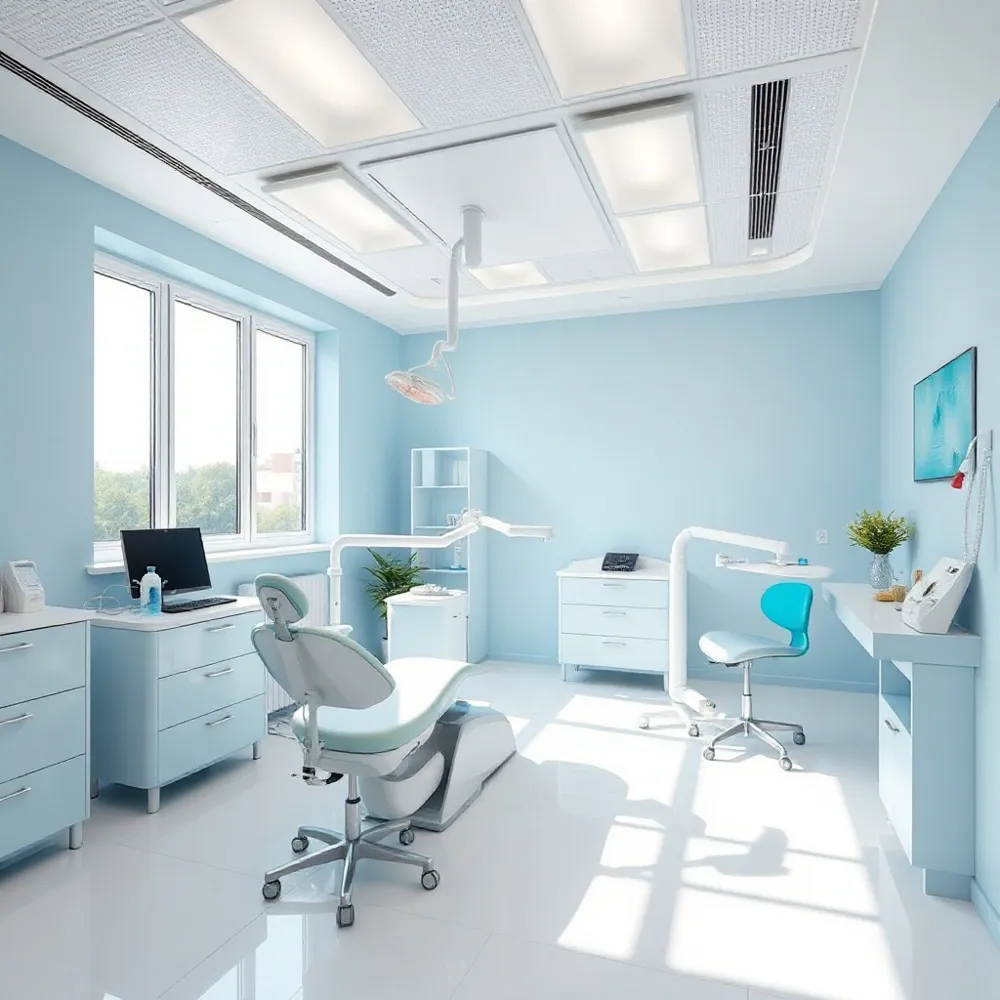 The adoption of laser dentistry introduces distinct advantages for oral healthcare, largely defined by the high precision of concentrated light energy. By targeting only the specific area requiring treatment, practitioners can preserve more natural tissue than traditional methods often allow. Patients frequently report reduced discomfort, as the process minimizes or eliminates the vibrations and noise associated with standard dental drills.
Enhanced Comfort. Because laser procedures frequently cauterize blood vessels and seal nerve endings during treatment, there is often less bleeding and postoperative swelling. This leads to faster recovery times and a decreased reliance on local anesthesia for many patients.
Sterilization. The energy emitted by dental lasers serves a dual purpose by disinfecting the site as it works. This inherent sterilization process helps significantly lower the risk of bacterial infection after procedures such as gum disease therapy or root canal cleaning.
Despite these clinical benefits, laser technology is not a universal replacement for all conventional tools. Certain conditions, such as deeper decay between teeth or the presence of existing dental fillings, often preclude the use of lasers. Additionally, this technology cannot be used to remove damaged crowns or bridges, where mechanical instruments remain the standard. At Loud Family Dentistry, we prioritize patient safety and effective care by determining when laser treatment is the most appropriate option versus when standard restorative procedures are required.
Safety protocols are an essential aspect of these modern treatments. Because lasers rely on high-energy light, all staff and patients in the room must wear specialized protective eyewear to prevent accidental injury. Since this equipment requires significant professional training to operate safely and precisely, we focus on maintaining the highest standards during every procedure to protect surrounding healthy tissue and ensure optimal long-term oral health outcomes.
Prioritizing Comfort Through Advanced Healing
For many patients at loudfamilydentistry.com, the prospect of dental work often triggers anxiety due to the common associations with drills and needles. Laser dentistry changes this dynamic by offering a significantly more gentle, minimally invasive experience than traditional methods. Because these tools rely on focused light energy rather than mechanical vibrations, they often eliminate the need for local anesthesia, which is particularly helpful for those who experience discomfort with injections.
Is laser dental treatment painful?
Laser procedures are widely considered more comfortable than their conventional counterparts. The high precision of the light beam allows providers to target affected tissue while leaving surrounding areas entirely untouched. During soft tissue treatments, the laser light simultaneously cuts and seals nerve endings and blood vessels. This coagulation effect keeps the treatment site sterile and dramatically reduces post-treatment swelling, bleeding, and overall soreness compared to traditional scalpels.
Accelerating recovery with modern technology
Beyond the immediate procedure, we utilize advanced healing techniques to support your recovery. Photobiomodulation, or low-level laser therapy, uses specific light wavelengths to stimulate cellular activity, which actively reduces inflammation and promotes faster tissue repair. This process ensures that patients spend less time recovering and more time enjoying their healthy smiles. While traditional methods remain effective for certain restorative cases, integrating these advanced tools helps our team prioritize your comfort and peace of mind during every dental visit.
Planning Your Next Visit with Confidence
Choosing the right dental care involves balancing modern clinical options with practical coverage details. Many patients wonder if laser dentistry is covered by dental insurance. While insurance providers often cover procedures like fillings or gum disease therapy, coverage for specific laser techniques can vary based on your plan's specific policy. Always contact your provider directly to confirm how they categorize these advanced treatments.
At loudfamilydentistry.com, our professional care team focuses on delivering a comfortable experience tailored to your unique oral health needs. We help clarify which technologies are available for your specific condition and provide transparent information about our recommendations. If you have questions regarding insurance coverage, procedure steps, or how to schedule your next check-up, please reach out to us today. We are here to support your journey toward a healthy smile with expert, personalized guidance.