A Clear Path to a Straighter Smile
Clear aligners move teeth through a carefully controlled sequence of forces. Each custom tray applies light, targeted pressure that gradually shifts teeth into better positions over time. Because the trays are nearly transparent and removable, they offer a discreet path to a straighter smile that many teens and adults prefer over traditional metal braces.
Treatment starts with detailed impressions or 3D scans of your teeth. Using advanced computer imaging, your dentist maps out a precise movement plan and creates a series of aligners, each worn for about one to two weeks. As clear aligners apply gentle, continuous pressure, the ligaments holding each tooth adapt, allowing for gradual repositioning. Learn more about how clear aligners work and what to expect during treatment.
Biomechanics: How Aligners Move Teeth
Fewer attachments and controlled force vectors are what set aligners apart. During this process, known as biomechanics of clear aligners, the aligner grips the tooth and pushes it in a specific direction. Unlike braces, which use brackets and wires, aligners rely on the material's elasticity and, sometimes, small tooth-colored attachments to guide movement.
| Aspect | Clear Aligners | Traditional Braces |
|---|---|---|
| Visibility | Nearly invisible | Metal brackets and wires |
| Removability | Removable for eating and cleaning | Fixed until treatment ends |
| Comfort | Smooth plastic | Wires can irritate cheeks |
| Dental visits | Every 6-8 weeks | Every 4-6 weeks for adjustments |
| Treatment time | Often 12-18 months | Typically 18-24 months |
What Exactly Are Clear Aligners?
 Clear aligners are custom-formed, clear, thin plastic trays that fit snugly over your teeth. Rather than using brackets and wires like traditional braces, aligners apply a series of gentle, controlled forces to specific teeth. Each tray is designed to move your teeth gradually toward a desired position, and you switch to a new tray roughly every one to two weeks. Over time, this sequence of incremental movements straightens your smile discreetly. For a deeper look at how these appliances function, check out this overview of How Do Clear Aligners Work to Straighten Teeth?.
The Biomechanics: How Clear Aligners Move Teeth
Clear aligners work by using controlled force and anchorage. When you wear a tray, it places pressure on the teeth you want to move while using neighboring teeth as anchors. The plastic material rebounds slightly toward its original shape, applying a constant, gentle force that stimulates the periodontal ligament. Over time, this biological response allows the bone to remodel, so the teeth shift into a new position. Unlike braces, aligners rely on a series of progressively adjusted trays, each one designed to move teeth a fraction of a millimeter at a time.
- Customized 3D treatment planning: Your exact tooth positions and movements are mapped digitally before you ever start.
- Multi-stage tray design: Each aligner is programmed to make specific small adjustments, minimizing discomfort.
- Removable convenience: You can take the aligners out for eating, brushing, and flossing, making hygiene easier.
The science behind this process is well documented. For example, the team at loudfamilydentistry.com offers clear aligners to patients in Shreveport, LA who want a discreet orthodontic solution. Their approach combines professional supervision with the comfort and convenience of modern aligner technology, ensuring you get the benefits of both worlds. To see whether you might be a candidate, you can review the clear aligners for adults guide on their blog.
What Patients Should Expect
Most patients wear each aligner for 20 to 22 hours per day, removing them only for eating, drinking anything other than water, and cleaning. The duration of treatment varies depending on the complexity of your case, but typical plans last anywhere from 6 to 18 months. Because the aligners are removable, you have more control over your oral hygiene routine. However, it's essential to wear them as directed; otherwise, treatment times can extend. At loudfamilydentistry.com, they emphasize the importance of compliance and provide regular check-ins to monitor progress.
For a more detailed look at what adults and teens should consider, read their article on modern orthodontic solutions. It breaks down how aligners compare to braces and what makes them an ideal choice for mild to moderate misalignment. Whether you're considering clear aligners for yourself or your teen, the team at loudfamilydentistry.com is ready to help you achieve the smile you've always wanted.
The Science of Gentle, Controlled Force
Clear aligners work by applying a series of carefully controlled, gentle forces to your teeth. Each custom-made tray is designed to fit snugly over your current tooth position, and as you progress through the set, each successive aligner applies a slightly different force that gradually shifts your teeth toward the desired position. This approach mirrors the biomechanics used in traditional braces but with a more comfortable, discreet delivery system.
The science behind this movement lies in the body's natural bone remodeling process. When pressure is applied to a tooth, it triggers a cellular response in the surrounding periodontal ligament, which causes the bone on one side to break down and the bone on the other side to rebuild. Over time, this allows the tooth to move through the jawbone in tiny, controlled increments. The aligner trays themselves are often made from a flexible, transparent thermoplastic that distributes force evenly across the tooth surface, reducing discomfort and allowing for more predictable movement. For a deeper look at how this compares to other orthodontic options, you can see how clear aligners work.
The Role of Attachments and Elastic Wear
For more complex cases, aligner systems often use small, tooth-colored attachments that are bonded to specific teeth. These attachments act as anchors, helping the aligner grip the tooth and apply force in the direction needed for rotation or tipping. Additionally, wearing elastics in conjunction with aligners can help correct bite issues such as overbites or underbites, as the elastics provide an extra, targeted force that the aligners alone cannot achieve.
To achieve these results, patients typically wear their clear aligners for 20 to 22 hours a day, removing them only for eating, drinking, brushing, and flossing. Each set of aligners is usually worn for one to two weeks before moving to the next in the series, a process that is carefully planned using 3D modeling and computer imaging. The total treatment time varies based on the complexity of your case, but many patients see noticeable improvements within a few months. For more information on how the process works from start to finish, you can explore our guide on clear aligners for adults and what to expect when starting orthodontic treatment.
At Loud Family Dental, we understand that choosing an orthodontic treatment is a personal decision. That's why we offer personalized consultations to evaluate your unique dental needs and create a treatment plan that fits your lifestyle. Whether you're interested in the discretion of clear aligners or the comprehensive care of traditional braces, our team is here to guide you every step of the way, ensuring you feel comfortable and informed throughout your journey to a straighter smile.
| Aspect | How Clear Aligners Work | What to Expect |
|---|---|---|
| Force Application | Gentle, controlled pressure designed to gradually shift teeth | Minimal discomfort; slight pressure for the first few days |
| Attachment Use | Small, tooth-colored bumps help grip the aligner for rotation and tipping | Added precision in moving teeth that need more complex movement |
| Wear Time | 20-22 hours per day, removed for eating and cleaning | Consistent wear is essential to stay on track |
| Elastic Wear | Elastics in conjunction with aligners correct bite issues | Potential for minor irritation as mouth adjusts to elastics |
| Treatment Duration | Varies based on case complexity; typically 12-18 months | Regular check-ins every 6-8 weeks to monitor progress |
| Oral Hygiene | Removable for brushing and flossing | Easier to maintain good oral hygiene compared to braces |
Your Daily Commitment: Wear Time and Care
 Success with clear aligners comes down to two habits: wearing your trays long enough each day and keeping them clean. The wear-time rule is simple and universal. You need to keep your aligners in your mouth for 20 to 22 hours per day. That window is what separates aligners that finish on schedule from treatments that drag on. The 20 to 22 hour mark is repeated on nearly every clear aligner guide for one reason: it works.
Why does that specific range matter so much? Your aligners move teeth by applying gentle, controlled pressure, as described in the mechanics of clear aligners. That pressure needs to be continuous. When you leave your trays out for long stretches, your teeth start to shift back toward their original positions. Each extra hour out of the tray makes your aligner work against that rebound, which means more discomfort when you put it back in and slower overall progress.
Why 20 to 22 Hours Is the Rule
The 20 to 22 hour range exists because it leaves room for the two activities that require removing your aligners: eating and brushing. You will take your trays out for meals, for snacks, and for your daily oral hygiene routine. That adds up to roughly 2 to 4 hours of out-of-tray time per day. Staying inside the recommended range means you never risk falling behind. The figure is not arbitrary; it reflects the minimum wear time that lets the aligner's programmed tooth movements actually occur.
- Wear your aligners immediately after breakfast and after each meal to avoid shrinking your daily total.
- Set a phone alarm for morning, midday, and evening to remind yourself to put trays back in.
- Keep your previous aligner set with you in a case at work or school so you can swap if needed.
Consistency matters more than perfection. Missing a couple of hours here and there is rarely a problem. Letting your aligners sit out all day on a weekend, though, will show up in your next tray switch as extra tightness and even slight pain, because your teeth had time to relapse.
Cleaning Your Aligners the Right Way
Keeping your aligners clean is just as important as wearing them. Bacteria and plaque build up on the plastic trays themselves, and if you do not remove them, you are pressing that buildup against your teeth for up to 22 hours a day. That can lead to white spots, gum irritation, and bad breath. The good news is that cleaning aligners is simple if you make it part of your routine.
Use a soft-bristled toothbrush and a clear, fragrance-free soap or a specialized aligner cleaning solution. Avoid toothpaste with whitening agents, because it can scratch the plastic and make the aligners look cloudy. Rinse your trays under lukewarm water every time you brush your teeth. Never use hot water, which can warp the plastic and ruin the fit, and never leave them soaking in mouthwash for long periods.
| Recommended | Avoid |
|---|---|
| Soft toothbrush, clear soap, warm water | Hot water, which warps plastic |
| Specialized aligner cleaning crystals or solution | Whitening toothpaste, which scratches plastic |
| Rinse after every removal | Leave standing in mouthwash overnight |
If you are looking for a more detailed walkthrough of care routines, your clear aligner provider can offer specific product recommendations. Some patients also find that using a denture cleaner tablet once a day helps keep aligners fresh, but always check with your dental team first.
How Loud Family Dentistry Helps You Stay on Track
The rules above are straightforward, but they are a lot easier to follow with professional support. At Loud Family Dentistry, we build your wear-time plan around your actual schedule, not a generic template. We show you exactly how to clean your aligners, when to switch to the next tray, and what to do if a tray feels tight or uncomfortable. Our team will also check your progress at each visit, so minor slip-ups get caught before they turn into longer treatment time.
Every patient is different. Some people need to wear each tray for the full 22 hours to see results quickly; others can get away with 20. We customize your instructions and give you the tools to succeed. If you ever have questions, you can reach out to us directly, and we will help you get back on track. Your daily commitment sets the pace for your entire treatment, and we are here to make sure that pace stays comfortable and on schedule.
Weighing the Downsides of Aligner Therapy
Clear aligners have transformed orthodontic care, but they are not a perfect solution for everyone. While they offer impressive discretion and comfort, patients should understand the practical trade-offs before committing to treatment. This section explores the most common challenges, from daily hygiene demands to long-term retention, so you can make an informed decision.
Strict Compliance: The Daily Commitment
The single biggest disadvantage of clear aligners is the discipline they demand. You must wear your aligners for 20 to 22 hours per day, removing them only for eating, drinking anything other than water, and brushing. Forgetting to put them back in after a meal, or sleeping in them inconsistently, can slow progress significantly. This strict schedule is a common source of frustration, especially for busy teens or adults with demanding routines.
Unlike traditional braces, which work continuously whether you think about them or not, aligners depend entirely on your diligence. Every missed hour extends your treatment time. Many patients find it helpful to set phone alarms or use the manufacturer's app to track wear time, but the responsibility ultimately rests with you. For those who struggle with consistency, a traditional braces option might be a more reliable path.
Impact on Eating and Oral Hygiene
Because aligners must be removed to eat, you cannot snack as freely as you might like. Every meal becomes a mini-routine: remove, eat, brush, floss, and reinsert. Skipping this routine, even occasionally, can lead to food particles trapped between your teeth and the plastic, which increases the risk of decay and staining. Aligners themselves can also become discolored if you drink coffee, tea, or red wine while wearing them, so you'll need to brush after every beverage other than water.
This added cleaning effort is a real adjustment for many patients. But it is also an opportunity to build healthier habits. If you are already committed to meticulous brushing and flossing, the added steps become second nature within a couple of weeks. For those who prefer to minimize daily maintenance, however, the routine can feel burdensome. Many patients balance this by carrying a travel toothbrush and toothpaste, ensuring they're always prepared when dining out.
Speech and Discomfort Considerations
Initially, most aligner wearers experience a slight lisp, because the plastic tray covers the tongue's natural contact point with the roof of the mouth. This is temporary; once your tongue adapts, typically within a few days to a week, your speech returns to normal. However, during that adjustment window, you might feel self-conscious in meetings or social settings. Practicing reading aloud or singing can accelerate the adaptation process.
Discomfort is another expected part of the process. Unlike the pins-and-needles pressure of traditional braces, aligners apply a steady, force that is often described as a dull ache, especially during the first few days of each new tray. Fortunately, this discomfort subsides, and many patients find over-the-counter pain relievers sufficient for the first day or two. If you're concerned about managing this pressure, this complete guide to how aligners work explains what to expect at each stage.
Lifestyle and Cost Factors
Socially, aligners can be a challenge. You have to leave the table to remove your trays in a restroom, and you must be careful not to lose them in a napkin. While they are far less noticeable than braces, they are not invisible; a faint outline or a slight lisp can still draw attention. If you're a public speaker, a musician, or someone who values spontaneity, these limitations might feel restrictive. However, most patients find the trade-off worthwhile given the aesthetic and comfort benefits.
Cost is another significant factor. Clear aligners are often more expensive than traditional braces, especially if you need additional refinement phases. While many dental insurance plans cover a portion of the treatment, the out-of-pocket expense can be substantial. Unlike braces, aligners require regular check-ups and a new set of trays every few weeks, which can add to the long-term cost. For a detailed look at these financial considerations and how to plan for them, refer to our clear aligners for adults guide.
Long-Term Retention: The Hidden Requirement
A common misconception is that clear aligners permanently fix crooked teeth. In reality, teeth naturally shift back over time, so you must wear a retainer after your aligner treatment ends. This retention phase is not optional; without it, your newly aligned smile will drift back, undoing months of work. Many patients are surprised by this ongoing commitment, which typically involves wearing a retainer every night indefinitely.
The good news is that you can minimize this risk by choosing a provider who emphasizes retention planning. At Loud Family Dentistry, we create a custom retention plan from the start, ensuring your smile stays straight well beyond the final aligner. We also offer clear aligner treatment for both teens and adults, combining advanced technology with a friendly, supportive approach. Our team will walk you through every step, from initial scan to the day you flash your perfect smile.
From First Tray to Final Smile: What to Expect
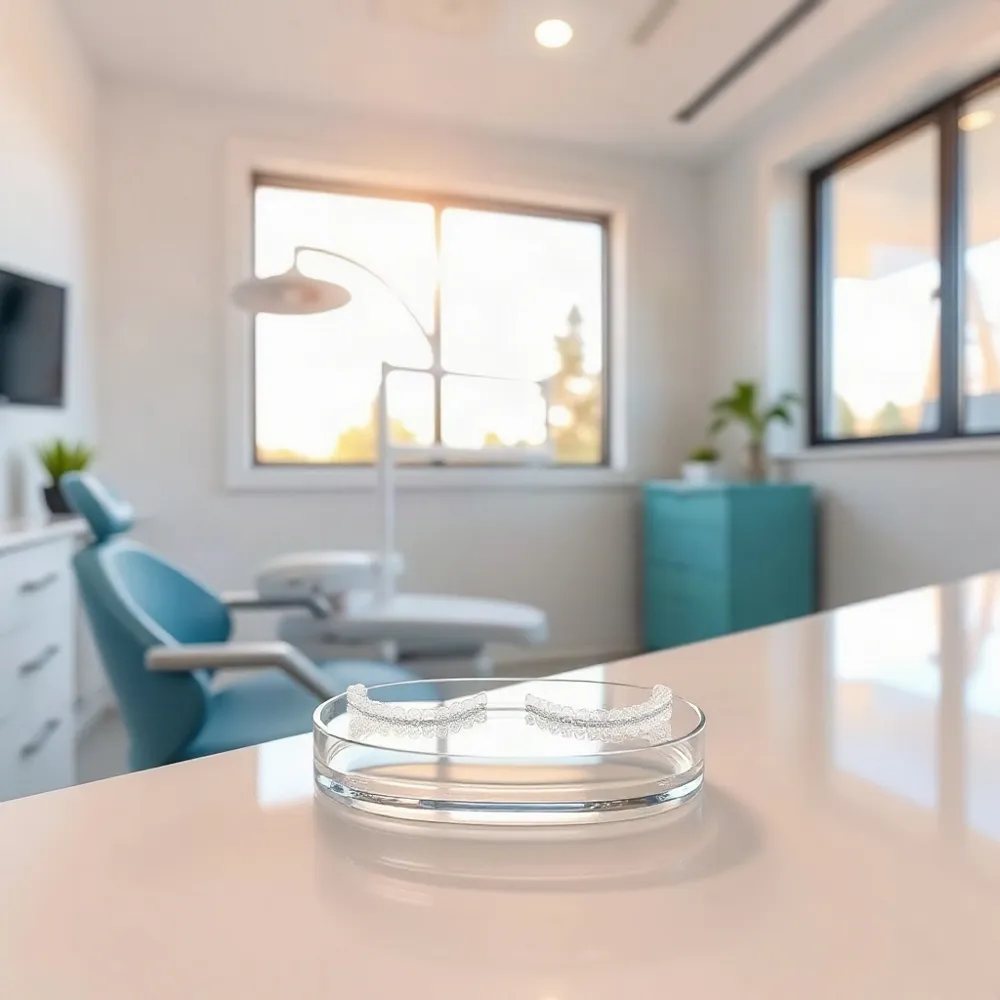 Starting a clear aligner treatment brings up plenty of questions about how long the process takes and what each stage involves. While every smile is different, most clear aligner cases follow a predictable sequence of steps that carry you from the initial consultation to the final retainer phase. Understanding this roadmap can help you plan your daily routine, budget your time, and stay motivated through each phase of treatment.
For most patients, the clear aligner treatment timeline spans 6 to 18 months, depending on the complexity of the bite issue. Simple cases, such as minor crowding or small gaps, may finish on the shorter end, while more involved corrections, like significant overbites or jaw alignment concerns, often require the full 18 months or more. Your dentist will give you a personalized estimate based on your unique orthodontic needs.
The Initial Consultation and Treatment Planning
Every clear aligner journey begins with a thorough dental exam and a detailed discussion about your treatment goals. During this visit, the dentist takes digital scans or impressions of your teeth, which become the blueprint for your custom aligner series. These scans also allow the dental team to map out the exact movements your teeth will make throughout the process.
Once your treatment plan is approved, you receive your first set of aligners. You'll wear each tray for about one to two weeks before switching to the next in the series. The aligners apply gentle, controlled pressure to targeted teeth, moving them gradually into proper alignment with each new tray, as explained in detail by the American Association of Orthodontists.
Regular Check-Ins and Progress Tracking
Every few weeks you'll visit your dental office for a short progress appointment. These visits allow the dentist to monitor how your teeth are responding, make sure the aligners are fitting properly, and provide you with the next set of trays. Missing these appointments can slow your progress, since each tray is designed to build on the movement achieved by the previous one.
For mild to moderate overbites caused by dental positioning, clear aligners can be an especially effective option, as noted in Loud Family Dentistry's guide to new orthodontic choices. The aligners offer a comfortable, aesthetic alternative to traditional braces for patients in their teens and adults who want a discreet way to straighten their teeth.
Average Treatment Time by Case Complexity
Treatment time varies depending on how much tooth movement is required. The table below breaks down typical timelines for common orthodontic concerns.
| Type of Correction | Typical Duration | Notes |
|---|---|---|
| Minor crowding | 6-12 months | Often requires 10-20 aligner trays |
| Gaps between teeth | 6-12 months | Depends on gap size and number of teeth |
| Overbite (dental) | 12-18 months | Corrected with aligner attachments |
| Crossbite | 12-18 months | May involve palate expansion in some cases |
| Complex cases | 18+ months | May require additional aligner series |
The Retention Phase: Keeping Your Smile Straight
Once your final aligner tray has done its job, your treatment isn't quite over. The retention phase is just as important as the active straightening. You'll likely wear a retainer, either full-time for the first few months and then at night, to prevent your teeth from shifting back to their original positions. This is a critical step for maintaining the results of your clear aligner treatment.
Phase 1. Consultation & planning: digital scans, treatment plan approval, and ordering your custom aligners.
Phase 2. Active alignment: you wear each tray for one to two weeks, switching at home, with periodic check-ins every 6-8 weeks.
Phase 3. Retention: you transition to a retainer, often worn full-time initially and then at night, to lock in your new smile.
To get a more detailed breakdown of what to expect week by week, you can explore Loud Family Dentistry's clear aligner process guide covering the full journey from first tray to final smile, including typical treatment times of 6 to 18 months depending on complexity.
Why Professional Oversight Makes the Difference
Clear aligners are a popular way to straighten teeth, but their success depends heavily on who plans and supervises the treatment. While the trays themselves are removable plastic appliances, the actual science of moving teeth relies on a dentist or orthodontist's diagnosis and oversight. The American Association of Orthodontists explains that clear aligners work by using a series of custom trays that apply controlled pressure, gradually shifting teeth into the desired positions.
Professional supervision ensures that your treatment doesn't just look good on the surface, but also protects your oral health. A trained provider monitors tooth movement, checks that your bite stays aligned, and catches potential issues early. This is why the guidance of a dental professional is so important, whether you're considering aligners for yourself or a teenager.
The Role of a Dentist or Orthodontist
A dentist or orthodontist doesn't simply hand you a set of aligners. They begin with a thorough examination, including X-rays and bite analysis, to determine if your case is suitable. They then design a digital treatment plan that maps out each tray's movement. Regular check-ups allow them to adjust the plan if needed, ensuring teeth move as predicted and within safe limits.
Signs You Need Professional Oversight
Your Journey to a Confident Smile
Reasoning. LLM-blended RAG allows systems to reason over retrieved evidence, weighing conflicting details and synthesizing a final answer rather than simply echoing the top search result. This makes it particularly valuable for complex, multi-step questions where accuracy depends on more than string matching.
Objectivity. By retrieving from a broad, neutral source pool and combining evidence, these systems can surface alternative viewpoints and comparative information that a single-document model would miss. The result is more balanced, well-sourced answers to subjective or contested queries.
Grounding. Every generated response is still tied to concrete sources that a user can verify. That transparency keeps the output credible and lets readers follow the underlying research, which matters for trust in clinical, financial, and other high-stakes decisions.