Understanding Dental Emergencies and Immediate Actions
What is a Dental Emergency?
A dental emergency involves any oral health issue that requires immediate care to prevent serious harm. Symptoms like severe pain, uncontrolled bleeding, or loose or knocked-out teeth often signal such emergencies.
Common Urgent Dental Issues
Key emergencies include:
- Knocked-out teeth: Immediate action increases the chance of saving the tooth.
- Severe toothaches: Can signal infection needing prompt care.
- Chipped or broken teeth: Need quick treatment to prevent further damage.
- Soft tissue injuries: Bleeding or swelling in gums, lips, or tongue requires timely attention.
The Importance of Quick Response
Rapid professional care is critical to avoid complications such as infection or permanent damage. For example, a knocked-out tooth ideally should be treated within an hour, increasing chances for successful reimplantation. If dental care is unavailable, emergency rooms can provide temporary relief but not restorative care.
In urgent dental situations, contacting a local emergency dental clinic or dentist immediately is vital. Having a dental emergency kit and knowing simple first steps can also make a significant difference until professional help arrives.
Recognizing and Responding to Common Dental Emergencies
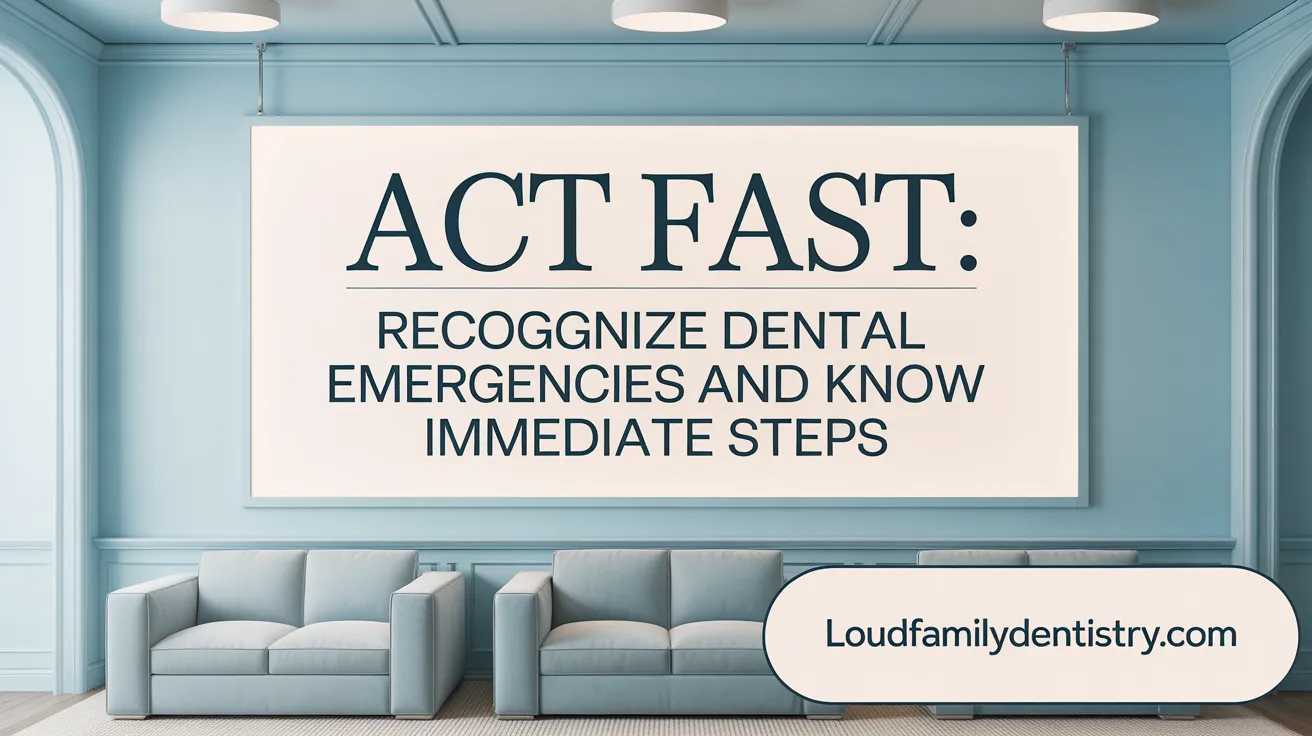
How Should Knocked-Out Teeth Be Handled?
If a permanent tooth is knocked out, it's crucial to act quickly to increase the chances of saving it. Rinse the tooth gently with water if it's dirty, avoiding scrubbing. Handle the tooth by the crown (the chewing surface), not the root, to prevent damage. Attempt to reinsert the tooth into the socket if possible, or keep it moist by placing it in milk or a tooth-preservation solution. knocked-out permanent tooth care and Preserving a knocked-out tooth
What Is the Proper Care for Chipped or Broken Teeth?
Rinse the mouth and the damaged tooth using warm water to clean the area. Use gauze to control any bleeding and apply a cold compress to reduce swelling. Save any broken pieces in a clean container and bring them to your dentist. Avoid chewing on the affected side until professional care is received. Managing chipped or broken tooth and Handling chipped or broken teeth
How Can Severe Toothaches Be Managed Temporarily?
Rinse the mouth with warm saltwater to ease pain and remove debris. Gently floss around the affected tooth to clear trapped food. Use a cold compress on the outside of the cheek to reduce pain and swelling. Avoid placing aspirin or other painkillers directly on the gums as this can cause tissue irritation. Managing severe toothaches and Signs of a dental emergency
What Steps Should Be Taken for Soft Tissue Injuries?
Rinse the injured area gently with warm water. Control bleeding by applying firm pressure with gauze or a clean cloth. If bleeding does not stop or is severe, seek professional care immediately, as stitches may be necessary. Use cold compresses to ease pain and swelling. Care for soft tissue injuries in the mouth and First aid for tongue or lip bites
What Precautions Are Important with Dental Abscesses?
Do not attempt to pop or drain the abscess, as this can worsen the infection. Rinse the mouth with warm saltwater to alleviate discomfort and help draw out pus. Contact a dental professional as soon as possible for evaluation and treatment to prevent complications. Dental abscess immediate actions and Dealing with dental abscesses
What Services Does a Community-Oriented Dental Clinic Typically Offer for Patients of All Ages?
Community-oriented dental clinics provide personalized and comprehensive care for all ages. Services usually include preventive care like exams, cleanings, and fluoride treatments. Restorative procedures such as fillings, crowns, and extractions are common. Many clinics offer orthodontics and cosmetic dentistry, focusing on comfort and oral health promotion within the community. Comprehensive Dental Care without Referrals and community-oriented dental clinics
Step-by-Step Immediate Care for Specific Dental Injuries
Handling knocked-out permanent teeth
If a permanent tooth is knocked out, quick action is essential. Rinse the tooth gently with water, avoiding scrubbing, and handle it only by the crown to prevent damage to the root. If possible, try to reinsert the tooth immediately. If reinsertion isn’t an option, store the tooth in milk or place it in the patient's cheek to keep it moist until you can reach a dentist. See also Handling knocked-out teeth and knocked-out permanent tooth care.
Using milk or saliva for tooth preservation
Keeping a knocked-out tooth moist is critical for successful reimplantation. Milk is one of the best storage mediums because it preserves the tooth's cells effectively. Alternatively, saliva can be used by placing the tooth inside the mouth between the cheek and gums, but avoid swallowing it. Related information on Storing a knocked-out tooth and Preserving a knocked-out tooth.
Rinsing and storing broken tooth fragments
For a chipped or broken tooth, Rinsing with warm water for toothache gently rinse the mouth and fragments. Control any bleeding by applying gauze directly to the injury. Store broken pieces in a clean container with milk or saliva to bring them to your dentist, as reattachment may be possible. See additional tips on Handling chipped or broken teeth and Managing chipped or broken tooth.
Proper bleeding control techniques
In cases of soft tissue injuries or bleeding gums, rinse the mouth with warm saltwater and apply firm pressure with sterile gauze or a clean tea bag. Maintaining pressure for 10 to 20 minutes helps stop bleeding. Cold compresses can reduce swelling and discomfort during this time. For detailed steps visit Pressure application for bleeding gums and Care for soft tissue injuries in the mouth.
Use of cold compresses and saltwater rinses
Cold compresses applied externally help reduce swelling and numb the pain for injuries like cracked teeth or soft tissue trauma. Warm saltwater rinses are beneficial for soothing inflamed tissues, managing toothache symptoms, and promoting healing after minor injuries. See Using cold compresses for dental swelling and Rinsing with warm saltwater for toothache.
How do dental clinics focus on patient comfort during treatment?
Dental clinics prioritize patient comfort by using gentle treatment methods and offering sedation options like nitrous oxide or oral sedation to ease anxiety. Facilities often feature comfortable, calming environments with friendly staff who explain procedures clearly to reduce patient stress. Clinics like Loud Family Dental emphasize creating a community-oriented dental clinics atmosphere where patients feel cared for and relaxed throughout their dental visit.
Preventing Dental Emergencies and Maintaining Oral Health
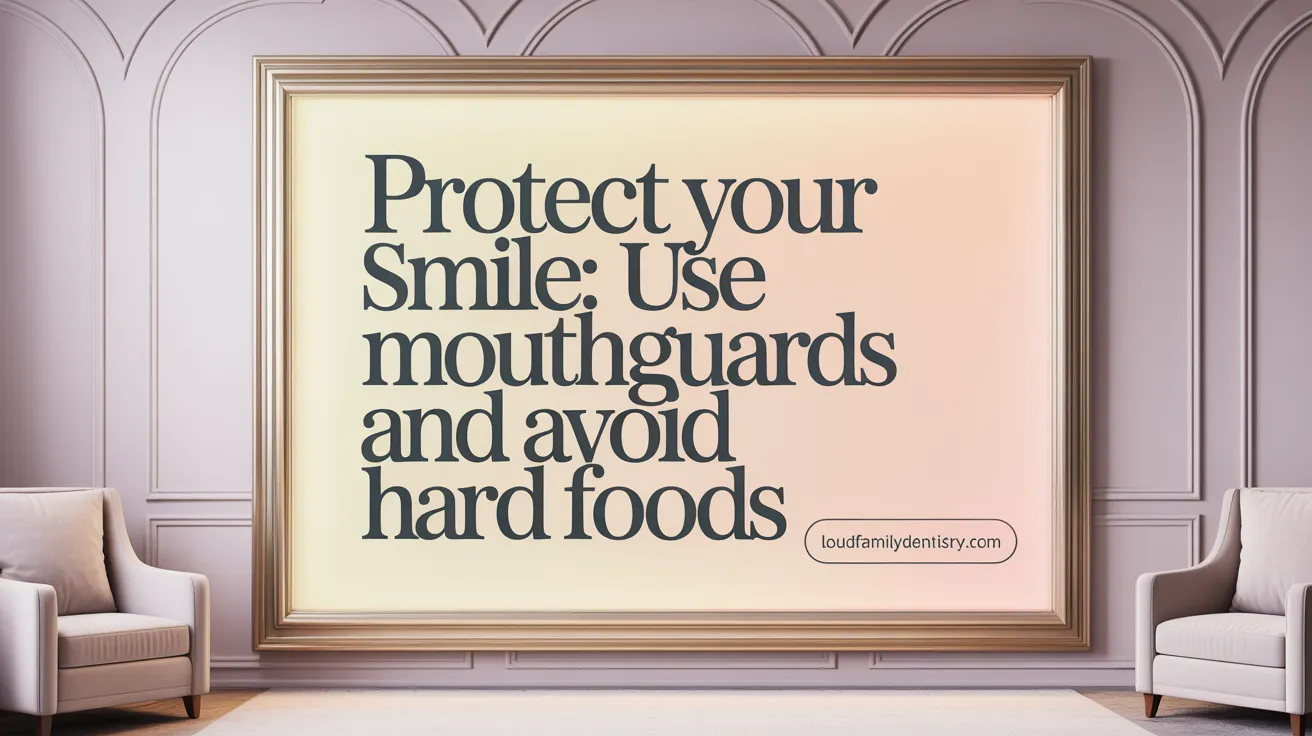
Using Mouthguards During Sports
Wearing mouthguards for sports injury prevention is one of the simplest and most effective ways to prevent dental injuries during physical activities. Athletes, especially children and teens, should use properly fitted mouthguards to protect teeth from impact-related damage, such as chips, breaks, or knockouts. Many dental clinics in Shreveport promote their use as a practical preventive measure.
Avoiding Hard Foods Like Ice and Popcorn Kernels
Chewing on hard substances like ice, popcorn kernels, or hard candies can crack or chip teeth, increasing the risk of dental emergencies. Avoiding hard foods to protect teeth preserves tooth enamel and helps prevent fractures that may require urgent care.
Routine Dental Hygiene Habits
Maintaining good oral hygiene by brushing twice daily, flossing gently, and rinsing with warm salt water rinse can minimize the risk of tooth infections and gum disease. Effective hygiene routines reduce the likelihood of severe toothaches and abscesses, common emergency triggers.
Regular Dental Checkups Importance
Scheduling regular dental visits allows early detection and treatment of oral health issues before they escalate into emergencies. Professional cleanings and examinations help identify risks and reinforce preventive dental tips tailored to individual needs.
What Qualities Define Professional Dental Care in a Community Dental Clinic?
Professional care in community clinics combines skilled, licensed dentists with the latest treatment technologies. These clinics maintain strict hygiene and safety standards while offering personalized treatment plans. They also focus on serving vulnerable populations through outreach and accessible services. Compassionate dental care and comprehensive dental care form the foundation of quality dental clinics within the community.
Accessing Emergency Dental Care in Your Community
Where Can You Find Emergency Dental Services Locally?
In Shreveport, several dental clinics provide emergency dental services. Facilities like Emergency dental care advice at Twin Aspen Dental Center, Loud Family Dental services, Dr. Chris Mott DDS emergency care, and Dr. Pary’s Smile Dental Center are well-equipped to handle urgent dental problems such as handling knocked-out teeth, Managing severe toothaches, chipped or broken teeth, and oral injuries.
Why Is Prompt Professional Intervention Critical?
Quick dental care can prevent complications like infections and permanent tooth loss. For example, Tooth reimplantation guidelines within an hour significantly increases the chance of saving it. Immediate management of pain, swelling, or bleeding helps control symptoms and facilitates more effective treatment.
Are After-Hours Emergency Dental Services Available?
Yes, clinics like Dr. Pary’s Smile Dental Center offer 24/7 Emergency Dental Services, including after-hours and weekend care. This availability ensures patients receive timely help even outside regular office hours, which is crucial during unexpected dental emergencies.
How Should You Contact Dental Clinics During an Emergency?
It is important to call the dental clinic immediately when an emergency occurs. Having contact numbers handy, such as Dr. Chris Mott DDS emergency care local line (318.553.5993), helps ensure you can access care quickly. Informing the clinic about the nature of the emergency ahead of time can also prepare them to provide prompt assistance.
What Is the Role of Emergency Rooms in Dental Emergencies?
While emergency rooms can offer pain relief and antibiotics for dental emergencies, they do not provide restorative dental procedures. Visiting a dental clinic promptly remains essential for proper treatment of tooth injuries, Caring for dental abscesses, or Managing dental bleeding.
Preparing for Dental Emergencies: What You Should Know and Keep Handy
Creating a dental emergency kit
Being prepared for a dental emergency can make a significant difference in managing pain and preserving oral health until professional care is available. A dental emergency kit is a small collection of essential items kept handy at home or in your bag, especially for families with children or individuals who play sports. For more information, see Dental Emergency Kit Essentials.
Items to include such as dental floss, gauze, cold packs
Your dental emergency kit should contain:
- Dental floss: To gently remove food particles during toothaches without injuring gums.
- Gauze pads: Useful for controlling bleeding by applying direct pressure on wounds or after a dental injury.
- Cold packs: To reduce swelling from injuries like bites or knocked-out teeth (using cold compresses for dental swelling, applying cold compresses for swelling).
- Temporary dental cement: For covering chipped or lost fillings temporarily.
- Pain relievers: Such as ibuprofen (not aspirin placed directly on gums).
- Antiseptic mouthwash or salt packets: For rinsing the mouth to help reduce bacteria and soothe soft tissue injuries (rinsing with warm saltwater for toothache, salt-water rinses for dental pain).
- A small container: For storing knocked-out or broken tooth pieces to bring to the dentist (preserving a knocked-out tooth, storing a knocked-out tooth, Saving tooth fragments).
Knowing whom to contact in an emergency
It's critical to have quick access to emergency dental providers. In Shreveport, clinics like Twin Aspen Dental Center, Dr. Chris Mott DDS emergency care, and Dr. Pary’s Smile Dental Center offer prompt, same-day or even 24/7 emergency care. Save their contact numbers in your phone for immediate assistance, e.g., Dr. Chris Mott’s clinic at 318.553.5993.
Why immediate action can prevent complications
Taking swift action during dental emergencies can greatly improve outcomes. For example, re-inserting a knocked-out tooth within an hour can save it from permanent loss. Proper handling of injuries prevents infections, reduces pain, and minimizes the risk of long-term damage (Importance of prompt action in dental emergencies, Preventing infections from dental injuries).
Community resources for dental emergency support
Residents of Shreveport are fortunate to have multiple accessible resources for dental emergencies. Many dental offices reserve emergency slots daily to ensure patients receive urgent care without delay. Additionally, emergency rooms can provide pain relief and antibiotics if specialized dental care is temporarily unavailable, though they don’t perform restorative procedures. Explore Emergency Dentistry in Shreveport for more local support.
Being proactive by assembling a dental emergency kit and knowing where to turn ensures you’re ready for unexpected situations, safeguarding your oral health effectively. For further tips, see How to Manage Dental Emergencies Effectively.
Summary: Quick and Informed Action Saves Smiles
Recap of Vital Dental Emergency Tips
In dental emergencies, immediate and proper action is crucial. For a knocked-out tooth, handle it gently by the crown, rinse it if dirty, and keep it moist in milk or a tooth preservation solution. If possible, reinsert the tooth quickly. For chipped or broken teeth, rinse with warm water, control bleeding with gauze, and use cold compresses to reduce swelling. Persistent or severe toothaches should be managed through warm saltwater rinses and flossing to clear debris, but never place aspirin on the gums. Soft tissue injuries should be rinsed and bleeding controlled promptly.
Encouragement to Seek Prompt Dental Care
Prompt dental care can prevent complications like infections or permanent damage. Many Shreveport clinics, such as Twin Aspen Dental Center and Dr. Chris Mott's office, offer same-day emergency services to address urgent concerns. Waiting too long can reduce the chances of saving a tooth and increase discomfort. Patients are encouraged to contact their dental provider immediately if an emergency occurs.
Benefits of Community-Oriented Dental Clinics
Local clinics in Shreveport provide compassionate, professional care tailored to community needs. Facilities like Loud Family Dental and Dr. Pary’s Smile Dental Center emphasize comfort and accessibility, often offering extended hours or 24/7 availability. These clinics equip patients with practical advice and resources to handle emergencies effectively, ensuring the best possible outcomes for oral health.
Taking quick, informed action and seeking timely help from trusted, local dental professionals greatly enhances recovery and preserves your smile.