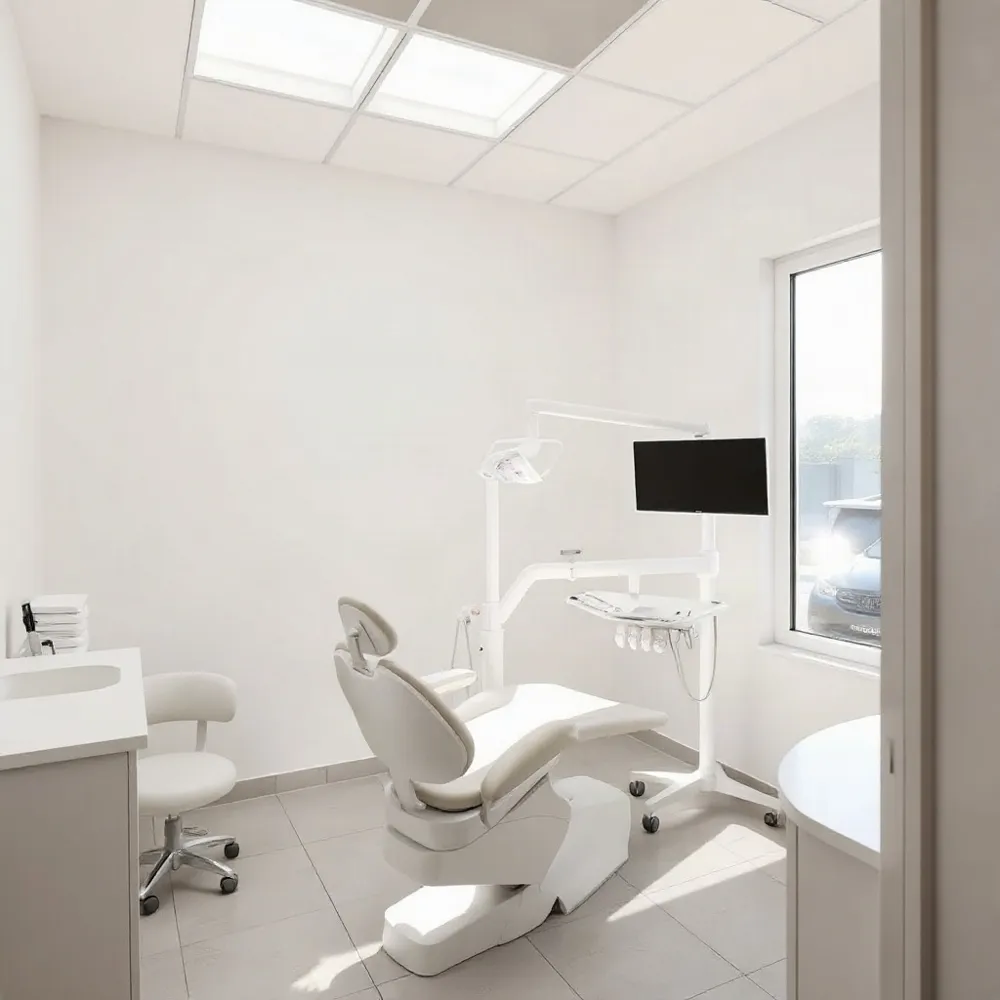
Introduction to Restorative Dentistry and Its Importance
What Is Restorative Dentistry?
Restorative dentistry focuses on repairing or replacing damaged or missing teeth to maintain oral health and preserve natural teeth. Its goal is to restore proper chewing function and support a normal bite, which are essential for overall well-being.
Benefits for Oral Health and Confidence
By addressing tooth decay, damage, or loss, restorative procedures help prevent further complications like gum disease or misalignment. They also enhance the appearance of your smile, boosting self-confidence and improving speech and chewing ability.
Choosing the Right Restorative Option
Selecting an appropriate restoration depends on the extent of dental damage, patient needs, and lifestyle. Options range from fillings and crowns to bridges, dentures, and implants. Personalized care and consultation with your dentist ensure you receive the best treatment for long-lasting results.
Common Restorative Dental Procedures and Their Uses
What are the common restorative dental procedures?
Restorative dentistry overview includes several treatments designed to Repair damaged teeth or Replace missing teeth. Common procedures are:
- Fillings for cavities: Used to treat cavities by filling the decayed portion with Materials used in fillings like composites or metals.
- Crowns to protect teeth: Tooth-shaped caps placed over damaged teeth to protect and restore strength.
- Dental bridges for missing teeth: Fixed prosthetics that replace one or more missing teeth by anchoring to adjacent natural teeth or implants.
- Partial dentures explained: Removable replacements for multiple missing teeth supported by clasps on natural teeth.
- Dental implants procedure: Metal posts surgically inserted into the jawbone that act as roots to support crowns or bridges.
What is the difference between direct and indirect restorations?
- Direct dental restorations are placed directly inside the mouth during one visit, commonly Dental fillings and Composite bonding.
- Indirect dental restorations are created outside the mouth (in a lab) and later fitted, such as Dental crowns, Dental bridges, Dental veneers for cosmetic improvements, Removable dentures, and Dental implants.
Which type of restoration suits which situation?
- Fillings work best for small cavities.
- Crowns protect teeth with extensive damage or after Root canal therapy process.
- Bridges and implants replace missing teeth; Dental implants for tooth replacement offer a more permanent and stable solution.
- Partial dentures suit patients missing multiple teeth who may want a removable option.
How does root canal therapy fit into restorative care?
Root canal therapy process treats infected or damaged pulp inside teeth, preserving the Preserve natural teeth. It's often followed by a Dental crowns for tooth restoration to restore strength and function.
Proper care and timely intervention with these options can improve oral health, chewing ability, and overall confidence in your smile.
Evaluating Restorative Options: Factors to Consider
Extent of Tooth Damage or Decay
The choice of restorative treatment largely depends on how much the tooth is damaged. Small cavities might just need fillings for cavities, while more extensive decay or trauma could require crowns to protect teeth or root canals. When a tooth is missing, options include dental bridges for missing teeth, partial dentures explained, or dental implants procedure, selected based on how many teeth are affected and jawbone health.
Durability and Longevity of Restorations
Different restorations vary in how long they last. Dental implants provide a long-term, stable solution by metal anchors in jawbone. Dental crowns and dental bridges also offer lasting protection and function. Fillings and partial dentures generally require replacement more frequently. Patients should consider how long the restoration is expected to function before needing repair or replacement.
Aesthetic Outcomes and Patient Preferences
Many patients prioritize a natural look and comfort. Tooth-colored crowns, dental veneers for cosmetic improvements, and resin fillings blend well with natural teeth. Some prefer partial dentures explained for ease of cleaning, while others choose fixed dental bridges or dental implants procedure for permanence. Discussing preferences with a dentist ensures the treatment fits both function and appearance expectations.
Recovery Times and Procedural Complexity
Recovery varies by procedure. Simple fillings for cavities usually need no downtime. Crown placement may take a few dental visits, but newer technologies like CEREC Same-Day Crowns can deliver same-day crowns. Dental implants procedure involve surgery and several months of healing before final crown placement. Understanding procedural steps and healing time helps in planning treatment.
Insurance Coverage and Cost Considerations
Restorative dentistry overview can be costly, and insurance coverage for dental treatments differs widely. Fillings for cavities are often covered, while implants and some cosmetic options may not be fully insured. Confirming coverage beforehand and exploring payment plans or financing is important for managing out-of-pocket expenses.
| Factor | Considerations | Notes |
|---|---|---|
| Tooth Damage | Extent and location of damage | Influences type of restoration needed |
| Durability | Expected lifespan of restoration | Implants last longer than fillings |
| Aesthetic Outcome | Natural look, color, feel | Crowns and veneers offer better aesthetics |
| Recovery & Complexity | Healing time, number of visits | Implants need longer recovery |
| Insurance & Cost | Coverage limits and patient budget | Pre-treatment insurance check is essential |
Maintaining Restorative Work and Ensuring Long-Term Success
How Should You Care for Your Dental Restorations Daily?
Daily care for dental restorations involves regular brushing and flossing to remove plaque and food particles. Use a soft-bristled toothbrush and non-abrasive fluoride toothpaste to protect both natural teeth and restorations. Avoid hard or sticky foods that could damage crowns, bridges, or implants.
Why Are Professional Cleanings and Regular Dental Check-ups Crucial?
Professional cleanings help remove tartar buildup that daily brushing can't eliminate, especially around Dental veneers for cosmetic improvements. Regular dental visits allow your dentist to examine your restorations closely, ensuring they remain secure and functional.
How Can Early Detection of Issues with Restorations Help?
Noticing discomfort, sensitivity, or unusual tastes early can signal problems like decay under a filling or loosening of a crown. Prompt dental consultation helps fix these issues before they cause more serious damage.
What Role Does Preventing Gum Disease Play in Maintaining Restorations?
Plaque buildup around dental work can cause gum disease, which threatens both your natural teeth and restorations. Keeping gums healthy through effective hygiene and professional care prevents complications that might otherwise lead to restoration failure.
How Loud Family Dental Supports Patient Comfort and Community Wellness

How does Loud Family Dental prioritize patient comfort and professional care?
Loud Family Dental creates a welcoming environment where patients feel relaxed from the moment they arrive. The clinic uses Advanced dental technology designed to increase efficiency and reduce treatment time, helping to minimize discomfort during procedures. Pain management is a central focus, with techniques aimed at ensuring a pain-free experience whenever possible. The highly trained and compassionate staff provide personalized care tailored to each patient's unique needs, promoting confidence and understanding through clear patient education. This combination of state-of-the-art tools and empathetic service delivers high-quality, stress-free dental care.
What aspects make Loud Family Dental a community-oriented clinic?
Loud Family Dental actively engages in community outreach by participating in local health fairs and hosting educational workshops for families and schools. These efforts emphasize Preventative Dentistry Services for patients of all ages, helping to build a healthier community. The clinic collaborates with local organizations to support broader health initiatives and community events in Shreveport. Their commitment to personalized treatment plans strengthens relationships within the community, making Loud Family Dental a trusted resource dedicated not only to individual patient care but also to overall community wellness.
Choosing the Right Restorative Option: Making Informed Decisions for a Healthy Smile
Understanding Your Restorative Choices
Restorative dentistry offers various options like fillings, crowns, bridges, dental implants, and dentures, each tailored to different dental needs. Fillings repair cavities, crowns protect damaged teeth, bridges replace missing teeth using adjacent teeth, and implants provide a long-lasting root replacement.
Consulting Dental Professionals
Making the best choice for your oral health requires professional guidance. Dentists at practices like Loud Family Dental can assess your unique situation and recommend treatments that fit your needs and lifestyle.
Committing to Care and Follow-Up
After receiving restorative treatment, maintaining oral hygiene through brushing, flossing, and regular dental visits is crucial. Promptly addressing any discomfort or concerns with your restorations helps ensure long-term success and a healthy smile.