A Simple Visit with Life‑Saving Impact
Routine dental exams are more than a teeth‑cleaning appointment—they are the frontline defense against oral cancer. During a standard check‑up, the dentist inspects the lips, tongue, floor of the mouth, cheeks, gums and throat, and palpates the neck for swollen lymph nodes. Early‑stage lesions often appear as painless white or red patches, persistent sores, or subtle lumps that patients may never notice. By incorporating a brief (minute) oral‑cancer screen into every visit, dentists can spot these signs, use adjunctive tools like fluorescence imaging or brush biopsies when needed, and refer for a definitive biopsy promptly. Loud Family Dental in Shreveport embraces this preventive approach, offering a comfortable, community‑focused environment where patients of all ages receive thorough screenings, risk‑factor counseling, and education on self‑examination—making a simple visit a potentially life‑saving experience.
Spotting the Silent Threat – Early Signs of Oral and Gum Cancer
 Regular dental visits are a powerful line of defense against oral cancer because many early lesions are painless and easy to miss. The most common early signs are persistent sores or ulcers that do not heal within three weeks, red or white patches (leukoplakia or erythroplakia) on the tongue, gums, inner cheeks, or lips, and small lumps or thickened areas that may feel firm under the skin. Gum cancer often appears as a non‑healing ulcer on the gumline, a red or white patch, swelling, or loose teeth that no longer fit dentures.
Oral cancer is staged from 0 (in‑situ) to IV, reflecting how far the tumor has spread. Stages I‑II involve small, localized tumors with little or no lymph‑node involvement; stage III indicates a larger tumor or nearby node spread; stage IV denotes extensive disease or distant metastasis. Early‑stage disease enjoys a 5‑year survival rate of 80‑90 %, while advanced disease drops below 30 %.
Why does early detection matter? Catching a lesion before it invades deeper tissue allows for minimally invasive surgery or targeted therapy, preserving speech, chewing, and facial appearance, and dramatically lowering treatment costs. If you notice any persistent sore, patch, lump, or unexplained numbness, schedule a dental exam promptly—your dentist can perform a quick visual inspection, use adjunctive tools like fluorescence imaging, and, when needed, arrange a biopsy. Early action can be life‑saving.
From Detection to Treatment – What Happens When Cancer Is Found
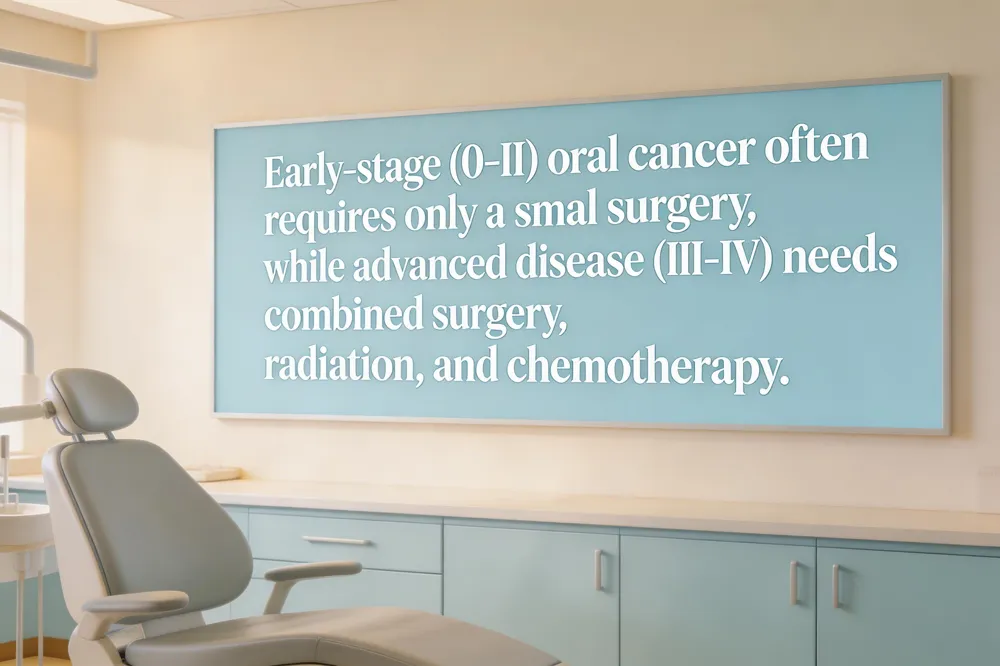 Regular dental visits are a powerful line of defense against oral cancer. Early detection dramatically improves curability: when a tumor is found at stage 0‑II, most patients can be cured with a modest surgical excision, sometimes followed by radiation or a brief course of chemotherapy. Five‑year disease‑free survival exceeds 80 % for these early lesions, and those who stay cancer‑free for five years face a very low risk of recurrence. In contrast, cancers diagnosed after they have spread to lymph nodes or surrounding tissues (stage III‑IV) require aggressive multimodal therapy—surgery, radiation, chemotherapy, or targeted agents— and are is more cure rates that and the treatment burden is greater.
Mouth‑cancer treatment is therefore stage‑dependent. Early disease is usually managed with a single surgery to remove the tumor and a small margin of healthy tissue. Advanced disease often calls for a coordinated approach that combines surgery, radiation, and chemotherapy, and in some cases immunotherapy or clinical‑trial agents. After treatment, regular follow‑up exams and imaging are essential to catch any recurrence early and to manage side effects such as swallowing difficulty or speech changes.
Skipping routine cleanings undermines this protective cycle. Plaque that hardens into tartar can mask early lesions, allowing precancerous patches or leukoplakia to go unnoticed. Missed appointments also increase the risk of gum disease, which has been linked to systemic health problems and can complicate cancer treatment. By attending bi‑annual check‑ups at Loud Family Dental, patients benefit from thorough visual and tactile examinations, adjunctive screening tools, and timely counseling on risk‑reduction—maximizing the chance of early detection and a successful, less invasive treatment outcome.
Making Care Affordable – Insurance, Medicaid, and Coverage
 Keeping your smile healthy shouldn’t break the bank, and at Loud Family Dental we work with you and your insurer to make restorative care affordable.
Dental insurance for restorative care – Most plans cover basic restorative services (fillings, simple extractions) and major work (crowns, bridges, dentures, root canals) after a deductible and with a copayment or coinsurance. Annual maximums limit total benefits, and coverage percentages vary by plan type (PPO, DHMO, EPO). We help you verify in‑network status, submit claims, and coordinate any remaining balance.
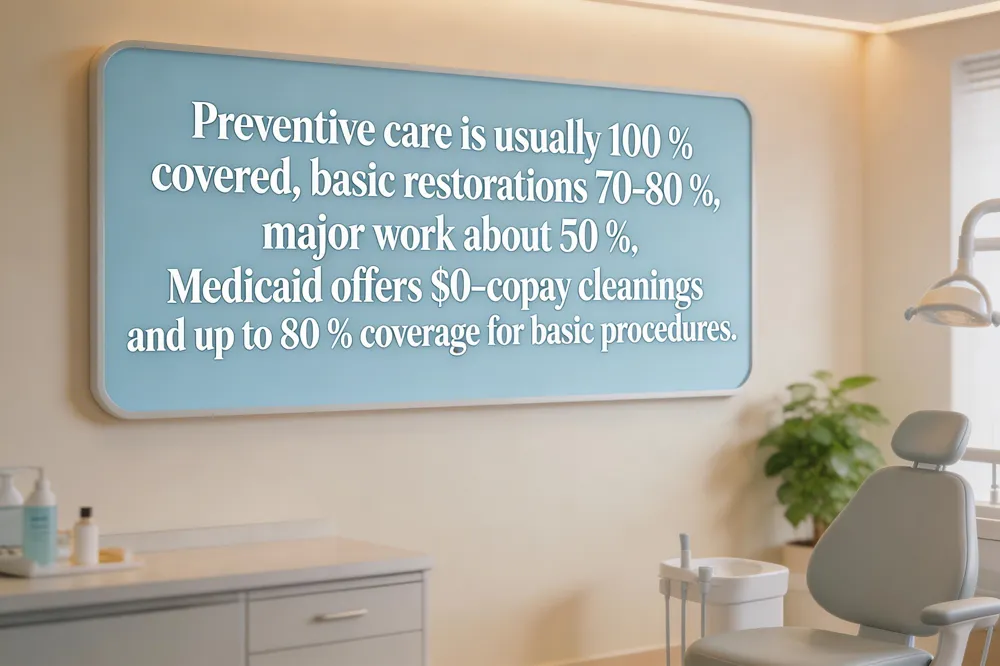
What is covered under dental insurance – Preventive care (cleanings, exams, X‑rays) is usually 100 % covered. Basic restorative work is typically 70‑80 % of the fee, while major procedures like crowns and dentures are often covered at about 50 %. Cosmetic services such as whitening are generally excluded; emergency care and limited orthodontics for children may be included.
Health Partners Medicaid dental coverage – Provides $0‑copay preventive services (cleanings, exams, fluoride, sealants) and covers about 80 % of basic restorative procedures. Major work such as crowns and oral surgery is reimbursed at roughly 50 %, with an annual benefit maximum of $1,000‑$2,000.
Dentist Shreveport Medicaid – Loud Family Dental welcomes Medicaid and state health plans, including DentaQuest and MCNA Dental. Call (225) 831‑7843 or use the provider hotlines (DentaQuest 1‑800‑685‑0143; MCNA 1‑855‑702‑6262) to verify coverage and complete paperwork before your visit.
Shreveport dental – Our community‑focused clinic offers routine cleanings, exams, orthodontics, implants, and cosmetic dentistry for patients of all ages. We accept a wide range of insurance plans and offer a Dental Savings Plan for uninsured patients, ensuring high‑quality, affordable oral health care for everyone in Shreveport.
Everyday Habits and Professional Care – Building a Strong Oral Health Foundation
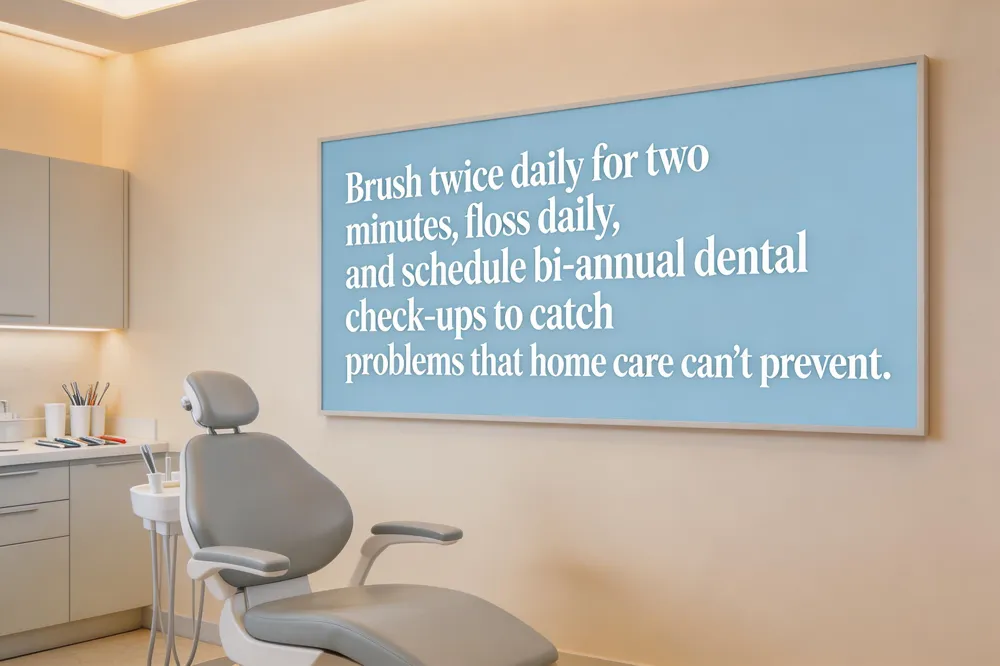 Maintaining a healthy smile starts with solid at‑home habits and is reinforced by regular professional care. Basic dental care is the daily routine you perform yourself—brushing twice a day for two minutes with fluoride toothpaste, flossing, using mouthwash when needed, eating a balanced diet, and staying hydrated. These habits keep plaque and bacteria under control and lay the groundwork for oral health. Routine dental care, on the other hand, is the in‑office service provided by your dentist and hygienist. It includes comprehensive examinations, professional cleanings, X‑rays, fluoride treatments and, when necessary, early‑intervention procedures such as biopsies or referrals for suspicious lesions. While basic care builds the foundation, routine care catches problems that home habits can’t prevent—like early‑stage oral cancer which often shows no pain or obvious symptoms. Detecting such lesions during a routine visit can raise the 5‑year survival rate to over 80 %.
The popular 3‑3‑3 rule—brush three times a day for three minutes and avoid eating for three hours before bedtime—sounds thorough but isn’t endorsed by major dental organizations. The American Dental Association recommends brushing twice daily for two minutes, which is sufficient for most patients. At Loud Family Dental we tailor oral‑health guidance to each individual, combining diligent daily hygiene with biannual check‑ups to ensure early detection of disease and preserve a confident, functional smile.
Community Commitment – Why Loud Family Dental Stands Apart
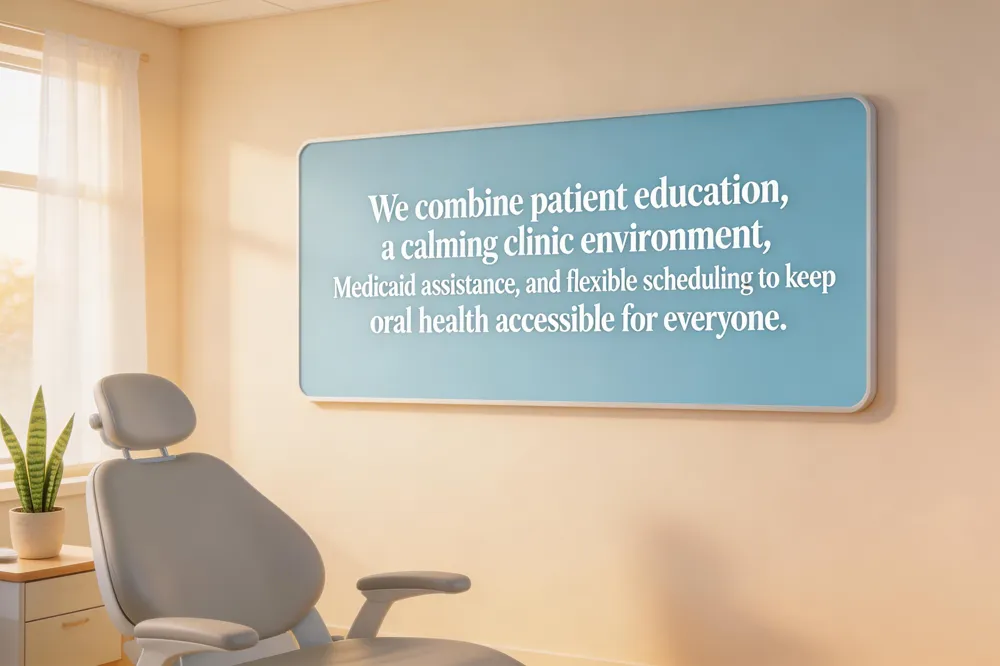 Loud Family Dental makes oral health a community priority by blending education, comfort, and accessibility into every visit. Our team offers patient‑centered outreach, from easy‑to‑understand guides on self‑examination to workshops on tobacco‑cessation and HPV vaccination, empowering patients of all ages to recognize early signs of oral cancer. The clinic’s soothing, family‑friendly design features soft lighting, calming music, and private treatment rooms, reducing anxiety for children, seniors, and anyone nervous about dental care. We welcome patients from toddlers to grandparents, providing flexible scheduling, Medicaid‑compatible billing, and transportation assistance when needed. By combining clear communication, a relaxed atmosphere, and inclusive services, Loud Family Dental ensures that every patient feels safe, informed, and supported in maintaining a healthy smile for life today and wellbeing.
Your Next Visit Can Save a Life
Regular dental exams are more than a clean‑up; they are a frontline defense against oral cancer. Because early lesions often cause no pain, a dentist’s visual and tactile screening can catch white or red patches, persistent sores, and subtle texture changes before they become symptomatic. Detecting cancer at stage I or II raises the five‑year survival rate to 80‑90 %, while advanced disease drops below 50 %. At Loud Family Dental in Shreveport, our clinicians use bright illumination, intra‑oral cameras, and adjunctive tools like fluorescence imaging to enhance detection. We prioritize community‑focused, comfortable care, offering education on risk‑reduction and easy appointment scheduling. Our flexible hours and walk‑in options ensure that everyone in the neighborhood can access life‑saving screenings without delay. Book your next visit today and give yourself the best chance for a healthy, cancer‑free future.