An Introduction to Modern Smile Enhancements
A confident smile often begins with addressing minor aesthetic imperfections that impact your self-esteem. Dental veneers are custom-made shells designed to cover the front surfaces of your teeth, offering a versatile solution for discoloration, chips, cracks, or gaps. While composite resin options exist for specific needs, porcelain remains a premier choice in aesthetic dentistry due to its ability to mimic the natural translucency and light-reflecting properties of your enamel.
At Loud Family Dental, we focus on a personalized approach to your smile transformation. Unlike restorative dental crowns that encase the entire tooth to provide structural repair, our custom-crafted veneers act as a precise cosmetic enhancement. By opting for this minimally invasive treatment, you can achieve a brighter, more uniform appearance while preserving the majority of your natural tooth structure.
Your journey begins with a comprehensive consultation at our Shreveport clinic, where we evaluate your dental health to ensure you are an ideal candidate. We take the time to understand your unique smile goals, utilizing our professional expertise to design a look that feels natural and lasts for years to come. Whether you are correcting stubborn stains or minor misalignments, these durable porcelain shells provide a long-term strategy for a lasting, vibrant smile.
Understanding Veneer Types and Their Unique Properties
What are dental veneers and what types are available? Dental veneers are thin, custom-made shells designed to cover the front surface of your teeth to conceal cosmetic imperfections like chips, cracks, stubborn stains, or gaps. These restorations are crafted to blend seamlessly with your natural smile, providing a more uniform and aesthetic appearance. The most common types include porcelain veneers, which are highly durable and stain-resistant, and composite resin veneers, which offer a more conservative, cost-effective option for addressing mild issues. Other varieties, such as no-prep veneers or removable options, are also available for patients seeking specific, less invasive solutions. Your dentist can help you determine the best material and style based on your unique dental anatomy and aesthetic goals.
Comparing Material Characteristics
Selecting the right material influences both the longevity and the final appearance of your restoration. Porcelain is widely favored for its superior durability and its ability to mimic the light-reflecting properties of natural enamel, per Cleveland Clinic. At Loud Family Dentistry, we find that patients often prefer these for their high resistance to staining from common sources like coffee and tea. Composite resin provides a more immediate, single-visit solution but may be more susceptible to wear over time compared to high-grade ceramic.
Exploring Minimal Prep Alternatives
Patients seeking to preserve as much natural tooth structure as possible often look into no-prep or ultra-thin veneers. These options require significantly less enamel removal than traditional porcelain sets, sometimes making them a comfortable starting point for minor aesthetic adjustments. However, these restorations are not universally suitable for every dental profile. Our team at Loud Family Dentistry evaluates your specific tooth health and alignment to recommend whether a minimal-prep approach or a more robust, custom-designed veneer will best achieve your desired outcome.
| Material Type | Typical Lifespan | Primary Benefit |
|---|---|---|
| Porcelain | 10-15 Years | Stain resistance |
| Composite | 5-7 Years | Cost effective |
| No-Prep | Varies | Enamel preservation |
The Comprehensive Porcelain Veneer Application Journey
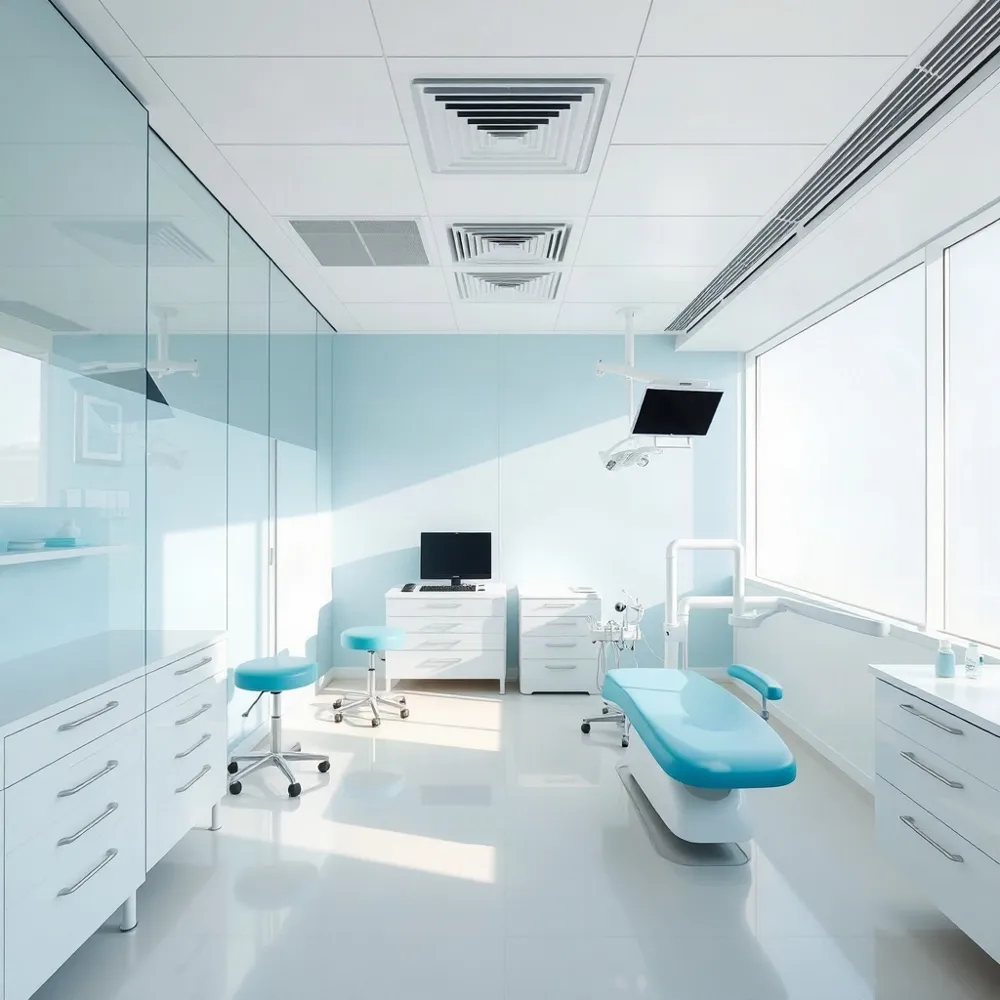 Achieving your ideal smile through custom veneers at Loud Family Dental begins with a thorough clinical assessment. During your initial consultation, our team evaluates your oral health and discusses your aesthetic goals to ensure you are a suitable candidate for treatment. This diagnostic phase is crucial for identifying any underlying issues, such as decay or gum disease, that must be resolved before proceeding with cosmetic dentistry enhancements.
What is the procedure for getting porcelain veneers?
The dental veneer application process involves careful preparation to achieve a natural, seamless look. Your dentist removes a small, precise amount of enamel, typically between 0.5 and 0.7 millimeters, to create space for the custom-made shells. This step is essential for ensuring the final restoration sits flush with your surrounding teeth, preventing a bulky appearance.
Following the preparation, we capture detailed impressions of your teeth to guide the fabrication of your custom porcelain restorations. While your permanent veneers are being crafted in a professional dental lab, we often place temporary veneers to protect the prepared tooth surfaces. These temporaries help reduce sensitivity and provide an early glimpse of your new smile's potential. Once the final shells are ready, you will return for the bonding phase, where your dentist secures each piece using specialized dental cement and a curing light to ensure a durable, long-lasting fit.
| Phase | Clinical Goal | Key Action |
|---|---|---|
| Consultation | Assessment | X-rays and goals |
| Preparation | Space creation | Remove 0.5mm enamel |
| Fabrication | Protection | Placement of temporaries |
| Bonding | Permanence | Light-cured cement |
Evaluating the Permanence of Cosmetic Dental Treatments
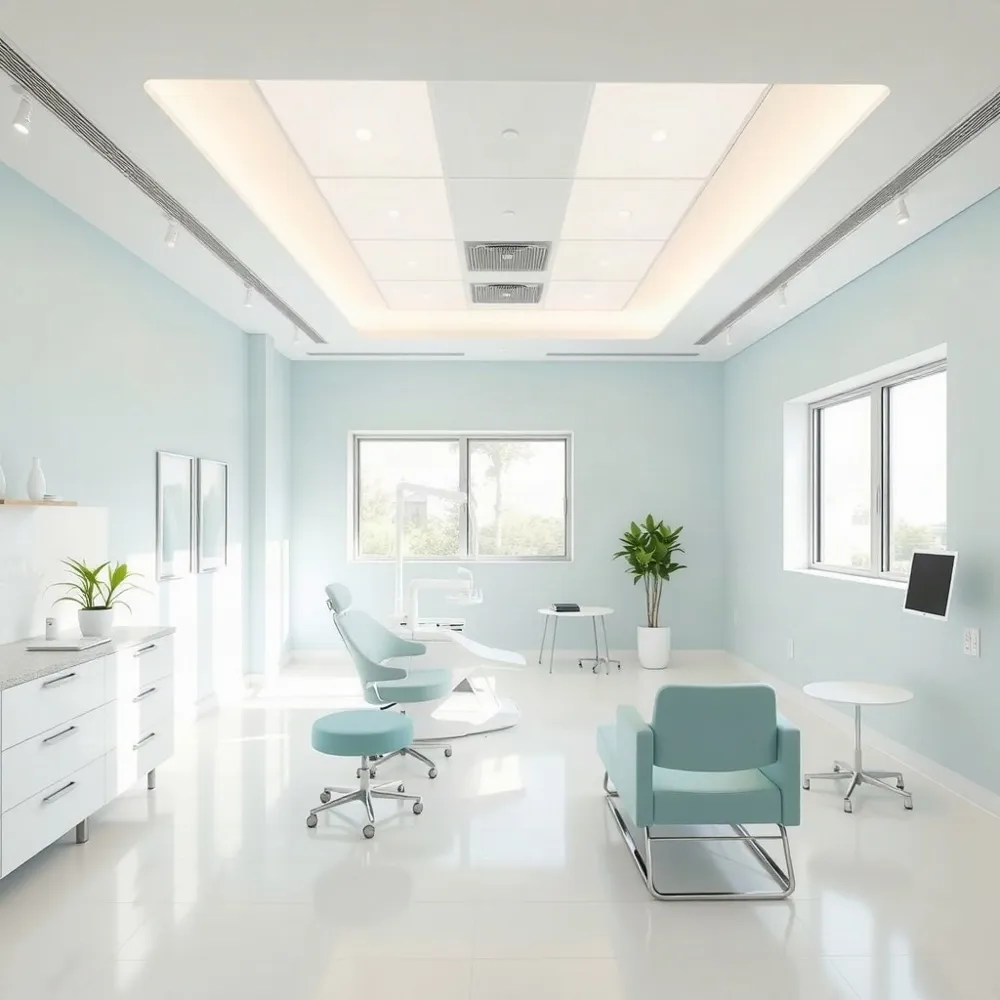 Are dental veneers considered a permanent dental treatment? Yes, dental veneers are generally considered a permanent dental treatment. This is because the application process typically requires the irreversible removal of a thin layer of your natural tooth enamel to ensure the veneer fits properly. Once this enamel is removed, it does not grow back, meaning the underlying tooth structure will always require some form of protection or coverage. While the veneers themselves may eventually need to be replaced after 10 to 20 years, the original decision to prepare the teeth is a lifelong commitment. If you are interested in aesthetic improvements but are hesitant about permanent enamel alteration, we invite you to consult with us at Loud Family Dental to discuss alternatives.
The procedure relies on removing approximately 0.3 to 0.7 millimeters of enamel to create a flush fit between the restoration and your natural tooth. Because this layer is gone, the tooth loses its original protective barrier, necessitating a permanent bond to maintain structural integrity and prevent sensitivity. Unlike dental crowns, which encase the entire tooth to provide support against significant decay or trauma, veneers function primarily as an aesthetic facade for the front surface. While competitive clinics might suggest veneers for purely functional repairs, we focus on preserving as much of your natural, healthy structure as possible.
Maintaining the health of these restorations involves consistent oral hygiene, as the remaining natural tooth structure beneath the shell remains susceptible to cavities. Regular visits to our Shreveport clinic ensure that your bite stays aligned and that the bonding agent is not showing signs of wear. While porcelain veneers offer high durability, they do not function as a shield against the underlying risks of neglect. By scheduling bi-annual cleanings, you protect both the cosmetic enhancement and the long-term health of your underlying teeth.
Weighing the Benefits and Clinical Considerations
Achieving aesthetic uniformity for discolored or misshapen teeth has become more accessible through modern cosmetic dentistry. Dental veneers are thin, custom-made shells bonded to the front of your teeth, providing a versatile solution for concerns like chips, cracks, and gaps that may not respond to traditional whitening treatments.
What are the pros and cons of getting veneers?
Veneers offer a versatile and efficient way to achieve a radiant smile by correcting issues like deep staining, chips, cracks, and minor misalignment. One of their greatest advantages is their natural appearance and resistance to future staining, providing durable, long-lasting results that can often span over a decade. However, the process is considered irreversible because it typically requires the permanent removal of a thin layer of natural tooth enamel to accommodate the custom-made shells. Some patients may also experience temporary tooth sensitivity following the procedure, and it is important to remember that veneers will eventually require maintenance or replacement over time. Before proceeding, we always recommend a consultation to determine if veneers are the most suitable option for your unique oral health needs and smile goals.
Identifying ideal candidates and assessing gum health is a primary step at Loud Family Dental. Because the veneers application process relies on a healthy foundation, patients must be free of significant issues like active periodontal disease or extensive tooth decay. While some cosmetic providers may overlook the necessity of a stable foundation, our team ensures your gums are healthy enough to support the longevity of your new smile.
Addressing the risk of temporary sensitivity is part of our commitment to patient comfort. Many patients find that the benefits of veneers far outweigh the minor, transient discomfort that may follow the preparation phase. By using high-quality materials and precise bonding techniques, we strive to keep sensitivity minimal and ensure your transition to a brighter, more confident smile is as comfortable as possible.
Essential Aftercare for Your New Porcelain Smile
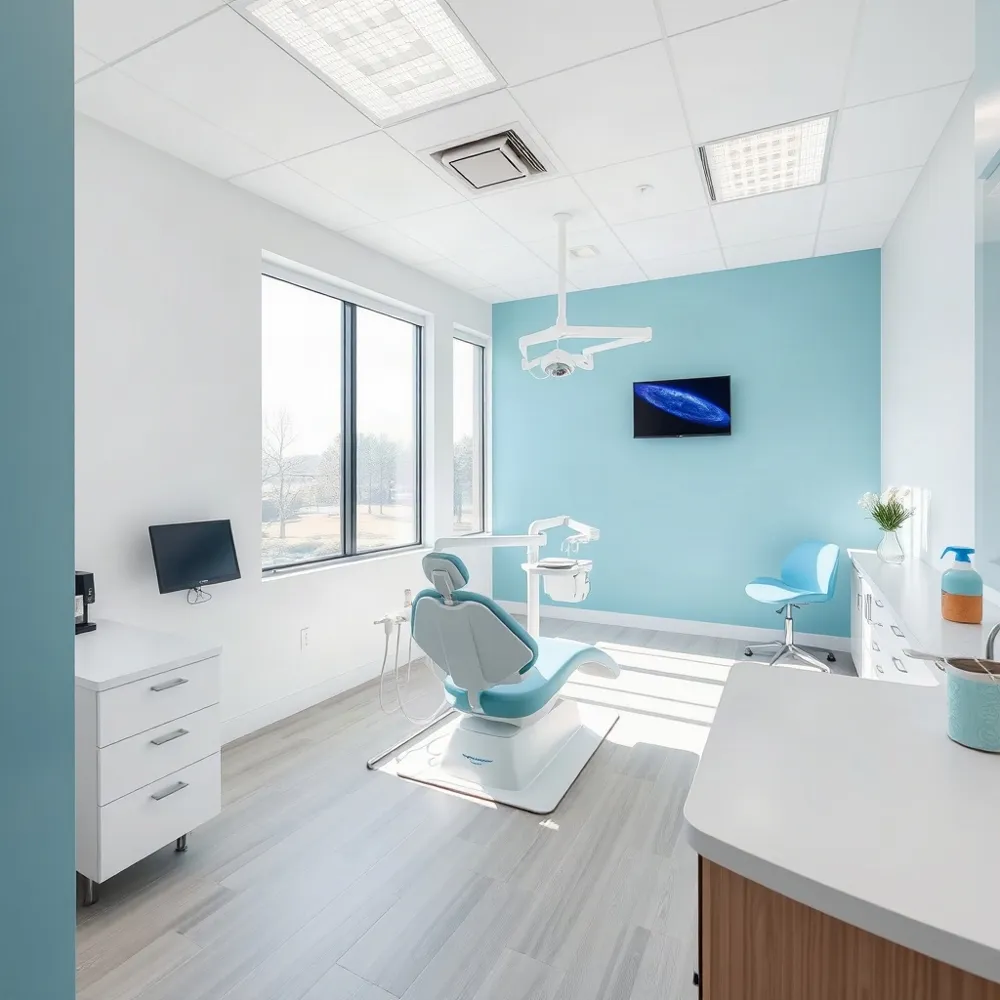 Protecting your new smile at Loud Family Dental requires a consistent daily maintenance routine. To ensure your porcelain veneers remain in top condition for their expected 10 to 15-year lifespan, brush twice daily using a soft-bristled toothbrush and a non-abrasive, fluoride-based toothpaste. Avoid charcoal or whitening formulas, as these contain abrasive particles that can scratch the surface of the ceramic and dull its natural shine. Consistent flossing is also vital, as it prevents plaque buildup at the gum line where the restoration meets the natural tooth.
How should I maintain my veneers to ensure their longevity?
While porcelain is highly resistant to staining, the bonding adhesive can still be vulnerable to dark-colored substances like coffee, tea, and red wine. Consider using a straw for these beverages and rinsing your mouth with water afterward to minimize contact. Beyond dietary habits, you must protect your investment from physical damage by never using your teeth as tools to open packages or bite into hard objects like ice or popcorn kernels. If you experience bruxism, or teeth grinding, during the night, we strongly recommend a custom-fitted night guard to prevent edge wear and potential dislodgement.
Professional oversight remains the most effective way to safeguard your long-term oral health. We recommend bi-annual check-ups at Loud Family Dental so our team can monitor the integrity of the bond and ensure the health of your surrounding gum tissue. These visits also allow us to perform professional cleanings using tools designed to protect your cosmetic work while maintaining the health of your underlying natural tooth structure. Routine dental care is the foundation of a durable, beautiful, and lasting smile.
Financial Planning and Understanding Treatment Investment
The cost of dental veneers can vary significantly based on your unique dental needs, the materials selected, and the number of teeth being treated. While the national average cost for a single veneer is approximately $1,765, individual pricing typically ranges between $500 and $2,895 per tooth per CareCredit. Because veneers are a bespoke cosmetic treatment, the final investment often reflects the high-quality materials and the artistic precision required to craft your new smile.
At Loud Family Dental, we believe in providing personalized care that aligns with your aesthetic goals and oral health requirements. We invite you to schedule a consultation with our team, where we can evaluate your specific case and provide an accurate, transparent estimate for your customized treatment plan.
Navigating Insurance and Financing
Most dental insurance providers classify these restorations as elective cosmetic procedures, meaning they are rarely covered under standard plans per the Cleveland Clinic. However, you may be able to utilize flexible spending accounts or health savings accounts to manage your investment. While some clinics might suggest composite alternatives to lower initial costs, porcelain remains the gold standard for long-term aesthetic outcomes due to its durability and stain resistance.
| Feature | Porcelain Veneers | Cost/Coverage Consideration |
|---|---|---|
| Typical Lifespan | 10 to 15 years | Higher investment value |
| Stain Resistance | High | Low maintenance expense |
| Insurance Status | Cosmetic | Often out-of-pocket |
Your Partner in Achieving a Confident Smile
Selecting porcelain veneers represents a life-enhancing investment in your personal confidence. These custom shells provide a durable, stain-resistant way to resolve aesthetic concerns ranging from stubborn discoloration to minor misalignments, offering a natural appearance that empowers you to share your smile freely. While clinics like others might offer standardized results, Loud Family Dentistry prioritizes patient-centered care, ensuring each treatment plan is tailored to your unique facial structure and goals. We invite you to contact our Shreveport team to discuss how a custom-designed smile makeover can help you reach your aesthetic vision.