
Why Gum Care Matters
Healthy gums depend on everyday care as well as professional attention. Brushing thoroughly, cleaning between teeth, and keeping regular dental checkups help control plaque, while cleanings remove hardened deposits that home care cannot reach.
Plaque is a sticky film of bacteria that can irritate the gums. If it remains on teeth, it may harden into tartar, which generally needs to be removed with dental instruments. Untreated gum inflammation can progress and affect the tissues and bone supporting the teeth, as described by the National Library of Medicine.
At Loud Family Dental, patients of all ages can receive comprehensive dental care in a community-oriented setting, with attention to comfort and professional care. A cleaning is one part of that care, not a replacement for daily brushing or an individualized treatment plan.
Professional cleanings support gum health, but available research has not established that they prevent gum disease better than standard checkups and tartar removal. Regular visits still give a dental professional the chance to assess your gums and discuss care suited to your needs.
Plaque, Tartar, and Gum Disease
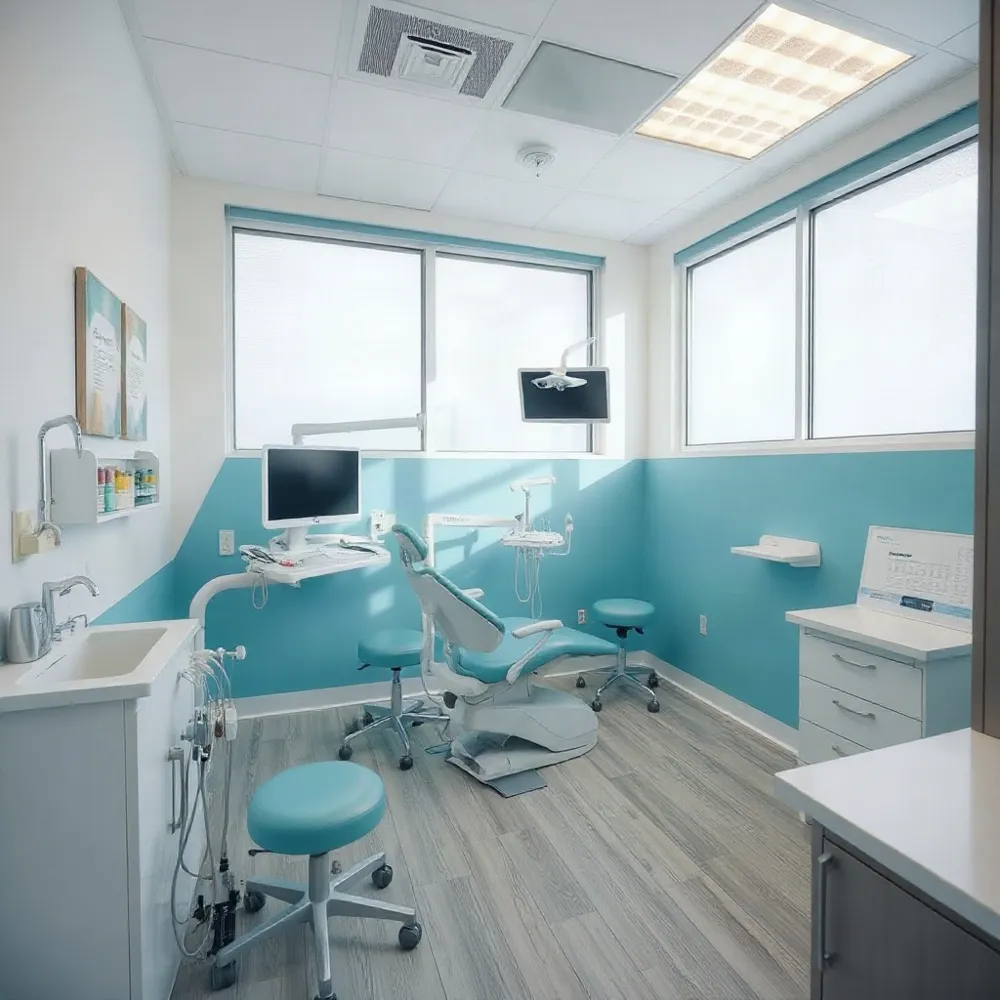 Plaque is a soft, sticky film of bacteria that builds up on teeth as bacteria mix with saliva and food debris. Brushing and cleaning between teeth help remove it; plaque left behind can harden into tartar, also called calculus. The CDC’s overview of periodontal disease explains that hardened tartar cannot be removed by brushing and requires professional care.
Unlike plaque, tartar is firmly attached and may form above or below the gumline. It can look yellow or brown, but appearance alone cannot confirm what a deposit is or whether gum disease is present. A dental professional can assess the gums and remove tartar with appropriate instruments.
Bacteria in plaque and tartar can irritate the gums, causing gingivitis, which may make them red, swollen, or prone to bleeding. Early gingivitis can often be reversed with effective home care and professional attention. If inflammation advances into the tissues and bone supporting the teeth, it becomes periodontitis and can cause lasting damage. NCBI’s review of gingivitis and periodontitis describes this progression. Bleeding, swelling, or gums pulling away from teeth are reasons to arrange a dental evaluation.
At Loud Family Dental, patients of all ages can receive professional care and guidance on daily oral hygiene. Regular brushing and cleaning between teeth help control soft plaque, while a dental team must remove hardened tartar.
What Happens During a Cleaning
 A professional cleaning removes plaque and hardened tartar from tooth surfaces and around the gumline, including places a toothbrush and floss may miss. Tartar cannot be brushed away at home, so a dental professional uses hand instruments or an ultrasonic scaler to remove it. This also gives the dental team a chance to assess your gums and teeth and discuss any concerns. Cleveland Clinic’s overview of dental cleanings describes the usual steps.
After scaling, the hygienist may polish your teeth with a special paste to smooth their surfaces and lift some surface stains. Fluoride gel or varnish may also be offered to help strengthen and protect enamel. The appointment can include practical guidance on brushing and cleaning between teeth, so you know how to manage plaque at home.
At Loud Family Dental, patients of all ages receive comprehensive dental care in a community-oriented setting, with attention to comfort and professional care. A cleaning is also an opportunity to discuss your home-care routine with the dental team and ask about concerns you have noticed.
A routine cleaning, also called prophylaxis, is preventive care for people whose gums are generally healthy. A deep cleaning, or scaling and root planing, is treatment for gum disease: it removes buildup beneath the gums and from tooth roots. It may be recommended when an examination shows gum inflammation or deeper periodontal pockets. Depending on the treatment needed, the area may be numbed and care may take one or more visits. The CDC explains the signs and treatment of gum disease; your dentist can assess your gums and recommend the appropriate care.
Daily Care Between Dental Visits
Brushing twice a day with fluoride toothpaste and cleaning between teeth daily help remove plaque before it irritates the gums or hardens. The CDC’s gum disease guidance recommends these habits alongside regular professional care.
Consistent home care can support gum health and help reverse early gingivitis, but it cannot guarantee that tartar will not form. Once plaque hardens, brushing and flossing will not remove it; a dental professional must clean it away. Loud Family Dental serves patients of all ages in Shreveport, with comprehensive dental care that includes preventive services.
Do not try to scrape tartar off with household tools or use acidic remedies such as lemon juice or vinegar. These can injure gum tissue or damage enamel. For a simple routine to follow between appointments, see these daily oral-care habits.
Arrange a dental evaluation if your gums bleed, swell, or recede, or if you have persistent bad breath or loose teeth. These signs do not confirm gum disease, but a dentist can assess your gums and recommend suitable care. Home routines help limit new buildup, while professional evaluation is needed to identify and treat problems that daily cleaning cannot resolve.
When Gum Disease Needs Deeper Care
 When gum disease affects the tissues beneath the gumline, a routine cleaning may not reach all the deposits. A dentist may recommend scaling and root planing, often called a deep cleaning, when examination findings show that treatment is needed, rather than as a standard procedure for everyone.
During scaling, a dental professional removes plaque and tartar from below the gums and around tooth roots. Root planing then smooths the root surfaces, helping clear deposits from places where bacteria can collect. Learn more about scaling and root planing.
Can deep cleaning stop or cure gum disease?
It can help control periodontitis and slow its progression by removing buildup from affected areas. However, it cannot restore bone or other supporting tissue already lost, so it is not a one-time cure. CDC guidance on periodontal disease describes treatment as a way to manage the disease and protect oral health.
After treatment, a dental team can reassess gum health and pocket depth to see how tissues are responding and whether further care is needed. Some patients may need ongoing periodontal maintenance; the interval depends on their condition and response. At Loud Family Dental, comprehensive care for patients of all ages in Shreveport provides a setting for discussing these findings and the next steps.
How often is deep cleaning needed for periodontal disease?
Deep cleaning is generally an initial treatment when periodontal disease calls for it, not a procedure repeated on a fixed schedule for everyone. A follow-up assessment helps determine whether healing is progressing or additional treatment is appropriate. People with a history of periodontitis may need more frequent maintenance visits, based on pocket depth, buildup, and gum response.
Between visits, brush twice daily, clean between your teeth every day, and follow the schedule your dental team recommends. These habits support treatment, though they cannot replace professional care when gum disease is active. The Cleveland Clinic's overview of gum disease treatment explains how professional and home care work together.
Personalized Cleaning Schedules
Many people are advised to have a professional cleaning about every six months, but that interval is not right for everyone. A dental team can tailor timing to gum health, medical history, and how well inflammation responds to treatment. The Cleveland Clinic’s guidance on gum disease treatment notes that some patients may need more frequent visits.
Routine preventive cleaning is intended for people with generally healthy gums. Periodontal maintenance is ongoing care for people with a history of gum disease, helping the dental team monitor gum health and manage deposits after treatment. Some patients may be advised to return every three to four months, but this is not a universal schedule.
At Loud Family Dental, care is provided for patients of all ages, and the visit interval should reflect each person’s needs. Keep the schedule your dental team recommends even when your gums feel better, and ask whether it should change as your condition improves. Brushing and cleaning between teeth daily support professional care, but do not replace it.
Comfort, Recovery, and Potential Risks
Professional cleanings are generally safe, though gums may feel tender or bleed a little and teeth may be temporarily sensitive afterward. A deep cleaning can feel more uncomfortable, especially when gums are inflamed or tooth roots are exposed. Your dental team can explain what to expect based on your examination.
During scaling and root planing, local anesthetic may numb the area. You may still notice pressure, scraping, or vibration, but sharp pain should be discussed with the dental professional. NCBI’s guidance on dental cleaning notes that exposed roots and irritated gums can make cleaning uncomfortable, and that numbing may be offered for sensitive teeth.
After treatment, mild soreness and sensitivity usually ease over several days, although sensitivity can sometimes last up to a week. Wait until numbness wears off before eating, and choose soft foods if your gums feel tender. Continue brushing and cleaning between your teeth, but be gentle around treated areas and follow your dental team’s instructions for rinses or other products.
Tell the dental team beforehand if you take blood-thinning medicine or feel anxious about treatment. This gives them a chance to discuss suitable support and comfort options. Contact your dentist if pain or swelling is severe, worsening, or not improving.
At Loud Family Dental, care for patients of all ages is provided with a focus on comfort and professional attention. Ask the dental team what the examination showed, why a particular cleaning is recommended, and which recovery symptoms should prompt a call.
Costs and Broader Health Questions
How much does a routine or deep dental cleaning cost?
The cost depends on whether you need a routine cleaning or treatment for gum disease, how much care is recommended, and what your dental plan covers. A deep cleaning may involve additional procedures, so there is no single price that applies to everyone. Ask your dental office for an estimate based on the recommended treatment, then check with your insurer about coverage and expected out-of-pocket costs. Loud Family Dental is a community-oriented Shreveport practice offering care for patients of all ages; its team can explain the proposed care and help you understand the estimate.
Prices and insurance details in the NCBI-hosted article refer to Germany, so they should not be treated as U.S. estimates. A dental plan’s online cost estimator may offer a general guide, but it cannot guarantee the final fee or coverage.
Is gum disease contagious?
Gum disease itself is not contagious like a cold, though some bacteria associated with it can pass between people through saliva. Sharing utensils or kissing may transfer bacteria, but that does not mean the other person will develop gum disease. Oral hygiene, overall health, genetics, and individual response to bacteria also matter. If someone in your household has gum disease, a dental professional can assess your gums and suggest appropriate care.
Does gum disease go away on its own, or can it affect overall health?
Gum disease generally needs attention rather than being left to resolve on its own. Early gingivitis can be reversed with thorough home care and professional treatment, while periodontitis can damage supporting bone; care can help manage it but cannot reverse that damage. The CDC’s guidance on periodontal disease notes links with conditions including diabetes, but an association does not prove cause and effect. Cleaning alone does not prevent or treat systemic disease.
A Practical Plan for Healthier Gums
A steady routine combines home care with professional attention. Brushing and cleaning between teeth help control soft plaque, while a dental professional can remove hardened tartar and assess gum health. MedlinePlus guidance on plaque and tartar explains why both parts matter.
At Loud Family Dental, patients of all ages can discuss their gum concerns during comprehensive dental care in Shreveport. Tell your dental team about bleeding, tenderness, or changes in your gums, and ask whether a routine cleaning or gum-disease treatment is appropriate. The recommended visit schedule should reflect your oral health, not a fixed rule for everyone.
If you notice concerning symptoms, arrange an evaluation rather than waiting for them to worsen. Early assessment can help identify gum disease and guide care to manage it and limit further damage. Your dental team can help you choose practical next steps for both home care and professional visits.