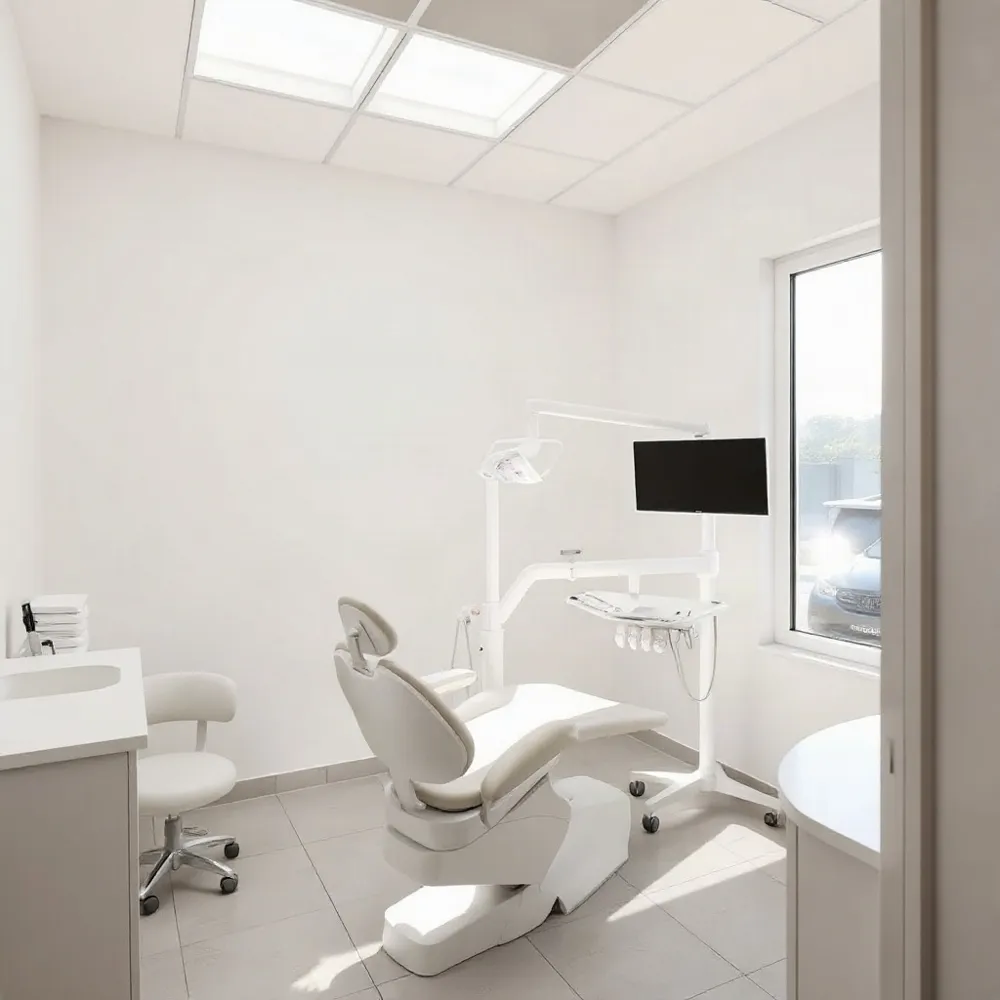
Why Year-Round Preventive Dental Care Matters
Your mouth serves as a window to your overall health, providing vital clues about your well-being. Bacteria from ongoing oral infections can enter the bloodstream and potentially contribute to systemic concerns, including cardiovascular disease and complications during pregnancy. While some providers focus only on addressing damage once it occurs, proactive dental care prioritizes stopping problems before they start.
Climate and seasonal changes often introduce unique challenges. For example, hot summer weather can lead to dehydration, which reduces saliva production and increases the risk of tooth decay, while winter air may trigger sensitivity. Consistent oral hygiene practices, such as brushing twice daily with fluoride toothpaste and flossing once each day, are essential year-round defenses against these fluctuations.
At Loud Family Dental, our team understands that residents of Shreveport, Louisiana, face specific environmental stressors combined with busy daily schedules. We emphasize a community-oriented approach to preventive dentistry, ensuring that regular check-ups remain a priority regardless of the season. By focusing on professional cleanings, early cavity detection, and tailored education, we help our patients maintain long-term health and comfort through every time of year.
The Connection Between Oral Health and Systemic Wellness
 Your mouth serves as a window to your overall health, functioning as a primary gateway where bacteria can enter the respiratory and digestive tracts. While your mouth naturally hosts many germs, consistent routines like brushing and flossing keep these levels in check. At Loud Family Dental, we emphasize that ignoring these habits allows bacteria to reach levels that contribute to more than just cavities or bad breath.
Why is maintaining good oral hygiene important for your overall health?
Maintaining consistent hygiene is essential because oral inflammation and bacteria are scientifically linked to systemic conditions. According to the National Institute of Dental and Craniofacial Research, periodontal disease often manifests as red, swollen, or bleeding gums. If left unaddressed, the inflammatory response associated with severe gum disease can impact your body's ability to maintain equilibrium, potentially complicating your management of other chronic illnesses.
What conditions are associated with neglected dental hygiene?
Complex links exist between the state of your gums and systemic wellness. Medical research often associates periodontitis with increased risks for cardiovascular disease, endocarditis, and pregnancy complications. Additionally, conditions like diabetes can reduce your body's effectiveness in fighting infection, making it harder to control blood sugar levels if oral disease is present. At Loud Family Dental, we integrate this knowledge into our care plans, ensuring that patients understand how simple daily choices directly bolster resistance against broader health challenges.
| Condition | Connection | Clinical Impact |
|---|---|---|
| Diabetes | Harder to manage | Lower immunity |
| Heart Disease | Inflammatory path | Vascular strain |
| Pregnancy | Hormonal sensitivity | Preterm risk |
Mastering the Essentials of Daily Hygiene
 Consistency serves as the foundation of long-term oral wellness. By adopting a reliable daily routine, you can effectively manage the bacterial film known as plaque before it hardens into calculus, which only a professional at Loud Family Dentistry can remove during a standard cleaning.
What is the 2-2-2 rule for dental hygiene?
The 2-2-2 rule acts as a simple, effective benchmark for your home care. This method suggests brushing twice daily for at least two minutes and maintaining professional checkups at least twice per year. Brushing for the full duration is supported by systematic reviews as being more effective at plaque reduction than shorter durations. Using fluoride toothpaste during these sessions provides essential mineral protection for your enamel, while those biannual visits allow the team at Loud Family Dentistry to identify early signs of periodontitis or decay.
What is the recommended order for an effective oral hygiene routine?
Structuring your routine ensures every surface of the mouth receives attention. While flossing first helps loosen debris, the specific tool matters less than your frequency of use. Following this, brush your teeth at a 45-degree angle toward the gumline using a soft-bristled toothbrush. Do not forget to clean your tongue with a dedicated scraper or your brush to reduce overall bacterial loads. Conclude your session with an alcohol-free antibacterial mouthwash to support enamel health and freshen breath.
| Step | Action | Benefit |
|---|---|---|
| Flossing | Clean between teeth | Removes inaccessible plaque |
| Brushing | Two minutes twice daily | Strengthens enamel with fluoride |
| Tongue Care | Scrape or brush tongue | Reduces oral bacteria |
Adapting Your Routine for Summer and Winter Obstacles
 Seasonal shifts in temperature and humidity require intentional adjustments to your oral hygiene practices to protect against unique environmental stressors. During hot summer months, increased physical activity and soaring temperatures can lead to dehydration, which significantly reduces saliva production. Because saliva is necessary to wash away food particles and neutralize acids, staying hydrated by drinking plenty of water is a core preventive strategy, as noted by the CDC. At Loud Family Dental, we encourage patients in the Shreveport area to view water consumption as a primary defense against the dry mouth conditions common in our humid climate.
Winter brings a different set of challenges, including cold, dry air that can trigger tooth sensitivity and discomfort. Many find that using a soft-bristled toothbrush helps manage sensitivity, especially when paired with consistent home oral care routines. Furthermore, seasonal holidays often involve increased sugar intake from sweets and hot drinks. To mitigate decay, we recommend rinsing with water immediately after these treats if you cannot brush right away. Protecting your smile is easier when you replace temporary, quick-fix habits with long-term, consistent preventive care.
- Incorporate sports mouthguards during recreational activities to shield your teeth from impact injuries.
- Chew sugarless gum to stimulate saliva flow if you experience dry mouth due to medications or environmental changes.
- Continue consistent brushing for two full minutes with fluoride toothpaste to harden enamel against seasonal acid exposure.
- Attend regular professional cleanings to remove hardened plaque that home brushing and flossing cannot reach.
What habits can help you keep your teeth healthy?
To maintain a healthy, bright smile, commit to brushing for two full minutes twice a day, ensuring the bristles reach your gum line without rinsing away the protective concentrated toothpaste afterward. Daily flossing is essential to remove food and plaque from tight spaces where your toothbrush cannot reach. Support your dental hygiene by choosing teeth-friendly snacks like vegetables, fruits, and cheddar cheese, while limiting sugary treats to one sitting. If you enjoy sweets, drink water or rinse your mouth immediately afterward to minimize enamel exposure to acids. Finally, schedule regular preventive exams with your dental care provider, as professional cleanings and checkups are vital for identifying and preventing oral health issues before they become serious.
Recognizing Warning Signs and Proactive Detection
Your mouth often provides subtle clues that reveal the health of your smile long before you experience significant discomfort. Recognizing these indicators early allows you to address concerns before they evolve into extensive, costly procedures. At Loud Family Dentistry, we emphasize that proactive care is far more cost-effective than managing advanced decay or emergency restorative work.
What are the common signs of poor oral hygiene?
Common signs of poor oral hygiene include persistent bad breath that does not improve with brushing, as well as swollen, red, or bleeding gums. You may also notice tooth sensitivity, visible plaque or tartar buildup, and a receding gum line, which can indicate the onset of periodontitis. Other warning signs include toothaches, loose or shifting teeth, and mouth sores that do not heal in a timely manner. Additionally, experiencing swelling in the jaw or unexplained tooth discoloration could point toward underlying decay or infection. If you notice any of these symptoms, it is important to contact your dentist to address potential issues before they escalate.
Regular dental visits are essential because some early-stage problems, such as minor enamel erosion, remain invisible to the untrained eye. Professional exams at Loud Family Dentistry incorporate comprehensive screenings that detect cavities and evaluate gum health, ensuring these issues remain manageable. While universal guidelines recommend biannual checkups for most individuals, those with a higher risk of gum disease or recurring decay may benefit from more frequent visits to maintain their long-term oral wellness.
Commit to a Stronger Smile All Year Long
Achieving lasting oral wellness relies on building consistent habits that persist regardless of the calendar. By brushing twice daily for two minutes with fluoride toothpaste and flossing once each day, you remove the plaque that leads to decay and gum complications. Small, daily actions form the foundation, but your long-term health also benefits from professional support.
Loud Family Dental provides the comprehensive preventive care necessary to monitor these patterns throughout the shifting seasons. While many practices offer generic checkups, Loud Family Dental emphasizes tailored oral wellness plans that address specific risks, such as dry mouth or increased sensitivity. Investing in these routine visits is far more cost-effective than managing advanced restorative procedures.
Prioritizing your dental health is an essential investment in your overall quality of life. Scheduling your next examination ensures that a dedicated team can track your progress and provide timely interventions. Contact the team at Loud Family Dental to establish a care schedule that keeps your smile healthy for years to come.