Welcome to Stress‑Free Pediatric Dentistry
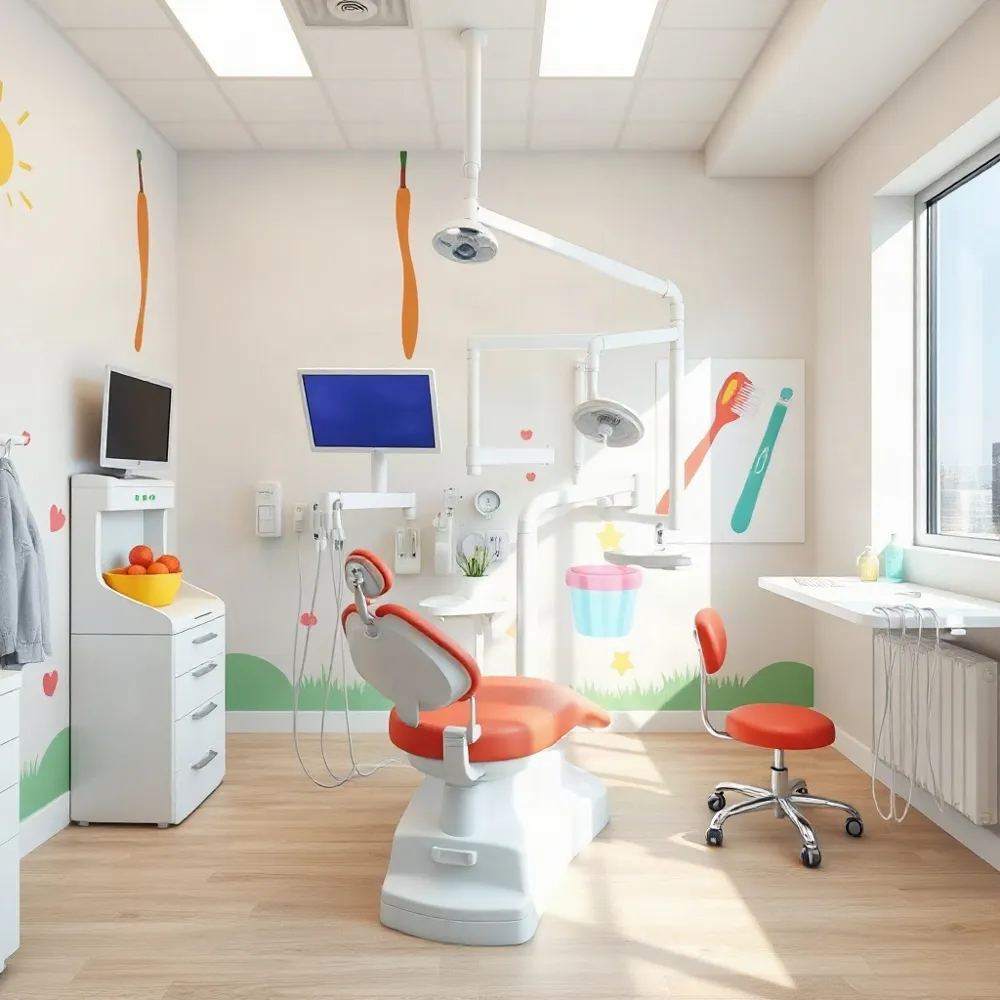
Early dental care sets the foundation for a healthy smile and can catch problems before they become painful. When parents speak positively about the dentist, children mirror that confidence, turning a potential fear into curiosity. At Loud Family Dental we greet families with a bright, kid‑friendly lobby, colorful décor, and a treasure chest of stickers. A parent stays in the room for comfort while the dentist explains each step in simple language and uses gentle distraction tools such as a tablet or music. The visit ends with a small reward, reinforcing a calm, happy association with oral health.
First Dental Visit: Timing, Rules & Finding a Provider
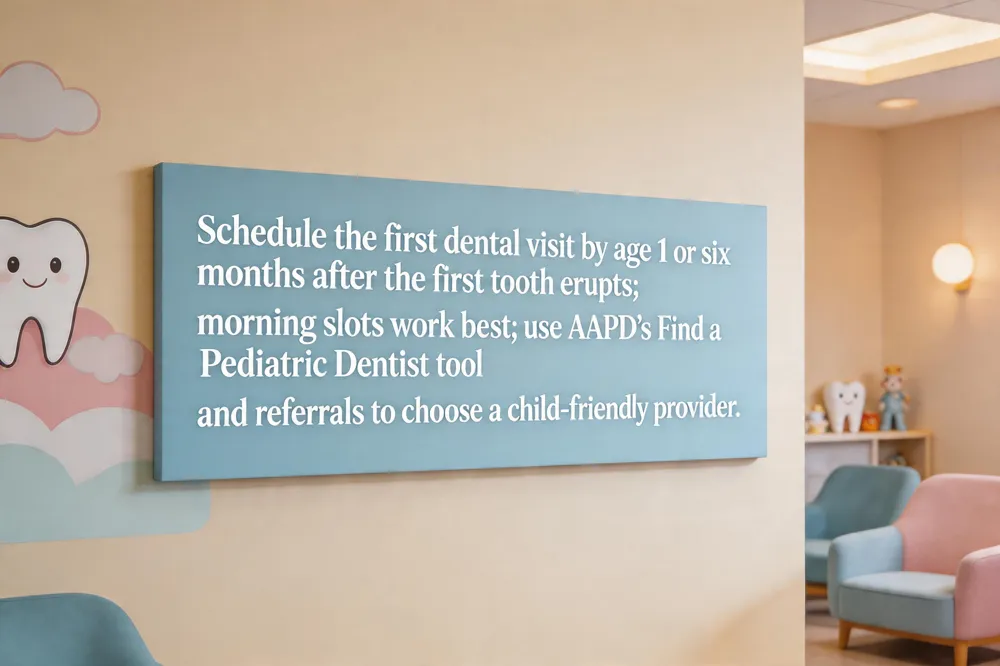 Parents should schedule a child's first dental appointment by the first birthday or within six months of the first tooth erupting, per the American Academy of Pediatric Dentistry. This early visit lets the dentist assess oral development, teach proper brushing and fluoride use, and spot early decay or bite issues, establishing a dental home for lifelong care. A quick reference for eruption is the 7‑4 rule: the first baby tooth appears around seven months, and subtracting four from a child’s age in months estimates the number of teeth (e.g., a 15‑month‑old should have about 11 teeth). By two years, all 20 primary teeth should be present. The “rule of 7” recommends a first orthodontic evaluation at age seven to catch alignment problems early. Morning appointments work best because children are rested and more cooperative. To find a qualified pediatric dentist, use the AAPD’s Find a Pediatric Dentist tool, ask your family dentist for referrals, check your insurance directory, and read online reviews for office atmosphere and child‑friendly amenities. Loud Family Dental welcomes families for these initial exams and can tailor a care plan that fits each child’s needs.
Preparing & Calming Your Child for the First Appointment
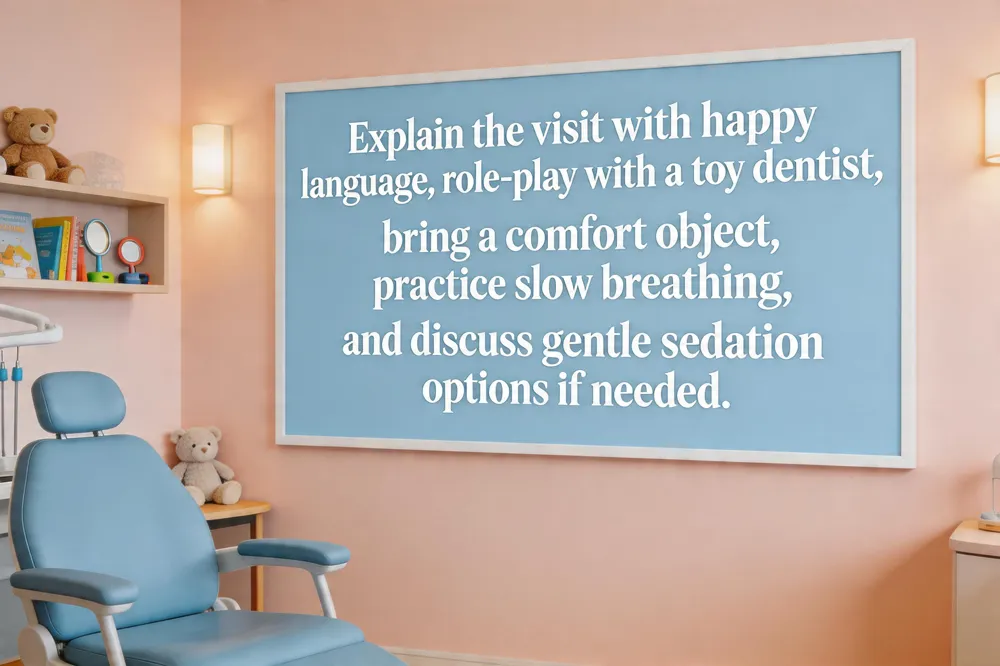 Use simple, happy language: tell your child you’ll meet a friendly “tooth doctor” who will count teeth, show bright lights, and keep their smile shiny. Schedule a morning slot when they’re rested and read picture books such as "Show Me Your Smile!" or watch a short cartoon about a dentist visit. Role‑play with a toy dentist set so the child can touch and explore the tools before the real appointment. Bring a comfort object—favorite stuffed animal, blanket, or a small toy—and keep a parent in the operatory for security. Teach a slow breathing technique: inhale for four counts, hold for two, exhale for four, and practice it together before and during the visit. If anxiety spikes, discuss gentle sedation options with the pediatric dentist ahead of time. After the appointment, praise bravery, give a non‑candy reward, and reinforce the positive experience for future visits.
Everyday Oral‑Health Practices & Simple Tips
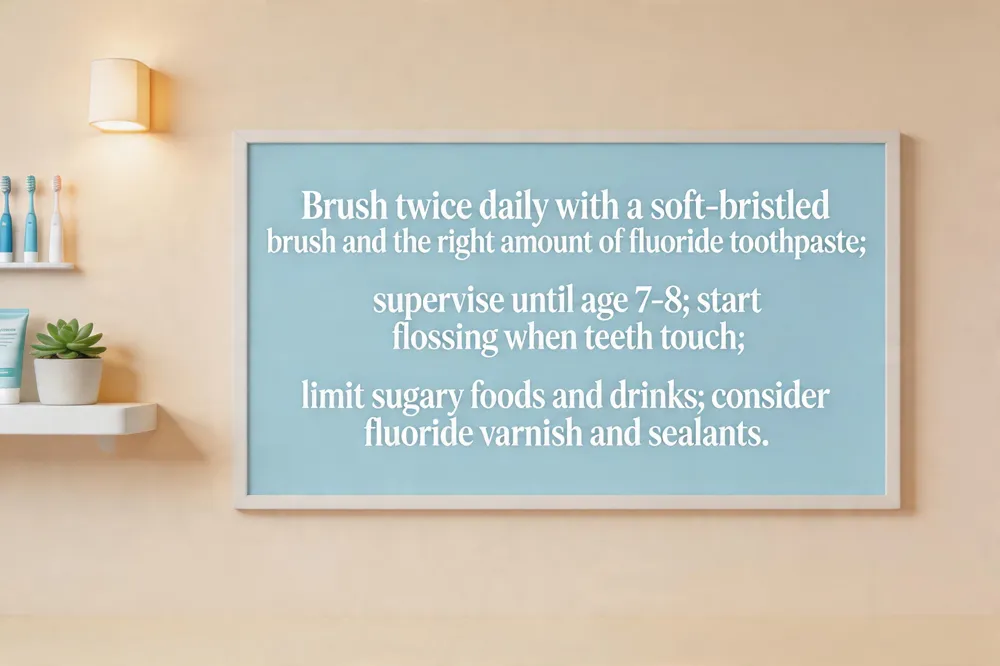 Good oral‑health habits start early. Brush your child’s teeth twice a day with a soft‑bristled brush—use a rice‑grain‑size smear of fluoride toothpaste for infants and a pea‑sized amount once they’re three. Supervise brushing until they can handle the motor skills, usually by age 7‑8, and introduce floss picks as soon as teeth touch. Fluoride strengthens enamel; ask the dentist about fluoride varnish and sealants on newly erupted molars to block decay. Choose water as the primary drink—fluoridated water helps kill oral bacteria and supports remineralization, while plain tea (unsweetened) offers polyphenols that curb plaque. Limit sugary snacks and drinks, especially between meals, and replace them with cheese, leafy greens, or fresh fruit. For occasional pain, ibuprofen (200 mg) every three hours for up to three days can reduce inflammation, but always follow a dentist’s guidance. Regular six‑month check‑ups provide cleanings, early cavity detection, and reinforce these habits.
Why Dental Care Matters & Legal Considerations
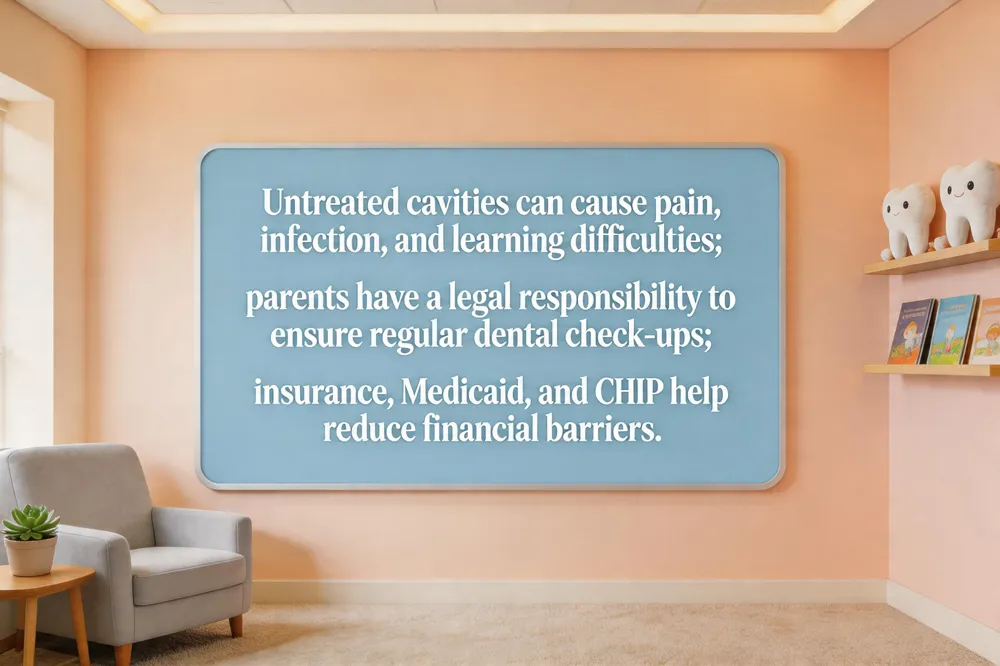 Untreated cavities are the most common chronic disease in U.S. children and can cause pain, infections, and difficulty eating, speaking, and learning. Painful teeth can distract a child in school, leading to poorer academic performance, while chronic decay can affect proper nutrition because kids may avoid healthier foods that require chewing. Early dental visits allow dentists to apply fluoride varnish and sealants—preventive measures that can cut cavity formation by up to 80 %—and to guide the healthy development of primary teeth, which act as a blueprint for permanent teeth and speech formation.
Most states have child‑neglect statutes; while few list dental care explicitly, severe untreated dental disease is often viewed as neglect and can trigger child‑protective intervention. Parents are therefore legally responsible for ensuring timely dental check‑ups, typically every six months.
Insurance coverage, Medicaid, CHIP, and flexible payment plans help families access routine and emergency care, reducing barriers to the preventive treatments that keep children’s smiles healthy and pain‑free.
Putting It All Together: A Stress‑Free Dental Journey
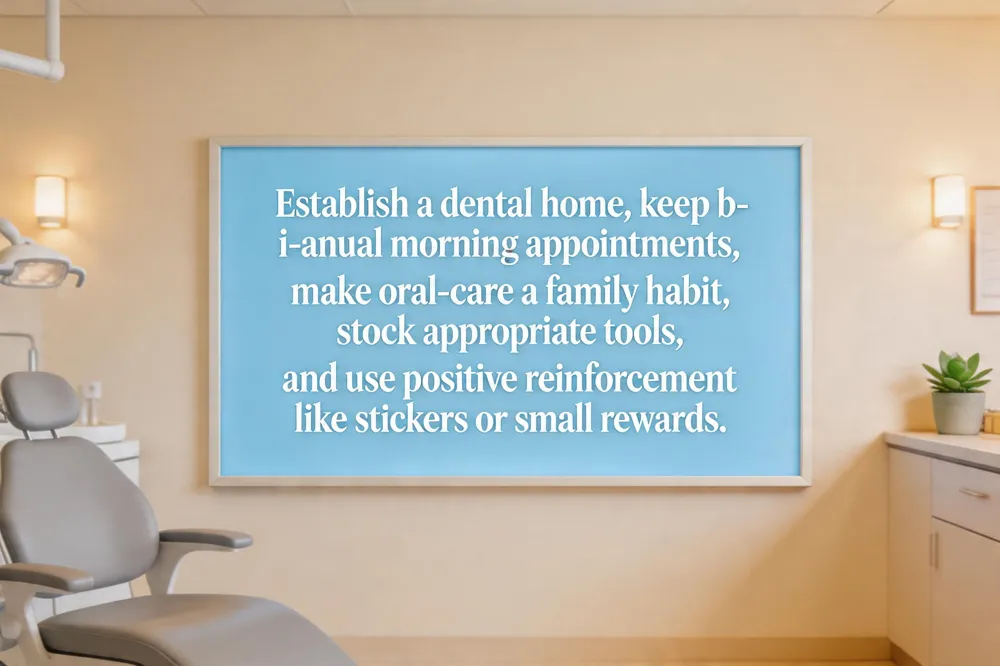 Start early and stay on schedule: the American Academy of Pediatric Dentistry recommends a first visit by the first birthday (or six months after the first tooth appears) and regular check‑ups every six months. Book morning appointments when the child is rested, arrive a few minutes early, and bring a favorite comfort item or a tablet with headphones for distraction.
Make daily oral‑care a family habit. Brush twice a day with a soft‑bristled brush and a pea‑sized amount of fluoride toothpaste ; supervise until the child can spit and brush independently (usually ages 7‑8). Begin flossing as soon as teeth touch use child‑friendly floss picks, limit sugary snacks and drinks and encourage water and calcium‑rich foods.
Stock the home with the right tools: a small‑head toothbrush, age‑appropriate fluoride toothpaste, a timer or two‑minute song, floss or flossers, and a custom‑fit mouthguard for sports.
Next steps for families: schedule a dental home with a pediatric‑trained dentist, set up a reminder for biannual visits, discuss preventive options such as sealants and fluoride varnish, and use positive reinforcement—stickers, praise, or a small reward after each appointment to build confidence and make future visits a breeze.
Your Path to Happy, Healthy Smiles Starts Today
Starting dental care early gives children a calm, confident start. A first visit by age one lets a child see bright, kid‑friendly décor, meet a gentle team, and learn that the dentist’s tools are safe, turning a potential fear into a fun adventure. When families keep brushing twice a day with the right amount of fluoride toothpaste and supervise flossing, the clean teeth seen at the office stay healthy between appointments. Loud Family Dental in Shreveport provides a welcoming environment, personalized guidance, and flexible scheduling, making preventive care easy and enjoyable for every family and support your child's bright future.