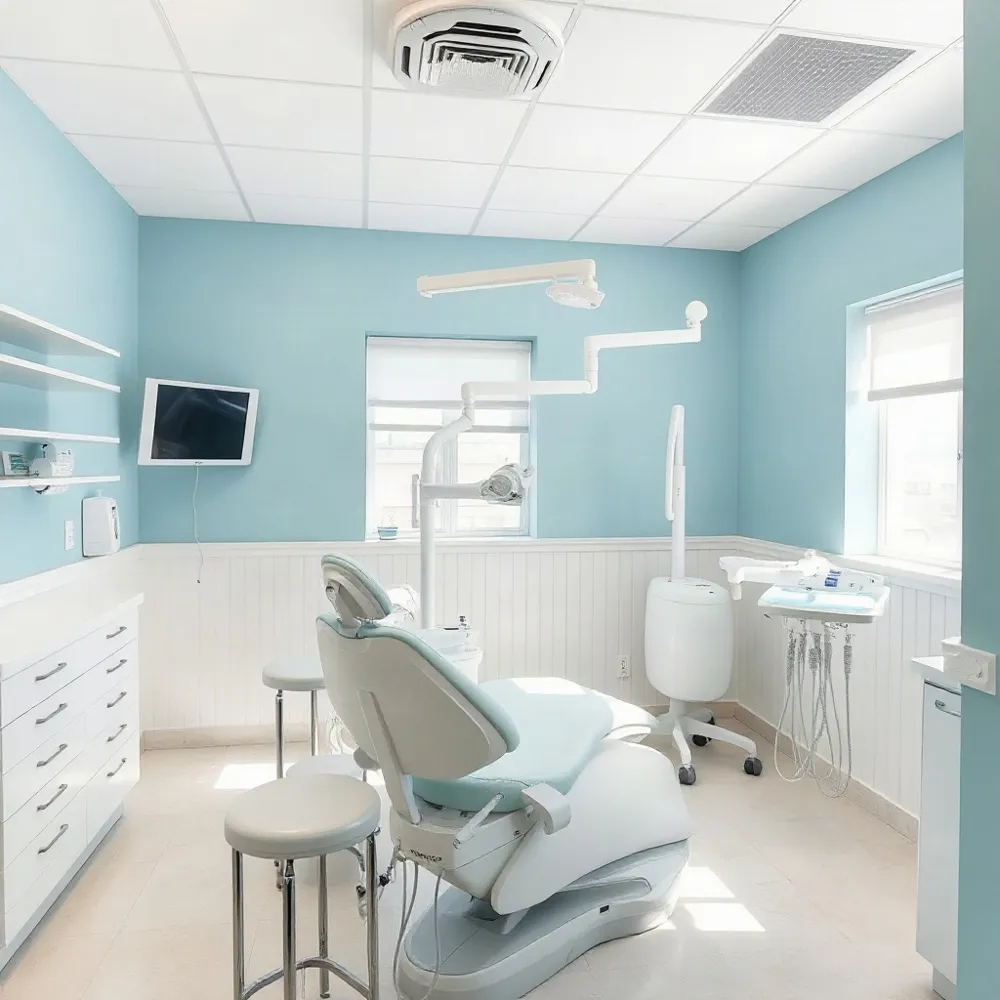
Understanding the Role of Restorative Dental Care
Restorative dentistry is a specialized field focused on repairing or replacing damaged or missing teeth to improve overall oral health and chewing function Restorative Dentistry: What It Is, Types & Procedures. Unlike procedures primarily designed for aesthetics, these treatments are medically necessary to restore the comfort, bite efficiency, and structural integrity of your teeth.
Restoring proper function is foundational to your long-term wellness. When chewing is impaired by decay or tooth loss, it can impact your nutrition and increase the risk of systemic health issues Restorative Dentistry: What It Is, Types & Procedures. At Loud Family Dental, we emphasize a proactive approach to care. By detecting and treating conditions like cavities or structural damage early, we help you avoid more invasive and costly interventions down the road.
Our community-focused clinic in Shreveport, Louisiana, provides professional treatment plans customized to your unique needs. Whether you require a simple filling or a more complex reconstruction, our team prioritizes your comfort during every stage of the process to ensure you can return to eating, speaking, and smiling with confidence.
Goals and Conditions Addressed by Restorative Dentistry
 The primary goal of restorative dentistry is to repair or replace damaged or missing teeth to improve your long-term oral health and restore essential functions like chewing, speaking, and eating Restorative Dentistry: What It Is, Types & Procedures. By focusing on both health and integrity, these procedures help return your smile to its natural, functional state. At Loud Family Dental, we prioritize restorative care as a way to maintain your comfort and overall physical well-being.
Restorative dentistry is essential for treating common conditions such as tooth decay, cavities, and broken or cracked teeth. It also plays a vital role in replacing missing teeth to prevent further complications like bone loss or the shifting of adjacent teeth. While some providers treat these issues in isolation, our approach at Loud Family Dental emphasizes proactive intervention. By addressing decay early, we help you avoid more invasive and costly procedures, such as extractions or complex root canal therapies.
Whether through fillings, crowns, or bridges, these restorative techniques ensure your mouth remains healthy and fully functional. A study of 150 patients found that restorative implants, for example, significantly improve quality of life and chewing efficiency Patient Satisfaction and Quality of Life Outcomes Following .... By choosing Loud Family Dental, you benefit from personalized treatment plans that focus on long-term structural integrity rather than quick, temporary fixes that may not hold up to daily wear.
Essential Differences Between Basic and Major Procedures
 Dental insurance often separates restorative work into distinct categories based on their complexity, which dictates how the cost is shared between you and your provider. At Loud Family Dental, we help you navigate these coverage tiers by clearly explaining what counts as a routine repair versus a more extensive reconstruction.
Basic procedures. These are generally routine, essential interventions designed to halt active decay or minor damage. Typical examples include composite fillings and simple extractions. Because these are primary measures for preserving tooth structure, insurance plans often provide higher coverage for these services.
Major procedures. This category involves comprehensive treatments such as dental crowns, bridges, and dentures that rebuild significant portions of a tooth or replace missing ones. These services are more labor-intensive, often requiring precise modeling or specialized laboratory fabrication to ensure the final restoration fits perfectly. While foundational to your long-term oral health, these procedures are frequently subject to lower insurance reimbursement rates than basic tasks.
Understanding this distinction is useful for managing your financial planning. We prioritize an educational approach to ensure you understand your out-of-pocket considerations before beginning treatment. Choosing early intervention for a cavity can often keep a procedure within the basic category, preventing the shift toward more complex and costly major alternatives.
The Importance and Function of Dental Fillings
 Dental fillings serve as a primary direct restoration, functioning as the first line of defense against tooth decay. By removing decayed tissue and sealing the breach with durable materials, this procedure stops structural loss before it requires more complex intervention. At Loud Family Dental, we focus on identifying these issues early to preserve as much natural tooth structure as possible.
Are dental fillings considered a form of restorative dentistry?
Yes, dental fillings are a primary form of restorative dentistry. This treatment is used to repair teeth affected by cavities, minor chips, or cracks, helping to return them to their natural shape, strength, and function. Fillings fall into the category of direct restorations because your dentist can typically place and shape the material within your tooth during a single office visit. By filling the damaged area, this procedure not only restores the tooth's structure but also seals out harmful bacteria to prevent further decay. Whether using composite resin, amalgam, or glass ionomer, the goal of a filling is to protect your long-term oral health and keep your smile functioning at its best.
The efficacy of a single-visit procedure stems from the properties of modern materials designed to bond directly to the tooth. These materials act as a protective barrier, preventing bacterial infiltration that would otherwise reach the sensitive inner pulp. Our team at Loud Family Dental utilizes modern adhesive resins that offer both superior durability and a natural aesthetic blend. This balance of function and form ensures that a simple filling remains a cost-effective, time-saving solution for achieving oral health.
Options for Repairing and Rebuilding Teeth
When managing damaged or decayed teeth, dentists utilize a variety of restorative procedures to restore both function and appearance. For smaller areas of damage or cavities, dental fillings and bonding are common options that involve applying material directly to the tooth. In cases where the damage is more extensive, inlays and onlays are custom-made restorations that fit onto your natural tooth structure like a puzzle piece. For teeth requiring significant structural support, dental crowns act as a protective cap to restore both strength and aesthetics. At Loud Family Dental, we tailor these solutions to ensure your comfort and long-term health, contrasting with providers who might offer a one-size-fits-all approach without evaluating your specific oral history.
Common procedures used to repair and rebuild damaged teeth
Beyond surface fixes, structural integrity often requires more intensive intervention. Root canal therapy is a restorative procedure that removes infected dental pulp to save a tooth, which is typically followed by a crown for necessary structural support Restorative Dentistry: What It Is, Types & Procedures. While some offices may refer you to multiple specialists for this complex process, our team at Loud Family Dental manages these treatments with an emphasis on personalized dental care to ensure you remain both comfortable and informed throughout the recovery.
Inlays and Onlays. These act as intermediate restorations between a simple filling and a full crown. They are ideal for moderate decay or fractures where enough healthy tooth structure remains to support the restoration.
Bonding. This technique applies tooth-colored composite resin to repair minor aesthetic issues, such as small chips or discoloration. It is a minimally invasive way to rejuvenate your smile.
Crowns. A crown serves as a durable shell that fully covers a damaged tooth. This reinforces the tooth structure while mimicking the light-reflecting properties of natural enamel for a seamless finish.
Comparing Dental Implants to Traditional Dentures
Selecting an optimal tooth replacement strategy involves weighing your immediate needs against long-term oral health stability. Traditional dentures are often viewed as a cost-effective, non-invasive initial solution for missing teeth. However, they are removable prosthetics that do not integrate with the jaw, which can lead to ongoing bone resorption and alterations in your facial structure over time.
At Loud Family Dental, we prioritize dental implants as the gold standard for long-term function because they act like artificial tooth roots. This integration stimulates the underlying jawbone, actively preventing the bone loss commonly associated with conventional dentures. While surgery is required, the resulting stability allows patients to eat and speak without the common worry of slipping or discomfort.
Dental implants offer superior long-term clinical success compared to traditional options, with studies indicating that patients frequently report significant improvements in chewing efficiency and overall quality of life per a study in PMC. While traditional dentures may necessitate more frequent relining as mouth anatomy changes, implants represent a durable, fixed investment in your oral structure. For patients seeking the advanced stability of implants alongside the versatility of a removable piece, implant-retained dentures offer a balanced middle ground that outperforms standard gum-supported models.
| Feature | Dental Implants | Traditional Dentures |
|---|---|---|
| Bone Support | Stimulates bone | Causes resorption |
| Stability | High/Fixed | Lower/Removable |
| Longevity | Decades | Moderate/Requires change |
Restorative Versus Cosmetic Dentistry: Understanding the Nuance
While both restorative and cosmetic dental options aim to improve your smile, they address distinct clinical needs. Restorative Dentistry in Shreveport, LA focuses primarily on repairing damaged or missing teeth to restore essential functions such as chewing and speaking, whereas cosmetic procedures typically center on enhancing the aesthetic appeal of your smile.
What is the difference between restorative dentistry and cosmetic dentistry?
Restorative dentistry is medically necessary to resolve structural issues like decay or fractures, often utilizing dental crowns or implants. Conversely, cosmetic treatments are often elective, focusing on visual improvements such as color or shape. At loudfamilydentistry.com, we prioritize functional health first, though modern materials often allow restorative work to look naturally aesthetic.
Many patients find that their path to a better smile involves a blend of both. When you repair a compromised tooth, you often gain an aesthetic benefit as a secondary result of the restoration. This synergy ensures that your personalized dental treatment plans address long-term health while delivering the beautiful, uniform look that boosts your patient confidence.
Prioritizing Your Oral Health for Future Well-Being
Taking a proactive approach to dental care is one of the most effective ways to preserve your natural smile and overall quality of life. Choosing early intervention for tooth decay or minor damage often prevents more complex, invasive procedures, such as root canals or extractions Restorative Dentistry: What It Is, Types & Procedures. By addressing small issues during routine check-ups at Loud Family Dental, you avoid the discomfort and higher costs associated with major reconstructive work.
Oral health is deeply connected to your systemic well-being. Chronic conditions, such as untreated infections or ongoing inflammation from periodontal issues, may contribute to significant health challenges elsewhere in the body. Research consistently highlights the value of maintaining a stable, healthy mouth, as it directly impacts your nutritional intake and ability to thrive physically.
If you have concerns about your dental health or simply need a routine evaluation, we encourage you to schedule a consultation at our clinic. Whether you are addressing specific discomfort or interested in learning more about how personalized dental treatment plans can support your long-term comfort, our team is dedicated to providing high-quality care that protects your future health.