Why Proper Braces Hygiene Matters
Braces create extra nooks and crannies where plaque can cling to brackets, wires, and bands. If plaque isn’t removed promptly, the acids it produces cause enamel demineralization, leading to cavities, gum inflammation, and the dreaded white‑spot lesions that may become permanent. For residents of Shreveport, the warm, humid climate encourages bacterial growth, making diligent cleaning even more critical. This article will first explain how plaque attacks orthodontic hardware, then outline the health risks of untreated decay and gum disease, and finally discuss why local factors—such as regional diet habits and water fluoridation—shape a personalized oral‑care routine. By understanding these connections, patients can protect their teeth, shorten treatment time, and enjoy a healthier smile after braces are removed.
Essential Daily Oral‑Hygiene Routine
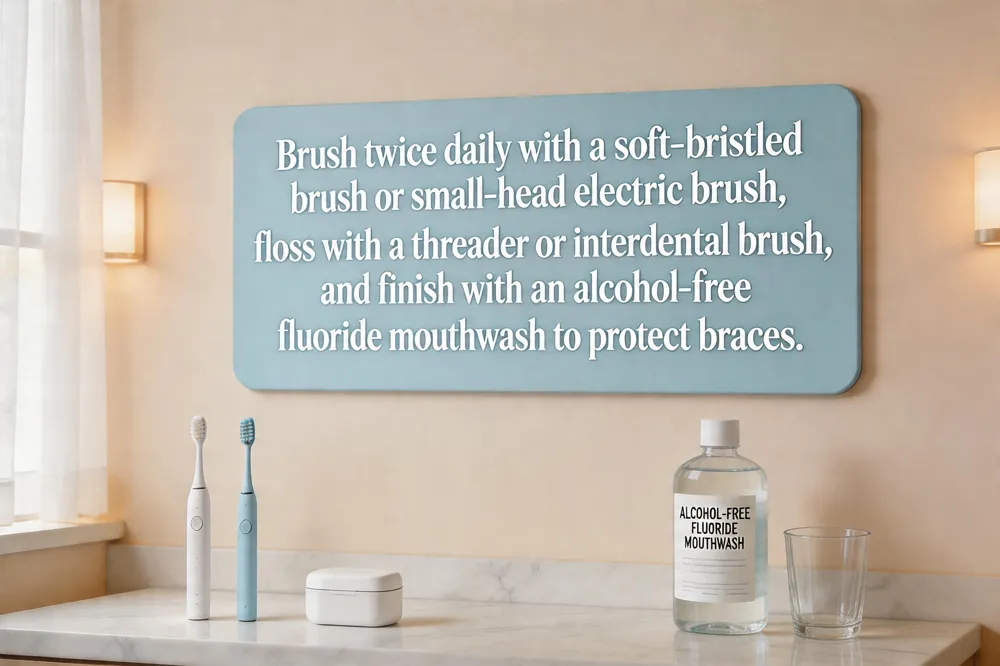 Braces add extra surfaces where plaque loves to hide, so a diligent routine is vital. Brush at least twice a day—ideally after every meal—with a soft‑bristled manual brush or a small‑head electric toothbrush. Hold the brush at a 45‑degree angle to the gum line and use gentle circular motions for a full two minutes, paying special attention to brackets, wires, and the gumline. Replace the brush or electric head every three months or sooner if theistles fray.
Flossing is non‑negotiable; a floss threader, interdental (proxabrush) brush, or a water flosser can slip beneath the archwire and clean the tight spaces between teeth. Do this once a day, or after meals when possible, to remove trapped debris that a toothbrush can’t reach.
Finish each cleaning with an alcohol‑free fluoride mouthwash for 30 seconds. Fluoride strengthens enamel and helps prevent demineralization and white‑spot lesions, while antibacterial agents lower bacterial load and freshen breath.
Poor oral hygiene with braces: Inadequate cleaning leaves plaque on brackets and wires, leading to inflamed gums, bad breath, cavities, and white‑spot lesions. Consistent brushing, flossing with threaders, and fluoride rinses prevent these problems.
Oral hygiene in orthodontic patients: Brush three times daily, floss daily with threaders or interdental brushes, rinse after sugary foods, and limit hard, sticky snacks. Regular professional cleanings every six months keep gum health on track.
How to brush with an electric toothbrush: Turn the brush on before placement, hold it at 45 degrees, and move slowly in circular motions over each tooth, especially around brackets and wires. Use the built‑in timer and a low‑power setting to protect the hardware.
How to brush for the first time: Rinse, apply fluoride toothpaste, brush at 45 degrees for two minutes, then use a proxabrush and floss threader to clean under wires. Brush after every meal and replace the brush regularly.
Dental hygiene with braces: Brush five times a day for five minutes total, floss with threaders, finish with fluoride or antimicrobial mouthwash, avoid hard or sticky foods, and see your dentist for cleanings at least twice a year.
Step‑by‑Step Post‑Meal Cleaning
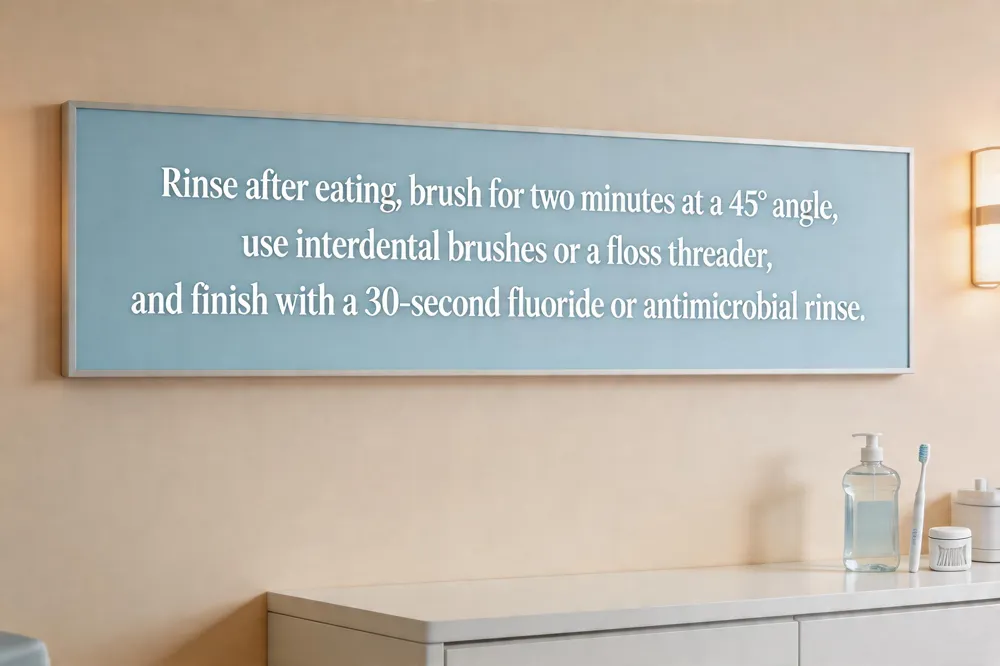 Braces trap food, so a quick rinse with water right after eating helps loosen debris before brushing. Use a soft‑bristled orthodontic toothbrush with a pea‑size amount of fluoride toothpaste, angle it at 45° to the gum line, and spend at least two minutes cleaning each tooth, bracket, and wire. Follow brushing with interdental (cone‑shaped) brushes or a floss threader to reach the tight spaces under wires and between teeth; a gentle back‑and‑forth motion works best. If you own a water flosser, pulse a steady stream of water along the brackets to flush out remaining particles. Finish the routine with a 30‑second rinse of an antimicrobial or fluoride mouthwash to kill bacteria and reinforce enamel. Repeat this sequence after every meal, waiting 30 minutes after acidic foods before brushing to protect softened enamel. Carry a travel kit—brush, floss picks, interdental brush, and mouthwash—so you can maintain the same thorough cleaning at school, work, or on the go.
Managing Discomfort and Preventing Pain
 Braces create pressure points that can feel sore after adjustments. Over‑the‑counter pain relievers such as ibuprofen or acetaminophen taken an hour before a visit can lessen inflammation. A cold compress or sipping ice‑cold water for 10‑15 minutes numbs the area, while rinsing with warm salt water (½ teaspoon salt in 8 oz water) several times daily soothes irritated gums. Orthodontic wax, softened between fingers and pressed onto any bracket or wire that rubs the cheek, lip or tongue, provides immediate relief. Soft, cool foods—yogurt, smoothies, applesauce, mashed potatoes—reduce chewing stress; avoid hard, sticky or chewy items that can snag hardware and worsen soreness. For new wearers, brush after every meal with a soft‑bristled brush at a 45° angle, floss with a threader or interdental brush, and keep a travel kit handy. Consistent oral hygiene prevents plaque that can cause enamel demineralization, which often appears as yellowing around brackets. Acidic drinks and foods, plus inadequate cleaning, promote discoloration. Using fluoride toothpaste and rinses, and limiting sugary or acidic beverages, helps keep teeth bright throughout treatment.
Portable Care Kits for School, Work, and Travel
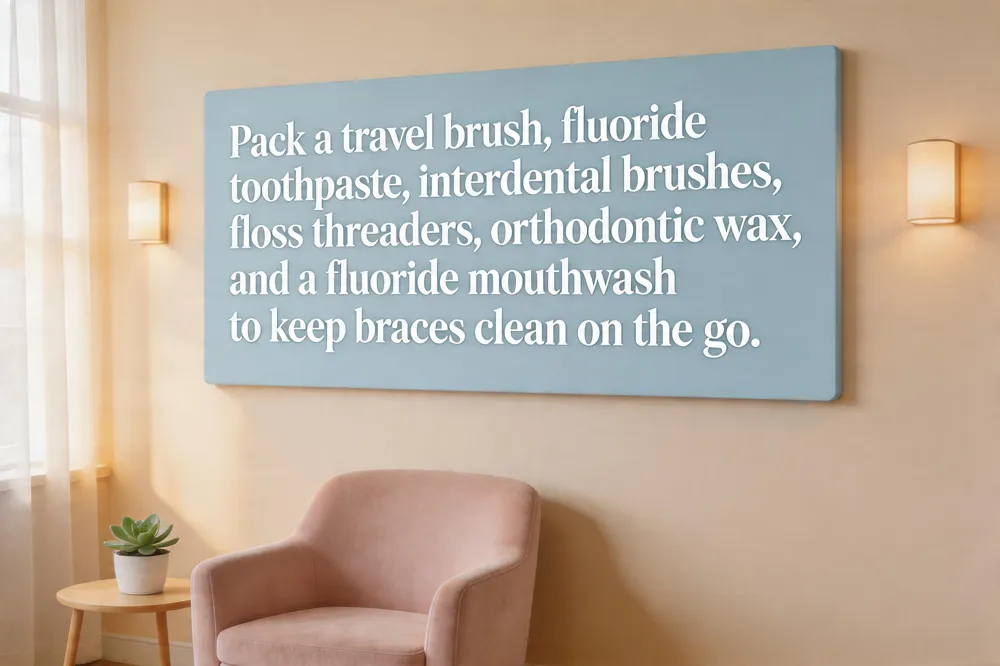 A well‑stocked braces‑care kit makes oral hygiene easy no matter where you are.
Essential items for a braces‑friendly kit – Include a soft‑bristled or orthodontic‑specific travel toothbrush, fluoride toothpaste, a small pocket mirror, and a bottle of water for rinsing. Add interdental (interproximal) brushes, floss threaders or pre‑threaded floss, and orthodontic wax to soothe irritated brackets or wires. A fluoride‑rich mouthwash or rinse completes the set.
Using kits at school or on the go – Keep the kit in your backpack, locker, or purse. After every meal or snack, brush for at least two minutes, floss with a threader, and rinse. If you can’t brush immediately, a quick water rinse and a swipe with a mini interdental brush helps remove loose debris. Apply orthodontic wax to any sharp hardware that hurts your cheeks or lips.
Braces cleaning tools and products – Soft‑bristled brushes with a small round head, interdental brushes (sizes 0‑2), floss threaders, and a water flosser are the most effective. Complement brushing with a fluoride mouthwash (e.g., ACT) and use a pocket mirror to check hard‑to‑see spots.
Quick fixes for emergencies – Carry a spare piece of orthodontic wax and a small pain reliever. If a bracket becomes loose, apply wax to protect the area and contact your orthodontist promptly. A travel‑size mouthwash can freshen breath and reduce bacterial load between appointments.
Answers to common questions
- Braces cleaning kit: A compact set with toothbrush, interdental brushes, floss threaders, wax, and fluoride rinse that lets you remove plaque and food particles after meals, protecting enamel and gums.
- Braces hygiene kit: Similar to a cleaning kit but may also include a disposable water bottle or rinse cup for on‑the‑go use.
- How to take care of braces at school: Keep a mini kit in your locker, brush and floss after lunch, use wax for irritation, and choose soft, braces‑friendly foods.
- Braces cleaning tools: Soft toothbrush, interdental brushes, floss threaders, water flosser, mirror, and wax.
- Braces care products: Soft‑bristled or round‑head brush, interdental/proxy brushes, floss picks, orthodontic wax, fluoride mouthwash, and optional water flosser.
With these tools and habits, you’ll keep your braces clean, your gums healthy, and your treatment on track wherever life takes you.
Long‑Term Maintenance, Common Concerns, and Finding the Right Professional
 After braces are removed, teeth can still shift because the bone and periodontal ligaments keep remodeling. The safest way to keep your smile stable is lifelong retainer wear—usually a night‑time removable retainer that acts like a "glue" while tissues fully settle. Skipping it may lead to crowding, spacing, or bite changes that could require another round of treatment.
Orthodontic options vary: Traditional metal braces, tooth‑colored ceramic brackets, lingual braces placed behind the teeth, and removable clear aligners such as Invisalign. Self‑ligating brackets and custom retainers provide faster adjustments. Severe skeletal issues may need orthognathic surgery combined with braces. Choosing the right appliance depends on case complexity, aesthetics, budget, and age.
Understanding common abbreviations—AP (Anterior‑Posterior), CAN (Clear Aligner Therapy), IPR (Interproximal Reduction), TAD (Temporary Anchorage Device), etc.—helps you follow your plan. An orthodontic hygienist cleans around brackets, teaches floss‑threader and interdental‑brush techniques, and monitors gum health. Orthodontic assistants handle archwires, brackets, and adjustments during visits.
To find a good orthodontist, ask your dentist for referrals, verify board certification with the AAO, and compare at least two consultations for treatment plans, costs, and comfort level. Check that the practice accepts your insurance and offers flexible hours. Regular professional cleanings every six months, even with braces, remove plaque and tartar that a toothbrush can miss, applying fluoride afterward to protect enamel. Staying on schedule with appointments and retainer wear ensures the results you earned last a lifetime.
Your Braces Journey Starts with Consistency
Keep your braces clean to ensure successful treatment. Brush twice daily with an electric brush, holding it at a 45‑degree angle to the gum line and brushing for at least two minutes to cover each tooth, bracket and wire. Floss or use a threader, interdental brush, or water flosser for tight spaces under wires. Rinse with fluoride mouthwash after meals and carry a travel kit daily. Cleanings six months and orthodontic check‑ups 4–6 weeks let the dentist monitor plaque, white‑spot lesions and gum health. Loud Family Dental in Shreveport offers orthodontic care and resources to keep your smile on track.