Why Daily Care Matters
Consistent daily oral care—brushing twice with fluoride toothpaste, flossing, tongue cleaning, and using an alcohol‑free antibacterial mouthwash—keeps plaque low enough that professional cleanings can focus on removing hardened tartar rather than treating widespread decay. When patients maintain these habits, dentists spend less time on extensive restorative work and more on preventive measures, making each six‑month visit quicker and more effective. Beyond a brighter smile, good oral hygiene reduces systemic inflammation, lowering the risk of heart disease, stroke, diabetes, and certain cancers. It also supports healthy blood sugar levels and improves pregnancy outcomes. In short, diligent home care creates a healthier mouth and a healthier body, maximizing the benefit of every professional appointment throughout the year and enhances overall wellbeing daily.
Fundamentals of a Daily Oral‑Care Routine
 Keeping your teeth healthy is simple when you follow a consistent routine.
10 ways to keep your teeth healthy – 1. Brush twice a day with fluoride toothpaste and replace the brush every 3‑4 months. 2. Floss or use interdental cleaners daily. 3. Limit sugary and acidic foods, choose a calcium‑rich diet and drink fluoridated water. 4. Use an ADA‑approved fluoride mouthwash, avoid tobacco and consider sealants. 5. Visit the dentist for check‑ups and professional cleanings at least twice a year.
Oral hygiene instructions – Brush for at least two minutes, using a soft‑bristled brush held at a 45‑degree angle to the gumline. Apply a pea‑sized amount of fluoride toothpaste. Floss once daily with a C‑shaped motion to clean between teeth and below the gum edge. Rinse with an alcohol‑free antibacterial or fluoride mouthwash. Replace the brush every three months or when bristles are frayed.
What is the daily routine for dental hygiene? – Morning and night brushing, two‑minute duration, followed by flossing and a fluoride mouthwash. Keep your toothbrush clean, store it upright, and stay hydrated to support saliva flow. Consistency and professional care together protect against decay, gum disease and systemic health risks.
The Order of Operations: Brushing, Flossing, Mouthwash, Tongue Cleaning
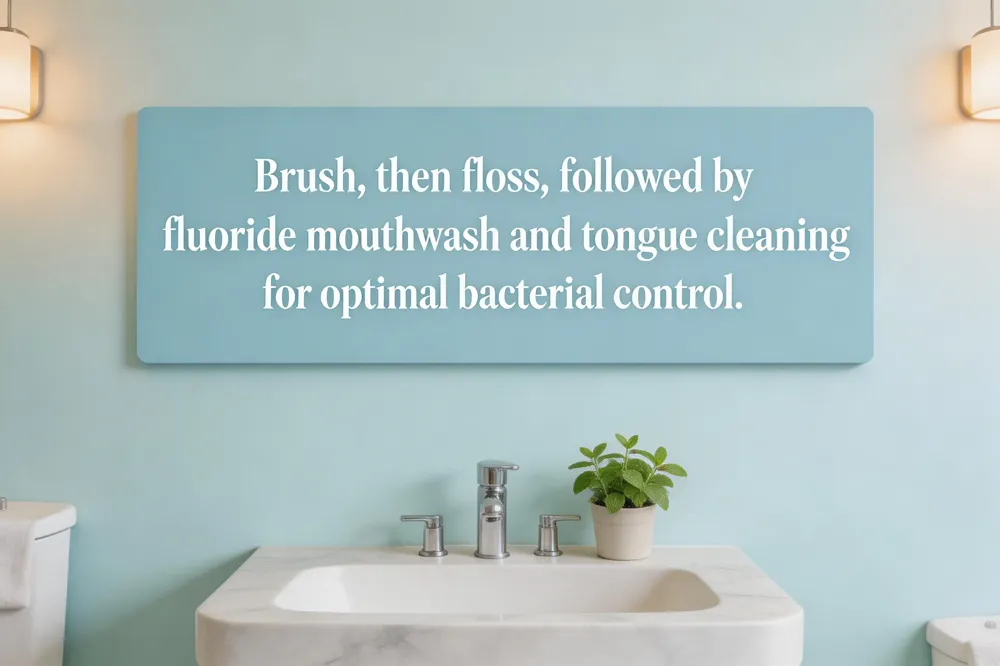 A well‑ordered oral‑hygiene routine maximizes bacterial control and protects enamel. 1. Rinse and brush – Begin by rinsing with water to loosen debris, then apply fluoride toothpaste and brush all surfaces for two minutes, holding the brush at a 45° angle to the gum line. This removes the bulk of plaque and delivers decay‑fighting fluoride. 2. Floss – After brushing, glide a piece of floss in a C‑shaped motion around each tooth, using about 10 up‑and‑down strokes to clear interproximal spaces that the brush can’t reach. Flossing removes hidden plaque and food particles, preventing gingivitis. 3. Mouthwash – Swish an alcohol‑free antibacterial or fluoride mouthwash for 30 seconds. The rinse kills residual microbes, strengthens enamel, and reduces plaque buildup. Give it a minute before eating or drinking for optimal effect. 4. Tongue cleaning – Finish with a tongue scraper or gentle tongue brush to eliminate the bacterial reservoir that causes bad breath and can recolonize the mouth. Tips for success: Use a timer for the two‑minute brush, replace your toothbrush every three to four months, and store it upright to dry. Following this sequence twice daily supports a healthier smile and lowers the risk of decay, gum disease, and systemic health issues.
Supporting a Healthy Oral Microbiome
 A balanced oral microbiome is a thriving community of good bacteria—such as Streptococcus sanguinis and Lactobacillus species—that keep harmful microbes in check, maintain a neutral pH, and protect gum tissue. When diet and lifestyle tilt toward high‑sugar, acidic foods, or tobacco use, acid‑producing pathogens like Streptococcus mutans dominate, leading to plaque, cavities, and inflammation.
Healthy oral bacteria – Beneficial microbes outcompete disease‑causing bacteria, produce antimicrobial compounds, and support a stable pH, reducing the risk of decay and periodontal disease.
Benefits of oral hygiene – Twice‑daily brushing with fluoride toothpaste, daily flossing, and routine dental cleanings remove plaque, lower bacterial load, and preserve the good‑bacteria balance, which also influences systemic health.
Oral health tips for adults – Brush twice a day, floss nightly, limit sugary/acidic foods, stay hydrated with fluoridated water, avoid tobacco, and keep up with dental check‑ups.
Wellness daily tips for teeth – Start the day with a two‑minute brush, rinse after meals, floss or use a water‑flosser daily, chew sugar‑free gum to boost saliva, and finish with a nightly floss before bed.
Professional Care and Its Role
 Importance of oral hygiene in life: Good oral hygiene prevents cavities, gum disease and bad breath. Brushing twice with fluoride toothpaste removes plaque, keeping harmful bacteria from the bloodstream and lowering risks such as heart disease and diabetes. Dental check‑ups reinforce habits and catch problems early.
Dental tips and tricks: Use a soft‑bristled brush at a 45° angle, brush two minutes a day, and replace it every three to four months. Floss or use an interdental cleaner daily; a water flosser reaches difficult areas. Choose an ADA fluoride toothpaste, limit sugary snacks, and chew sugar‑free gum after meals.
What do dental hygienists do on a basis? They examine mouths, remove plaque and tartar with hand or ultrasonic tools, polish teeth, apply fluoride or sealants, take X‑rays, and educate patients on gear.
Signs of poor oral hygiene: Persistent bad breath, swollen or bleeding gums, visible plaque or tartar, frequent cavities and receding gums indicate inadequate care.
Oral hygiene PDF: Download our free guide for daily brushing, tips and visit schedule.
Special Considerations and Lifestyle Factors
 Nutrition, tobacco, and systemic health: A diet rich in calcium, vitamin D, phosphorus and fibrous raw vegetables strengthens enamel, stimulates saliva and helps neutralize acids. Fluoridated water and low‑sugar foods further protect teeth, while tobacco, excessive alcohol and uncontrolled diabetes increase plaque, gum inflammation and the risk of heart disease, stroke and respiratory infections.
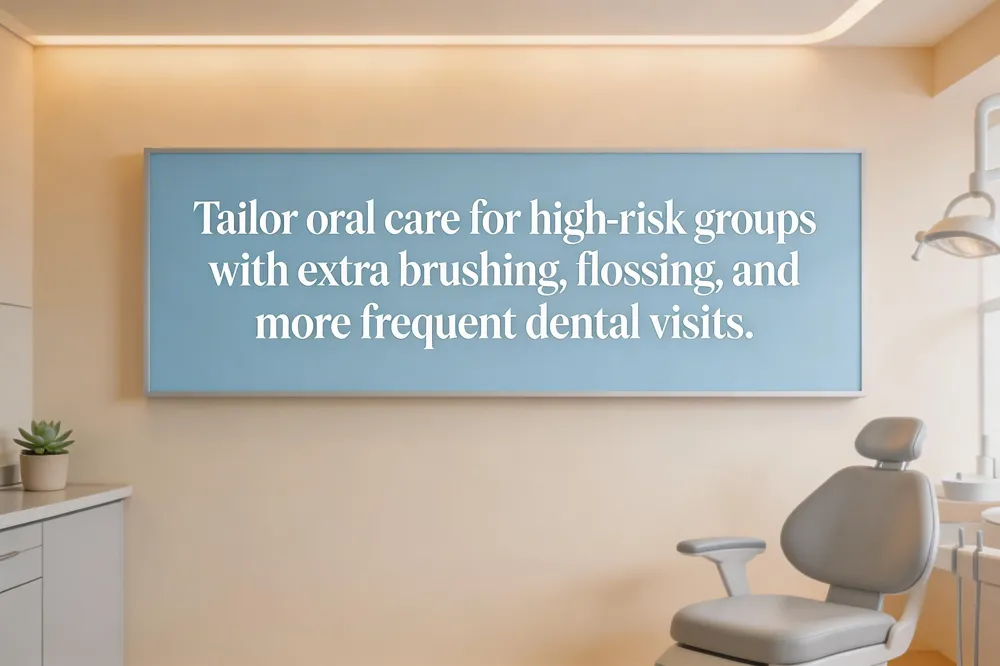
Rules and tricks for high‑risk groups: People with diabetes, osteoporosis or a history of cavities should brush twice daily with a soft‑bristled brush at a 45° angle, floss or use interdental cleaners every night, and see the dentist every three‑to‑four months for professional cleanings. Replacing the brush (or electric head) every three months and using an alcohol‑free antimicrobial mouthwash adds extra protection.
Natural ways to protect teeth: Chewing sugar‑free gum or raw crunchy vegetables after meals boosts saliva flow; occasional oil‑pulling with coconut oil can reduce bacterial load. A simple oil3‑3‑3 rule—brush three times a day for three minutes, avoid immediate rinsing, and replace the brush every three months—helps keep plaque low.
Oral health is a mirror to general health: The mouth shares blood vessels and immune responses with the rest of the body, so gum disease can signal or worsen heart disease, diabetes and other systemic conditions. Maintaining good oral hygiene and regular dental visits supports both a bright smile and overall well‑being.
Putting It All Together: A Comprehensive Plan for Families
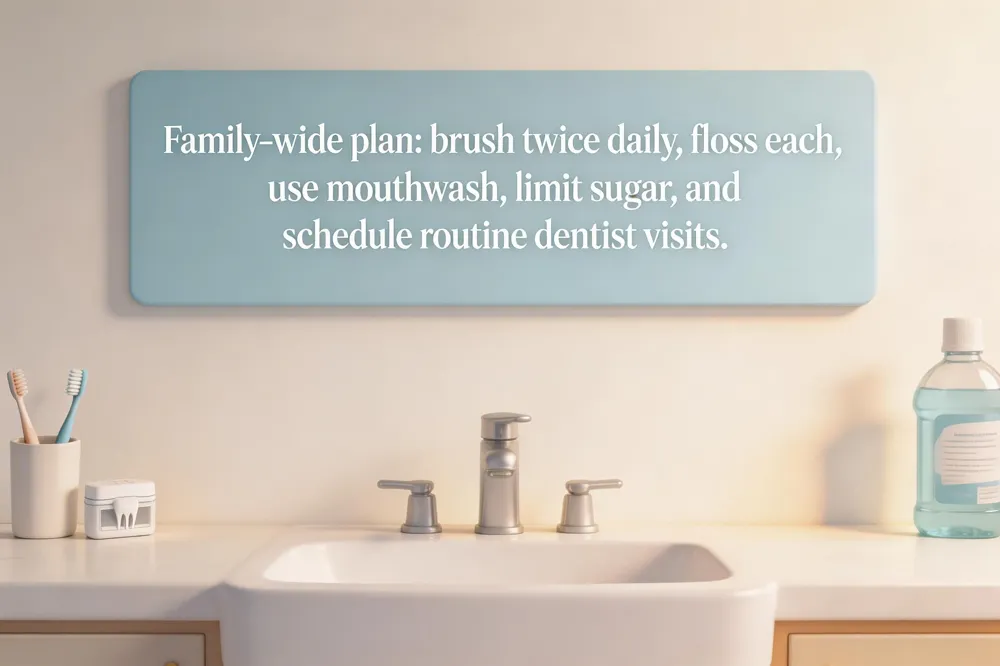 Family‑wide routine: Brush twice daily with a brush at 45° using ADA‑approved fluoride toothpaste; replace brushes every 3–4 months, floss or use interdental cleaners daily, finish with antibacterial mouthwash, and drink fluoridated water.
Children’s oral care: Start with a smear of fluoride paste on the first tooth, then an amount once more teeth erupt. Supervise two‑minute brushing and teach a floss motion or use child‑friendly picks. Limit sugary snacks and schedule a dental visit by age one and six months thereafter.
Making habits stick: Use a timer or song for two minutes, consistency, and let older kids help younger siblings.
5 ways to take care of your teeth: brush, floss, use fluoride mouthwash, limit sugar, see dentist.
Dental tips: brush with a brush at 45° for minutes, replace quarterly, floss or water‑flosser daily, choose ADA‑approved fluoride toothpaste, limit sugary/acidic drinks, chew sugar‑free gum.
Best things for dental health: brush minutes with ADA‑approved fluoride toothpaste, clean between teeth, use antibacterial mouthwash or sugar‑free gum, limit sugary/acidic foods, cleanings a year.
Your Path to a Healthier Smile
Maintain a solid oral‑care routine every day: brush twice a day with a soft‑bristled toothbrush and fluoride toothpaste, holding the brush at a 45‑degree angle for at least two minutes; floss daily to remove plaque from between teeth and below the gum line; clean the tongue or use a scraper each session; rinse with an alcohol‑free antibacterial mouthwash; sip fluoridated water and chew sugar‑free gum to stimulate saliva; limit sugary and acidic foods, avoid tobacco, and stay hydrated. When you pair these habits with professional cleanings every six months, plaque and tartar are kept low, gum health improves, and early signs of decay or disease are caught promptly. This synergy reduces the need for extensive restorations and supports overall systemic health.