The Power of Kid-Friendly Words
Dental anxiety is a completely normal reaction for young patients, and recognizing this reality is the first step toward creating a stress-free clinical experience. When children encounter unfamiliar equipment, bright lights, and medical environments, it is common for them to feel nervous or hesitant. Framing this guide as a practical resource allows parents to confidently explain dental procedures to their child without triggering unnecessary fear. By adopting straightforward, reassuring language, families can transform a potentially stressful appointment into a routine health checkup. Pediatric specialists emphasize that anxiety is highly manageable when care teams and parents consistently use neutral, positive phrasing. This approach removes psychological barriers and establishes a foundation of trust before any instrument ever touches a tooth.
Recent data underscores why early, consistent oral education matters so much for developing children. Studies indicate that poor oral health causes children to miss millions of classroom hours each academic year, directly impacting academic performance and long-term social success. When tooth decay goes untreated, it often leads to discomfort, sleep disruption, and missed learning opportunities. Addressing these challenges early through clear communication prevents small issues from becoming complex medical situations. Introducing gentle concepts as soon as the first tooth appears helps children understand that dental visits are routine health maintenance rather than emergency interventions. Early education also normalizes the clinical environment, allowing children to develop healthy habits that persist well into adulthood and support lifelong wellness.
The vocabulary used during these conversations dramatically influences how children perceive dental care. Replacing clinical terminology with familiar, comforting analogies eliminates dread and encourages cooperation. For instance, describing a local anesthetic as sleepy juice or gentle spray helps children understand the numbing process without fixating on needles. High-speed handpieces become whistles or special toothbrushes, while dental drills are framed as gentle tickling tools that simply clean away soft spots. Suction devices transform into friendly straws, and rubber dams are explained as bright raincoats that keep everything dry. These simple substitutions do not hide the truth of the procedure; they translate it into a child developmental framework where curiosity replaces caution. Parents can easily adopt these terms by practicing them at home during pretend play or storytime.
Effective communication relies heavily on the tell-show-do method, a structured technique widely used by pediatric dental teams. The process begins with telling the child what will happen using short, factual sentences. The dentist then shows the instrument on a model or the child’s own hand, allowing tactile exploration. Finally, the professional performs the action while maintaining steady verbal encouragement. This step-by-step transparency prevents surprises and gives young patients a sense of control. When parents repeat this method at home, children become accustomed to the sequence of events. Rehearsing with a stuffed animal or family mirror helps them practice opening wide and sitting still. Consistent preparation bridges the gap between classroom learning and clinical application.
| Clinical Term | Kid-Friendly Alternative | Simple Explanation for Children | | Anesthetic Shot | Sleepy Juice or Jelly | Numbing gel applied to make the area feel puffy and quiet | | Dental Drill | Whistle or Tickle Tool | Fast-spinning instrument that gently polishes away soft decay | | Rubber Dam | Raincoat or Blanket | Protective sheet that keeps teeth dry and safe during work | | Suction Device | Mr. Thirsty or Straw | Curved tube that quietly removes water while you talk | | Composite Filling | White Star or Tiny Patch | Tooth-colored material that patches holes and fights sugar bugs | | Dental Crown | Silver Hat or Cap | Strong covering that wraps around a whole tooth for extra safety |
| Nitrous Oxide | Happy Air or Magic Air | Light breathing gas that helps you feel calm and relaxed | | Dental Explorer | Tooth Checker or Tickler | Smooth metal tool that counts bumps and checks for soft spots | | Prophylaxis | Tickle Teeth or Sparkle Clean | Professional polishing routine that removes leftover plaque | | X-Ray | Picture Camera or Snapshot | Fast, safe imaging that shows hidden surprises inside teeth | | Extraction | Wiggle A Tooth Out | Gentle removal procedure for a tooth taking a break | | Dental Floss | Silly String or Clean Thread | Thin cord that reaches between teeth to chase away germs |
Building parental confidence requires consistent practice and a commitment to positive framing. Families can prepare for upcoming appointments by reading age-appropriate books featuring friendly dental characters or watching short videos that demonstrate office tours. Role-playing sessions turn routine hygiene into an interactive game, where parents act as patients and children become the caregivers. This reversal of roles fosters empathy and reduces power struggles during actual visits. Parents should also maintain their own calm demeanor, as children readily absorb caregiver stress. Offering a favorite comfort item, such as a stuffed animal or soft blanket, provides physical reassurance during treatment. Afterward, small rewards like stickers or extra story time create lasting positive associations.
Early dental visits establish a predictable routine that simplifies future communication. Scheduling appointments by the first birthday or within six months of the first tooth appearing allows specialists to monitor development without performing complex treatments. These introductory visits typically include brief desk tours, toy station play, and prize distributions that normalize the clinical setting. When children associate dental offices with play and positive reinforcement, they develop resilience against fear. Regular six-month checkups further reinforce this familiarity, transforming the clinic into a familiar community space. Parents who consistently use straightforward explanations help children internalize the importance of oral hygiene. Over time, these early conversations build lifelong habits that support overall wellness and academic success.
Preventive measures like dental sealants and fluoride treatments benefit greatly from child-friendly explanations. Sealants can be described as invisible raincoats that slide over the chewing grooves of back teeth, blocking food particles and bacteria from settling. Fluoride applications are often framed as vitamin boosters that harden enamel and make teeth stronger against daily wear. When children understand these protective steps through relatable imagery, they become active participants in their care rather than passive recipients. Dietary guidance follows the same pattern, encouraging parents to explain that frequent snacking feeds sugar bugs while mealtimes allow saliva to rinse the mouth and restore balance. Clear, repeated messaging reinforces these concepts naturally.
Behavioral strategies and environmental adjustments work together to reduce clinical stress. Modern practices feature colorful decor, ceiling-mounted entertainment, and quiet tools that minimize sensory overload. Dentists are trained to watch for subtle cues like stiff shoulders or quiet withdrawal, pausing to offer reassurance whenever tension rises. Open dialogue between parents, children, and clinicians ensures that concerns are addressed immediately rather than ignored. When families treat dental health as a collaborative team effort, children learn to view their smile as a priority rather than a source of dread. This supportive framework transforms routine maintenance into a confident, positive ritual.
Trust builds incrementally through honest communication and predictable routines. Pediatric providers specialize in adapting their explanations to match a child’s age, temperament, and attention span. Short, straightforward sentences paired with visual demonstrations eliminate guesswork and replace uncertainty with understanding. Parents who embrace this approach notice immediate improvements in cooperation and comfort during appointments. The vocabulary choices made today shape how a child interacts with healthcare professionals for years to come. By prioritizing clarity, empathy, and routine exposure, families lay the groundwork for a lifetime of healthy smiles and confident medical interactions.
| Preventive Step | Child-Friendly Description | Parent Coaching Tip | | Dental Sealants | Invisible raincoats for back teeth | Let the child see the quick painting process on a model | | Fluoride Treatment | Tooth vitamins that make enamel strong | Explain it as a special rinse that helps teeth resist sugar | | Dietary Advice | Short snack breaks keep teeth happy | Encourage water between meals to naturally wash away food | | Oral Hygiene Routine | Twice-daily painting missions brush away germs | Use a two-minute song timer to make brushing predictable | | Regular Checkups | Monthly smile health surveys | Frame visits as growth celebrations rather than problem fixes | | Comfort Items | Favorite blanket provides quiet security | Allow the item to stay in the chair during treatment |
| Treatment Phase | Reassuring Language | Expected Child Sensation | | Initial Exam | Counting and tickle check | Gentle pressure and cool water spray | | Numbing Process | Happy air breathing with sleepy juice | Light pinch followed by fuzzy warmth | | Decay Removal | Whistle cleaning the soft spots | Vibration similar to a phone buzzing | | Filling Placement | White star patching the tiny cave | Mild cold and firm but painless touching | | Final Polishing | Sparkle cleanup to make teeth smooth | Soft brushing feeling with sweet fruit taste | | Post-Visit Care | Quiet home rest until the pinch fades | Avoid hot drinks until normal feeling returns |
Key Rules Every Parent Should Know
 Navigating pediatric dentistry can feel overwhelming, but a few simple guidelines can help you make confident decisions for your child’s oral health. Understanding these key rules will help you anticipate your child’s dental development, know when to seek specialized care, and manage common discomforts at home with simple, reassuring strategies.
What is the 7-4 rule for tooth eruption in infants?
The "7-4 rule" is a helpful guideline for expecting your baby’s first teeth. It suggests that most children will have their first four teeth erupt around seven months of age. The rule also notes that after this initial appearance, new teeth often emerge in a predictable pattern—roughly every four months. This timeline can help parents know what to expect and when to begin gentle, daily brushing with a soft-bristled toothbrush and a smear of fluoride toothpaste. By understanding this rule, you can start your child’s oral hygiene routine at the right time and schedule their first dental visit by their first birthday, as recommended by the American Academy of Pediatric Dentistry.
What is the rule of seven for the first orthodontic evaluation?
The "rule of seven" is a critical milestone in pediatric dentistry. It recommends that children have their first orthodontic evaluation by age seven. This may seem early, but by this age, most children have a mix of baby and permanent teeth, allowing dentists to spot potential issues with jaw growth, bite alignment, or crowding. Early evaluation does not always mean treatment begins immediately. Instead, it provides a chance to monitor development and plan for any future interventions, such as braces or expanders, at the most opportune time. For parents, explaining this to a seven-year-old can be simply framed as a visit to make sure their smile has plenty of room for all their new, grown-up teeth. This proactive approach can prevent more complex procedures later and ensure your child’s smile develops harmoniously.
What is the 3-3-3 rule for temporary dental pain management?
The "3-3-3 rule" is a straightforward, safe protocol for managing temporary dental pain or discomfort in children at home. It involves giving your child a dose of ibuprofen (typically 200 mg per tablet, adjusted for weight and age as recommended by your dentist or pediatrician) three times a day, for a maximum of three days. This regimen is intended to control inflammation and pain after a dental procedure or from mild, temporary discomfort. However, it is crucial to remember that the 3-3-3 rule is for short-term symptom relief only. If your child is experiencing a toothache, sensitivity, or any sign of infection (such as swelling or fever), do not rely solely on pain medication. You should always consult your dentist. Tooth infections require professional treatment to remove the source of the problem, and pain management should be part of a comprehensive care plan. When discussing this with your child, you can reassure them that the medicine is like a helper that calms their tooth and that the dentist will be the hero who makes it completely better.
| Rule | Age / Milestone | What It Means | Simple Language for Kids |
|---|---|---|---|
| 7-4 Rule | Around 7 months | First four teeth come in; then a new tooth every ~4 months | "At about seven months, you get your first wiggly teeth. After that, a new one shows up every few months!" |
| Rule of Seven | Age 7 | First orthodontic check-up to see how jaw and teeth are growing | "When you turn seven, the dentist will check your smile to make sure your teeth have enough room to grow in straight." |
| 3-3-3 Rule | Temporary dental pain | Ibuprofen (200 mg) three times a day for up to three days for comfort | "If your tooth feels ouchy, special medicine can help for up to three days. But we always ask the dentist if it doesn’t stop." |
Setting the Stage for a Positive First Visit
Why the First Visit Should Happen by Age One
The American Academy of Pediatric Dentistry (AAPD) recommends that a child's first dental visit occur when their first tooth erupts or by their first birthday, whichever comes first. This early visit is not just about checking for cavities; it is about establishing a "dental home" where your child becomes comfortable with the environment and the team. Early, positive experiences reduce future anxiety and set the stage for a lifetime of healthy habits.
What a Child-Friendly First Appointment Looks Like
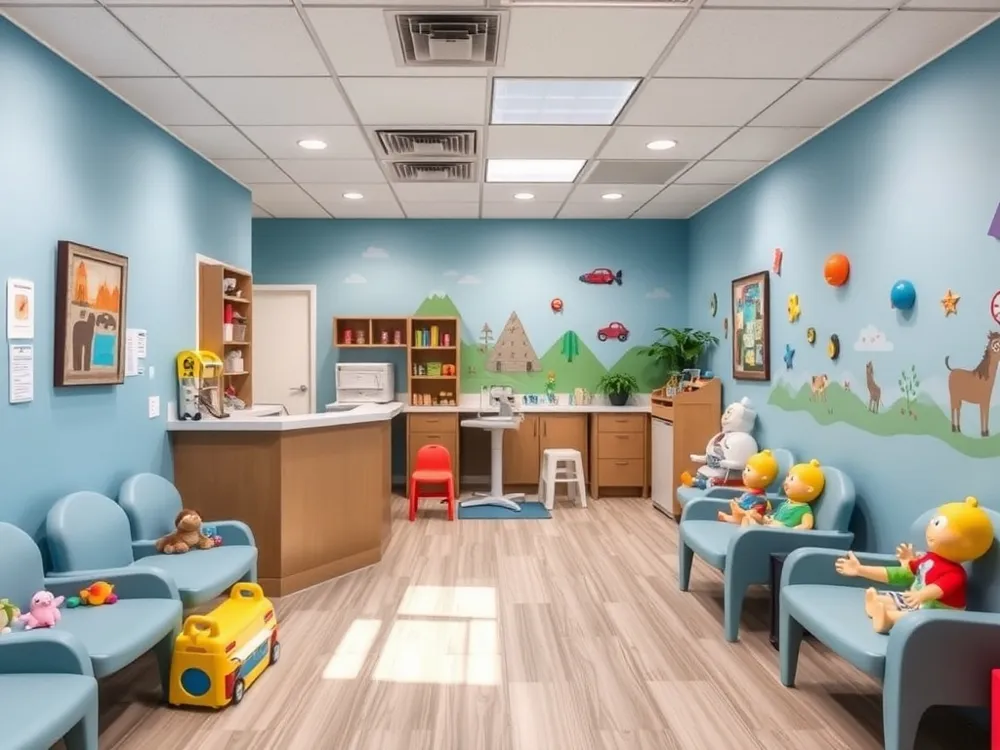
A positive first visit is designed to be stress-free. A child-friendly appointment typically includes a tour of the office to see the fun decorations and toys. Your child will meet the dentist and hygienist, who will use simple, playful language. They might play in a toy station or watch another cooperative child get a gentle cleaning. The brief check-up is often framed as "counting teeth" or "taking a peek at your smile." The visit usually ends with a prize or sticker, reinforcing the idea that the dentist is a place of rewards, not fear.
Step-by-Step Role‑Playing at Home
Role‑playing is a powerful tool to demystify the dental visit. Here is a simple step-by-step guide:
- Set the Scene: Use a comfortable chair as a "dental chair." Gather supplies: a small mirror, a flashlight, and a clean, battery-powered toothbrush to be the "whistle toothbrush" or the "tooth tickler."
- Switch Roles: Let your child be the dentist first. They can "examine" your teeth with the mirror and use the toothbrush to make them "sparkly clean."
- Be the Patient: Then, switch roles. You be the dentist, and your child is the patient. Use the flashlight to "count teeth" and the mirror to "show you the beautiful smile." Keep the language positive and avoid scary words.
- Practice the Visit: Rehearse what will happen: "Open wide like a lion!" "I'm going to use this special toothbrush to put a little 'sleepy juice' on your gums to make things tingly." This builds familiarity and control.
Using Simple, Positive Phrases
The language you use is critical for reducing anxiety. Replace clinical terms with fun, reassuring equivalents.
| Instead of saying... | Try saying... | Why it works |
|---|---|---|
| "The dentist will check for cavities." | "The dentist will count your teeth!" | Simple and non-threatening. |
| "They will clean your teeth." | "They will make your teeth sparkly clean!" | Positive and concrete. |
| "You might need a shot." | "They might use some 'sleepy juice' to help your tooth feel good." | Avoids the word "shot" and frames pain relief as helpful. |
| "Don't be scared." | "Let's see what a good job you do taking care of your teeth." | Focuses on a positive action, not a negative emotion. |
| "This won't hurt." | "You might feel a little pressure, like a gentle hug." | Honest but reassuring. |
Recommended Books and Videos
Stories and videos are wonderful tools to prepare a child. They normalize the experience through familiar characters. Some excellent resources include:
- Books:
- The Berenstain Bears Visit the Dentist by Stan and Jan Berenstain
- My First Visit to the Dentist by Eve Marleau
- Show Me Your Smile! (Dora the Explorer) by Christine Ricci
- Videos:
- Going to the Dentist is FUN! (on YouTube)
- Sesame Street’s oral health games and videos
Preview these materials to ensure they don't contain words like 'hurt' or 'drill' that might add fear.
Bringing Comfort Items and Planning a Reward
On the day of the visit, bring a favorite stuffed animal, blanket, or a small toy for comfort. Wearing a favorite costume or outfit can also make the trip feel like a special adventure. After the appointment, plan a fun, non-food reward, such as a trip to the park, extra playtime, or a new sticker. This positive association helps build a strong, trusting relationship between your child and dental care.
Explaining Common Procedures Without Scare Words
The key to a positive dental experience for a child is replacing fear of the unknown with understanding and comfort. Using the right language and approach can transform a potentially stressful visit into a manageable, even positive, one.
How does the ‘Tell‑Show‑Do’ method help prepare a child?
This is a gentle, three-step technique used by pediatric dentists to build trust and eliminate surprises. First, the dentist tells the child what will happen in simple, friendly language. Next, they show the instrument or tool, perhaps letting the child hold or see it. Finally, they do the procedure while maintaining a calm, reassuring tone. This process, paired with the right vocabulary, makes each step feel safe and predictable. Tell‑Show‑Do method pediatric dentistry anxiety
What are the best child-friendly alternatives for scary dental words?
Dentists replace clinical jargon with playful, relatable terms. This simple word swap can dramatically reduce a child's dental anxiety.
| Clinical Term | Child-Friendly Term | How It Sounds to a Child |
|---|---|---|
| Anesthetic / Injection | Sleepy Juice, Magic Juice | A gentle potion that helps a tooth feel good. |
| Suction Device | Mr. Thirsty, Straw | A helpful tool that slurps up extra water. |
| Dental Sealant | Raincoat for Teeth, Tooth Paint | A protective coat that keeps sugar bugs away. |
| Cavity / Decay | Sugar Bug Spot | A tiny spot where sugar bugs have made a hole. |
| Dental Drill | Mr. Whistle, Water Whistle | A tool that makes a funny whistle sound. |
| X‑Ray | Smile Picture, Tooth Camera | A quick snapshot of your teeth with a cool cape. |
| Dental Explorer (Probe) | Tooth Checker | A small tool that counts and feels your teeth. |
How can fillings and crowns be explained in a friendly way?
Using superhero and protective imagery makes these procedures sound like acts of care, not punishment.
- For fillings: Explain that the dentist will use a special tool to clean out the “sugar bug spot” (the cavity) and then put a “superhero shield” or a “tiny patch” over it. This patch keeps the tooth strong and protected. child‑friendly dental terms
- For crowns: Frame a crown as a “silver hat,” “princess crown,” or a “strong cap.” It covers the entire tooth to keep it safe, allowing the child to chew, smile, and play like normal. explaining dental crowns to kids as a 'strong cap'
Are fillings for baby teeth necessary, or are crowns a better option?
Yes, filling cavities in baby teeth is very important. Treating a cavity, even in a baby tooth, prevents the infection from spreading, avoids pain, and, most critically, maintains the space for the permanent tooth to come in correctly. It is not a waste of time. why primary teeth matter The choice between a filling and a crown depends on the cavity’s size and location. pediatric crowns versus fillings for kids A filling is like a “patch” for a small hole, while a crown is a “full-coverage cap” for a larger one. Your dentist will recommend the best option for your child’s specific needs, and always follow their professional advice.
What is the best way to explain a tooth extraction?
Avoid words like “pull” or “rip.” Frame the removal as a gentle process. Phrases like “sending a tooth on vacation” can be very effective. You can explain that the tooth is tired or sick and needs to take a break so the new, strong tooth can grow in. The dentist uses special tools to gently wiggle it until it’s ready to go. tooth extraction for children
How can I use simple at-home analogies to explain procedures?
Simple kitchen experiments are powerful tools for showing, not just telling. These are best used before a visit.
- The Egg-in-Vinegar Demo (for Enamel Erosion): Place a hard-boiled egg in a cup of vinegar for 24 hours. The softened shell shows how acid from sugary foods can weaken tooth enamel, making it easier for cavities to form.
- The Apple-Hole Demo (for Cavity Spread): Poke a small hole in an apple with a pencil. Over a few hours, the hole will turn brown and the surrounding area will soften. This demonstrates how a small cavity can expand and damage the whole tooth if not cleaned and treated.
- The Sugar Bugs Experiment: Mix yeast, sugar, and warm water in a bottle. The fizzing reaction shows how sugar feeds the bacteria in the mouth, creating the “sugar bugs” that cause cavities. This helps explain why brushing and flossing are so important. sugar bugs cavity defense
How do you explain dental X‑rays in a non-scary way?
Make it fun and quick. Explain, “The dentist is going to take a picture of your smile with a special camera. You get to wear a cool lead cape (apron) to be extra safe, like a superhero! The camera will just buzz and hum for a second.” This reframes the experience from a medical procedure to a fun photo session. cool cape and lead apron for X‑rays
What words are the most important to avoid saying?
Absolutely avoid any words that suggest pain or invasion. Do not use: hurt, pain, shot, needle, drill, pull, or cut. These words can trigger immediate anxiety. Instead, use the playful alternatives listed above. avoiding mentioning shots or pain at the dentist Remember, your calm tone is more important than the exact words. If your child asks about a “shot,” a simple, positive response is, “I don’t know, but we can ask the dentist or hygienist.” Let the professionals guide the conversation. using positive language for dental visits
Treating Cavities in the Youngest Smiles
Cavities Are Common but Treatable
It’s a startling fact: nearly 42% of children between ages 2 and 11 will experience at least one cavity. Tooth decay is the most common chronic childhood illness, and it needs quick attention. Untreated cavities can lead to pain, infection, and even problems with eating, speaking, and sleeping. The good news is that when caught early, treatment is often simple, effective, and comfortable for your child.
Treatment Options Tailored for Tiny Teeth
Pediatric dentists have several gentle ways to treat cavities in very young children. The choice depends on the size of the cavity, the tooth’s location, and your child’s comfort level.
- Fillings (Tooth-Colored Composite Resin): For small to medium cavities, the dentist removes the decay and fills the space with a strong, tooth-colored material. It blends with the natural tooth and is perfect for smaller repairs. The procedure is quick, often done in a single visit.
- Crowns (Stainless Steel or White): For larger cavities or teeth that are cracked or have had a pulpotomy (a baby root canal), a crown is used. A crown is a cap that covers the entire tooth, protecting it from further damage. Stainless steel crowns are strong and durable for back teeth, while tooth-colored crowns are available for front teeth to keep the smile looking natural.
- Pulp Therapy: If decay reaches the tooth’s inner nerve (pulp), a pulpotomy may be recommended. This involves removing the affected pulp and placing a soothing medicine, then sealing the tooth with a crown. This procedure saves the baby tooth until it’s ready to fall out naturally.
- Fluoride Treatments: Applied as a varnish or gel during a checkup, fluoride strengthens enamel and can reverse very early, small cavities that haven’t formed a hole. It’s a painless, quick preventive step.
Minimizing or Eliminating Needles
Many parents worry about shots, but pediatric dentists use techniques to make even injections comfortable. Before any shot, a topical numbing gel—often called “jelly”—is swabbed onto the gum. This gel numbs the surface so the injection feels like a light pinch or a gentle mosquito bite. Dentists often call this numbing medicine “sleepy juice” because it makes the tooth feel sleepy and comfortable. For children who are very anxious or need extensive work, other options like nitrous oxide (laughing gas) or even general anesthesia can be used, ensuring your child feels no pain and stays calm.
Simple Practices for Prevention
Preventing cavities is always the goal. A few simple habits make a huge difference:
- Limit sugary snacks and drinks: The frequency of sugar matters more than the amount. Offer sweets only at mealtime, and avoid letting your child sip on juice or milk throughout the day. Limit bedtime bottles to water only, as milk or juice can pool around teeth and cause decay.
- Brush with a smear of fluoride toothpaste: For children under 3, use a smear (about the size of a grain of rice). For ages 3-6, a pea-sized amount is enough. Brush twice a day, especially at night, to remove plaque and “sugar bugs.”
- Make water the go-to drink: Water, especially fluoridated water, helps rinse away food particles and keeps teeth strong.
Why Saving Baby Teeth Matters
Baby teeth are not just placeholders; they are essential for development. They help with clear speech, proper chewing, and healthy digestion. Perhaps most importantly, they guide permanent teeth into their correct positions. Losing a baby tooth too early can cause neighboring teeth to shift, leading to crowding or misalignment. By treating cavities early with fillings, crowns, or other care, you’re preserving these important teeth until they are ready to fall out naturally—usually around age 12 for back molars. This sets the foundation for a lifetime of healthy, confident smiles.
| Treatment Approach | What It Does | When It’s Used | Comfort Measures |
|---|---|---|---|
| Dental Filling | Removes decay, fills hole with tooth-colored material | Small to medium cavities | Topical numbing gel ("jelly") and local anesthetic ("sleepy juice |
| Pediatric Crown | Covers whole tooth with a cap (stainless steel or white) | Large cavities, cracked teeth, after pulp therapy | Same numbing techniques; laughing gas may be offered |
| Pulp Therapy | Removes infected nerve, places medicine, seals with crown | Deep decay near the nerve | Full numbing; often combined with sedation |
| Fluoride Treatment | Strengthens enamel, reverses very early decay | Prevention or very early cavities | Painless varnish or gel application |
| Prevention at Home | Limits sugar, brushes with fluoride toothpaste, avoids bedtime bottles | Daily routine | Fun, positive language and rewards |
When Pain Strikes: Managing Discomfort at Home

What is the 3-3-3 Rule for Dental Pain or Tooth Infection?
When your child has a toothache, you might hear about a temporary home-care strategy called the 3-3-3 rule. This involves giving your child 600 mg of ibuprofen (typically three 200 mg tablets, but always follow the dosage based on your child’s weight as directed on the packaging or by your dentist), three times a day, for up to three days. This can help manage inflammation and pain until you can see a dentist.
It is critical to understand that this is only a temporary measure. If your child has a tooth infection, relying solely on ibuprofen will not solve the underlying problem. An infection requires professional dental treatment, such as a filling or a course of antibiotics, to stop the bacteria from spreading. If you notice any of the signs below, do not delay—make an appointment right away.
What Signs Need Professional Attention?
Some symptoms signal that a home-care approach is not enough, and you need to see a dentist. Schedule an immediate visit if your child experiences:
- Facial swelling – This can indicate an infection that is spreading.
- Pain when chewing – This often points to a deep cavity or an abscess.
- Sensitivity to hot or cold – Lingering sensitivity long after the food or drink is gone can signal decay.
- Visible holes or dark spots – These are clear signs of cavities that need a filling.
If your child has a visible hole, a broken tooth, or avoids eating on one side, a dentist should evaluate the tooth. Waiting too long can allow the cavity to grow deeper, turning a simple filling into a more complex crown or even an extraction.
How to Manage Pain After a Dental Procedure
After your child has a dental procedure like a filling or a crown, you can help them feel better at home. Start with soft foods—like yogurt, applesauce, or smoothies—for the first day. This prevents chewing on the treated area while it is still numb.
Use over-the-counter pain relievers like ibuprofen or acetaminophen as instructed by your dentist. Monitor the area for any numbness. If your child is very young, watch to ensure they do not accidentally bite their numb lip or cheek. This is a common, but usually harmless, occurrence that resolves once the numbness wears off.
Trust Your Dentist: A Key Message
| Concern | Home Care | When to See a Dentist |
|---|---|---|
| Mild toothache | Offer soft foods and use the 3-3-3 rule for temporary relief. | Pain persists for more than two days or interrupts sleep. |
| Visible hole or dark spot | Keep the area clean by gentle brushing. | As soon as possible for a filling to prevent infection. |
| Post-procedure sensitivity | Serve soft, lukewarm food and avoid extreme temperatures. | Sensitivity lasts longer than a few days or worsens. |
| Facial swelling | Use a cold compress on the outside of the cheek. | Immediately; this could be a serious infection. |
What to Expect After a Filling
It is completely normal for your child to have mild sensitivity after a filling. The tooth may feel a little tender or sensitive to temperature for a few days. This usually resolves on its own. If the sensitivity does not improve, contact your dentist.
Remember, the key to managing discomfort is quick action. Knowing the 3-3-3 rule and recognizing the warning signs of infection helps you make informed decisions. By staying calm and following these simple post-procedure tips, you can help your child recover comfortably and protect their smile for years to come.
Building a Lifetime of Healthy Smiles
Teaching children about dental health doesn't have to be a chore. In fact, with the right approach, it can be an exciting adventure that sets the stage for a lifetime of healthy smiles. The most effective strategy is to start early, keep things simple, and make every interaction positive.
Start Early and Keep it Simple
The foundation for a lifetime of good oral health is laid in early childhood. The American Academy of Pediatric Dentistry recommends that a child's first dental visit should occur by their first birthday or when their first tooth appears. These early visits are not about treatment; they are about building familiarity and trust. By introducing the dental office as a friendly, routine place, you can prevent fear of the unknown before it ever starts.
When talking about teeth and dental visits, simple language is your best tool. Instead of describing a cleaning in complex terms, you can say, "The dentist will count your teeth and give them a good scrub." Avoid using scary words like "hurt," "pain," "shot," or "drill." Instead, use child-friendly terms like "sleepy juice" for anesthetic, "Mr. Thirsty" for the suction tube, and "tickle teeth" for a cleaning. This simple shift in vocabulary can dramatically change a child's perception from frightening to fun.
Make it Fun with Games and Stories
Hands-on activities can turn abstract concepts into tangible learning experiences. A simple "egg-enamel" demonstration is a powerful way to show how acid can damage teeth. Soak a hard-boiled egg in vinegar for 24-48 hours, and the shell will soften, mimicking how sugary drinks can erode tooth enamel. You can explain that the dentist helps protect teeth from this kind of damage. Similarly, role-playing a dental visit at home can be incredibly effective. Let your child be the dentist and count your teeth with a toothbrush, or let them be the patient in a cozy chair. This playacting demystifies the process and gives them a sense of control.
Storytelling is another powerful tool. Many children's books and videos feature beloved characters having positive dental visits. Use these resources to reinforce the idea that the dentist is a helper who keeps their smile strong. You can also create your own stories, explaining that the dentist uses a "special whistle" (the drill) to clean out "sugar bugs" (cavities) and puts a "superhero shield" (a filling or crown) on the tooth to protect it.
The Power of Positivity and Routine
Your own attitude as a parent is one of the most important factors in your child's dental experience. Children are incredibly perceptive and can easily pick up on your anxiety. It is crucial to keep your own dental fears to yourself and always use a calm, positive tone when discussing appointments. Instead of promising that something "won't hurt" (which introduces the idea of pain), focus on the benefits: "After your teeth are clean, they will feel so smooth and strong!"
Choosing a dentist who specializes in pediatric care, like the team at Loud Family Dental, can make all the difference. Pediatric dentists and their staff are trained in child psychology and use techniques like the "Tell-Show-Do" method. They will tell your child what they are going to do in simple terms, show them the instrument (like letting them hold a mirror or feel the air from the straw), and then perform the procedure. This process eliminates surprises and builds trust.
Consistency is key. Regular six-month check-ups are not just for cleanings; they help make the dental office a familiar environment. Over time, the sights, sounds, and smells become routine, and anxiety naturally diminishes. After the appointment, always provide positive reinforcement—praise, a sticker, or a small reward—to create a lasting positive memory.
You Are Your Child's Partner in Oral Health
Ultimately, you are your child's most important partner in building a lifetime of healthy smiles. The team at Loud Family Dental is here to support you every step of the way. Our staff is trained to make every child feel safe, calm, and respected. We encourage you to ask questions during your child's next visit. Whether you want to know more about a specific procedure or need tips for making brushing more fun, we are here to help. Together, we can ensure your child looks forward to their dental visits and enjoys a confident, healthy smile for years to come.