Why Kid‑Friendly Care Matters
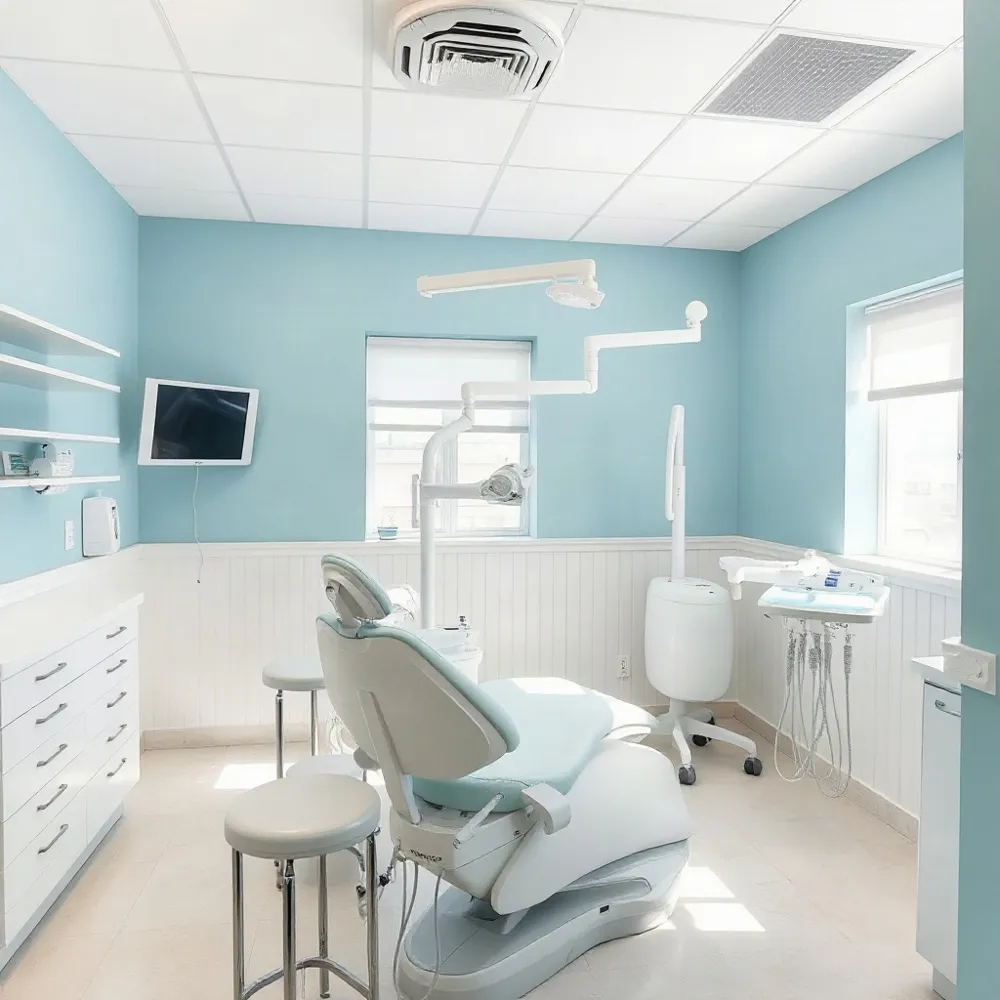
A child’s first dental visit sets the tone for a lifetime of oral‑health habits. Research shows that children who experience a positive, gentle introduction to the dentist are far more likely to keep up regular check‑ups and maintain good brushing and flossing routines into adulthood. Yet roughly 9 % of U.S. children develop dental anxiety, which can lead to missed appointments, untreated cavities, and poorer overall health. Creating a welcoming, child‑focused office—bright walls, kid‑sized chairs, soothing music, and playful distractions—helps demystify the dental environment, lowers stress hormones, and encourages cooperation. When staff use simple language, the tell‑show‑do method, and immediate positive reinforcement such as stickers or small toys, children feel safe, empowered, and eager to return for future care.
Designing a Playful Clinic Environment
 A bright, themed décor with child‑size furniture instantly turns a dental office into a welcoming adventure rather than a clinical maze. Cheerful walls painted with cartoon heroes, underwater scenes or space motifs, paired with low‑height chairs and sinks, give kids a sense of ownership and comfort. Soothing lighting—soft LEDs or dimmed overhead lights—combined with gentle background music and a subtle lavender scent helps calm the nervous system, lowering heart rate before any instrument touches the mouth.
Modern low‑vibration handpieces, quiet digital imaging and needle‑free anesthesia devices further reduce the sensory triggers that often spark fear. When the drill hum is barely audible, children are less likely to experience the classic fight‑or‑flight response that fuels dental anxiety.
Visual distractions such as ceiling‑mounted TVs playing favorite cartoons, interactive wall panels, or tablet‑based games keep attention away from the procedure and make time fly. These tools, together with the child‑friendly design, create a predictable, safe environment that demystifies dental care.
What causes dental anxiety? Dental anxiety often stems from the body’s natural fight‑or‑flight response, which makes the mouth feel especially vulnerable and can trigger fear when a stranger works inside it. Past traumatic or painful dental visits—especially those experienced in childhood—leave lasting memories that cause patients to anticipate pain and discomfort. A sense of losing control, such as having instruments placed in the mouth or being unable to speak, intensifies the unease. Genetic factors and individual pain‑sensitivity can also predispose people to heightened dental fear. Finally, negative stereotypes portrayed in media and stories about “painful” or “harsh” dentists reinforce worries, making the anxiety cycle harder to break.
Behavioral Techniques That Calm Young Patients
 A calm dental experience starts with a predictable, gentle approach. Pediatric dentists rely on the Tell‑Show‑Do method: they explain each step in simple language, demonstrate the tool on a model or on the child’s own hand, then perform the procedure. This reduces the unknown and lets the child feel in control. Positive reinforcement—specific praise, stickers, or a small toy—creates a clear link between cooperation and reward, boosting confidence for the next visit.
Parental involvement is vital; parents can stay in the operatory, model calm behavior, and help the child use a hand‑signal system (e.g., raising a hand) to pause if needed. When anxiety spikes, simple relaxation tools such as deep belly breathing (inhale 3‑seconds, hold 4, exhale 5), guided imagery of a favorite place, or distraction with cartoons, headphones, or a handheld fidget toy shift focus away from the drill.
Answers to common concerns
- Scared of dentist but need treatment: Call the office, share your fears, and we’ll design a low‑stress visit with nitrous‑oxide, numbing gels, headphones, and a hand‑signal for breaks.
- Scared to go to the dentist: Begin with a no‑pressure phone call or video chat, learn our kid‑friendly environment, and use deep breathing or a hand signal during the appointment.
- Dental anxiety management: Early identification, guided imagery, progressive muscle relaxation, and Positive reinforcement are combined with optional nitrous‑oxide or oral anxiolytics for moderate‑to‑severe anxiety.
- Extreme dental phobia: Referral for cognitive‑behavioral therapy, gradual desensitization, and, when needed, anti‑anxiety medication help patients overcome severe fear while our team provides a compassionate, soothing setting.
By integrating these techniques, Loud Family Dental turns a potentially stressful visit into a calm, cooperative experience that encourages lifelong oral‑health habits.
Engaging Educational Activities for All Ages
 Dental activities for adults – Community "Smile‑Month" events, group brushing sessions, and friendly "floss‑off" challenges let adults practice proper technique while socializing. Nutrition talks that link diet to gum health and interactive online games (e.g., Toothpaste Test) keep knowledge fresh and motivate regular check‑ups.
Dental health STEM activities – Kids love experiments that turn chemistry into a lesson on plaque removal. Simple Toothpaste Eruption demos (baking soda + vinegar) or Eggshell Enamel Investigations (vinegar‑soaked eggs brushed char with fluoride toothpaste) show how acids erode enamel and how fluoride protects it. Building marshmallow‑toothpick structures or flossing play‑dough teeth teaches engineering concepts and the importance of daily flossing.
Free dental activities for preschoolers – Printable coloring sheets, picture‑book storytime, and the "Roll‑A‑Smile" math game are freely available from dental associations. A mini‑dentist play set with toy tools lets preschoolers role‑play a check‑up, while Sugar‑Bugs experiments demonstrate how soda harms teeth. Loud Family Dental in Shreveport can host community brushing‑chart workshops using these resources.
Dental games for kids – The "Plaque Attack Challenge" (using disclosing tablets) turns brushing into a timed mission. DIY "Tooth Fairy Toss" and brushing‑chart races reward cooperation with stickers or small prizes. Apps such as "Dentist Games" let children virtually clean teeth, apply braces, and earn badges, reinforcing daily care at home.
These engaging, age‑appropriate activities transform oral‑health education from a chore into an adventure, reducing anxiety and encouraging consistent preventive care for the whole family.
Reward Systems and Positive Reinforcement
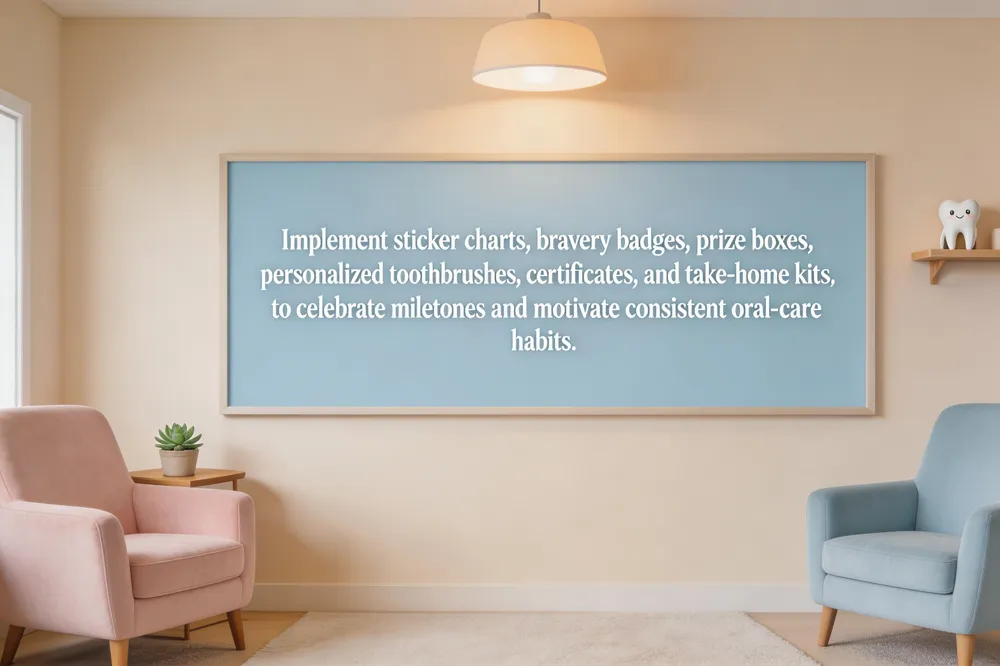 Pediatric offices know that a little reward can turn a nervous visit into a celebration. Sticker charts, bravery badges, and visible prize boxes let children see their progress and earn a small toy or sticker after each successful step, which research shows boosts cooperation by up to 40 %. Personalized toothbrushes—bright colors, favorite characters, or a child’s name— along with take‑home oral‑care kits reinforce daily habits and make brushing feel like play. Milstones such as the first cleaning, the first floss, or a cavity‑free check‑up are marked with certificates, "Tooth‑Fairy" notes, or a fun activity like a mini‑dental‑adventure game.
Dental activities for kids At Loud Family Dental we turn oral‑health lessons into play with hands‑on activities for every age. Kids join brushing contests, floss‑relay races, and explore science demos like the Egg‑Enamel or Sugar‑Bugs experiments. They create their own toothpaste, make marshmallow‑floss crafts, sort healthy versus sugary snacks, and even craft a toothbrush bracelet to wear as a reminder to brush twice a day. Printable worksheets, word searches, mazes, and short videos—such as Elmo’s Brushy Brush song—keep learning lively at home and in the clinic. These engaging experiences build good habits, boost confidence, and make dental visits something to look forward to.
Quick Tips for Common Dental Concerns
 What is the 3‑3‑3 rule for toothaches?
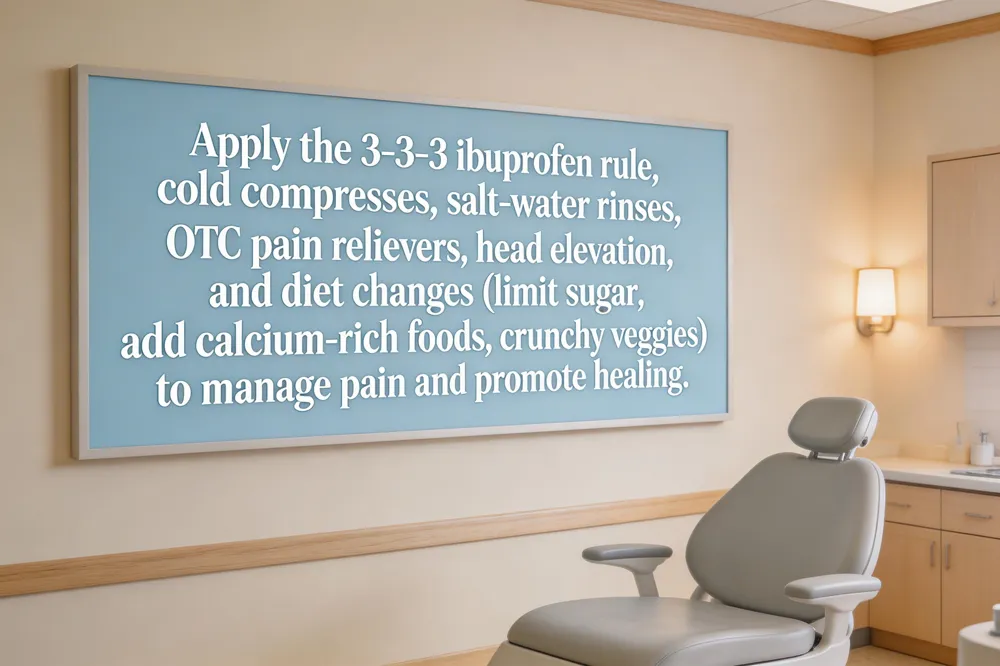
The 3‑3‑3 rule refers to taking 600 mg of ibuprofen (typically three 200‑mg tablets), three times a day, for no more than three days. This steady dosing helps reduce inflammation—the most common source of dental pain—while minimizing the risk of side effects.
Managing pain and inflammation at home
- Apply a cold compress to the cheek for 15 minutes to numb the area and limit swelling.
- Rinse with a warm salt‑water solution (½ tsp salt in 8 oz water) several times a day to keep the site clean and soothe irritation.
- Use over‑the‑counter acetaminophen as an alternative if ibuprofen is contraindicated.
- Keep the head elevated while resting to lessen blood flow to the painful tooth.
Nutrition and oral‑health connection
- Limit sugary drinks and snacks; bacteria feed on sugar and produce acid that worsens pain and decay.
- Choose calcium‑rich foods (milk, cheese, yogurt) to strengthen enamel and support healing.
- Stay hydrated; water helps rinse away food particles and reduces bacterial buildup.
- Incorporate crunchy vegetables (carrots, celery) that naturally clean teeth while providing essential vitamins.
These quick, evidence‑based steps can ease discomfort, support recovery, and promote long‑term oral health.
Building Confidence One Visit at a Time
Creating a kid‑friendly dental office—bright walls, themed chairs, toys, and soothing music—turns the clinic into a welcoming play space. When children see familiar, fun surroundings, the unknown feels less threatening, which lowers heart‑rate and cortisol spikes. Staff who speak in simple, caring language, use the tell‑show‑do method, and offer choices (sticker rewards, favorite video) reinforce safety and control. Parents who stay calm, model positive language, and bring a comfort item further ease anxiety, while community programs such as free coloring books or school‑based oral‑health workshops extend the friendly atmosphere beyond the office. Early visits build trust, reduce future fear, and increase regular check‑ups, leading to healthier smiles and oral‑health habits.