Why a Family‑Wide Oral Health Plan Matters
Good oral health is tightly linked to overall systemic health—periodontal disease can increase the risk of heart disease, diabetes and even preterm birth, while untreated cavities can lead to infections that affect the whole body. Starting preventive care early—brushing twice daily with fluoride toothpaste, daily flossing, and the first dental visit by age one—helps catch problems before they become painful or costly. Regular six‑month check‑ups at a community‑oriented clinic like Loud Family Dental in Shreveport provide professional cleanings, fluoride treatments, sealants and early detection of decay or gum disease, reinforcing the habits families model at home. By investing in these routine measures, families avoid expensive restorative work later, reduce emergency visits, and keep oral‑health‑related medical expenses low. A coordinated family oral‑health plan therefore protects smiles today and saves money tomorrow.
Foundations for Children’s Dental Success in Shreveport
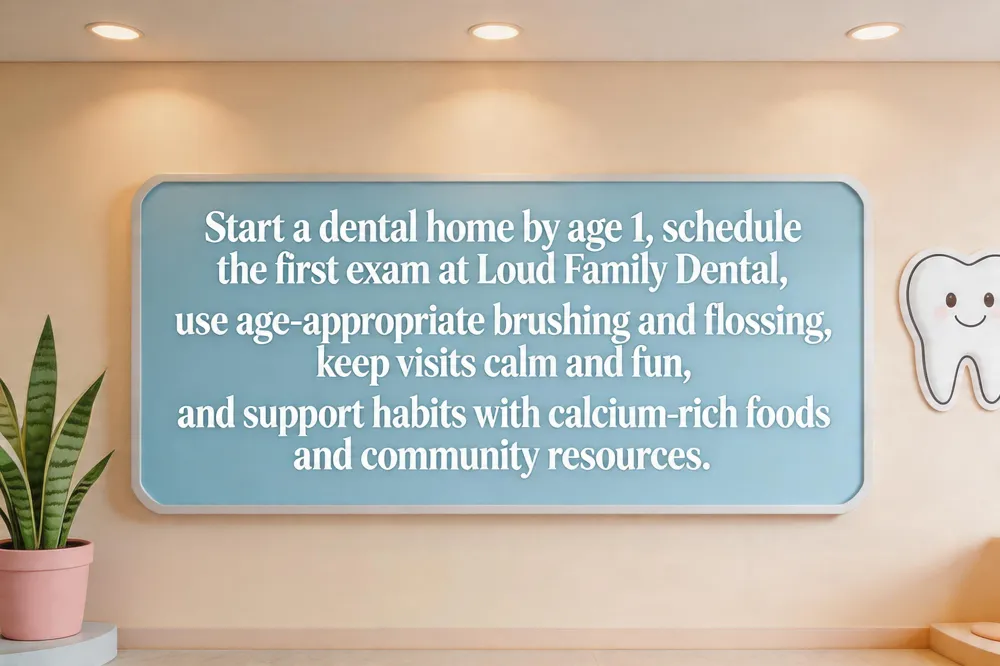 Establish a dental home by age one by scheduling the first exam at a family‑friendly Shreveport clinic such as Loud Family Dental; regular six‑month check‑ups keep cavities—an issue that affects more than half of U.S. children—under control. Use age‑appropriate brushing: a soft, small‑bristled brush with a pea‑size fluoride toothpaste for children 3‑6 and a grain‑of‑rice smear for those under three, brushing twice daily using gentle circular motions for two minutes per quadrant. Begin flossing once two teeth touch, typically around age five, and continue daily. Make visits calm and fun: pick a quiet time of day, let the child bring a favorite stuffed animal, use upbeat language, and reward cooperation with stickers or small non‑food incentives. Pair oral hygiene with a diet rich in calcium‑dense dairy, crunchy fruits and vegetables, and vitamin C‑rich citrus while limiting sugary drinks and snacks that fuel plaque‑producing bacteria. Community resources in Shreveport support these habits—free printable brushing charts, dental‑themed games at the local pediatric office, educational visits by Southern University dental‑hygiene students to Head Start centers, and events like the “3 Miles for Free Smiles” 5K that raise awareness and provide hands‑on learning. Together, these strategies give families a clear, enjoyable roadmap to lifelong oral health.
Tools and Products for At‑Home Care
 Choosing the right tools makes at‑home oral care easy for every family member.
Child‑friendly toothbrushes and bristle types – Soft‑ or extra‑soft‑bristled brushes that fit small mouths are ideal. Many have colorful handles or favorite‑character designs, encouraging kids to brush twice a day for two minutes.
ADA‑approved fluoride toothpastes with kid‑focused flavors – Fluoride toothpaste strengthens enamel and prevents cavities. Look for ADA‑seal products that come in bubble‑gum, fruit or mild mint flavors; a pea‑sized amount is appropriate for children 3‑6 years, and a smear of grain‑of‑rice size for under‑3s.
Alcohol‑free mouthwashes, floss picks, water flossers – Alcohol‑free rinses protect gums without irritation. Floss picks or easy‑grip water flossers help children who are ready to clean between teeth.
Educational accessories like plaque‑disclosing tablets – These tablets turn plaque blue, turning brushing into a game and showing where extra effort is needed.
How Loud Family Dental staff can guide product selection – Loud Family Dental carries a range of child‑friendly oral‑care essentials, starting with soft‑ or extra‑soft‑bristled toothbrushes that fit small mouths and often feature fun colors or characters to encourage regular use. The clinic stocks ADA‑approved fluoride toothpastes such as Aquafresh Kids, Colgate Kids, Crest Kids SparkleFun, Tom’s of Maine Children’s Gel, and Hello Kid’s Fluoride Toothpaste in bubble‑gum and fruit flavors that kids love. For an extra layer of protection, Loud Family Dental offers alcohol‑free, kid‑flavored mouthwashes and easy‑to‑handle floss picks or water flossers for children who are ready to start flossing. Additional helpful tools include tongue scrapers and plaque‑disclosing tablets that make oral hygiene a game and help parents and kids see where they need to improve. All of these products are available for purchase in the office, and the dental team can guide families on the proper amount of toothpaste and technique for each age group.
Everyday Habits for Healthy Teeth
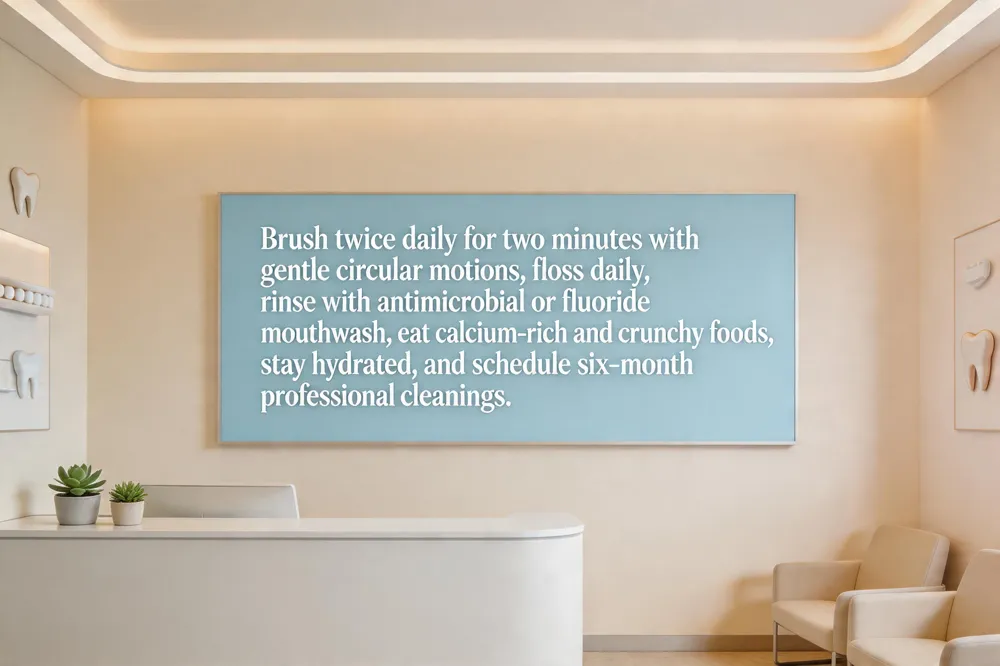 Consistent brushing and flossing are the backbone of a healthy smile. Use a soft‑bristled brush sized for each family member, apply a pea‑sized amount of fluoride toothpaste (a grain‑of‑rice smear for toddlers), and brush for two minutes with gentle circular motions—about 30 seconds per mouth quadrant. Follow with daily floss or interdental cleaners to reach the spaces a brush cannot.
Antimicrobial or fluoride mouthwash adds a protective layer; rinse for 30 seconds after brushing to kill lingering bacteria and reinforce enamel.
Dietary guidelines: Choose calcium‑rich foods (milk, cheese, yogurt, leafy greens) and crunchy fruits/vegetables (apples, carrots, celery) that act as natural toothbrushes. Limit sugary and acidic snacks and drinks; water between meals helps wash away sugars and neutralize acids.
Hydration and saliva‑stimulating habits: Drink plenty of fluoridated water throughout the day; sugar‑free gum or lozenges can boost saliva, which naturally protects teeth.
Regular professional care: Schedule dental check‑ups and cleanings every six months. In‑office fluoride treatments, sealants for children, and early detection of problems keep the whole family healthy.
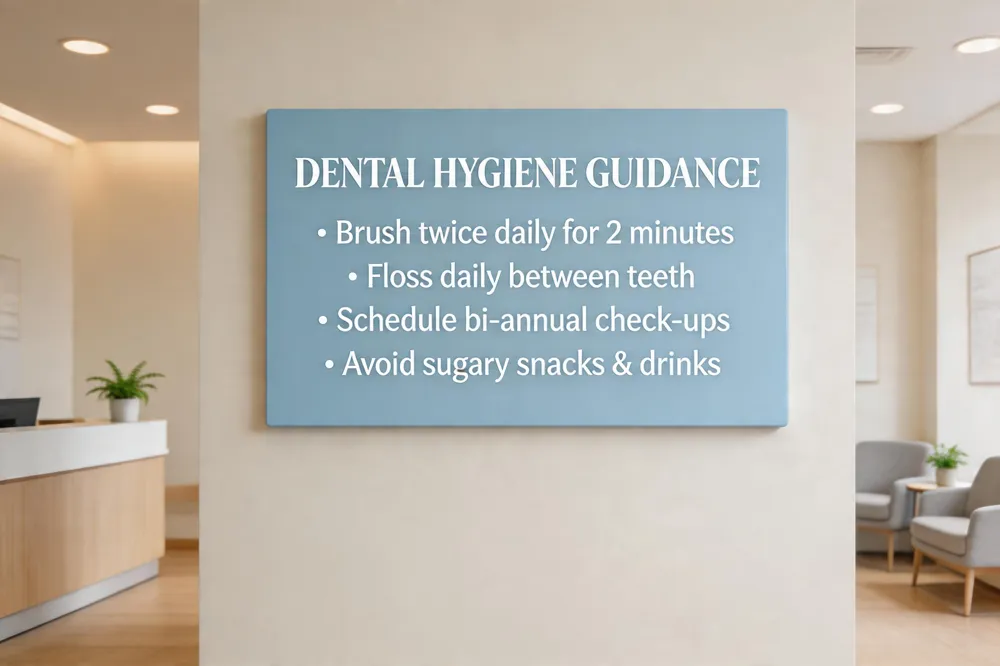
10 easy ways to keep your teeth healthy for Shreveport residents: Brush twice daily with fluoride toothpaste, floss daily, rinse with antimicrobial mouthwash, limit sugary foods, eat calcium‑rich snacks, stay well hydrated, replace toothbrushes every 3‑4 months, avoid tobacco, schedule bi‑annual visits at Loud Family Dental, and keep up with professional fluoride applications.
5 practical tips for daily tooth care at home: 1) Brush twice a day with soft bristles and fluoride paste; 2) Floss daily; 3) Use an antibacterial or fluoride mouthwash; 4) Choose water and tooth‑friendly foods; 5) Replace your brush regularly.
6 simple habits to maintain strong teeth and gums: Brush twice daily, floss daily, attend six‑month check‑ups, stay hydrated and eat calcium‑rich foods, avoid tobacco, and consider fluoride mouthwash or sugar‑free gum for extra protection.
Adult Oral Health and Systemic Connections
 Adult brushing, flossing, and mouthwash recommendations
Brush twice a day for at least two minutes with a soft‑bristled toothbrush and fluoride toothpaste. Use gentle circular motions and spend about 30 seconds per quadrant. Floss daily to remove plaque between teeth and along the gumline, and finish with an alcohol‑free antibacterial mouthwash to reduce gingivitis.
Impact of diet, tobacco, and alcohol on gum disease
A balanced diet rich in calcium‑dense dairy, lean proteins, whole grains, fruits, and vegetables supports enamel and gum health. Limit sugary, sticky snacks and acidic drinks (coffee, tea, wine, citrus juices) that erode enamel. Tobacco use and excessive alcohol dramatically increase the risk of gum disease, tooth loss, and systemic conditions such as heart disease and diabetes.
Understanding pain‑management rules (3‑3‑3) and restoration guidelines (50‑40‑30)
The 3‑3‑3 rule: take three 200‑mg ibuprofen tablets every three hours for up to three days to manage toothache pain; seek dental care if pain persists after 72 hours. The 50‑40‑30 rule helps dentists decide when a crown or onlay is needed—if damage exceeds roughly 50 % of tooth width, 40 % of length, or 30 % of overall structure, full‑coverage restoration is preferred.
Practice efficiency insight (80/20 rule)
In dentistry, the 80/20 (Pareto) principle means roughly 80 % of a practice’s revenue comes from 20 % of patients or referrals. Focusing on high‑value relationships while still providing quality care for every patient improves outcomes and practice health.
Dental insurance cost basics for Louisiana families
Average premiums in Louisiana are about $28 per person per month, so a family of four typically pays $110‑$120 monthly. Low‑cost stand‑alone plans start around $9 per person, while comprehensive PPOs range $30‑$40 per person, leading to annual out‑of‑pocket maximums of $1,000‑$2,000 per member.
How to enroll in Delta Dental as an individual
You can purchase Delta Dental plans directly online or by calling 1‑800‑434‑9128. Choose the state (Louisiana) and plan type (PPO, DeltaCare USA, etc.), complete the application, and receive a member dashboard for managing coverage.
Oral health tips for adults in Shreveport
Brush twice a day for at least two minutes with fluoride toothpaste, floss daily, and use an antibacterial mouthwash. Limit acidic and sugary drinks, choose a calcium‑rich diet, avoid tobacco and excess alcohol, and schedule regular check‑ups with a Shreveport dentist to protect both oral and overall health.
Putting It All Together: Building Your Family‑Wide Plan
 Creating a personalized oral‑health schedule for each age group is the foundation of a family‑wide plan. Toddlers (0‑2 years) begin with a soft cloth wipe after feedings, then a pea‑sized dab of fluoride toothpaste as soon as the first tooth erupts; children 3‑6 years use a pea‑size amount and start flossing when two teeth touch. Teens and adults brush twice a day for two minutes with a soft‑bristled brush, floss daily, and attend a six‑month check‑up. Printable brushing charts and simple reward systems—like sticker stickers for monthly tooth‑cleaning—turn routine care into a fun family activity and reinforce good habits. Community events such as the "3 Miles for Free Smiles" race provide free fluoride varnish, sealants, and oral‑health education, making preventive care accessible and enjoyable. Choosing the right dental insurance or membership plan (e.g., a Delta Dental PPO with 100 % preventive coverage, a NJ FamilyCare Program, or Loud Family Dental) ensures two exams, cleanings, and fluoride treatments are covered with minimal out‑of‑pocket cost. Coordination with Loud Family Dental—routine exams, cleanings, sealants, and fluoride varnish—keeps the entire family on schedule. Finally, conduct an annual review of the plan: assess each child’s risk level, update the brushing chart, adjust insurance coverage as needs change, and set new goals so the oral‑health routine evolves with your family’s growth.
Your Next Steps Toward a Lifetime of Smiles
Start by scheduling your family’s first dental‑home visit at Loud Family Dental, where a welcoming team can set up a personalized oral‑health plan for every age. Begin daily habits today: brush twice a day for two minutes with a soft‑bristled, fluoride‑containing toothpaste (pea‑size for children, grain‑of‑rice for toddlers), floss once daily, and choose calcium‑rich, low‑sugar foods and water between meals. Take advantage of community resources—fluoride varnish programs, school‑based sealants, and Medicaid or NJ FamilyCare benefits that cover cleanings, exams, and preventive treatments. Finally, meet with your dentist every six months to review X‑rays, adjust nutrition or technique, and update the plan as your family grows, ensuring a lifetime of healthy, confident smiles.