Introduction to Our Committed Dental Team and Patient-Centered Approach
Our Dental Team
At Loud Family Dental, our team includes general dentists, specialists, dental hygienists, assistants, and technicians, each dedicated to different aspects of your oral health. Together, we provide a full spectrum of care from routine cleanings to advanced restorative treatments.
Comprehensive Care for All Ages
We focus on delivering personalized dental services tailored for every member of your family, from young children to adults. Our goal is to ensure healthy smiles across generations through preventive care and expert treatments.
Comfort and Professionalism
Your comfort is our priority. We use gentle techniques and modern technology to make your visits as pleasant as possible while maintaining the highest professional standards.
Community Commitment
We are proud to serve our local community, emphasizing accessible, transparent, and compassionate dental care. Our team works closely with patients to support long-term oral health and promote overall wellness.
The Essential Roles Within Our Dental Team
What are the roles of dental team members?
Our Dental Team Roles is made up of several specialized professionals who work together to ensure comprehensive, high-quality oral healthcare.
-
General Dentists and Specialists: The dentists lead the team by diagnosing and treating oral health issues. Orthodontists and Pediatric Dentists, Endodontists and Periodontists, and Oral Surgeons focus on specific dental problems and advanced surgical or corrective care.
-
Dental Hygienists and Assistants: They provide Preventive Dental Care by performing teeth cleanings, taking X-rays, and educating patients on proper oral hygiene. Hygienists also screen for conditions such as oral cancer, diabetes, and hypertension to aid early detection.
-
Dental Assistants: Supporting dentists during procedures, assistants help with patient care, take impressions, manage records, and facilitate smooth treatment processes.
-
Dental Technicians: Working behind the scenes, technicians craft customized dental appliances including crowns, dentures, and bridges based on the dentists' prescriptions to restore function and aesthetics.
-
Administrative Team Roles: This includes Practice Managers, Insurance Coordinators, and Front Desk Staff who manage daily operations, appointment scheduling, and insurance processing to ensure a Smooth Patient Experience.
How does each member contribute to patient care and smooth clinic operations?
Each team role is interdependent, creating a seamless patient journey from Diagnosis and Treatment Planning to treatment and follow-up care. Dentists provide expert clinical care, while hygienists and assistants support patient education and procedure efficiency. Technicians guarantee well-fitting dental appliances. Meanwhile, the administrative team ensures that appointments run on time and billing is handled accurately, reducing patient stress.
How do dental and administrative teams collaborate?
Collaboration is the cornerstone of our practice. Regular communication and daily team huddles align dental and administrative efforts, helping to coordinate treatment plans, streamline office functions, and address patient needs promptly. This teamwork and respect in dental practices fosters a respectful, inclusive environment that enhances overall clinic performance and patient satisfaction.
Why is patient participation important in oral health maintenance?
Patient involvement is essential to maintaining oral health outside the clinic. By following Hygiene Recommendations and providing accurate Medical and Dental Histories, patients empower the team to tailor their care effectively. Active participation helps prevent dental diseases and supports successful, long-lasting treatment outcomes.
| Team Member | Primary Roles | Contribution to Care |
|---|---|---|
| General Dentists | Diagnosis, treatment, leadership | Oversees overall patient care |
| Specialists | Advanced procedures and surgery | Focuses on specialized oral care |
| Dental Hygienists | Cleanings, screenings, education | Preventive care and early detection |
| Dental Assistants | Procedural support, records, impressions | Assists during treatments |
| Dental Technicians | Crafting dentures, crowns, bridges | Provides custom restoration devices |
| Administrative Staff | Scheduling, insurance, operations | Ensures smooth patient experience |
Mastering Key Skills for Dental Assistants to Enhance Patient Care
What are the essential skills dental assistants should master to contribute to the success of a dental team?
Dental assistants play a vital role in the success of a dental team by mastering a range of essential skills. Besides soft skills like communication, empathy, and professionalism, they must have a solid understanding of dental procedures, infection control protocols, and patient safety standards. Technical skills such as chairside assistance, mastering the use of dental tools, and handling dental records accurately are crucial for efficiency and quality care.
Continuous education and staying updated with advancements in dental technology help assistants maintain competence and deliver the best patient outcomes. Ultimately, a combination of technical expertise, interpersonal skills, and a commitment to ongoing learning ensures dental assistants contribute effectively to a positive and successful dental practice.
What are four essential skills every dental assistant needs to master?
-
Communication Skills: Serving as a vital link between the dentist and patient, dental assistants must communicate instructions clearly and provide patient comfort.
-
Attention to Detail: Precision in measurements and treatment administration safeguards patient safety and treatment success.
-
Technical Proficiency: Expertise in using dental tools, instruments, and procedures is necessary to support the dentist efficiently during treatments.
-
Compassion and Patient Care: Creating a welcoming, empathetic environment helps ease patient anxiety and promotes a positive dental experience.
Additionally, dental assistants need strong time management and multitasking abilities to juggle patient care and operational tasks seamlessly, ensuring high-quality service throughout the day.
Why is infection control and procedural knowledge important for dental assistants?
Infection control is fundamental in preventing cross-contamination and maintaining a safe clinical environment for patients and staff. Dental assistants must rigorously follow sterilization protocols and understand procedural workflows to reduce risks during dental treatments.
How does continuous education impact dental team success and patient outcomes?
Ongoing training enables dental assistants to stay informed about the latest dental technology, infection control updates, and best practices. This continuous learning boosts their confidence, enhances team dynamics in dental practice, and directly improves patient care quality.
How do dental assistants contribute to efficiency and quality in dental treatment?
By mastering clinical and organizational skills, dental assistants ensure smooth office operations and effective chairside support. Their role in patient education and comfort also optimizes appointment flow and treatment success, ultimately elevating the overall patient experience in the comprehensive patient care approach.
Effective Communication Strategies Between Dental Teams and Patients

How can dentists and dental team members communicate effectively with patients?
Effective communication is the cornerstone of successful Dental Care in the United States and patient satisfaction. Dentists and their teams should prioritize active listening to truly understand patients' concerns and questions. Using clear, simple language tailored to each patient's level of understanding helps demystify complex dental procedures.
Visual aids, such as diagrams or digital images, are invaluable tools in patient education, making explanations more accessible and engaging. Non-verbal communication—like friendly facial expressions and open body language—further strengthens the bond of trust and reassurance.
Dental practices often utilize multiple communication channels to keep patients informed and connected. This can include appointment reminders via text messages, follow-up emails about treatment plans, or phone calls to answer questions, ensuring consistent engagement.
Customizing communication approaches based on individual patient preferences and needs is essential. It encourages openness, reduces anxiety about dental procedures, and fosters a positive environment. Regularly seeking patient feedback allows dental teams to adjust their communication style and improve patient comfort and care outcomes. Effective Patient and Provider Communication is a key element in building lasting trust and enhancing oral health outcomes.
Community-Based Dentistry: Extending Care Beyond the Clinic Walls
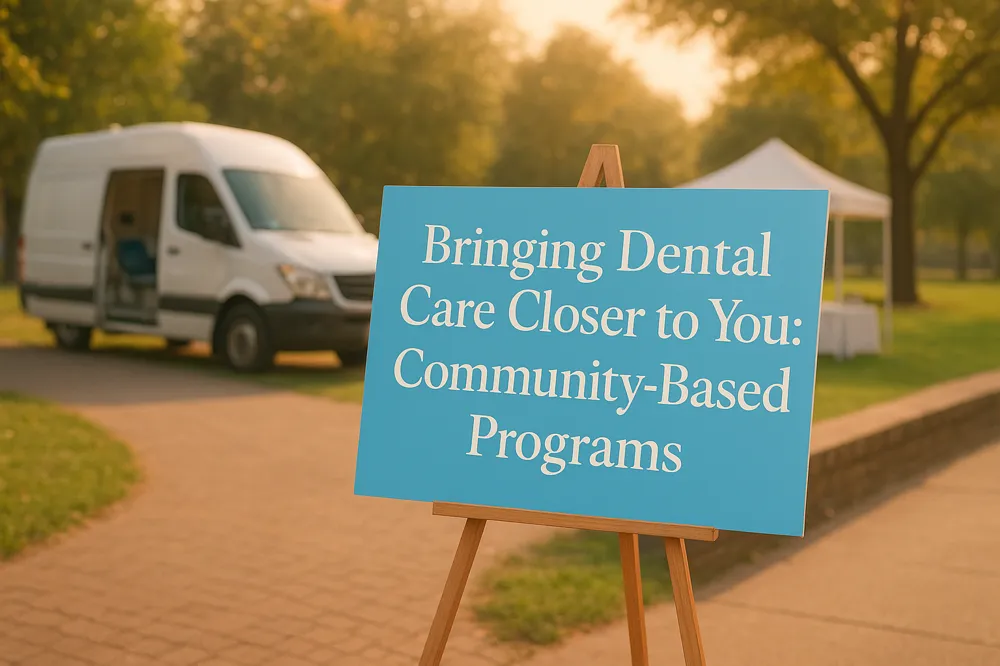
What is community-based dentistry?
Community-based oral health programs deliver dental care outside traditional clinic settings. These programs might operate as free-standing dental clinics or be integrated within other health or social service locations like WIC centers, schools, community centers, and homeless shelters. Some even employ mobile dentistry units or portable equipment to reach people where they are. This flexible model aims to increase access to dental care among underserved populations by removing common barriers to treatment.
How do community programs improve dental care access?
Community dental clinics focus on serving uninsured, low-income, or otherwise underserved populations. For example, the Community Dental Clinic in Clearwater, Florida provides comprehensive care without accepting dental insurance or payments, relying on donations and community support. Similarly, the UF College of Dentistry operates a statewide network delivering affordable dental services to individuals at or below 200% of the federal poverty level across Florida’s counties. These efforts help ensure that vulnerable groups receive essential oral health care.
What role do community health coordinators play?
Community dental health coordinators (CDHCs) are pivotal in outreach and patient navigation. Acting as community health workers, they help connect underserved individuals with dental services, promote preventive care, and navigate insurance and treatment options. Studies have shown their involvement increases vaccination rates and access to dental care, effectively bridging the gap between clinical services and community needs.
What are community partnership examples and independent operations?
Independent nonprofit clinics, like the Community Dental Clinic in Florida, exemplify free-standing dental operations focusing on community needs without profit motives. Other programs like those at the UF College of Dentistry leverage partnerships with county health departments to extend oral health surveillance and prevention. These models highlight how collaborations between academic institutions, nonprofits, and local agencies can expand the reach and impact of dental care beyond traditional practices.
Loud Family Dental’s Mission and Commitment to Accessible Patient Care
What is Loud Family Dental’s core mission?
Loud Family Dental is devoted to compassionate, personalized, and high-quality dental care. Their mission centers around prioritizing patient health and comfort, building trusting relationships, and delivering treatments tailored to each individual’s needs. Staying up to date with the latest advancements in dentistry ensures patients receive the best care in a welcoming environment. See also Dental Care in the United States.
Does Loud Family Dental accept Medicaid for patients?
Yes, Loud Family Dental accepts Medicaid, enabling families and children reliant on Medicaid to access comprehensive dental services. The practice is committed to making dental care affordable and accessible. Patients are encouraged to contact the clinic directly to confirm current Medicaid participation and understand coverage details. The supportive staff assist patients with insurance questions to help navigate their benefits smoothly. More about Administrative Team Roles and Dental Insurance Handling.
How does Loud Family Dental prioritize patient comfort and trust?
Loud Family Dental focuses deeply on creating a comfortable dental experience. They foster an atmosphere where patients feel respected and cared for, encouraging open communication and transparency. By emphasizing gentle care and individualized attention, the practice ensures patients build lasting, positive relationships with their dental team. This reflects the importance of Patient and Provider Communication and Promoting a respectful workplace in dental practices.
Why is staying current with dental advances important to Loud Family Dental?
To provide optimal and effective care, Loud Family Dental continually embraces the latest dental technologies and treatment techniques. This commitment allows them to offer modern solutions that improve patient outcomes and comfort, reflecting their dedication to quality and innovation. Staying current aligns with Dental Team Roles and Advanced Dental Procedures.
| Aspect | Description | Patient Benefit |
|---|---|---|
| Mission Focus | Compassionate, personalized, quality care | Tailored treatments, trust building |
| Medicaid Acceptance | Yes, verified with direct clinic contact | Access for Medicaid patients |
| Patient Comfort & Trust | Gentle care, open communication | Positive dental experience |
| Latest Dental Advances | Adoption of new technologies and methods | Improved outcomes and comfort |
Conclusion: Our Dental Team’s Expertise Fuels Personalized and Community-Focused Care
Our dental team plays a vital role in ensuring outstanding patient care. Dentists, specialists, hygienists, assistants, and administrative staff collaborate seamlessly to address every aspect of oral health—from diagnosis and treatment to preventive education.
Open communication between patients and providers is a cornerstone of our practice, facilitating trust and personalized care. Equally important is our deep commitment to serving the community, making quality dental services accessible and responsive to local needs.
We encourage patients to engage actively in their oral health by following hygiene guidance and sharing their dental history openly. Together, this partnership supports healthier smiles and stronger community well-being.