Why Daily Oral Care Matters
Consistent home oral‑hygiene—brushing twice a day with a soft‑bristled, and fluoride toothpaste, flossing daily, and using an antimicrobial mouthwash—creates a clean foundation that lets professional cleanings at Loud Family Dental work faster and last longer. When plaque and tartar are kept low between visits, the hygienist can focus on polishing and fluoride treatments rather than removing heavy buildup, which improves the overall result of each prophylaxis. Good oral hygiene also protects more than your smile; it reduces the bacterial load that contributes to heart disease, stroke, diabetes, and even complications during pregnancy, linking a healthy mouth to whole‑body wellness. Loud Family Dental embraces community‑focused care by offering personalized preventive plans, affordable cleanings, and education on diet, saliva‑stimulating gum, and proper brushing techniques—ensuring that every patient, from children to seniors, enjoys the systemic and dental benefits of diligent daily care.
Fundamentals of a Powerful Routine
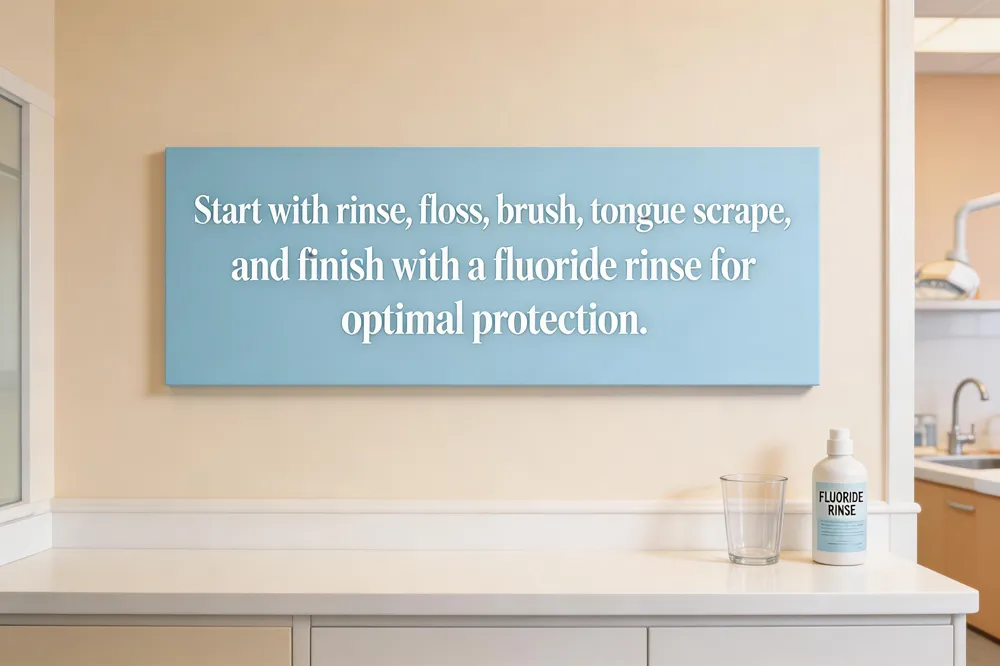 A solid oral‑hygiene regimen follows a logical order that lets each step work at its best. First, give your mouth a quick rinse or swish an alcohol‑free antimicrobial mouthwash to loosen loose debris and lower the bacterial load. Next, floss or use interdental brushes – this removes plaque from the tight spaces that a brush cannot reach and prepares the tooth surfaces for fluoride exposure. Then brush for two minutes with a soft‑bristled toothbrush and fluoride toothpaste, using gentle circular motions at a 45‑degree angle to the gum line; start at the back molars and work forward so no area is missed. After brushing, scrape or brush the tongue with a tongue scraper to eliminate the bacterial film that causes bad breath and can re‑colonize the teeth. Finish with a short fluoride or water rinse to lock in protection.
Why a tongue scraper matters – The tongue harbors up to 50 % of oral bacteria; removing this biofilm reduces halitosis, lowers overall bacterial load, and supports gum health.
How to drastically improve oral hygiene – (1) Brush twice daily with a soft‑bristled toothbrush and fluoride toothpaste for two minutes. (2) Floss or use interdental cleaners every day. (3) Rinse with an alcohol‑free antimicrobial mouthwash. (4) Clean the tongue with a tongue scraper. (5) Replace the brush every three months or when bristles fray. (6) Limit sugary drinks and rinse with water after consumption. (7) Visit the dentist for professional cleanings and exams at least twice a year.
Oral hygiene routine order – Rinse → floss → brush → tongue scrape → final rinse. This sequence maximizes plaque removal, fluoride contact, and breath freshening for a healthier smile.
Professional Guidance and Nursing Care
 Providing safe oral care in a nursing setting starts with a clear, step‑by‑step protocol that protects patients’ teeth and gums while fitting into the daily workflow. A typical oral‑care routine for caregivers includes:
- Assessment – Check for sores, plaque, dried saliva, and any recent changes in medication that might affect oral health.
- Brushing – Use a soft‑bristled toothbrush and a pea‑sized amount of fluoride toothpaste. Position the brush at a 45‑degree angle to the gum line and employ gentle circular motions for two minutes, starting at the molars and working forward.
- Interdental cleaning – Floss or, for patients with limited dexterity, employ a water flosser or interdental brushes. This removes plaque from spaces a brush cannot reach and reduces the risk of gum disease.
- Mouthwash – If indicated, rinse with an antimicrobial mouthwash (e.g., essential‑oil or chlorhexidine) for 30 seconds to lower bacterial load.
- Tongue and cheek cleaning – Gently brush the tongue and inner cheeks to reduce bad‑breath compounds and overall bacterial count.
- Documentation – Record findings and alert the dental team to any lesions, bleeding, or changes.
Special considerations for patients with limited dexterity – Adaptive tools such as electric toothbrushes with universal cuffs, silicone grips, or suction‑attached brushes enable ALS or stroke patients to brush safely. Caregivers should position patients comfortably, lock wheelchair wheels, and monitor for choking risk.
Integrating home care with professional cleanings – Encourage patients to maintain the twice‑daily brushing and daily flossing schedule, chew sugar‑free gum to boost saliva, and limit acidic or sugary snacks. Schedule professional cleanings at least every six months; the clinician will remove tartar that home care cannot eliminate and apply fluoride treatments that further protect enamel. Consistent daily habits, combined with regular professional visits, create a synergistic effect that preserves oral health and supports overall well‑being.
Mechanics, Chemistry, and Professional Care
 Types of oral hygiene
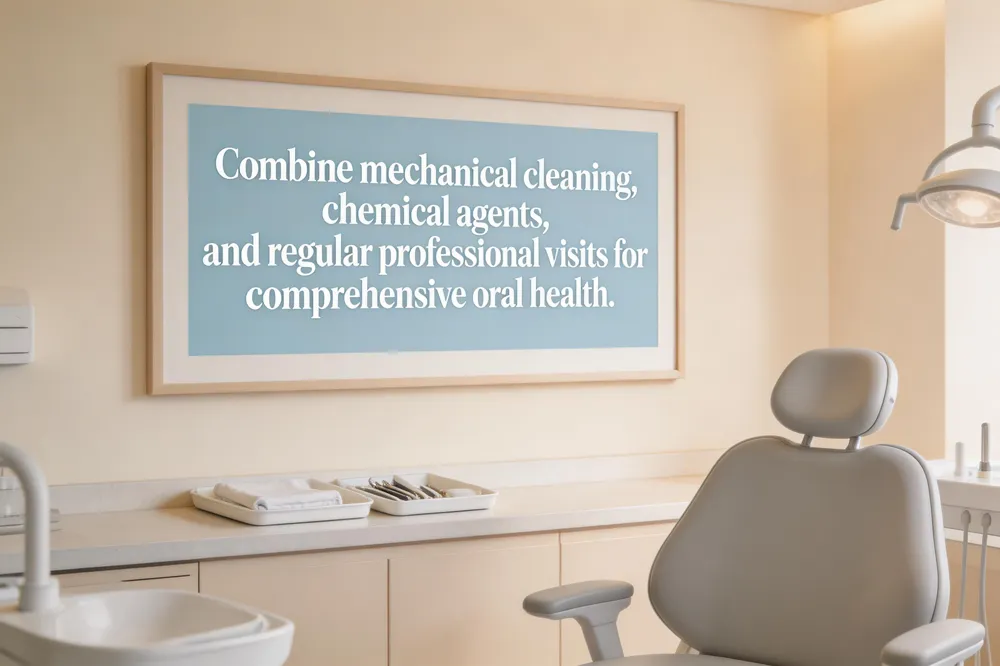
Oral hygiene can be divided into three primary categories. Mechanical cleaning includes daily brushing with fluoride toothpaste, flossing or using interdental brushes, and tongue scraping to physically remove plaque. Chemical cleaning involves antimicrobial or fluoride‑based mouth rinses, gels, and specialty toothpastes that help control bacteria and strengthen enamel. Professional care consists of regular dental check‑ups, professional cleanings, sealants, and fluoride treatments performed by a dentist or hygienist. Together, these practices keep plaque at bay, prevent cavities and gum disease, and support overall oral health.
Best oral hygiene products
The cornerstone of a good routine is a soft‑bristled electric toothbrush (e.g., Oral‑B Genius) used for two minutes twice daily, paired with an ADA‑approved fluoride toothpaste such as Colgate Total to strengthen enamel. Complement the brushing with daily flossing or interdental brushes to remove plaque between teeth, and add a tongue scraper to reduce bacterial load and freshen breath. An alcohol‑free antimicrobial mouthwash—like Listerine Zero or a fluoride rinse—helps control gingivitis without drying out the mouth. For those with sensitivity or looking for extra protection, consider a prescription‑strength fluoride toothpaste or a hydroxyapatite‑based toothpaste tablet. Finally, a water flosser can be a gentle, effective alternative for patients with braces or limited dexterity.
10 ways to keep your teeth healthy
- Brush twice a day with a soft‑bristle brush and fluoride toothpaste, using gentle circular motions.
- Replace your toothbrush every 3–4 months.
- Floss or use a water flosser daily to clean between teeth.
- Scrape or brush your tongue each morning and night.
- Rinse with an antimicrobial or fluoride mouthwash after brushing.
- Limit sugary and acidic foods and drinks; choose cheese, fruits, and vegetables as snacks.
- Chew sugar‑free gum after meals to boost saliva flow.
- Stay well‑hydrated throughout the day.
- Avoid tobacco and limit alcohol consumption.
- Schedule professional dental cleanings and check‑ups at least twice a year, or as your dentist recommends, and follow any prescribed fluoride treatments.
Detecting Early Warning Signs
 Persistent bad breath (halitosis) that doesn’t improve after brushing, along with bleeding, red, or swollen gums, are early alerts that plaque and bacteria are building up. Visible plaque or tartar on the teeth, tooth sensitivity to hot or cold, and recurring cavities or gum recession also signal inadequate cleaning. Changes on the tongue—such as white patches, a coated or red appearance, or scalloped edges—can indicate bacterial overgrowth or inflammation linked to poor oral hygiene. Frequent mouth sores, a dry mouth, or loose and shifting teeth suggest the problem may be progressing toward gum disease.
Good oral hygiene protects your teeth and gums from cavities, gum disease, and eventual tooth loss, keeping your smile healthy and functional. By removing plaque and bacteria through regular brushing and flossing, you reduce the risk of infections that can spread to the bloodstream and contribute to heart disease, stroke, diabetes complications, and respiratory illnesses such as pneumonia. Healthy mouths also lower the chance of pregnancy‑related problems like preterm birth and low birth weight. Maintaining clean teeth supports overall well‑being, boosts confidence, and helps you eat, speak, and smile without pain or embarrassment.
For adults, brush twice daily with fluoride toothpaste and floss or use interdental brushes every day to remove plaque. Limit sugary and acidic foods and drinks, drink fluoridated water, and chew sugar‑free gum to help neutralize acids and stimulate saliva. Avoid tobacco, drink alcohol in moderation, and stay up to date on vaccinations such as HPV to reduce the risk of oral cancers. Manage systemic health conditions like diabetes, and discuss any medication‑induced dry mouth with your dentist or doctor. Schedule regular dental exams and cleanings at least once a year, and use a mouthguard during contact sports or if you grind your teeth.
Specialized Techniques and Adjuncts
 Oral hygiene routine order with oil pulling
Start your morning by scraping the tongue with a metal scraper to remove the overnight bacterial film. If you use oil pulling, swish a tablespoon of coconut or sesame oil for 5–10 minutes, then spit it into the trash and rinse the mouth with water. Follow with flossing or interdental cleaning to dislodge plaque from between the teeth. Brush your teeth for a full two minutes using a soft‑bristled brush and fluoride toothpaste in gentle circular motions. Rinse with an alcohol‑free antibacterial mouthwash and finish with a fluoride rinse for extra protection. Avoid eating or drinking for at least 30 minutes to let the fluoride work.
Steps of oral hygiene
A thorough oral‑hygiene routine begins with a quick water rinse to loosen debris, then brush for two minutes with a soft‑bristled brush and fluoride toothpaste, angling the bristles 45 degrees toward the gum line. Next, clean between the teeth with floss or an interdental brush, curving the floss into a “C” shape around each tooth. Use a tongue scraper or your toothbrush to gently remove tongue bacteria. Rinse with an alcohol‑free antibacterial mouthwash, and if recommended, finish with a fluoride rinse. Spit out any remaining liquid and refrain from swallowing the products.
What is the 2‑2‑2 rule for oral hygiene?
The 2‑2‑2 Rule is a three‑part habit: brush twice a day, brush for two minutes each time, and see the dentist for a professional cleaning and check‑up twice a year. Following these “twos” helps prevent cavities, gum disease, and keeps your smile bright and comfortable.
Lifestyle Tweaks, Diet, and Home Environment
 Teeth care tips at home
Maintain a consistent oral‑hygiene routine: brush twice daily with a soft‑bristle brush and fluoride toothpaste, using gentle circular motions at a 45‑degree angle to the gum line. Include the tongue in each session and finish with an alcohol‑free antimicrobial mouthwash to lower bacterial load. Floss or use interdental brushes every day to reach the spaces a brush cannot. Limit sugary and acidic foods; when you do consume them, wait 30–60 minutes before brushing to protect softened enamel. Rinse with plain water after meals to wash away debris and help neutralize acids.
How do you keep your teeth clean every day?
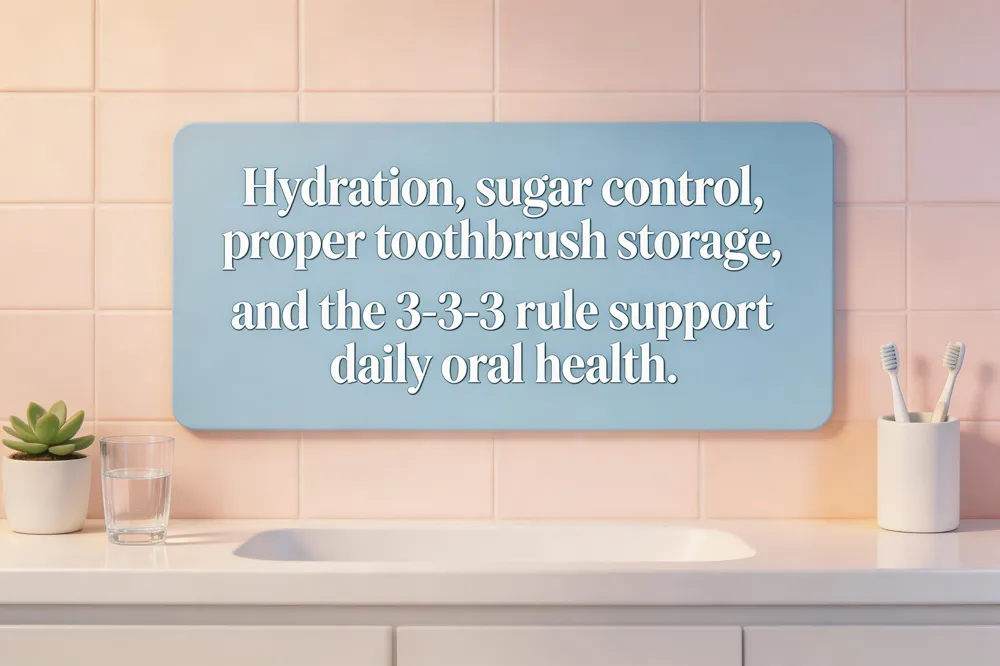
Start with a two‑minute brush (≈30 seconds per quadrant), then floss or an interdental cleaner to remove plaque between teeth. A fluoride mouthwash can add extra protection. Replace your toothbrush or electric‑brush head every three to four months, or sooner if bristles fray. Electric brushes with timers improve coverage and pressure control. Stay well‑hydrated ; water stimulates saliva, which naturally buffers acids and clears food particles.
What is the 3‑3‑3 rule for teeth?
The informal 3‑3‑3 rule suggests brushing three times a day for three minutes each and avoiding eating for three hours before bedtime. Dental authorities recommend brushing twice a day for two minutes, which meets most patients’ needs unless specific risk factors exist.
Maintaining toothbrushes and holders
Clean toothbrush holders weekly with hot, soapy water or a dishwasher, then disinfect with wipes to prevent bacterial buildup. Store brushes upright to air‑dry, and keep them away from other bathroom germs. Regular replacement ensures optimal plaque removal and protects gums and enamel.
Putting It All Together at Loud Family Dental
 Summary of Key Home‑Care Steps
- Brush twice daily with a soft‑bristled toothbrush for two minutes, using a fluoride toothpaste and a gentle 45‑degree angle.
- Floss or use interdental cleaners every day to reach the spaces a brush cannot.
- Rinse with an alcohol‑free antimicrobial mouthwash after brushing and flossing.
- Clean the tongue with a scraper or brush to reduce bacteria and freshen breath.
- Replace your toothbrush every three months (or sooner if bristles are frayed).
- Limit sugary and acidic foods/drinks; rinse with water after consumption and wait 30–60 minutes before brushing acidic foods.
- Schedule professional dental cleanings and exams at least twice a year.
How to drastically improve oral hygiene?
- Brush twice daily with a soft‑bristled brush for two minutes each time.
- Floss or use interdental cleaners every day to remove plaque between teeth.
- Rinse with an alcohol‑free antimicrobial mouthwash.
- Clean your tongue with a scraper or brush to reduce bacteria and bad breath.
- Replace your toothbrush every three months or sooner if the bristles are frayed.
- Limit sugary drinks and snacks; rinse with water after consumption.
- Schedule regular dental cleanings and exams at least twice a year.
How Loud Family Dental Supports Patients
- We provide personalized oral‑health assessments and create customized home‑care plans.
- Our team demonstrates proper brushing, flossing, and tongue‑cleaning techniques, including video‑feedback tools.
- We offer ADA‑approved fluoride treatments, antimicrobial mouthwashes, and sugar‑free gum recommendations to boost remineralization.
- Regular six‑month cleanings remove tartar that home care cannot, preserving the results of your daily routine.
Call to Action for Scheduling Cleanings Ready to protect your smile? Call Loud Family Dental today or book online to secure your next professional cleaning and keep your oral health on track.
Putting It All Together
Your oral‑care routine begins with brushing twice a day for two minutes using a soft‑bristled brush and fluoride toothpaste, angled at 45 degrees and moving in circular strokes. Start at the back molars, then clean front surfaces and the tongue. Follow with flossing or an interdental brush, using a C‑shaped motion around each tooth. Rinse with an alcohol‑free antimicrobial mouthwash for 30 seconds and, if desired, chew sugar‑free gum to boost saliva and aid remineralization. After meals, rinse with water to clear residual acids. This consistent routine removes most plaque and protects enamel, yet it cannot eliminate hardened tartar or detect early disease. Professional cleanings every six months (or more often when needed) remove calculus, polish teeth, and let the dentist spot problems early. At Loud Family Dental we tailor each visit to your needs, offering personalized advice, preventive treatments, and a setting to keep your smile healthy for life.