Introduction to Orthodontic Choices
Overview of Orthodontic Treatment Options
Orthodontic treatments primarily include traditional braces and clear aligners. Braces consist of brackets and wires fixed to the teeth, often made of metal, ceramic, or gold-colored materials. Clear aligners are nearly invisible, removable plastic trays custom-made to fit snugly over the teeth.
Importance of Choosing the Right Appliance
Selecting the most suitable orthodontic appliance depends on accurate diagnosis, treatment goals, lifestyle needs, and personal preferences. Factors such as aesthetics, comfort, treatment complexity, and patient discipline play crucial roles. Qualified orthodontic specialists can guide patients toward optimal choices based on individual cases.
General Effectiveness of Braces and Aligners
Both braces and clear aligners effectively correct misaligned teeth and bite problems. Braces are versatile and effective for complex cases, while aligners excel in treating mild to moderate concerns with fewer dietary restrictions. The skill of the orthodontist and patient cooperation significantly influence treatment success.
Understanding the Advantages and Challenges of Clear Aligners and Traditional Braces
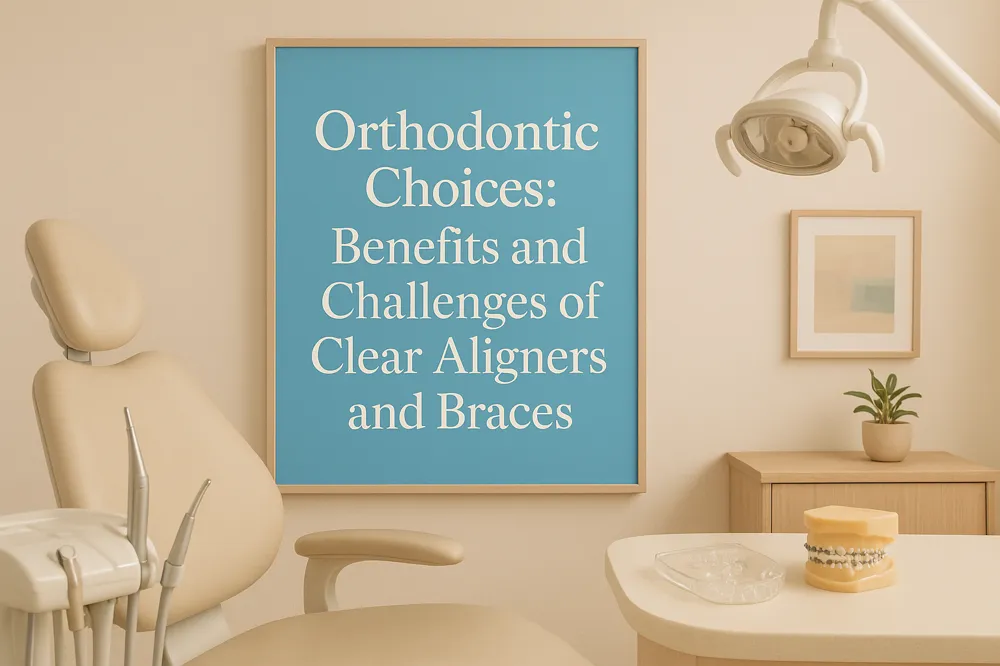
What are the pros and cons of clear aligners versus traditional braces for adults?
Clear aligners offer a nearly invisible and removable option, appealing to adults who seek a discreet orthodontic treatment. They allow for easy eating, brushing, and flossing without restrictions, which significantly improves oral hygiene. Aligners are more comfortable due to their smooth plastic surface, reducing irritation to gums and cheeks. They typically suit mild to moderate alignment issues and may shorten treatment duration. However, clear aligners require patient discipline to wear them 20-22 hours daily. Missing or improperly wearing trays can delay results or affect success (Clear Aligner Therapy).
Traditional braces provide continuous and consistent pressure on teeth, making them effective for complex tooth movements and severe orthodontic problems. They deliver precise control over alignment and bite corrections, which aligns with complicated cases better than aligners (Traditional Metal Braces). Braces are fixed in place, eliminating the risk of patient compliance issues. While more noticeable and sometimes causing discomfort or irritation, braces have a long track record of success, tend to be more affordable, and often require fewer replacements or adjustments (Lucrative benefits of traditional metal braces).
How do patient lifestyle and orthodontic needs influence the choice?
Selecting between clear aligners and traditional braces depends on individual treatment complexity, lifestyle preferences, and oral hygiene habits. Adults valuing aesthetics and convenience with mild alignment needs may prefer clear aligners for their discretion and removability. Patients requiring comprehensive correction of severe crowding, bite issues, or jaw misalignment might benefit more from traditional braces due to their durability and effectiveness.
Meticulous oral hygiene is important for both treatments. Clear aligner wearers must keep teeth clean before insertion to avoid staining or decay, while brace users need dedicated cleaning routines to manage brackets and wires (Oral hygiene with braces, Oral hygiene with clear aligners). Dietary considerations also differ: aligners allow removal during meals without restrictions, whereas braces necessitate avoiding hard, sticky, or chewy foods to prevent damage (Dietary restrictions with braces.
Ultimately, consulting with an experienced orthodontist can help evaluate the best option based on dental condition, goals, and lifestyle, ensuring the chosen treatment delivers healthy, lasting results.
Comparing Treatment Effectiveness and Duration Between Clear Aligners and Braces

How effective are clear aligners for mild to moderate orthodontic cases?
Clear aligners are highly effective for mild to moderate dental misalignments, such as minor crowding, spacing, and bite issues. They gradually and gently move teeth using a series of custom-made, transparent trays which fit snugly over teeth. Their removability allows for excellent oral hygiene with aligners and no food restrictions, enhancing comfort and patient convenience.
Are braces more suitable for severe dental corrections?
Metal braces remain the preferred treatment option for severe orthodontic problems, including complex overcrowding, significant bite issues, rotations, and jaw misalignments. Braces apply constant, controlled force through wires and brackets, offering superior control over intricate tooth movements. They are fixed appliances, so treatment progress is less dependent on patient compliance, which contributes to their high effectiveness in challenging cases.
What are the typical treatment durations for each?
Treatment with clear aligners generally lasts between 6 to 18 months for mild to moderate cases. Their shorter average treatment time is a result of planned, incremental tooth movements and fewer office visits. In contrast, traditional braces typically require 18 months to 3 years, especially for severe or complex orthodontic issues. However, the actual duration varies based on individual correction needs and treatment goals.
What factors influence treatment speed?
Several factors determine treatment duration, including the complexity of the misalignment, patient compliance, and the type of appliance. Clear aligners require wearing trays 20 to 22 hours daily; inconsistent use can prolong treatment. Braces provide continuous pressure and frequent orthodontic adjustments, which can accelerate treatment in severe cases. Additionally, precise control of tooth movement is often easier with braces, which can lead to more predictable timing for complex corrections.
Key Considerations and Potential Drawbacks of Clear Aligner Therapy

What disadvantages are associated with clear aligners?
Clear aligners offer a discreet and comfortable alternative to traditional braces, but they come with some notable disadvantages that patients should consider. First, because aligners are removable, they can be easily misplaced or lost. Losing an aligner disrupts the treatment process and often leads to added costs and extended treatment time (Clear Aligner Therapy.
Patient compliance is crucial for successful outcomes. Aligners must be worn for 20 to 22 hours daily, which can be difficult for individuals with active schedules or those who struggle with routine consistency. Failing to wear aligners as prescribed can significantly delay results (clear aligner treatment effectiveness).
While clear aligners work well for mild to moderate orthodontic issues, they have limitations with complex cases. Severe malocclusion, large tooth rotations, or significant bite problems often require the precise control provided by traditional braces to achieve optimal results (Comparison of treatment effectiveness between clear aligners and braces, Clear aligners vs braces).
Additionally, clear aligners tend to be more costly upfront compared to metal braces. This financial commitment may be a drawback for some patients, especially since more complex cases sometimes also increase overall treatment expenses (Discreet Orthodontic Treatment).
Patients interested in clear aligners should discuss these factors with a qualified orthodontist to determine if this treatment suits their specific needs and lifestyle (Role of orthodontist expertise.
Specialized Orthodontic Options and How Cost Factors Influence Decisions

How do lingual braces compare to traditional braces?
Lingual braces are a unique orthodontic option placed on the back surfaces of teeth, making them virtually invisible from the front. This placement is ideal for patients concerned about the aesthetics of visible wires and brackets. Traditional braces, on the other hand, are affixed to the front of teeth and are more noticeable, although some models use tooth-colored ceramic brackets or colorful elastic ties for personalization.
In terms of maintenance and comfort, traditional braces are often easier to clean and allow straightforward access for orthodontic adjustments. Lingual braces, while discreet, can sometimes cause tongue irritation and are more challenging to clean due to their placement. The choice between these depends largely on the patient's preference for visibility, comfort, and ease of care.
What factors affect the cost comparison between clear aligners and braces?
Cost is a significant factor in choosing between clear aligners and braces. Clear aligners like Invisalign typically cost between $3,000 and $7,000 in the United States, while traditional braces may range from $3,000 to $8,000 depending on materials and treatment complexity.
Several factors influence these costs:
- Case Complexity: More severe misalignments or bite issues require longer and more involved treatments, increasing the overall expense.
- Treatment Duration: Longer treatment times generally add to costs, with braces often requiring more extended periods than aligners for some cases.
- Geographic Location: Prices can vary based on regional market rates and orthodontist expertise.
Clear aligners offer benefits such as fewer orthodontic visits and improved aesthetics but may be pricier, especially for complex cases.
Insurance and payment plans
Many dental insurance plans cover orthodontic treatment partially, often up to $3,000, regardless of whether patients choose braces or clear aligners. This coverage makes treatment more affordable by offsetting some costs.
Orthodontic offices frequently offer flexible payment plans, helping patients manage expenses by breaking down the total cost into monthly installments. This flexibility applies to both braces and aligners and can make either option accessible depending on financial circumstances.
Influence of case complexity on costs
The severity of the dental issues directly impacts treatment type, duration, and cost. Complex malocclusions, significant crowding, or bite corrections typically necessitate more precise movement controls, which braces often handle better due to their continuous fixed application. These cases may demand longer treatment times and increased adjustments, boosting overall costs.
Clear aligners can effectively address mild to moderate cases and often provide a shorter treatment duration, which might reduce costs. However, when complexity rises, aligners may require attachments or auxiliary devices, sometimes making treatment more expensive.
Ultimately, a thorough consultation with a qualified orthodontist is essential to evaluate individual needs, aesthetic preferences, and financial considerations to devise the most effective and economical treatment plan.
Best Practices and Special Instructions for Clear Aligner Users

What is the Invisalign '30-minute rule' and why is it important?
The Invisalign "30-minute rule" highlights two critical practices for successful treatment. First, patients should avoid leaving their aligners out for more than 30 minutes to ensure consistent pressure is maintained on the teeth. "Wearing Aligners 20-22 Hours Daily" to effectively guide tooth movement. Second, after eating or drinking anything other than water, it is recommended to wait about 30 minutes before brushing teeth and reinserting the aligners. This pause allows the enamel to recover from acidity, reducing the risk of tooth decay and erosion. Adhering to this rule helps maximize both treatment effectiveness and oral health during orthodontic care.
Oral hygiene with clear aligners
Maintaining excellent "oral hygiene with clear aligners" is easier with clear aligners because they are removable. Patients can brush and floss normally without interference from brackets or wires. However, it's essential to clean both teeth and aligners regularly to prevent staining and minimize bacterial growth. Avoid consuming sugary or acidic drinks while wearing aligners, as these can seep in and promote decay. Regular rinsing and gentle cleaning of aligners keep them clear and comfortable throughout treatment.
Do clear aligners effectively treat overbites and gaps?
"Clear aligners are effective for treating mild to moderate overbites and gaps", especially when caused by dental misalignments. They work by gently moving teeth using custom-made trays that fit snugly and are nearly invisible. Treatment length usually ranges from 6 to 24 months, with routine orthodontic check-ups to monitor progress. For severe overbites or deep skeletal issues, clear aligners alone might not be sufficient, and "traditional braces, elastics, or surgical interventions could be required". An experienced orthodontic evaluation is crucial to determine the best approach.
How do clear aligners compare to retainers?
"Clear aligners and retainers have distinct roles in orthodontics". Aligners are used during active treatment to gradually shift teeth into the desired position by applying gentle, consistent pressure. In contrast, retainers are worn after treatment completion to maintain teeth alignment and prevent relapse caused by the natural elasticity of tissues around teeth. While aligners are worn intensively (20-22 hours daily), retainers typically start as full-time wear, eventually transitioning to nighttime use long-term. Both are custom-designed using sophisticated 3D imaging technology and are vital parts of a complete orthodontic plan.
Making an Informed Choice for Your Orthodontic Treatment
Consulting with Qualified Orthodontists
Choosing the right orthodontic treatment starts with consulting a qualified specialist, such as a member of the American Association of Orthodontists (AAO). Their expertise ensures an accurate diagnosis and personalized treatment plan, which is crucial for effective results.
Matching Treatment to Individual Needs and Lifestyle
Your orthodontic appliance should align with your dental needs, goals, and lifestyle. Braces are highly effective for complex cases, while clear aligners offer discretion and ease for mild to moderate misalignment. Consider factors like appearance, comfort, diet flexibility, and treatment duration when making your choice.
The Importance of Compliance and Ongoing Care
Successful treatment depends on patient commitment. Clear aligners require wearing them 20-22 hours daily; inconsistent use can delay progress. Braces, fixed to teeth, don’t rely on patient compliance but demand meticulous hygiene. Regular follow-ups and proper aftercare, including retainer use, help maintain lasting results.