Orthodontics Around a Full School Day
For families weighing orthodontic treatment, the school day raises practical questions: Can a teen manage aligners between classes, lunch, sports, and social plans? Removable clear aligners can fit around meals and activities, but the flexibility works best when putting them back in becomes part of the daily routine.
Aligners are discreet and can be taken out to eat or brush. That convenience comes with responsibility: teens need to wear them for most of the day, clean their teeth as instructed, and store trays safely when they are out. A simple case and a planned routine can make those habits easier to maintain.
At loudfamilydentistry.com, families can discuss dental care with a community-oriented clinic serving patients of all ages in Shreveport. A dentist or orthodontist must assess a teen’s teeth, bite, and readiness before recommending treatment. General guidance can help families prepare, but it cannot determine whether aligners suit an individual teen or replace personalized instructions from the treating provider.
Where Aligners Fit Into Teen Life
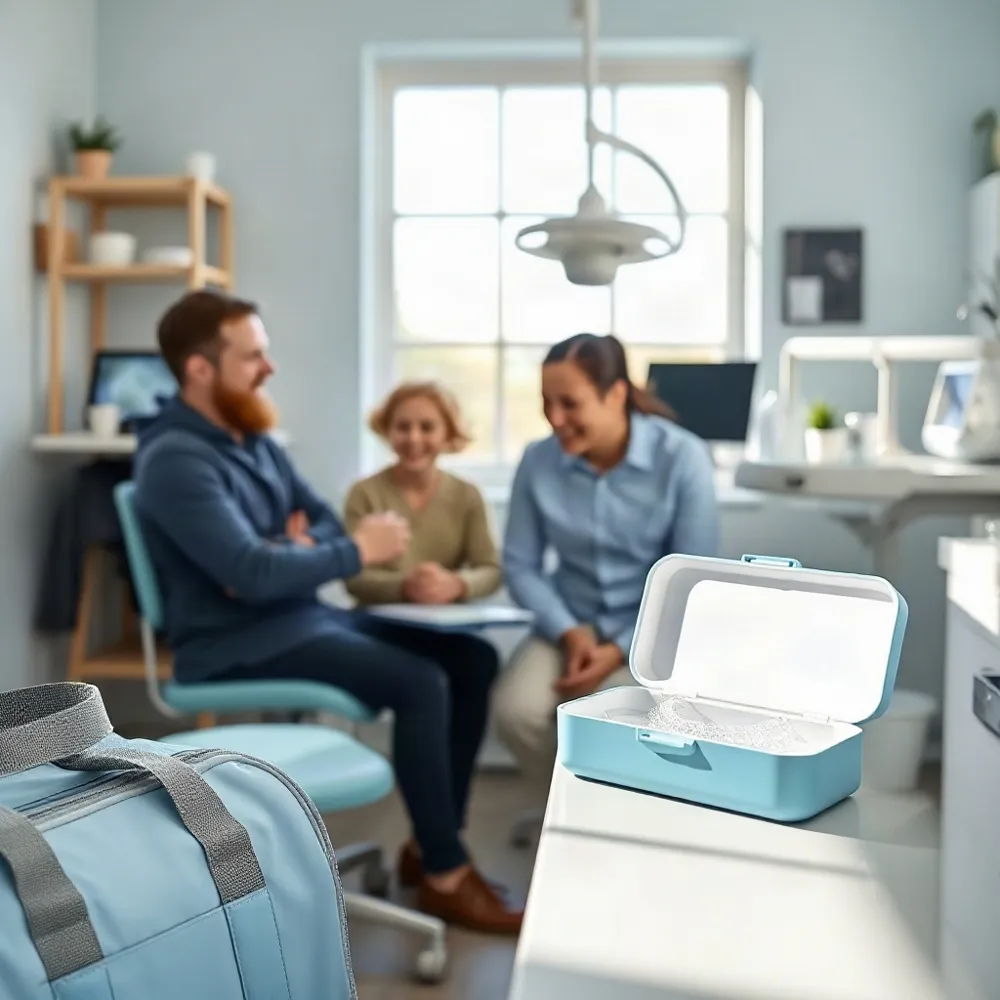 Clear aligners are custom-made, removable trays that gradually guide teeth into position. Their less noticeable appearance may suit teens who feel self-conscious about braces at school, in photos, or at social events. Loud Family Dental describes clear aligners as a modern orthodontic option for teens, while an individual evaluation is needed to decide whether they fit a particular smile.
Removable trays also make it easier to eat a usual range of foods and brush and floss without working around brackets and wires. Teens should take aligners out for meals and drinks other than water, then clean their teeth before putting them back in. That flexibility depends on following the prescribed wear routine; families can read more about clear aligners for teens.
Aligners may be convenient for music and sports, but they are not sports mouthguards. For contact or high-impact activities, ask the dental team what mouth protection to use and whether the trays should be removed. Loud Family Dental provides dental care for patients of all ages, so families can discuss activity-specific concerns as part of care planning.
Some teens notice pressure or tenderness when they start a new tray, and speech may take a short time to feel normal. Experiences differ. Invisalign may be worth considering for a teen who prefers a discreet option and can follow daily instructions, but braces may suit some complex needs or teens who may have trouble keeping removable trays in. A 14-year-old may be eligible, though age alone does not determine suitability. A dentist or orthodontist can assess tooth development, bite, treatment needs, and readiness before recommending an approach.
Building a Reliable Wear Routine
 A steady routine helps teens manage aligners around classes, meals, and after-school activities. The daily target is generally 20 to 22 hours, including during sleep, but each teen should follow the schedule set by their dentist or orthodontist. Loud Family Dental’s guide to treatment duration and care also explains the usual wear expectations for teen aligner treatment.
Wearing trays for less time than prescribed can slow tooth movement, affect how a later tray fits, and potentially lengthen treatment. An occasional short break is different from repeated or extended time without aligners. If a teen has had a prolonged lapse, or a new tray will not seat properly, contact the treating provider for instructions. Do not force the tray or skip ahead to the next set.
What is the 30-minute rule for Invisalign?
The 30-minute rule is a practical reminder to put aligners back in within about half an hour after eating or cleaning teeth, not a strict clinical standard. A simple school-day pattern is to put trays in each morning, remove them for meals, then brush and floss before reinserting them when possible. If brushing is not practical, rinsing the mouth and trays with water can help until proper cleaning is available.
A phone timer, reminder, or parent check-in can help make that pattern easier to remember. Packing a travel toothbrush, toothpaste, floss or floss picks, and a protective case also gives teens useful supplies between home and school.
Store trays in their case whenever they are out. A napkin may seem convenient at lunch, but it can be thrown away by mistake. With a repeatable routine and a safe place for the trays, teens can better maintain their prescribed wear time through the school day.
Keeping Teeth and Trays Clean
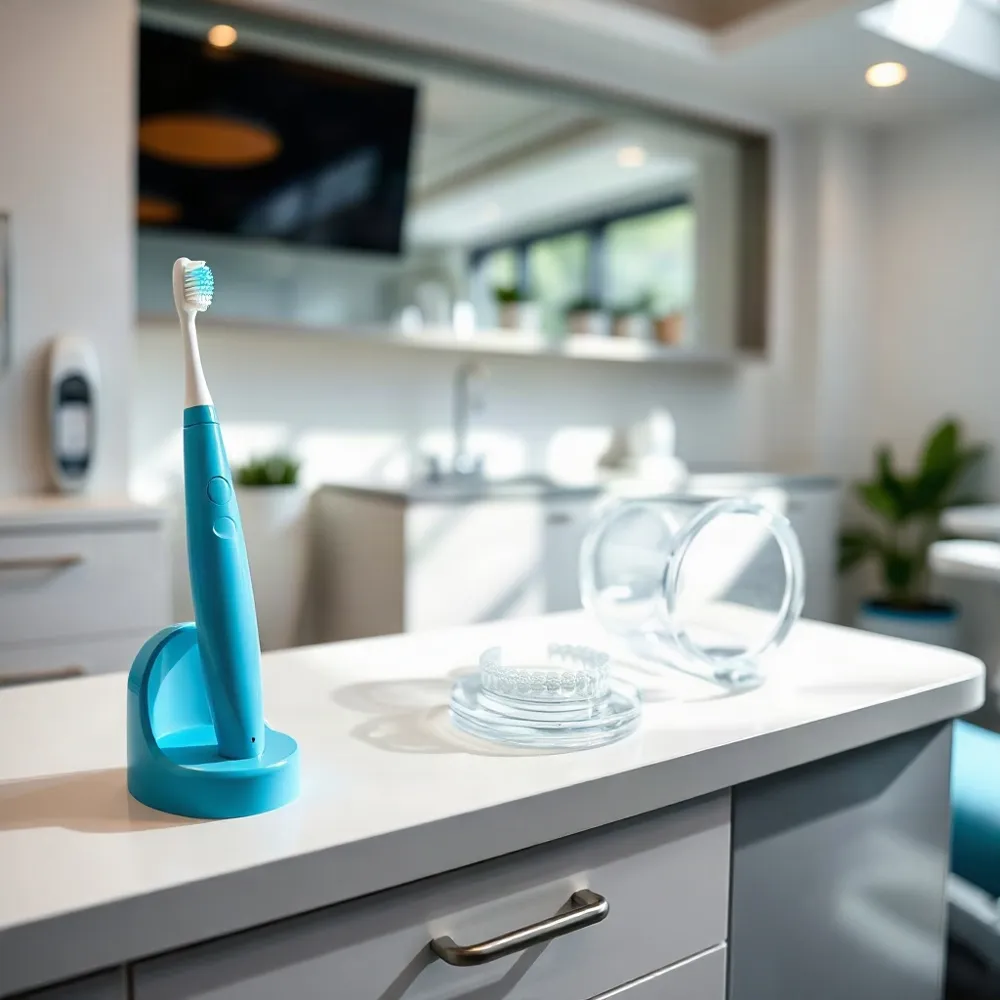 Removable trays let teens brush and floss as usual, without working around brackets and wires. But if food or plaque remains on teeth, the trays can hold it against the enamel when they go back in. When possible, brush and floss after meals before reinserting them, and keep routine dental exams and cleanings on the calendar.
At school or during activities, a compact kit with a travel toothbrush, toothpaste, floss, and a protective case makes cleanup easier. Teens can rinse aligners whenever they remove them, then clean them once or twice daily with a soft-bristled toothbrush and mild liquid soap or a cleaner made for aligners. Follow the treating provider’s care instructions.
Avoid abrasive toothpaste, which can scratch the trays, and hot water, which may warp them. When aligners are out, store them in their case rather than a napkin or loose pocket. For more guidance on caring for teeth and trays together, see daily aligner cleaning and oral hygiene.
At Loud Family Dental, teens and families can discuss oral-health questions as part of the clinic’s comprehensive dental care for patients of all ages. Regular checkups remain useful during orthodontic treatment, even when removable trays make daily brushing and flossing more straightforward.
Choosing Treatment and Planning the Timeline
A teen’s age alone does not determine whether clear aligners are suitable. A clinician assesses tooth development, alignment, bite concerns, treatment goals, and whether the teen can manage a removable appliance consistently. At Loud Family Dental, families can discuss their teen’s needs as part of the clinic’s comprehensive dental care for patients of all ages.
Aligners can address a range of concerns, including crowding, spacing, and some bite problems, but they are not right for every case. Certain complex tooth movements may be better treated with braces, and a fixed appliance may be more practical if a teen is unlikely to keep removable trays in as directed. Families can also review how clinicians compare braces and clear aligners when weighing options.
How long does Invisalign take to correct overcrowding?
Treatment for crowded teeth may take several months to more than a year, depending on how much movement is needed, whether bite concerns also need correction, and how teeth respond. Consistent wear and attending planned check-ups can help keep treatment on track, but an individual estimate requires an examination and treatment plan.
The provider sets the schedule for changing trays, often every one to two weeks, and determines follow-up timing based on clinical need. Some clear-aligner cases involve fewer office visits than fixed braces, which may ease school and family scheduling, but visit frequency varies and should not be assumed in advance.
At a consultation, ask whether aligners fit the teen’s clinical needs, what timeline is realistic, how often follow-up appointments are expected, and what to do if a tray is lost or no longer fits. Families can also ask whether the practice offers remote monitoring and how it would fit into the care plan.
Comfort, Costs, and Family Decisions
The first few days with a new set of aligners can bring pressure or tenderness, especially when chewing. This usually eases as the teen adjusts, but experiences differ. Soft foods may feel more comfortable during that time. Discuss medication questions with a parent or healthcare professional, and contact the dental provider if pain is severe or does not improve. For more on early adjustment, see what to expect during the adjustment period.
Which part of Invisalign treatment tends to be the most uncomfortable?
For many teens, discomfort is most noticeable shortly after beginning a new set of trays. The gentle pressure can feel like tightness or soreness, then lessen as the mouth adapts. If pain persists or feels severe, ask the dental provider for guidance rather than changing the tray schedule independently.
Choosing between aligners and braces involves more than appearance. A provider considers the teen’s teeth and bite, treatment goals, daily habits, and ability to wear and keep track of removable trays. Aligners offer flexibility, but fixed braces do not depend on the wearer remembering to put them back in. At Loud Family Dental, families can discuss orthodontic questions as part of a practice offering comprehensive dental care for patients of all ages.
How much does Invisalign cost for teenagers, and what affects the price?
Costs vary by provider and treatment plan, so general U.S. estimates should not be treated as a local quote. The supplied estimates place teen Invisalign treatment broadly around $3,000 to $7,000, while a separate comparison gives a range of roughly $3,500 to $8,000. These differing ranges are not a confirmed fee schedule for Loud Family Dental.
The price can reflect case complexity, treatment length, the number of aligners, refinements, and provider fees. When requesting an estimate, ask whether scans, checkups, and retainers are included, and whether additional visits or trays could change the total.
How does the cost of Invisalign compare with the cost of braces?
The supplied broad U.S. estimates put braces at about $3,000 to $7,500 and Invisalign at roughly $3,500 to $8,000. The ranges overlap, and aligners and braces can cost similar amounts for many cases. The actual comparison depends on the treatment needed and what each provider includes, not simply the appliance type.
Insurance benefits and payment plans vary. Ask for a personalized comparison of both options, including expected out-of-pocket costs, and confirm orthodontic coverage with the insurer before deciding.
Maintaining Consistent Dental Care
There is no set age when every teenager needs to leave a pediatric dentist. Development, ongoing needs such as orthodontic care, comfort with the current practice, and readiness to take a more active role can all guide the decision.
A pediatric dentist may continue providing appropriate care through the teen years, while a general dentist can support a gradual transition to adult dental care. Families can discuss timing with their current dentist and confirm that a new provider can meet the teen’s needs. For more on how care can evolve during adolescence, see maintaining dental care through the teen years.
Orthodontic treatment does not replace routine preventive visits. Whether a teen stays with a pediatric dentist or changes practices, regular checkups and cleanings help keep dental care continuous while aligners or other appliances are part of the plan. Loud Family Dental provides comprehensive dental services for patients of all ages, which can support care across different life stages.
As teens become more independent, invite them to ask questions and speak directly with the dental team about appointments, hygiene, and aligner care. This helps the team understand their concerns and gives teens practice taking responsibility for their oral health.
A Schedule That Depends on Good Habits
Clear aligners can fit around school, meals, and activities, but their convenience comes with daily responsibilities. Teens need to follow their provider’s wear instructions, store trays safely when removed, keep teeth and aligners clean, and attend follow-up visits so progress can be checked.
A consultation at Loud Family Dental can help families discuss a teen’s clinical needs, daily routine, comfort, expected timeline, and costs before choosing treatment. The clinic provides comprehensive dental care for patients of all ages, giving families a place to raise questions about oral health alongside orthodontic planning.
The right approach is the one that supports healthy teeth and fits the teen’s ability to manage treatment in everyday life. A personalized discussion can help families weigh aligners against other options and understand the responsibilities involved before making a decision.