Introduction
Brushing and flossing twice daily are essential, but they miss hard‑to‑reach spots where plaque hardens into tartar within 24‑48 hours. This hidden biofilm fuels gum inflammation and can progress to periodontitis, a risk factor for heart disease, stroke, and diabetes. Professional cleanings remove both supragingival and subgingival tartar, smooth enamel, and apply fluoride or sealants for added protection. By catching early signs of cavities, gum disease, or oral cancer, routine cleanings become a cornerstone of preventive oral health and overall wellness.
What a Professional Cleaning Actually Does
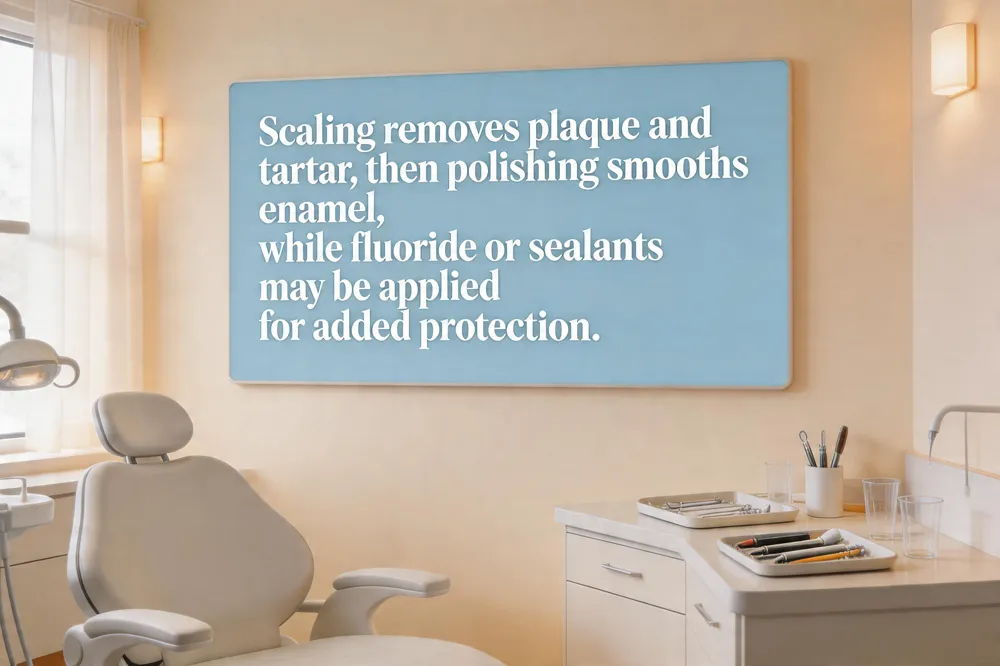 During a professional cleaning the hygienist first removes plaque and tartar (scaling) and then smooths the tooth surface (polishing). Scaling can be done with hand instruments or with ultrasonic scalers that vibrate at frequencies. The ultrasonic tip, cooled by a steady stream of high‑pressure water, breaks up deposits and flushes them away, reaching below the gum line where a brush cannot. This “high‑pressure water dental cleaning” is comfortable for most patients; the water spray prevents overheating and carries away debris, though an overly aggressive approach can irritate gums or cause slight enamel abrasion at the margin. After scaling, a low‑abrasive polishing paste is applied with a rubber cup to eliminate surface stains and make the enamel smoother, which hinders future plaque adhesion. Many offices also apply fluoride gel or sealant to strengthen enamel and protect pits and fissures. Tools used by hygienists include ultrasonic scalers, hand curettes, polishing brushes, and intra‑oral cameras that let patients see the work. Proper preparation before and after the visit keep mouth healthy between appointments.
Frequency and Timing: How Often Should You Come In?
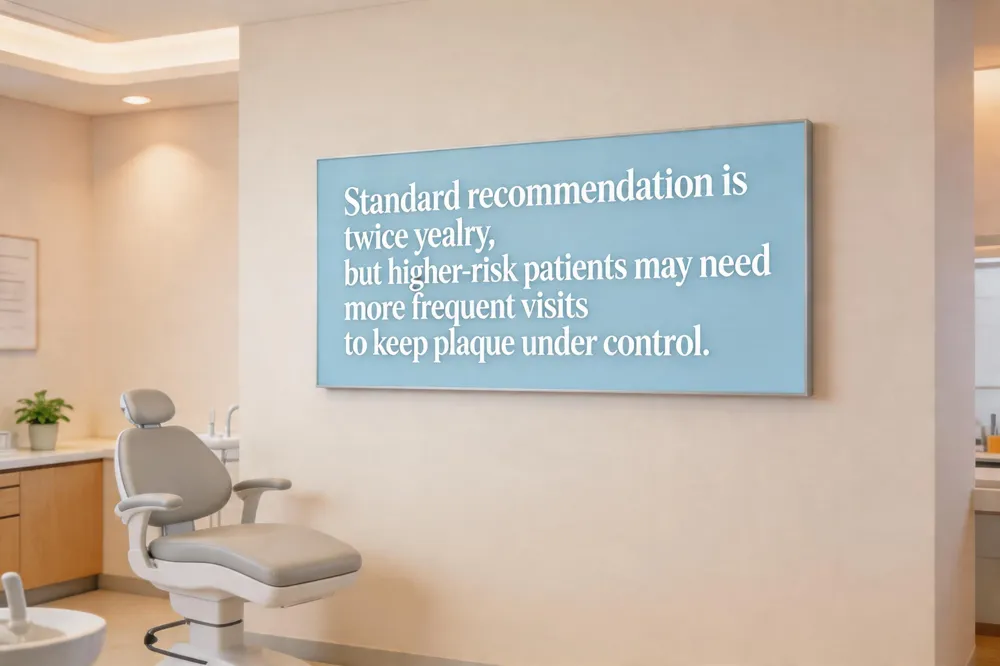 ADA recommends professional dental exam and cleaning at least twice a year for most patients. Six‑month visits Professional cleanings remove plaque and tartar beyond regular brushing, helping prevent cavities, gum disease, and early oral‑cancer signs. They also Good oral health is linked to lower risks of systemic conditions such as heart disease, stroke, and dementia, keeping your smile bright and your breath fresh.
Patients with risk factors—such as a history of gum disease, diabetes, orthodontic appliances, or heavy tobacco use—may need cleanings more frequently than the standard six‑month interval. More frequent cleanings keep plaque and calculus under control before they cause decay or inflammation.
A simple 3‑3‑3 rule can reinforce daily hygiene: brush for three minutes, three times a day, and follow a three‑step routine of brush, floss, and a fluoride rinse when advised.
Your dentist will assess individual risk factors and tailor the interval to your needs, balancing optimal oral health with convenience and cost‑effectiveness.
Costs, Insurance, and Value
 Regular prophylaxis (a routine cleaning) typically runs $100‑$200 per visit, with a national average of about $130. In Shreveport most community‑focused offices fall within this range, and using an HSA/FSA can offset out‑of‑pocket costs. A deep cleaning (scaling and root planing) is priced per quadrant—usually $150‑$350 (often $250‑$300) – so a full‑mouth treatment costs $800‑$1,400. Dental insurance commonly covers 50‑80 % when the procedure is deemed medically necessary, and many practices offer financing or membership plans to lower the patient’s share. Professional cleanings remove plaque and tartar that brushing misses, reduce cavities, gum disease and bad breath, and smooth enamel for better oral health. While some studies question the preventive superiority over routine exams, the removal of hardened calculus and polishing provides clear aesthetic and health advantages, outweighing the brief, mild sensitivity some patients may experience.
Beyond the Mouth: Health Benefits and Trade‑offs
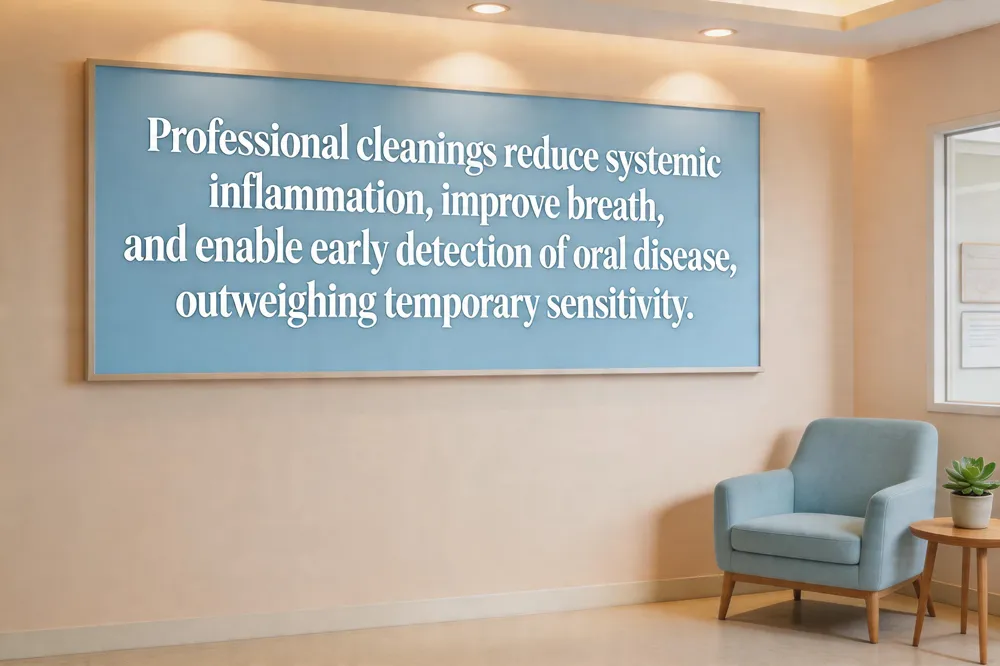 Regular professional cleanings do more than keep your teeth looking bright; they protect your whole body. Removing plaque and tartar that home care misses reduces the bacterial load that can trigger systemic inflammation, a known contributor to heart disease, stroke, diabetes complications, and even dementia. By keeping the gum line healthy, cleanings lower the chance that oral bacteria enter the bloodstream and affect distant organs.
Fresh breath is another tangible benefit. Scaling and polishing eliminate the biofilm and volatile sulfur compounds that cause halitosis, leaving you with a cleaner‑smelling mouth between visits.
During the exam that accompanies each cleaning, the dentist or hygienist can spot early signs of oral cancer, cracked teeth, or gum disease—issues that often go unnoticed until they become serious. Early detection means simpler, less costly treatment and better outcomes.
What are the benefits of professional teeth cleaning? Professional teeth cleanings remove plaque and tartar that brushing alone can’t reach, helping prevent cavities and gum disease. Scaling and polishing eliminate surface stains, brightening your smile and freshening breath. The appointment also allows early spotting of gum inflammation, broken fillings, or oral cancer, and a fluoride treatment afterward strengthens enamel, reducing future decay while lowering systemic health risks.
Disadvantages of dental cleaning Temporary tooth sensitivity, mild gum soreness, or brief bleeding may occur after plaque removal, especially with heavy buildup. Deep cleanings can be more expensive and may require multiple visits. Some patients find the discomfort and short recovery period inconvenient, particularly those with low pain tolerance or tight schedules.
Preparing for Your Visit and Managing Post‑Cleaning Comfort
 Before you sit in the dental chair, a little pre‑appointment preparation can make the cleaning smoother. Brush and floss thoroughly for a few days leading up to the visit, avoid aggressive brushing right before the appointment, and bring your insurance details and a note of any sensitive teeth or recent health changes. Scheduling the cleaning when you’re not rushed or ill helps you stay relaxed, which reduces the perception of discomfort.
During the cleaning, the hygienist removes plaque and tartar with ultrasonic scalers and hand instruments. If the gums are inflamed, receded, or if there are exposed nerve endings from cavities or cracks, the pressure needed to break up hardened tartar can irritate tender tissue, causing a sharp sting. Anxiety or tension in the chair can also amplify normal sensations. Regular brushing, flossing, and timely cleanings keep gums healthy and usually minimise pain.
After the appointment, mild sensitivity or slight gum bleeding is common. Manage it with over‑the‑counter pain relievers, a soft‑food diet for the first 24‑48 hours, and a gentle antimicrobial mouthwash. Avoid extremely hot, cold, sticky, or sugary foods until the gums feel comfortable, then resume your normal oral‑hygiene routine. Follow any specific post‑cleaning instructions from your dentist to maintain the benefits of the visit.
Professional dental cleaning is overwhelmingly beneficial. It removes plaque and tartar that home care misses, reduces cavities, gum disease, and bad breath, and smooths tooth surfaces so bacteria adhere less easily. Fluoride treatment after cleaning strengthens enamel. While some studies argue that cleaning alone does not prevent disease better than routine check‑ups, the added removal of hardened calculus and polishing provide clear preventive and aesthetic advantages. The procedure is safe when performed by a trained hygienist or dentist, and any temporary sensitivity is usually short‑lived. Overall, the benefits of regular professional cleanings far outweigh the minimal risks, especially for patients prone to gum inflammation or decay.
Conclusion
Professional cleanings remove plaque and tartar that brushing and flossing miss, lower the risk of cavities, gum disease, and bad breath, and allow early detection of oral problems that can affect overall health. Scheduling a cleaning every six months keeps your mouth healthy and helps avoid costly procedures later. At Loud Family Dental in Shreveport, our friendly team offers community‑focused, affordable preventive care, education, and personalized advice to keep smiles bright and families healthy through regular check‑ups and gentle guidance.