Why Dental Emergencies Matter
When a toothache is ignored, the pain can quickly become unbearable, disrupting sleep, eating, and daily activities. Persistent inflammation may turn a simple cavity into an abscess, allowing bacteria to spread toward the jaw, neck, or bloodstream, which can lead to serious illnesses such as cellulitis, sepsis, or exacerbate chronic conditions like diabetes and heart disease. Research shows that untreated oral infections can increase the risk of systemic health problems and raise overall medical costs. Prompt professional evaluation stops the infection, saves the tooth, and reduces the chance of complications that require extensive, expensive treatments. Seeking emergency dental care right away protects both your smile and your overall well‑being.
Recognizing Dental Emergencies
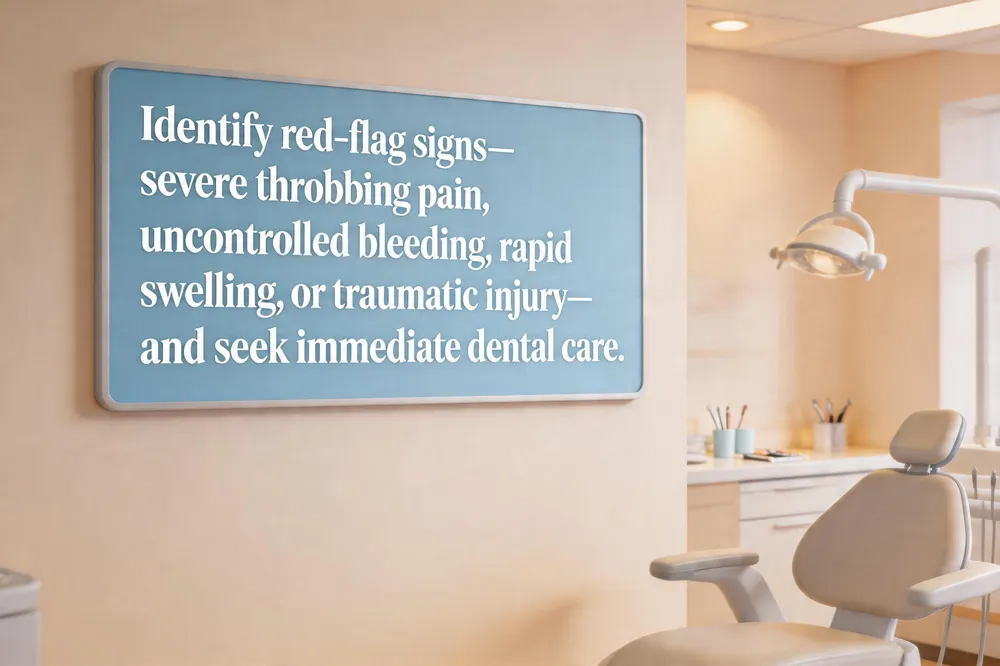 A dental emergency is any oral condition that creates severe pain, uncontrolled bleeding, or a rapid risk of infection or tissue damage. Typical red‑flags include a throbbing toothache that does not improve with over‑the‑counter pain relievers, especially when it wakes you at night, radiates to the jaw, ear, or neck, or is accompanied by fever. Uncontrolled bleeding that continues after 10‑15 minutes of firm pressure, or sudden, rapid swelling of the gums, face, or lips—particularly if it makes swallowing or breathing difficult, signals a spreading infection that needs urgent care. Traumatic injuries such as a knocked‑out (avulsed) tooth, a cracked or broken tooth exposing the pulp, a displaced tooth, or severe facial/lip/cheek lacerations also require immediate attention; the best chance of saving a knocked‑out tooth is re‑implantation within 30‑60 minutes, kept moist in milk or saliva.
What situations qualify as a dental emergency?
Any condition that causes intense pain, uncontrolled bleeding, or threatens the airway or spread of infection qualifies. This includes severe toothaches, cracked or broken teeth, avulsed teeth, rapid facial swelling with fever, uncontrolled gum bleeding, deep soft‑tissue injuries, and loss of a restoration that exposes the tooth.
What would be considered a tooth emergency?
A tooth emergency is a sudden problem that must be addressed right away to prevent major damage. Examples are a knocked‑out tooth, a cracked tooth exposing the pulp, a persistent throbbing ache from an abscess or dying nerve (severe, throbbing tooth pain that does not improve with over‑the‑counter pain relievers), a displaced tooth, and any loss of a crown or filling that leaves the tooth vulnerable.
If you notice any of these signs, call your dentist immediately or seek emergency medical care to protect your oral health.
Immediate Home Management and the 3‑3‑3 Rule
 When a tooth infection strikes, short‑term relief can be achieved safely at home. Using ibuprofen safely for short‑term relief – Take three 200 mg ibuprofen tablets (600 mg total) spaced evenly every eight hours, no more than three consecutive days. This is the 3‑3‑3 rule: three tablets, three doses per day, for three days. Ibuprofen reduces inflammation, pain, and pressure, but it’s not for people with kidney disease, stomach ulcers, or those on certain blood‑thinners. Controlling swelling and pressure – Apply a cold compress to the cheek for 15‑minute intervals, rinse with warm salt water (½ tsp salt per 8 oz water), and keep the head elevated while you arrange dental care. When to seek professional care – If pain persists beyond three days, swelling spreads, you develop fever, facial, or difficulty swallowing, or the tooth is knocked out, call your dentist or go to an urgent‑care clinic immediately. Prompt evaluation prevents infection spread, tooth loss, and more extensive treatment. The 3‑3‑3 rule is a temporary bridge, not a substitute for professional treatment.
Weekend and After‑Hours Care Options
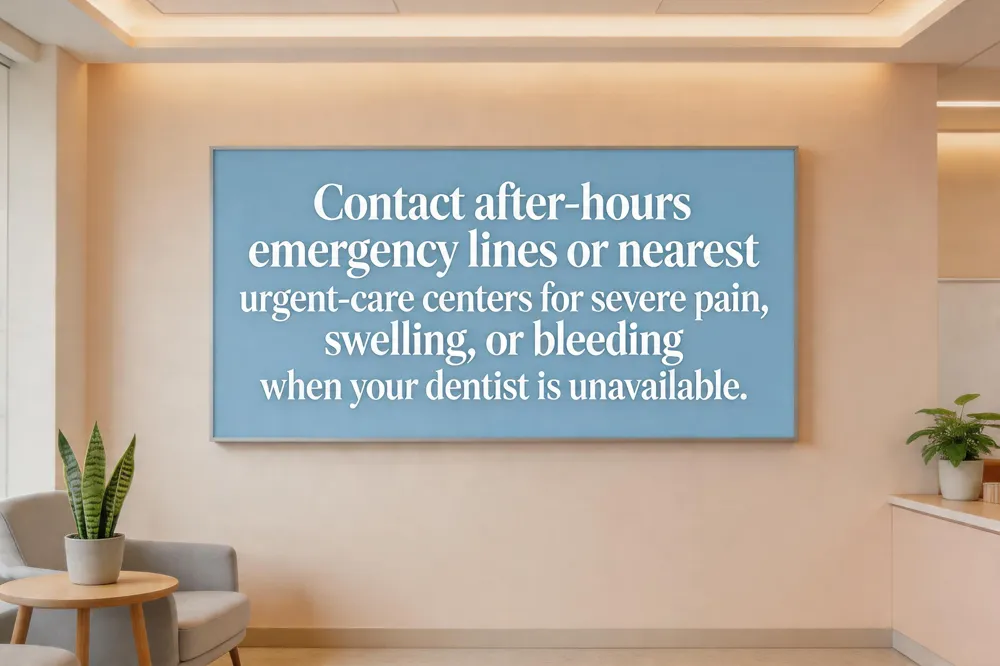 Next, contact Loud Family Dental’s after‑hours emergency line. The practice offers a 24‑hour answering service that can give specific instructions or schedule a same‑day appointment. If you cannot reach a dentist, if the pain is severe, or if there is uncontrolled swelling or bleeding, head to the nearest urgent‑care center or hospital emergency department for pain control and antibiotics.
In Shreveport, true 24‑hour dental care is available at the hospital emergency department (e.g., Ochsner LSU Health Shreveport). For same‑day dental appointments, call Shreveport Dental Solutions (318‑869‑2593) or Southern Roots Dentistry. They can often fit emergency cases that same day or the first thing Monday morning, ensuring you receive prompt, professional care while minimizing the risk of complications.
Regional Emergency Dental Resources
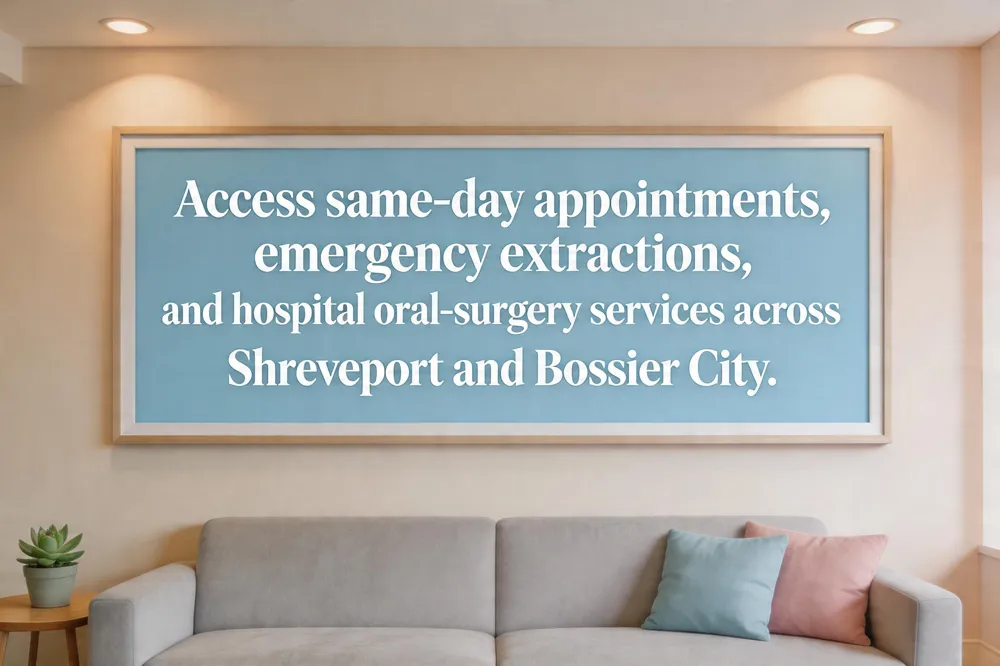 Bossier City residents have several reliable options when a dental crisis strikes. Loud Family Dental in nearby Shreveport offers same‑day emergency appointments for severe toothaches, knocked‑out teeth, and broken crowns—just call their emergency line at (555) 123‑4567 for prompt relief. In Bossier City itself, Southern Roots Dentistry provides urgent care for infections, swelling, and trauma, while Aspen Dental offers a $29 new‑patient exam and same‑day or next‑day slots for those without insurance.
For families seeking affordable, family‑focused care, Loud Family Dental combines sliding‑scale fees, major‑insurance acceptance, and flexible financing such as CareCredit. Shreveport Dental Solutions adds transparent pricing and a dental savings plan, and Affordable Dentures & Implants delivers budget‑friendly denture and implant services with low‑interest payment options. Shreveport Bossier Family Dental Care rounds out the list with loyalty programs and easy financing for routine and extensive procedures.
Regarding emergency extractions, most dental offices—including Loud Family Dental—do not operate 24 hours a day, but they can often schedule a same‑day or next‑morning extraction when urgent. For truly after‑hours needs—such as uncontrolled bleeding, severe infection, or traumatic injury—head to the nearest hospital emergency department, where oral‑surgery teams can extract the tooth immediately.
Beyond the Tooth: Systemic Concerns and Early Detection
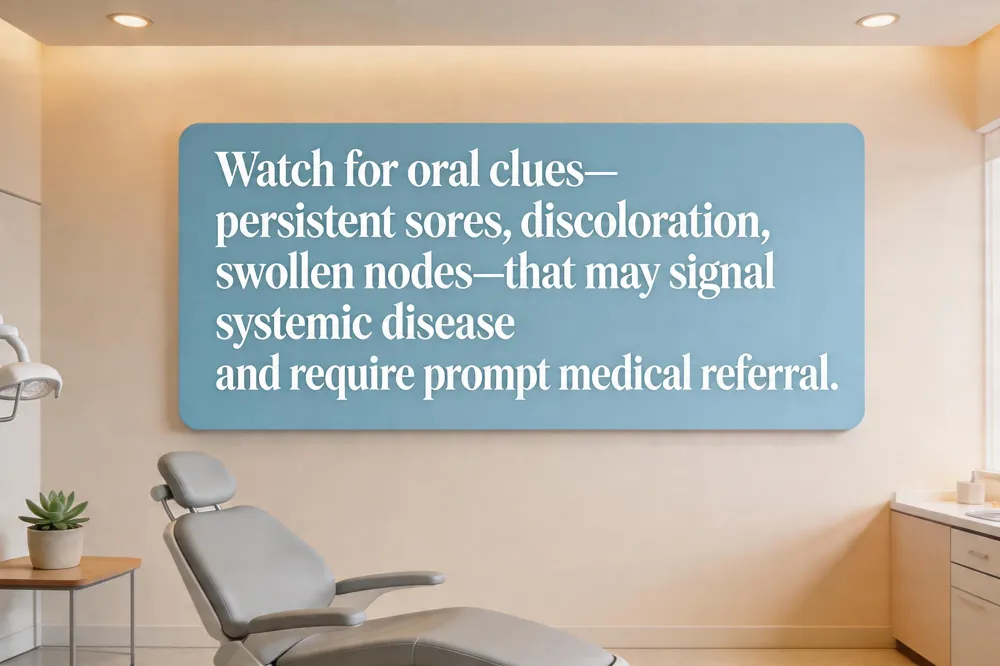 Your dentist does more than clean teeth—they can spot clues that a serious illness is brewing. Oral signs of systemic disease include persistent sores, unusual discoloration, swollen or hard lymph nodes, and unexplained bleeding. When swelling spreads quickly, breathing becomes difficult, or you experience high fever with facial pain, it may be a medical emergency that requires a trip to the ER before dental treatment. Dentists regularly examine the lips, tongue, gums, floor of the mouth, and cervical lymph nodes. If they notice a hard, enlarged node or a suspicious lesion, they refer you for a biopsy or specialist evaluation. In short, while a dentist cannot diagnose lymphoma outright, they are essential in early detection and timely referral, improving outcomes for patients.
Take Action Quickly, Protect Your Smile
Do not wait when you feel a throbbing toothache, sudden facial swelling, or a fever. These signs often mean an infection, abscess, or traumatic injury that can spread quickly and threaten your health. While you arrange professional care, you may follow the 3‑3‑3 rule—ice for 3 minutes, compress for 3 minutes, and rest for 3 hours—to reduce pain and swelling, but remember it is only a short‑term fix, not a cure. Keep a list of nearby emergency dental clinics, such as Loud Family Dental in Shreveport, the Evansville‑area urgent‑care offices, and your dentist’s after‑hours hotline. Call them immediately; early treatment preserves the tooth and prevents complications and helps you avoid costly future procedures.