Why Daily Habits Matter
Good oral hygiene isn’t just about a bright smile; it sets the stage for health across a lifetime. Brushing twice daily with fluoride toothpaste, flossing, and rinsing with an antimicrobial mouthwash remove plaque that fuels cavities and gum disease, which can otherwise progress to periodontitis and tooth loss. The mouth is a gateway to the body—persistent bacterial inflammation can raise the risk of heart disease, diabetes complications, and even adverse pregnancy outcomes. By keeping the oral environment clean, you lower systemic inflammation and protect overall health. Establishing these routines as a family amplifies the benefit: children learn proper technique early, adults reinforce habits, and seniors receive the extra support they may need, such as softer brushes or adaptive tools. When every member practices consistent brushing, flossing, and regular dental visits, the whole household enjoys stronger teeth, healthier gums, and a reduced likelihood of costly dental problems later in life.
Fundamental Oral Hygiene Practices
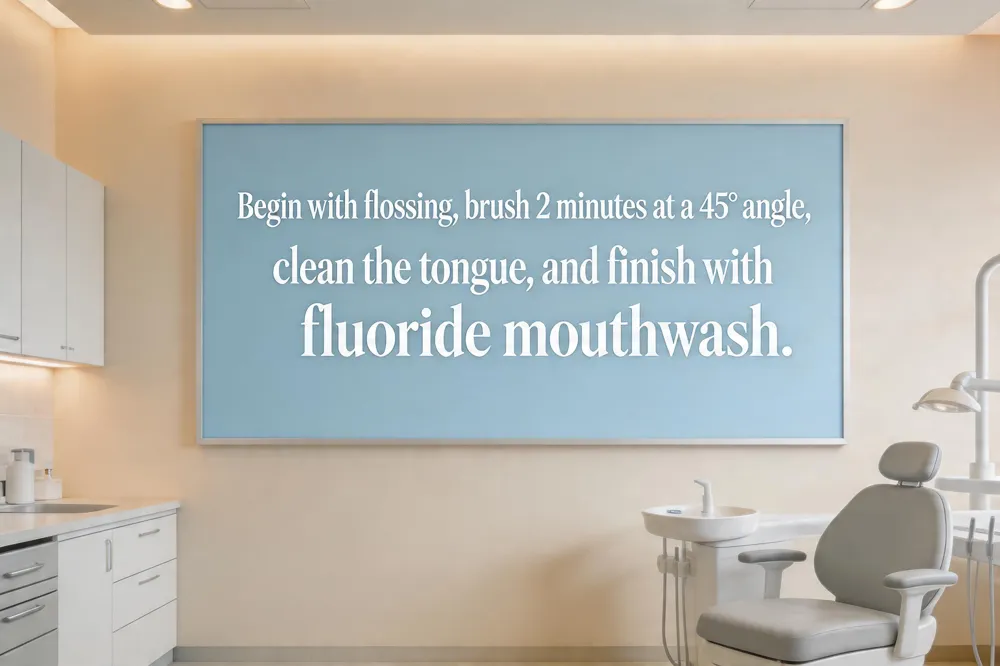 Oral hygiene steps
A good routine starts with a quick rinse of fluoride mouthwash to lower bacteria and freshen breath. Brush for two minutes using a soft‑bristled brush angled at 45° to the gum line, employing gentle circular motions. Floss or use interdental picks to clear plaque between teeth and below the gumline. Scrape or brush the tongue to remove odor‑causing microbes, then finish with a brief water rinse.
Oral hygiene steps
A good routine starts with a quick rinse of fluoride mouthwash to lower bacteria and freshen breath. Brush for two minutes using a soft‑bristled brush angled at 45° to the gum line, employing gentle circular motions. Floss or use interdental picks to clear plaque between teeth and below the gumline. Scrape or brush the tongue to remove odor‑causing microbes, then finish with a brief water rinse.
Steps of oral hygiene Begin by loosening debris with a water or antibacterial rinse. Follow with a two‑minute brush using fluoride toothpaste, covering all surfaces. Next, floss or employ interdental cleaners, then clean the tongue. End with a therapeutic, alcohol‑free mouthwash to reach lingering bacteria and deliver fluoride.
Tips for good oral hygiene Brush twice daily for at least two minutes, using a soft brush and fluoride paste. Floss daily, limit sugary/acidic foods, stay hydrated, and chew sugar‑free gum to boost saliva. Avoid tobacco and excess alcohol, and schedule six‑monthly dental check‑ups.
Oral hygiene routine order For maximum plaque removal, start with flossing (or a water flosser) to dislodge food, then brush thoroughly, clean the tongue, and finish with mouthwash. This sequence ensures each step works on a cleaner surface, enhancing overall oral health.
Nutrition, Hydration, and Natural Strengthening
 A diet rich in calcium, vitamin D, and vitamin C is the foundation of strong teeth and healthy gums. Milk, cheese, yogurt, leafy greens, almonds, and fortified cereals supply calcium and vitamin D for enamel remineralization, while citrus fruits, berries, and kiwi provide vitamin C to support collagen formation and gum tissue repair.
Water is the simplest oral‑health ally. Staying well‑hydrated keeps saliva flowing, and saliva neutralizes acids, washes away food debris, and delivers minerals that protect enamel. Aim for regular sips throughout the day, especially after meals, and choose fluoridated tap water when possible.
Limit sugary and acidic foods and drinks which fuel acid‑producing bacteria and erode enamel. If you indulge, rinse with water and wait at least 30 minutes before brushing to avoid brushing softened enamel.
Natural gum‑supportive habits include gentle brushing at a 45° angle with a soft‑bristled brush, daily flossing, and occasional warm salt‑water rinses to reduce inflammation. Oil pulling with coconut or sesame oil, sipping green tea rich in catechins, and applying a thin layer of pure aloe vera gel to irritated gums can further calm inflammation.
For chewing gum, choose sugar‑free options sweetened with xylitol (e.g., PUR or SIMPLY gum) to stimulate saliva and aid remineralization.
Adult oral‑health tips: brush twice daily with fluoride toothpaste, floss, limit sugars, drink fluoridated water, chew xylitol gum, avoid tobacco, moderate alcohol, manage dry‑mouth conditions, and see the dentist at least once a year for cleanings and early detection of problems.
Professional Dental Care and Preventive Strategies
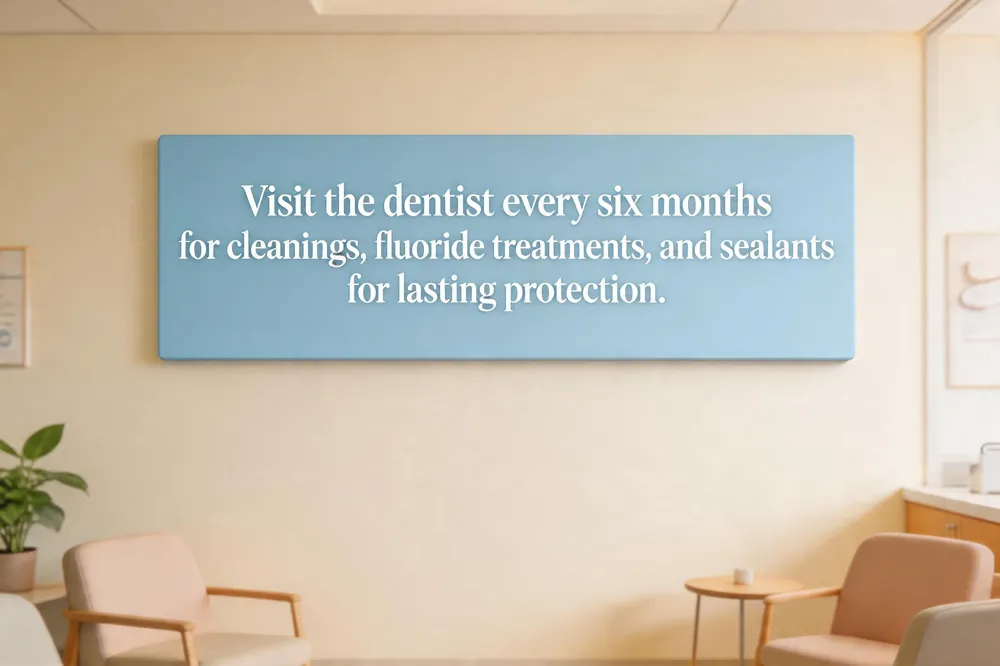 Routine dental check‑ups and cleanings every six months give clinicians the chance to spot early cavities, gum inflammation, or oral cancer before they become serious. During these visits, Fluoride treatments—whether in toothpaste, gels, or professional rinses—strengthen enamel and can reverse early decay. For children, sealants applied to the chewing surfaces of molars provide a protective barrier that prevents up to 80% of cavities in those teeth.
Pediatric oral health starts early. Gently wipe a baby’s gums with a soft cloth after feedings, then introduce a soft, small‑bristled brush and a pea‑sized amount of fluoride toothpaste as soon as the first tooth appears. Supervise brushing until age 7‑8, encourage daily flossing once two teeth touch, and limit sugary snacks. Schedule the first dental visit by the first birthday and continue every six months for fluoride varnish, sealants, and early detection.
Senior patients benefit from adaptive tools such as electric toothbrushes with pressure sensors, saliva substitutes for dry mouth, and more frequent cleanings to manage receding gums and root exposure. A balanced diet rich in calcium, vitamin D, and vitamin C, together with adequate hydration, supports both teeth and gum health at any age.
Family‑wide preventive visits reinforce lifelong habits. When the whole household follows the same twice‑daily brushing, daily flossing, and regular professional care, the risk of cavities, periodontal disease, and costly restorative work drops dramatically, ensuring healthier smiles for generations.
Special Considerations and Systemic Connections
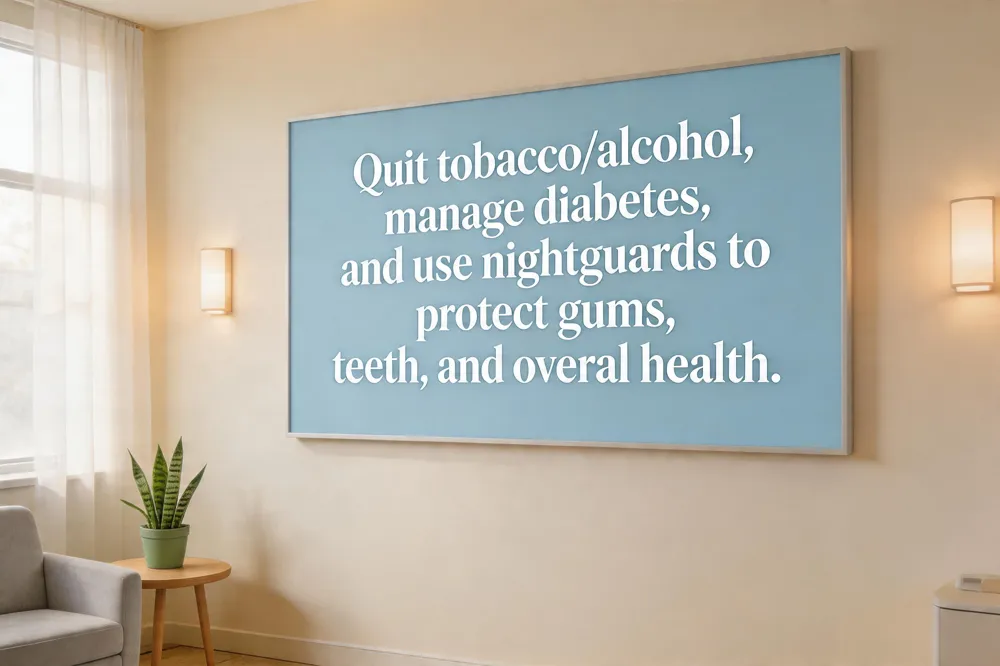 Tobacco and alcohol use are two of the biggest preventable risk factors for oral cancer, gum disease and delayed healing after dental procedures. Quitting smoking or using smokeless tobacco dramatically lowers inflammation, improves blood flow to the gums, and reduces the chance of malignant lesions. Excessive alcohol can dry the mouth and irritate gum tissue, so moderation is key.
Diabetes, certain medications, and chronic dry mouth (xerostomia) all increase plaque buildup and the likelihood of cavities. Managing blood‑sugar levels, staying well‑hydrated, and using saliva substitutes or sugar‑less gum can help protect teeth and gums when saliva is reduced.
Bruxism (teeth grinding) can wear enamel and cause jaw pain. A custom‑fitted nightguard, prescribed by your dentist, cushions the teeth and prevents cracks and gum recession.
Oral health is tightly linked to systemic conditions: poor oral hygiene can raise the risk of heart disease, stroke, endocarditis and complications in pregnancy. Conversely, systemic illnesses such as diabetes and osteoporosis can exacerbate gum inflammation and bone loss. Maintaining diligent oral care—brushing twice daily with a soft‑bristled brush and fluoride toothpaste, daily flossing, and regular dental visits—supports both your smile and overall health.
Can I kiss my boyfriend if he has cavities? Catching cavities isn’t a concern, but the bacteria that cause decay can be transferred, so good oral hygiene for both partners is essential.
Oral health tips for adults Brush twice a day with fluoride toothpaste, floss daily, limit sugary foods, drink fluoridated water, chew sugar‑free gum, avoid tobacco, moderate alcohol, manage diabetes and dry mouth, and see your dentist at least once a year.
How to improve gum health quickly Brush gently at a 45‑degree angle for two minutes, floss daily, rinse with an antibacterial mouthwash, cut sugary snacks, and schedule a professional cleaning within a few weeks.
Best remedies for strong teeth and gums Combine diligent brushing and flossing with a diet rich in calcium, vitamin D, vitamin C, and vitamin K (dairy, leafy greens, nuts, fish, citrus). Stay hydrated, limit acidic foods, and keep regular dental appointments.
How to get healthy gums overnight Before bed, brush with fluoride toothpaste at a 45‑degree angle, floss thoroughly, rinse with an antibacterial mouthwash, and avoid late‑night sugars, tobacco or alcohol. These steps reduce swelling and bleeding by morning.
Educational Resources & Family Engagement
 Oral hygiene PDF resources
You can download free, reputable PDFs such as the District of Columbia Department of Health’s "Oral Health and Hygiene" guide (2 MB) and HRSA’s printable sheets on adult brushing, child oral‑care, and early oral‑cancer detection (ranging from 406 KB to 3 MB). These files are readily available on the HRSA "Print Materials and Downloads" page and the DC health website, providing clear, step‑by‑step instructions for families.
Oral hygiene PDF resources
You can download free, reputable PDFs such as the District of Columbia Department of Health’s "Oral Health and Hygiene" guide (2 MB) and HRSA’s printable sheets on adult brushing, child oral‑care, and early oral‑cancer detection (ranging from 406 KB to 3 MB). These files are readily available on the HRSA "Print Materials and Downloads" page and the DC health website, providing clear, step‑by‑step instructions for families.
Oral hygiene PPT resources PowerPoint decks are available on SlideShare and Google Drive, for example "Oral Hygiene" by Siksha ’O’ Anusandhan (20 slides) and "Oral Hygiene Basics" from the Massachusetts Department of Public Health (12 slides). They cover brushing technique, flossing, fluoride use, and the oral‑systemic health link. Search the titles on SlideShare or click the provided download links to integrate these visuals into patient education.
Child dental health PDF resources The ADA offers printable posters, activity sheets, and handouts for parents of children ages birth‑5 via ADA.org/TinySmiles. The National Maternal and Child Oral Health Resource Center’s guide "Promoting Oral Health in Young Children" (2022) and CDC fact sheets on childhood tooth decay are also free and easy to distribute during visits.
Oral‑care nursing procedure (PDF) A standard nursing protocol begins with chart review, patient identification, and privacy setup. Supplies (soft‑bristled brush, pea‑sized fluoride paste, gloves, basin) are prepared. After hand hygiene and PPE, the patient is positioned at a 45° angle, gentle brushing is performed along the gum line, and the cavity is inspected for lesions. Denture removal and cleaning are assisted if needed, followed by rinsing/suction, face wiping, and proper disposal of waste according to infection‑control guidelines.
Putting It All Together for a Lifetime of Smiles
Across childhood, adolescence, adulthood, and senior years, the same ten core habits—twice‑daily brushing with fluoride toothpaste, daily flossing or interdental cleaning, rinsing with an antibacterial or fluoride mouthwash, tongue cleaning, limiting sugary and acidic foods, drinking water (ideally fluoridated), maintaining a calcium‑ and vitamin‑D‑rich diet, staying hydrated to support saliva, avoiding tobacco, and using a custom nightguard when needed—form a universal foundation for oral health. Professional support amplifies these practices: biannual dental exams and cleanings catch early decay, gum disease, or oral cancer; fluoride treatments, sealants, and personalized instruction address high‑risk situations; and adaptive tools (electric brushes, floss holders) help those with limited dexterity. When families adopt the routine together—brushing side‑by‑side, using timers, scheduling shared dental appointments, and modeling quit‑smoking and healthy eating—children internalize lifelong habits and adults stay accountable, creating a supportive environment that sustains bright, healthy smiles for generations.