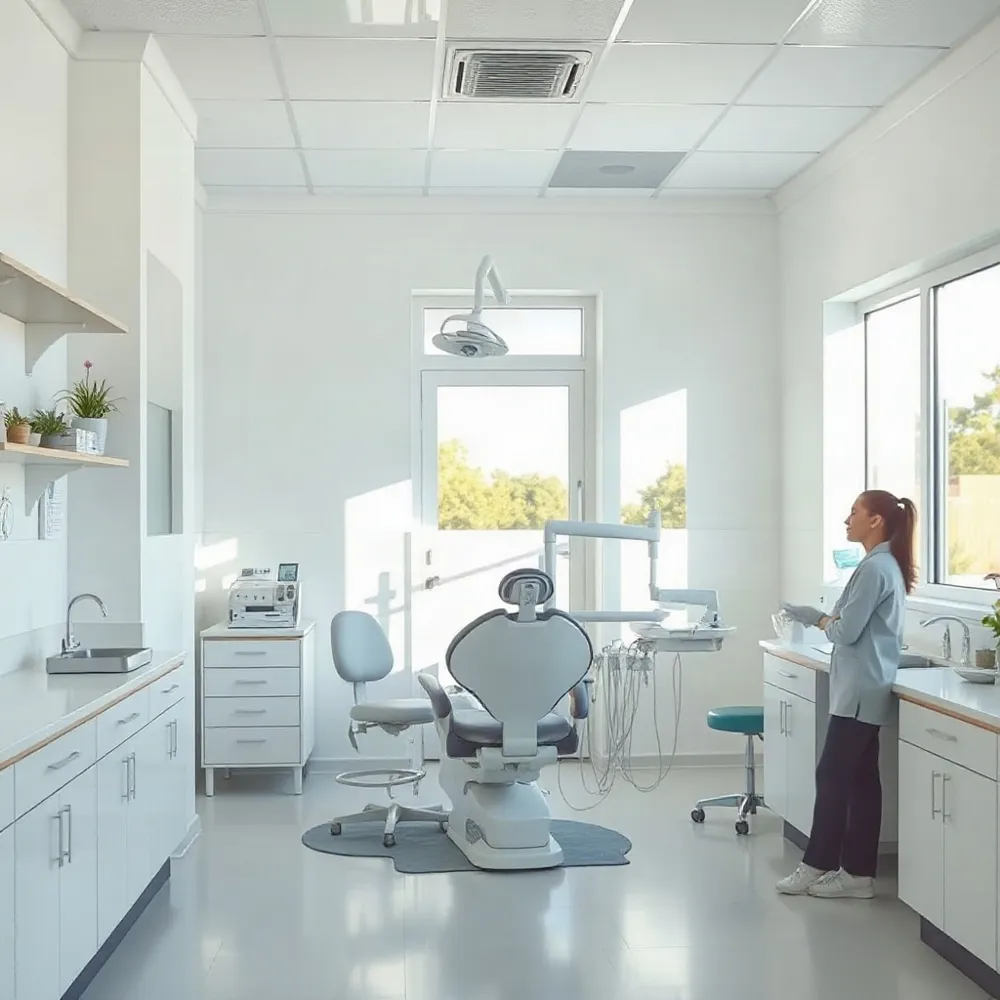
Introduction to Teeth Whitening: Understanding the Basics
What is Teeth Whitening?
Teeth whitening is a popular cosmetic dental procedure aimed at removing stains and discoloration from the surface of natural teeth to achieve a brighter and more attractive smile. This process typically involves the use of bleaching agents that break down stains, improving the overall appearance of teeth.
Common Causes of Tooth Discoloration
Tooth discoloration can result from various factors. External staining arises from foods and beverages like coffee, tea, wine, and tobacco use, which deposit pigments on the enamel surface. Aging also contributes to discoloration as the enamel thins over time, revealing the naturally yellow dentin beneath. Additionally, intrinsic stains caused by genetics, certain medications such as tetracycline, and dental trauma can alter tooth coloration from within.
Overview of Whitening Agents
The primary active ingredients used in teeth whitening products are carbamide peroxide and hydrogen peroxide. These agents penetrate the enamel and break down the stained molecules through an oxidation reaction, effectively lightening the teeth’s color. Carbamide peroxide decomposes into hydrogen peroxide and urea, with hydrogen peroxide serving as the main bleaching component. Both professional and over-the-counter products rely on these peroxide-based compounds, although concentrations and application methods vary depending on the treatment type.
How Teeth Whitening Works: The Chemistry Behind the Smile
Role of Hydrogen Peroxide and Carbamide Peroxide
Hydrogen peroxide and carbamide peroxide are the primary active ingredients in most teeth whitening products. Carbamide peroxide breaks down into hydrogen peroxide and urea, with hydrogen peroxide being the agent that actively whitens teeth. These compounds contain reactive oxygen molecules that can penetrate the enamel and dentin layers of teeth (Teeth whitening science).
Oxidation Process Breaking Down Stains
The whitening process relies on a chemical oxidation reaction. These oxygen molecules oxidize the organic stain molecules known as chromogens, which cause tooth discoloration. By breaking the double bonds in these chromogens, peroxide compounds effectively lighten the color of both extrinsic and intrinsic stains, leading to a brighter, whiter appearance (How peroxide whitens teeth).
Difference Between Extrinsic and Intrinsic Stains
Extrinsic stains form on the surface enamel due to external factors like consumption of coffee, tea, wine, or tobacco use. These stains often respond well to both mechanical cleaning and whitening treatments. Intrinsic stains occur within the dentin or enamel from factors such as aging, genetics, medications, or trauma. These deeper stains require chemical bleaching with peroxide agents for effective whitening (Extrinsic and intrinsic stains).
Impact of Aging on Enamel and Dentin
With age, enamel naturally wears down, making the underlying dentin, which is naturally yellowish, more visible. This thinning of enamel makes teeth appear darker or yellowed and can reduce the effectiveness of whitening treatments since the discoloration becomes more intrinsic. Professional whitening can help by chemically lightening both enamel and dentin layers (Effects of aging on teeth).
This scientific understanding underscores that peroxide-based bleaching agents remain the safest and most effective method when used properly under professional guidance, giving patients a smile that reflects both health and confidence.
Professional vs. Over-the-Counter Whitening: Efficacy and Safety Considerations
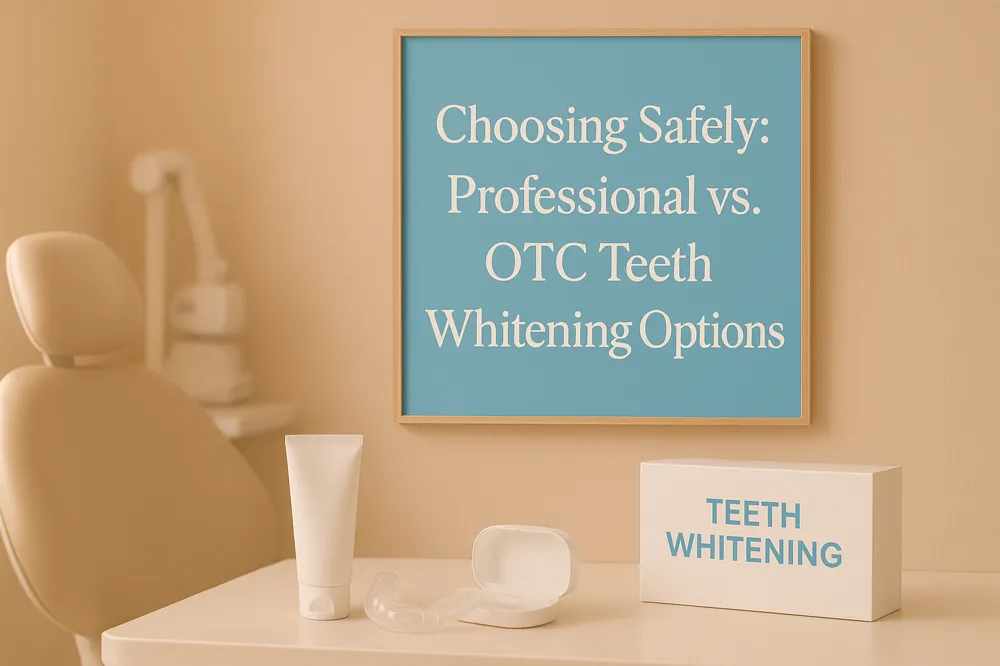
Differences in peroxide concentration between professional and OTC products
Professional whitening products used in dental clinics typically contain higher concentrations of peroxide, often ranging from 25% to 40% hydrogen peroxide. In contrast, over-the-counter (OTC) products usually have much lower peroxide levels, commonly between 10% and 20% carbamide peroxide. This difference impacts the speed and extent of whitening achieved.
Efficacy and speed of results
Due to their higher peroxide concentration, professional whitening treatments provide noticeably faster and more dramatic results, often lightening teeth by several shades in one session lasting about an hour. OTC products like strips, gels, and toothpastes offer milder whitening effects, with visible improvements usually developing over days or weeks of consistent use.
Safety risks including tooth sensitivity and gum irritation
Both professional and OTC whitening methods can cause temporary tooth sensitivity and mild gum irritation. However, these side effects are generally more common and pronounced with higher concentration professional treatments, especially if not properly supervised. Overuse or misuse of whitening products can potentially lead to enamel roughening, demineralization, and damage to existing dental restorations.
Role of professional supervision to minimize risks
Professional guidance is crucial to optimize whitening safety and effectiveness. Dentists can assess candidacy for whitening, customize treatment protocols, and closely monitor for adverse effects. They ensure that whitening agents are applied safely, particularly for patients with restorations, sensitive teeth, or gum issues. Professional supervision also helps prevent overuse and recommends appropriate maintenance to prolong results while reducing risks.
How can dental clinics ensure comfort and professional care for patients of all ages?
Dental clinics enhance patient comfort by creating welcoming environments with soothing colors and comfortable seating. Clear communication using simple language, empathetic staff, and options for anxiety management such as relaxation techniques or sedation also improve the experience. Employing ergonomic chairs and advanced minimally invasive technologies further aid comfort. These practices help patients of all ages feel at ease before, during, and after whitening treatments.
Potential Risks and Side Effects of Teeth Whitening: What You Should Know
Common Side Effects: Tooth Sensitivity from Whitening and Gingival Irritation
Teeth whitening is generally safe when used as directed; however, the most commonly reported side effects are temporary tooth sensitivity from whitening and mild irritation of the gums. Sensitivity occurs because peroxide-based whitening products can temporarily increase the permeability of the enamel, allowing stimuli to affect the nerves inside the teeth. Gingival irritation usually results from contact of the bleaching gel with soft tissues, but both effects typically resolve shortly after treatment ends.
Effects of Aggressive Bleaching on Enamel and Restorations
More aggressive bleaching treatments, especially those using high concentrations of hydrogen peroxide or carbamide peroxide, can cause enamel surface roughening and may weaken dental restorations such as crowns, veneers, or fillings. Effects of aggressive bleaching treatments and dental restoration degradation risk degradation of these restorations and can increase tooth sensitivity.
Long-Term Risks: Enamel Softening and Demineralization
Research shows that strong and frequent bleaching can soften enamel and increase its susceptibility to demineralization, which may lead to longer-term enamel wear or damage. While enamel damage from bleaching to the point of permanent damage is uncommon with proper use, caution is advised to avoid excessive or prolonged treatments.
Importance of Following Manufacturer Instructions and Professional Oversight
Adhering strictly to whitening product guidelines is crucial to minimize side effects and maintain tooth and gum health. Professional supervision of tooth whitening by dental practitioners ensures correct product use, appropriate concentration choices, and monitoring of any adverse effects. Dentists can tailor whitening regimens safely, especially for patients with restorations or pre-existing sensitivities, maximizing benefits while reducing risks.
By understanding these risks and seeking professional guidance, individuals can enjoy the cosmetic benefits of tooth whitening safety and effectiveness safely and effectively.
Techniques and Treatments: Exploring In-Office and At-Home Whitening Options

How fast are in-office whitening procedures?
In-office whitening is the fastest route to a brighter smile. Conducted by dental professionals, these in-office whitening treatments typically involve applying a high-concentration hydrogen peroxide whitening gel (ranging from 25% to 40%) directly on the teeth. The entire procedure usually takes about an hour, delivering immediate and dramatic lightening effects—often several shades whiter in just one session. Protective measures such as gum barriers are used to minimize irritation, and follow-up appointments may be arranged to perfect results.
Does light activation improve whitening results?
While some in-office treatments use light activation in teeth whitening (such as LED, halogen, or laser lights) to speed bleaching, scientific studies show mixed results. Current evidence suggests that light activation does not significantly enhance whitening outcomes and may actually increase temporary tooth sensitivity from whitening. As a result, many dental professionals prioritize peroxide strength and application time over light use.
What do home-based whitening treatments involve?
At-home whitening systems prescribed by dentists often include custom-fitted whitening trays filled with carbamide peroxide or hydrogen peroxide gels. These trays ensure even gel distribution and protect soft tissues, allowing patients to whiten their teeth gradually over days or weeks. Concentrations are lower than in-office treatments, usually between 10-38% carbamide peroxide, and treatment durations may range from 2 to 10 hours daily, depending on the product and patient needs. These kits provide a convenient and effective balance between safety and whitening power.
How effective are over-the-counter whitening products?
Over-the-counter (OTC) whitening products like whitening toothpaste, strips, gels, and rinses typically contain lower concentrations of peroxide and rely partially on mild abrasives. These options can lighten teeth about 1-2 shades, requiring consistent use over weeks to months for noticeable effects. They are less potent than professional treatments but generally have fewer side effects. OTC products serve as a popular, accessible choice for mild staining or maintenance but are not recommended for significant discoloration or patients with dental restorations without dentist guidance.
Maintaining Your Whitening Results: Tips for Longevity and Oral Health
How Does Diet and Lifestyle Affect Whitening Maintenance?
Your diet and daily habits play a crucial role in how long your Duration of whitening results last. Frequent consumption of staining foods and beverages such as coffee, tea, red wine, and dark-colored sodas can cause your teeth to discolor more quickly. Smoking or using tobacco products also accelerates staining. Using straws for drinks can minimize contact with teeth, helping to reduce stains. For more on Preventative oral care tips and Avoiding teeth stains, see related resources.
Why Are Routine Dental Hygiene and Checkups Important?
Maintaining good oral hygiene is essential to preserving your bright smile. Brushing twice daily, flossing, and regular professional cleanings help prevent plaque and tartar buildup, which contribute to Extrinsic stains causes. Routine dental checkups allow your dentist to monitor your oral health and suggest maintenance strategies tailored to your needs. The role of Oral hygiene and whitening and Importance of dental checkups is well documented.
How Can Follow-Up Touch-Ups Help?
Periodic touch-up treatments at home using dentist-recommended whitening kits can prolong the effects of your original whitening procedure. These follow-ups are typically conducted monthly or as advised, depending on your lifestyle and whitening system. They help maintain shade and counteract the effects of daily staining agents. Information on Home-based whitening maintenance and Maintenance after whitening offers detailed guidance.
Which Foods and Beverages Should You Avoid?
To keep your teeth looking their best, limit intake of stain-causing substances like coffee, tea, red wine, and berries. Rinse or brush your teeth soon after consuming these items. Avoiding acidic foods and drinks can also prevent Risks of enamel erosion. Further reading on Causes of teeth discoloration and Effects of tea coffee and soda on teeth is recommended.
Regular maintenance through mindful eating, consistent oral care, and professional guidance ensures your whitening results remain vibrant and your teeth stay healthy over time. For comprehensive understanding of Whitening product guidelines and Professional supervision of tooth whitening, consult relevant resources.
Integrating Teeth Whitening within Comprehensive Dental Care
How professional whitening fits into overall dental services
Professional teeth whitening is an integral part of comprehensive dental care, complementing preventive and restorative treatments. Dentists offer professional teeth whitening treatments both in-office and through custom take-home whitening kits, tailoring these treatments based on patients’ oral health. This ensures that whitening is not a standalone cosmetic procedure but part of a holistic approach to maintaining oral health and aesthetics.
Addressing suitability for whitening in various patients
Not all patients are ideal candidates for whitening. Dentists evaluate factors such as existing gum health, enamel condition, presence of tooth decay, and sensitivity levels before recommending whitening. Special caution is taken with children under 16, pregnant women, and those with gum disease or restorations to avoid adverse effects and maximize benefit as noted in ADA guidelines on tooth whitening.
Ensuring safety for patients with restorations or sensitivity
Patients with crowns, veneers, or fillings require careful assessment as whitening agents do not change restoration color, potentially causing uneven results. Additionally, professional supervision helps manage risks like tooth sensitivity from whitening, gum irritation by selecting appropriate peroxide concentrations and treatment methods, thus safeguarding dental work and nerve health. The importance of professional guidance for whitening is underscored to avoid uneven whitening and preserve restoration integrity.
Community clinic approach to patient education and oral health
Community dental clinics emphasize patient education on whitening options, risks of tooth whitening, and maintenance of results. They promote safe practices such as using ADA-approved teeth whitening products and avoiding unregulated DIY whitening risks. Clinics also integrate whitening discussions with routine oral hygiene instruction, stress avoiding teeth stains, and encourage regular importance of dental checkups to support lasting oral health and cosmetic outcomes.
Conclusion: Empowering Your Smile with Knowledge and Care
Understanding Teeth Whitening
Teeth whitening uses peroxide-based agents like hydrogen peroxide to safely break down stains and brighten your smile. Professional treatments offer faster, longer-lasting results, while at-home and over-the-counter options provide milder whitening. Temporary sensitivity and gum irritation are common but generally short-lived.
Importance of Professional Guidance
Consulting a dental professional ensures safe, effective whitening tailored to your needs, avoiding risks such as enamel damage or restoration degradation. Your dentist can recommend the best products and monitor treatment progress.
Maintaining Your Bright Smile
To preserve whitening effects, practice good oral hygiene, avoid stain-causing foods and drinks, and schedule regular checkups. Follow-up touch-ups under professional supervision can help maintain your pearly whites for up to a year or more.