Setting the Stage for a Successful Dental Visit
Understanding the Role of Dental Insurance
Dental insurance plays a crucial part in making dental care more affordable. Most plans cover preventive services like cleanings and exams at 100%, basic procedures at around 80%, and major treatments at about 50%. Knowing your coverage helps reduce surprise expenses and supports timely dental care.
Why Preparation Matters
Preparing for your appointment by reviewing your dental benefits and updating medical information ensures smoother visits. Bringing your insurance card and a list of medications helps with accurate treatment planning and billing. Patients who prepare are more confident and get better guidance from their dentists.
Importance of Knowing Your Insurance Details
Familiarize yourself with your plan's deductible, coinsurance, annual maximums, and in-network versus out-of-network provisions. This knowledge helps you anticipate costs, choose providers wisely, and ask informed questions. Asking for pre-treatment cost estimates over $300 can prevent unexpected bills.
Proper preparation and understanding your dental benefits create trust and improve communication with your dental team, leading to better oral health outcomes and financial clarity.
Understanding Your Dental Insurance and Its Impact on Treatment

How Does Dental Insurance Work?
Dental insurance helps cover part of the costs for dental care, making treatments more affordable. Typically, you pay a monthly dental insurance premium, which may be deducted directly from your paycheck if provided through an employer. Mostly, dental plans have a tiered coverage structure: preventive dental care coverage like cleanings and exams are generally covered at 100%, basic procedures like fillings are covered at around 80%, and major procedures such as crowns or root canals usually see coverage near 50%.
Types of Dental Plans and Networks
There are several types of dental insurance plans including PPOs, HMOs, indemnity, and discount plans, each with different rules and costs. A PPO, or Preferred Provider Organization (PPO), is common and offers a network of dentists who agree to discounted rates for insured patients. Using an in-network dentist can significantly reduce your out-of-pocket expenses, as these providers have negotiated prices with your insurance. Out-of-network dentists typically charge higher fees, leading to increased costs for you and often more paperwork.
Coverage Limits and Waiting Periods
Dental insurance plans usually come with annual maximums in dental plans, which cap the total amount the insurer will pay per year. After reaching this limit, you bear full cost of additional services until the new benefit year starts. Some procedures may also have dental insurance waiting periods, meaning coverage begins only after you’ve held the plan for a certain time, which is important to consider when planning treatments.
Impact on Treatment and Costs
Understanding your specific dental plan coverage levels and network is essential before treatment. It helps prevent surprise expenses and allows you to plan financially. For costly services over $300, requesting a pre-treatment estimate request from your dentist is advisable to anticipate your share of costs. Staying within your in-network vs out-of-network providers maximizes the value of your benefits and simplifies the billing process.
By familiarizing yourself with these aspects of dental insurance, you build a foundation for informed decisions in dental care, reduce financial stress, and maintain a trusting relationship with your dental provider.
The Benefits of Bringing Your Dental Insurance Information to Your Appointment

Verification of Coverage to Avoid Surprise Costs
Bringing your insurance card for dental appointment to your appointment is essential for verifying your coverage. This step helps you and your dentist understand what services are covered under your plan so there are no unexpected expenses. Knowing your coverage ahead reduces the likelihood of surprise out-of-pocket costs.
Streamlining Billing and Claims Process
Having your insurance information readily available simplifies the billing process. Many dental offices, especially those affiliated with major providers like Delta Dental benefits booklet, can handle claims directly when they verify your insurance at the start of your visit. This direct communication saves you time and hassle by reducing paperwork and ensuring quicker insurance reimbursements.
How Insurance Information Enables Pre-Treatment Cost Estimates
Providing your insurance details allows your dentist to request a pre-treatment estimate request for expensive procedures, especially those over $300. This estimate gives you a clear idea of your financial responsibility before treatment begins, enabling better planning and reducing stress related to treatment costs.
Coordination of Benefits If You Have Multiple Coverages
Bringing all your dental insurance cards helps dental staff with Coordination of dental benefits when you have multiple coverages. This coordination ensures that claims are processed correctly between insurers, maximizing your coverage and minimizing your out-of-pocket payments.
The Role of Explanation of Benefits After Treatment
After your visit, you will typically receive an Explanation of Benefits (EOB) from your insurer. This document details the procedures performed, what your insurance covered, and what you owe. Reviewing the EOB helps you understand your financial responsibility and confirms that services have been billed and processed correctly.
Maximizing Savings by Choosing In-Network Dentists and Knowing Your Benefits

Discounted Rates and Simplified Claims with In-Network Dentists
Choosing an in-network dentist is one of the best ways to maximize your dental insurance savings. In-network dentists have pre-negotiated fees with your insurance provider, allowing you to pay discounted rates that reduce your out-of-pocket costs. Additionally, claims submitted by in-network dentists are often handled directly between the dental office and insurance company, simplifying the billing process for you.
Credentialing and Quality Assurance in Dental Networks
Dental networks, such as those managed by Delta Dental, ensure that participating dentists meet strict credentialing standards. This continuous monitoring maintains high-quality care across the network, giving patients added confidence when selecting a provider. With over 155,000 participating dentists nationwide, it is easy to find a trusted in-network office near you.
Risks and Higher Costs Associated with Out-of-Network Providers
While you can see any dentist, using an out-of-network provider often means higher fees since their charges aren’t pre-negotiated. Patients are usually responsible for the difference between the provider's fees and the insurance payment, leading to unexpected and costly bills. Out-of-network dentists may also require upfront payment and more paperwork, making visits more complicated and expensive.
Using Online Cost Estimators and Pre-Treatment Estimates to Plan Finances
To avoid surprises, take advantage of online tools such as Using the Delta Dental Cost Estimator or request a pre-treatment estimate request from your dentist for procedures costing over $300. These tools provide clear insights into your expected out-of-pocket expenses based on your dental plan coverage levels, helping you plan financially and make informed decisions about your dental care.
Timing Appointments to Use Annual Benefits Before Expiration
Dental insurance benefits reset each calendar year and do not roll over, so it’s important to schedule dental appointments before the year ends to use your full benefits. Regular visits supported by insurance help maintain oral health, prevent costly problems, and ensure you get the most value from your plan. Learn more about Maximizing Dental Insurance Benefits.
Preparing for Your Visit: What to Bring Besides Insurance and How to Communicate
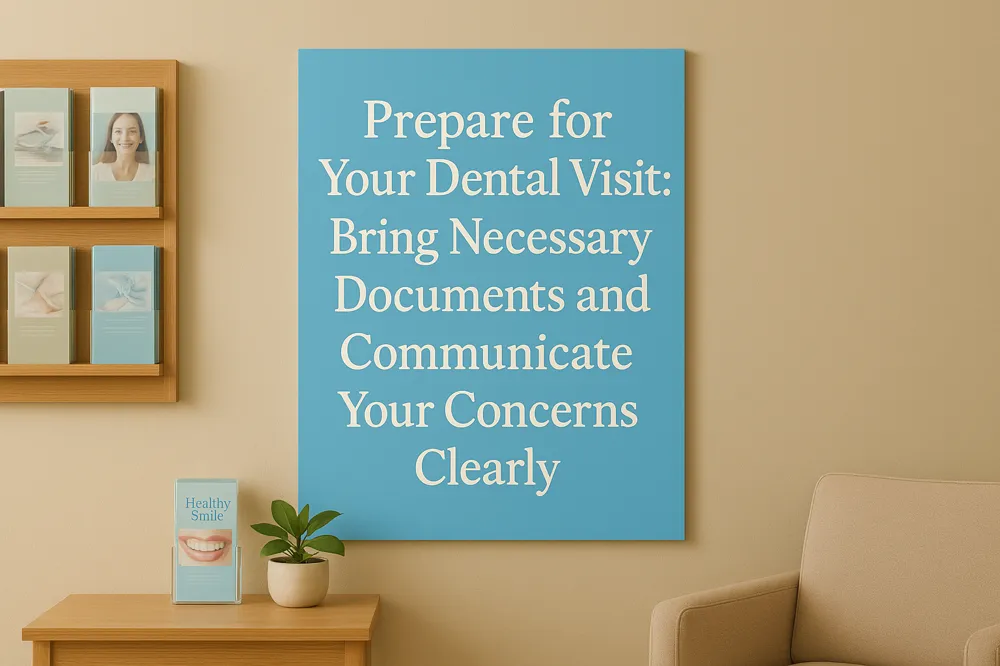
What Should You Bring Besides Your Dental Insurance?
Bringing your insurance card for dental appointment is essential, but having your updated medical history and a current list of current medications is equally important. This information helps your dentist understand your overall health and any conditions that might affect your dental treatment.
What Questions and Concerns Should You Prepare?
Having a list of questions to ask dentist or concerns ready makes your appointment more productive. Consider noting symptoms like tooth pain, sensitivity, or interest in cosmetic procedures. This ensures your dentist addresses all your needs and provides tailored care.
Why Is Honest Communication About Dental Anxieties Important?
Many patients feel nervous about dental visits. Sharing these feelings with your dentist beforehand allows them to offer accommodations, making your experience more comfortable and stress-free.
How Does Good Oral Hygiene Affect Your Appointment?
Brushing and flossing thoroughly before your visit not only makes the cleaning process easier but also enables your dentist to get an accurate assessment of your dental health. Avoid sugary foods beforehand to help prevent cavities.
How Does This Preparation Support Patient-Dentist Trust and Treatment Outcomes?
Being proactive with your preparation fosters open communication, builds trust, and helps your dentist create a personalized dental treatment plan. This partnership leads to improved dental care and better overall health outcomes.
The Bigger Picture: How Being Informed About Your Dental Insurance Promotes Health and Peace of Mind

How Understanding Coverage Encourages Regular Dental Visits
Dental insurance makes preventive care more accessible by covering routine services like cleanings and exams, often at no or minimal cost. Knowing that these visits are financially feasible motivates patients to schedule them regularly. Regular appointments help catch early signs of dental problems, reducing the risk of costly treatments in the future. Coverage details, such as which visits are fully paid for, remove uncertainty and encourage consistent care (Understanding Dental Insurance Coverage).
Dental Insurance's Role in Preventing Serious Oral and Systemic Health Issues
By encouraging frequent dental checkups, insurance helps identify oral health problems like cavities, gum disease, and oral cancers early. Detecting and treating these conditions promptly can prevent serious progression and complications. Research shows that good oral health correlates with better overall health, potentially lowering risks for heart disease, diabetes, and other systemic conditions. Dental insurance acts as a bridge to maintain this crucial link (Value of dental insurance).
Building Trust and Transparency Between Patients and Dentists Through Insurance Clarity
Understanding dental benefits fosters open communication between patients and dental providers. Patients who know their coverage limits and cost-sharing obligations can discuss treatment options confidently and plan financially. Dentists can provide pre-treatment estimate request for costly procedures, reducing surprises. This transparency strengthens trust, contributing to better treatment adherence and satisfaction (How to Educate Patients About Dental Insurance Benefits).
Using Tools Like myDentalScore to Assess Oral Health Risks and Plan Treatments
Innovative tools such as myDentalScore oral health tool allow patients to evaluate their risk for conditions like tooth decay, gum disease, and oral cancer. Sharing these results with dentists supports personalized care planning and prevention strategies. Insurance coverage often includes access to oral health programs, further enhancing proactive management of dental health (Dental benefits booklet).
Overall Benefits of Proactive Dental Care Supported by Insurance
Proactively using dental insurance benefits promotes healthier teeth and gums, prevents emergencies, and minimizes out-of-pocket costs. Armed with knowledge about their plans, patients can maximize coverage before benefits reset annually (Using Dental Insurance Before Year-End). Ultimately, well-informed patients who leverage insurance support not only improve their oral health but also gain peace of mind knowing they are protected against unexpected dental expenses (Dental benefits statistics 2024).
Bringing Your Dental Insurance Information: A Small Step with Big Benefits
Bringing your dental insurance card to your appointment is a simple yet powerful way to ensure smooth and transparent care. It allows your dental team to verify coverage quickly, confirm which services are included, and estimate your out-of-pocket costs. This preparation helps prevent surprises during billing and keeps your treatment plan on track.
By providing your insurance details, you empower your dentist to recommend care options that align with your benefits, maximizing your savings and access to necessary treatments. Being proactive and informed about your coverage supports better communication and builds trust between you and your provider.
Taking this small step encourages regular dental visits and helps maintain optimal oral health, ultimately protecting your overall well-being.