Why Flossing Matters for Sensitive Gums—and How to Do It Right
If you have sensitive gums, the mere thought of flossing might make you wince. It's a common reaction, but avoiding flossing can actually make the problem worse. Flossing is essential for removing plaque and food particles from the tight spaces between your teeth—areas your toothbrush simply can't reach. When plaque is left to accumulate, it can harden into tartar, leading to gum inflammation, bleeding, and increased sensitivity. The good news? With the right technique and tools, you can floss comfortably and effectively, turning a painful chore into a pain-free part of your daily routine that helps your gums heal and strengthens your overall oral health.
The Right Tools for Sensitive Gums
Choosing the right floss can make all the difference. For sensitive gums, soft, waxed floss is often the best starting point. Its smooth coating glides easily between teeth without causing irritation, making it gentler than unwaxed varieties. Dental tape, which is wider and flatter, is another excellent option as it provides enhanced coverage for larger gaps and feels less abrasive. If you find traditional string floss difficult to manage, consider alternatives like water flossers, which use a gentle stream of water to clean between teeth and along the gumline, or interdental brushes, which are tiny, bristled tools ideal for cleaning around braces, bridges, or wider spaces. Floss picks are convenient for on-the-go use but may not be as effective for thorough cleaning.
Mastering the Gentle Flossing Technique
Proper technique is paramount for avoiding pain and maximizing plaque removal. Start by breaking off about 18 inches of floss. Wrap most of it around one middle finger and the rest around the other middle finger. Hold the floss tightly between your thumbs and forefingers, leaving about an inch or two to work with. Gently guide the floss between your teeth using a back-and-forth sawing motion—never snap or force it into the gums. When you reach the gum line, curve the floss into a C-shape against the side of one tooth. Slide it gently into the space between the gum and tooth until you feel light resistance, then move the floss up and down along the tooth surface. Repeat this for the adjacent tooth, and then continue to all remaining teeth, remembering to floss the back side of your last molars. Use a clean section of floss for each tooth to avoid spreading bacteria.
Fine-Tuning Your Routine for Better Results
If your gums are particularly sore or inflamed, consider flossing every other day initially to allow them time to heal. As your gums become healthier, you can increase to daily flossing, ideally before bedtime. This timing is beneficial because saliva production decreases during sleep, making plaque more concentrated and potentially more harmful. A saltwater rinse after flossing can also soothe irritated tissues and help control bacteria. If you experience bleeding during the first week of regular flossing, don't be alarmed—this is often a sign that your gums are healing and the inflammation is subsiding. However, if bleeding or pain persists beyond this period, you may be flossing too aggressively, or it may indicate an underlying issue that requires a visit to your dentist.
A Quick Guide to Flossing Products for Sensitive Gums
| Product Type | Best For | Key Consideration for Sensitive Gums |
|---|---|---|
| Waxed Dental Floss | General use; tight spaces | Coating helps it glide smoothly, reducing friction and irritation. |
| Dental Tape | Wider gaps; sensitive gums | Wide, flat shape is less abrasive and covers more surface area. |
| Water Flosser | Braces, bridges, dexterity issues | Gentle water stream massages gums; may not remove sticky plaque from tight contacts as effectively as string floss. |
| Interdental Brushes | Wider gaps; braces, bridges | Gentler than floss on gum tissue, but require the correct size to avoid irritation. |
| Floss Picks | On-the-go convenience; beginners | Easy to use but less effective for thorough cleaning; the fixed floss section can spread bacteria if reused. |
By selecting the right tools and adopting a gentle, consistent approach, you can successfully integrate flossing into your daily oral care routine without pain. Regular, proper flossing not only reduces gum sensitivity over time but also helps prevent tooth decay, gum disease, and other serious health issues, making it a small investment with significant returns for your overall well-being. If you have persistent concerns, always consult your dentist for personalized advice.
The Truth About Flossing: Why It's Non-Negotiable
Is flossing really necessary for oral health?
Flossing is not just a nice addition to your routine; it is a non-negotiable step for maintaining your oral health. Your toothbrush, even the most advanced electric model, is designed to clean the visible surfaces of your teeth but cannot reach the tight spaces between them. These interdental areas are prime real estate for plaque, a sticky film of bacteria that feeds on leftover food. If plaque isn’t removed daily, it can harden into tartar, which only a dental professional can remove, leading to cavities, gum inflammation, and eventually gum disease. Regular flossing removes plaque from these hidden areas, dramatically reducing your risk of tooth decay and periodontal disease.
Flossing prevents cavities and gum disease
The connection between flossing and overall health is becoming clearer than ever. Gum disease, which starts with inflamed, bleeding gums, is not just a mouth problem. The bacteria from infected gums can enter your bloodstream and has been linked to serious health conditions such as heart disease, diabetes complications, and respiratory infections. By flossing daily, you are lowering the inflammation in your body and protecting your heart and immune system. A clinical study found that daily flossing can reduce gum bleeding by up to 50% compared to not flossing at all. This makes flossing a simple, low-cost action with far-reaching benefits.
Does flossing create gaps in teeth or damage gums?
A common worry, especially among people with sensitive gums, is that flossing might cause gaps or damage your gums. The truth is the opposite. Proper flossing does not create gaps. What you might notice is that after starting a consistent flossing habit, some spaces between your teeth appear larger. This is simply because you are removing built-up plaque and debris that was previously hiding those natural gaps. In fact, gum disease is what actually causes gums to recede and create spaces between teeth. Incorrect flossing—such as snapping the floss hard into the gum tissue—can cause irritation or recession, but using the correct technique is completely safe and actually protects your gum health.
Do I still need to floss if I use an electric toothbrush like Sonicare?
The short answer is yes. An electric toothbrush, like Sonicare, is excellent at cleaning the surfaces of your teeth and removing plaque from the visible areas. However, no toothbrush can reach the 40% of tooth surfaces that lie between your teeth. This is where flossing takes over, effectively removing plaque and food particles from these tight spaces. For best results, floss before you brush your teeth. This loosens the plaque, allowing the fluoride from your toothpaste to more effectively reach the areas between your teeth. Think of brushing and flossing as a team—each does what the other cannot, and together they create a complete oral care system.
Table: Common Flossing Myths vs. Facts
| Myth | Fact | Why It Matters |
|---|---|---|
| Flossing is not necessary if I brush well. | Brushing alone misses 40% of tooth surfaces between teeth. | Flossing is the only way to remove plaque from interdental areas, preventing cavities and gum disease. |
| Flossing causes gums to bleed and should be avoided. | Bleeding gums are a sign of inflammation. Consistent flossing helps gums heal and stop bleeding. | Bleeding is a symptom of gum disease, not a reason to stop flossing. Gentle daily flossing reduces inflammation. |
| Flossing can create gaps between my teeth. | Flossing removes the plaque that made gaps look smaller. Proper flossing does not create spaces. | Gaps are caused by gum disease or untreated plaque, not by flossing. Flossing actually prevents the causes of gaps. |
| An electric toothbrush replaces the need to floss. | Electric toothbrushes cannot reach between teeth. Flossing is still required to clean these areas. | For complete oral health, you need both brushing and flossing. Floss first, then brush for the best protection. |
Choosing the Right Floss for Sensitive Gums and Tight Teeth
What is the best floss for tight teeth and sensitive gums?
For patients with tight teeth, a waxed or PTFE monofilament floss is often the best choice. These flosses, such as Oral-B Glide Pro-Health or Listerine Ultraclean, are designed to slide easily between crowded contacts without fraying or shredding. Their smooth texture reduces the risk of getting stuck, which can be a common frustration that leads to skipped flossing.
If you also have sensitive gums, consider switching to a wider dental tape or a soft floss. Dental tape, such as Oral-B Satin Tape or Dr. Tung’s Smart Floss, provides a broader surface that is gentler on tender gum tissue while still effectively removing plaque. These options are often recommended for patients who experience discomfort with standard string floss.
Which dental floss is recommended by dentists for plaque removal?
Dentists and hygienists often highlight specific brands for their plaque-fighting abilities. Cocofloss is a hygienist favorite due to its thick, fibrous texture that grabs and wipes plaque from tooth surfaces. Listerine Reach Floss (formerly Reach) is praised for its light wax coating that helps dislodge plaque effectively without irritating gums.
Another top pick is Oral-B Glide Pro-Health, which is not only excellent for tight spaces but also removes plaque thoroughly without shredding. For patients who prefer a more eco-friendly option, Dr. Tung’s Smart Floss uses a vegetable wax and claims 55% more plaque removal, though dentists advise taking such internal studies with a grain of salt.
Water flossers: A gentle alternative for sensitive gums
Water flossers (e.g., Waterpik) are an excellent alternative for patients with very sensitive gums or those who struggle with string floss. They use a gentle stream of pressurized water to clean between teeth and along the gumline, which can reduce inflammation and bleeding. Studies have shown water flossers can be as effective as, or superior to, string floss for reducing plaque and gingival inflammation.
Water flossers are particularly useful for patients with braces, bridges, or dental implants, as they can clean around hardware without causing irritation. They are also ideal for individuals with limited dexterity, such as those with arthritis. While they may not remove sticky plaque from tight contacts as effectively as string floss, their massaging action can improve gum health significantly.
ADA-approved floss and hygienist favorites
The American Dental Association (ADA) recommends using floss with its Seal of Acceptance, which indicates the product has been rigorously tested for safety and effectiveness. Popular ADA-approved options include Oral-B Essential Floss, Colgate Total Mint Waxed dental floss, and Listerine Ultraclean.
Hygienist favorites beyond Cocofloss and Reach include:
- Superfloss (Oral-B): Best for braces, bridges, and bonded retainers. Each piece has a stiff end for threading, a spongy section, and regular floss.
- Risewell Floss: Infused with hydroxyapatite to help remineralize enamel between teeth.
- The Humble Co. Floss Picks: Double-threaded for better plaque removal, made from eco-friendly corn starch.
Consistency matters most
Ultimately, the best floss is the one you will use every day. Dentists agree that regular flossing—regardless of the specific type—leads to healthier gums, less bleeding, and reduced inflammation. Dr. Paul Katz, a dentist interviewed in a professional article, noted: "Over the years, I’ve frequently asked patients with healthy gums what they do to keep them so perfect... they all floss regularly! It didn’t matter so much which type of floss they used, it was the fact that they used it!"
If you have sensitive gums, start gently. Use a soft, waxed floss or dental tape, and floss once daily before brushing. A saltwater rinse after flossing can soothe irritated tissues. If pain persists, consider a water flosser or consult your dentist for a custom recommendation.
Quick reference guide
| Floss Type | Best For | Examples | Considerations |
|---|---|---|---|
| Waxed string floss | Tight teeth, crowded contacts | Oral-B Glide Pro-Health, Listerine Ultraclean | Slides easily; less fraying |
| Dental tape (waxed or unwaxed) | Sensitive gums, wider gaps | Oral-B Satin Tape, Dr. Tung’s Smart Floss | Gentle on tissue; broader surface |
| PTFE monofilament floss | Very tight spaces | Oral-B Glide Pro-Health, Cocofloss | Smooth, shred-resistant |
| Water flosser | Sensitive gums, braces, bridges | Waterpik, Hydro Floss | Extremely gentle; ideal for limited dexterity |
| Unwaxed floss | Tight spaces (if waxed feels bulky) | Tom’s of Maine Antiplaque Unwaxed | May fray or break; good for precise clean |
| Super floss | Braces, bridges, implants | Oral-B Super Floss, GUM Easy Thread | Stiff end for threading; spongy section for cleaning |
| Interdental brushes | Wider gaps, recession | TePe, GUM Proxabrush | Effective for broader surface cleaning; requires correct size |
Remember, consistency is key. Choose a floss that fits your comfort and lifestyle, and floss daily for optimal gum health. If you experience persistent pain or bleeding, schedule a dental check-up to rule out underlying issues like gingivitis or periodontitis.
Note: This section provides general guidance. Always consult your dentist for personalized recommendations based on your specific oral health needs.
Mastering the C-Shape Technique for Gentle Flossing

How do I floss properly for beginners?
Starting a new flossing routine, especially with sensitive gums, can feel challenging, but mastering a gentle technique makes all the difference. For beginners, the right approach focuses on control and a soft touch, not force. Begin by cutting a piece of floss about 18 inches long. This may seem like a lot, but the length is essential for maintaining a clean section for each tooth and providing better control.
Wrap the majority of the floss around your middle finger of one hand, and a small portion around the middle finger of the other hand. This leaves a few inches of taut floss to work with. The goal is to have a secure grip where your fingers do the work, not your arms. Hold the floss tightly between your thumbs and index fingers. This grip will give you the precision needed to guide the floss gently between your teeth.
Think of your thumbs as a guide for your upper teeth and your index fingers as guides for your lower teeth. Use a gentle back-and-forth sawing motion to ease the floss between your teeth. Never snap or force the floss into your gums, as this can cause unnecessary pain and irritation. The key is a slow, rhythmic motion that feels like you are sawing a piece of bread, not cutting a rope.
Why is the C‑shape technique important for sensitive gums?
Once the floss is between your teeth, the real work begins. The most effective and gentle way to clean is the C‑shape technique. Instead of just moving the floss straight up and down, curve it into a “C” shape against the side of one tooth. This allows the floss to hug the natural curve of your tooth and slide gently into the space just under the gumline.
Slide the floss up and down, moving it from the highest contact point between your teeth down to where the tooth meets the gum. You should feel a light resistance as it gently goes under the gum. This action removes plaque that a toothbrush cannot reach. After a few strokes, release the C‑shape and curve the floss against the adjacent tooth in the same gap, repeating the up‑and‑down motion. This ensures both sides of every space between your teeth are cleaned thoroughly.
| Common Flossing Mistakes | Why It Hurts Sensitive Gums | The Gentle C‑Shape Alternative |
|---|---|---|
| Snapping floss into the gum line | Can cause immediate bleeding, bruising, and increased inflammation. | Use a gentle side-to-side sawing motion to ease the floss between teeth, curving it at the gum line. |
| Reusing the same section of floss for multiple teeth | Transfers bacteria and plaque from one area to another, potentially causing infection and irritation. | Use a clean, fresh section of floss for each tooth by unwinding new floss from your finger. |
| Ignoring the back of the last molars | Allows plaque to build up in hard-to-reach areas, leading to gum disease and sensitivity. | Curve the floss around the back of the last tooth, using the same up‑and‑down motion along the entire surface. |
How do I use a clean section of floss for each tooth?
After you finish cleaning one space, it is vital to use a clean section of floss for the next. Reusing the same, already‑used piece of floss can reintroduce the bacteria and plaque you just removed back into your mouth. To do this, unwind a small amount of fresh floss from your “dispenser” finger while taking up the used floss on your other middle finger. This simple habit prevents cross‑contamination and keeps your flossing effective.
Also, do not forget to floss the back side of your last molars on both the upper and lower arches. Many people miss these far‑back teeth, but they are prime spots for plaque buildup and gum disease. The technique is the same: curve the floss around the tooth and slide it up and down. It may feel awkward at first, but with practice, it will become second nature.
What tips can help beginners get started?
For beginners, the process can feel clumsy, but a few simple tips can make it quick and effective. The most important tip is to relax your lips and cheeks. If you tighten your mouth, it becomes almost impossible to maneuver your fingers and the floss into place. Keeping your facial muscles relaxed allows your fingers to move freely and access all areas of your mouth.
Another helpful tip is to start slowly. You do not have to floss your entire mouth perfectly on the first try. Focus on a few teeth at a time, and as you become more comfortable, you can cover more ground. It is also normal for gums to bleed a little during the first week of regular flossing. This is a sign that your gums are healing and becoming healthier. If bleeding persists, it could mean you are being too aggressive, and you should review your gentle C‑shape technique. With daily practice, flossing becomes a quick, efficient, and essential part of your oral care routine, keeping your gums healthier and less sensitive over time.
Conquering Hard-to-Reach Spots: Back Teeth, Braces, and Retainers
How Do I Floss Back Teeth or Hard-to-Reach Areas and Keep My Gums Safe?
Many people struggle with flossing the back molars, but neglecting these areas allows plaque to harden into tartar, which can lead to gum disease and cavities. The key is to give yourself enough floss. Use at least 18 inches, winding most around one middle finger and spooling the used portion onto the other. This gives you a clean section for every tooth and better control.
To reach those back teeth, angle the floss towards the molars and use a gentle, side-to-side sawing motion to guide it between the teeth and behind the last tooth. Remember the C‑shape: curve the floss around each tooth and slide it gently up and down just under the gumline. Avoid snapping the floss into the gums, as this can cause soreness and bleeding.
If your mouth feels cramped or you have trouble reaching, relax your lips and cheeks. For extra help, try tools like floss picks, long‑handled flossers, or floss threaders. Daily flossing in these areas is essential for preventing inflammation and decay.
Can I Floss with Braces or a Permanent Retainer?
Yes, you can and must floss with braces and permanent retainers. Plaque and food easily get trapped around brackets and wires, and if not removed daily, they can cause white spots, cavities, and gum disease.
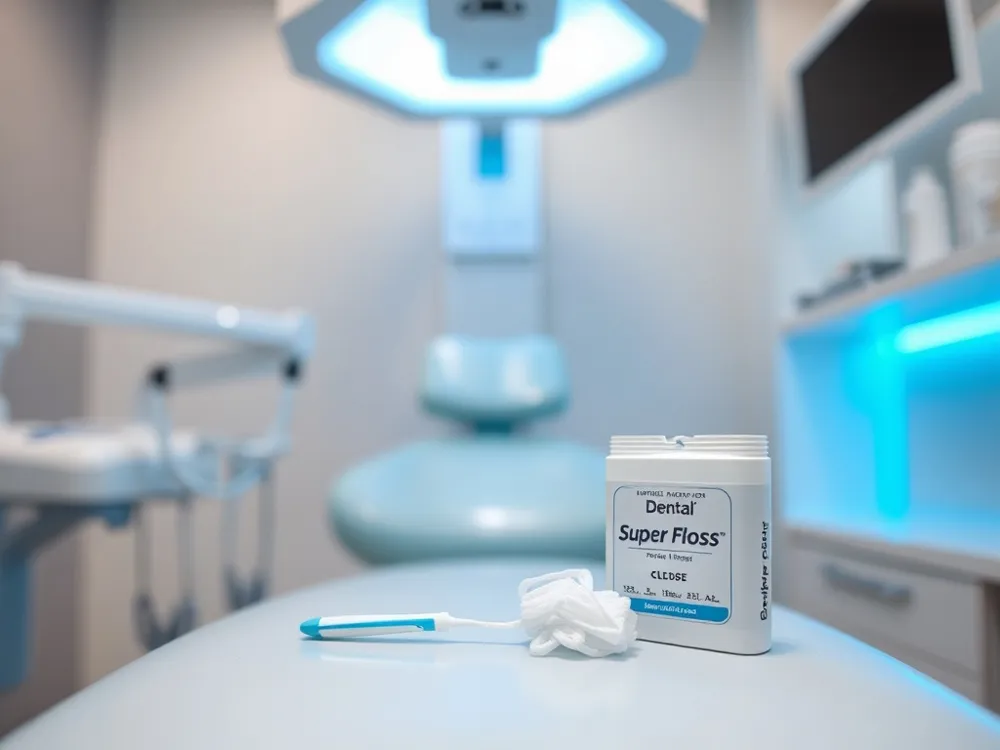
For braces, use a floss threader or orthodontic floss with a stiffened end to guide the floss under the main wire. Some specialized floss picks can also help. For permanent retainers, a floss threader or super floss is your best tool. Super floss has a stiff end for threading, a spongy section for cleaning around the wire, and regular floss for the spaces between teeth.
What Are the Best Tools for Braces and Retainers?
Water flossers are highly effective for both braces and permanent retainers. They use a gentle stream of water to rinse away food and plaque from around wires, brackets, and under the gumline. This can be especially soothing for sensitive gums. However, water flossers should not fully replace string floss, as the physical scraping action of the floss is best for removing sticky plaque from tooth surfaces.
For an optimal routine, use string floss or super floss first, then follow up with a water flosser to flush out loosened debris. Be extra gentle around the gums of your orthodontic appliances, and always use products with the ADA Seal of Acceptance.
| Tool | Best For | Key Consideration |
|---|---|---|
| String Floss | All‑around cleaning, reaching under gums | Use gentle sawing motion; do not snap into gums |
| Floss Threader | Braces and permanent retainers | Threads floss under wires; use with any floss |
| Super Floss | Braces, bridges, wide gaps | Stiff end, spongy section, and regular floss in one |
| Orthodontic Floss Pick | Braces (specialized design) | Convenient but may not fit all tight spaces |
| Water Flosser | Braces, retainers, sensitive gums | Gentle; effective for dislodging debris; not a replacement for manual flossing |
Troubleshooting Common Flossing Issues

I can't get floss between my teeth after a filling or suddenly. What should I do?
It can be frustrating when floss suddenly won't fit, especially after a dental filling. This is a common issue, and the solution often involves adjusting your technique or the type of floss you use. The first step is to switch to a waxed floss or a PTFE (glide) floss. These products are coated to slide more easily through tight contacts, making them ideal for this situation. Apply a gentle sawing motion to work the floss between the teeth, but never force or snap it, as this can damage your gums.
If a traditional string floss still won't pass through, a water flosser or an interdental brush can be excellent alternatives for cleaning that area. Clinical studies have shown that water flossers can remove up to 99.9% of plaque bacteria from treated areas. The difficulty you're experiencing could be due to a filling that is too tight, an overhang from the filling, or even temporary gum inflammation in that spot. If the problem persists despite trying these methods, make an appointment with your dentist. They can examine the filling to ensure it is correctly shaped and adjust it if necessary.
What does it mean when flossing back teeth smells bad?
A bad smell when flossing your back teeth is often a clear signal that trapped food, plaque, and bacteria are accumulating in those hard-to-reach areas. The molars have intricate grooves and tight spaces where anaerobic bacteria thrive. These bacteria produce sulfur compounds as they break down food debris, which is what creates the unpleasant odor. A persistent smell can also be an early warning sign of gum disease (gingivitis or periodontitis) or even hidden tooth decay between the molars.
Regular, daily flossing is the primary defense against this buildup. The act of flossing physically removes the bacteria and food particles, helping to resolve the odor. Professional dental cleanings are also crucial for removing hardened tartar that you can't remove at home. However, if the bad smell continues despite good home care, it is important to visit your dentist for a thorough examination. Addressing the issue promptly can prevent more serious oral health problems down the road.
What is the difference between floss, tape floss, and water flossers?
Understanding the different tools available can help you find the most effective and comfortable method for your unique needs.
| Tool | Key Features | Best For | Considerations |
|---|---|---|---|
| Traditional Floss | Thin nylon or PTFE string | Tight spaces between teeth; precision cleaning | Can be challenging for those with limited dexterity or wide gaps |
| Tape Floss | Wider and flatter than string floss | Sensitive gums; wider gaps between teeth | May not fit into very tight contacts |
| Water Flosser | Pressurized stream of water | Braces, implants, bridges, dexterity challenges | Studies show it can remove up to 99.9% of plaque; may not remove all sticky plaque from very tight contacts |
Traditional floss is the standard thin string that slides into tight spaces. Tape floss is wider and flatter, making it gentler on sensitive gums and more effective for cleaning larger gaps. A water flosser uses a pressurized stream of water to clean along the gumline and between teeth. It is especially helpful for individuals with braces, permanent retainers, implants, or arthritis that makes handling string floss difficult. Researchers have found water flossers to be incredibly effective, removing up to 99.9% of plaque bacteria from treated areas. Ultimately, the best choice depends on your specific dental needs and personal preference for comfort and ease of use. Your dentist can help you decide which tool is right for you.
Build a Flossing Routine That Works for You
Consistency is more important than perfection—even daily gentle flossing yields major benefits.
Many people delay starting a flossing routine, often worried about doing it perfectly or causing discomfort. However, the most important factor is simply making it a daily habit. You don't need to be an expert overnight—consistent effort brings the greatest rewards for your gum health.
Studies show that regular flossing—even a brief, gentle session—significantly reduces plaque and gingival inflammation. Research reports that daily flossing can decrease dental plaque by up to 40% and gum inflammation by about 50%. The key is doing it every day, not striving for flawless technique from day one.
For optimal results, floss at least once a day. The American Dental Association recommends flossing once daily. The best time is often before bed, as saliva flow decreases during sleep, making plaque more concentrated and potentially more harmful. If you prefer morning or after lunch, choose a time that allows you to give your teeth extra attention.
Flossing before brushing can also be effective. When you floss first, you loosen food particles and plaque, allowing toothpaste fluoride to reach between teeth more effectively. This simple order change amplifies your routine's benefits without extra effort.
Your consistency with flossing pays off. Dentists can tell if someone flosses regularly by observing healthy, pink, firm gums that don't bleed easily. Regular flossing helps maintain attachment levels and reduces pocket depths—key indicators of gum health. So focus on making flossing a non-negotiable part of your daily routine.
Start slowly if needed, and combine with regular dental checkups for optimal gum health.
If daily flossing feels overwhelming or causes discomfort, start gradually. Dental professionals recommend increasing flossing frequency slowly. Begin with every-other-day flossing if daily sessions cause irritation. This allows your gums time to heal between sessions before you transition to daily flossing.
Consider starting with water flossing if your gums are already sore. Water flossers use a gentle stream of water to clean between teeth and along the gumline. They are gentle on sensitive gums and especially useful for people with braces, bridges, or dental work. You can then gradually incorporate string floss as your gums become less sensitive.
When choosing tools, select what works for your comfort. For sensitive gums, soft, waxed floss glides smoothly and reduces irritation. Avoid snapping floss into gums—use a gentle side-to-side sawing motion. Interdental brushes or floss picks are excellent alternatives if traditional floss is difficult to handle. The right tool makes consistency much easier.
Regular dental checkups are essential to support your home routine. Professional cleanings remove tartar that home care cannot reach. Your dentist can also recommend specific products or techniques suited to your needs. For instance, they may suggest medicated toothpaste or mouthwash if sensitivity persists.
Combining daily flossing with professional care maximizes your gum health. Without regular checkups, plaque buildup can lead to gum disease, regardless of how well you floss. Aim for a cleaning every three to six months, or follow your dentist's recommendation. This partnership between home care and professional help is the foundation of lasting oral health.
Reassure readers that initial sensitivity fades with continued proper flossing.
It is normal for gums to bleed or feel sore during the first week of regular flossing. This is a sign that your gums are healing, not that you are causing damage. Plaque buildup causes inflammation, and flossing removes plaque, prompting a healing response that may include temporary bleeding.
If flossing hurts, you may be applying too much pressure or pinching the gum tissue. Check your technique: hold the floss tightly between your hands for better control, and curve it into a gentle C-shape around each tooth. Slide up and down along the tooth side, not straight into the gum. A gentle sawing motion between teeth prevents snapping.
Daily gentle flossing helps gums become accustomed to the routine. Bleeding and sensitivity usually decrease within a week or two of consistent practice. If discomfort persists beyond that, consult your dentist. You may need a different type of floss—such as dental tape for wider gaps—or professional evaluation to rule out underlying issues like gingivitis.
Remember, seeing some blood initially is not a reason to stop. It is actually a sign that you are targeting areas that need cleaning. As plaque is removed and gums heal, bleeding stops. Be patient and consistent—your gums will adapt.
| Common Concern | What It Means | What to Do |
|---|---|---|
| Bleeding first week | Normal healing response | Continue gentle flossing daily |
| Soreness after flossing | Likely too much pressure or incorrect technique | Use gentle C-shape, avoid snapping |
| Bleeding persists 2+ weeks | Possible underlying issues | Consult dentist for evaluation |
| Sensitivity when starting water flosser | Gum inflammation from plaque | Start with low pressure, increase gradually |
Your commitment to flossing will pay off with healthier gums and less sensitivity over time. Stay gentle, stay consistent, and don't hesitate to ask your dentist for help finding the right approach for you.