Why Enamel Matters
Tooth enamel is the body's hardest tissue, composed of about 95 % minerals—primarily calcium and phosphate in the form of hydroxyapatite—plus a small amount of water and protein. It acts as a protective shell for the underlying dentin and pulp, shielding teeth from mechanical wear, bacterial acids, and temperature changes. Once enamel is lost, it cannot regenerate because it contains no living cells; only saliva and fluoride can remineralize the surface, but they cannot restore lost structure. The most common risk factors for erosion include frequent exposure to acidic foods and drinks (sodas, citrus juices, sports drinks), sugary snacks that feed acid‑producing bacteria, acid reflux or vomiting, and mechanical habits such as aggressive brushing with a hard‑bristled toothbrush, teeth grinding, or chewing ice. Recognizing these factors and adopting gentle oral‑care habits, a calcium‑rich diet, and fluoride protection are essential to preserve enamel and maintain long‑term oral health.
Understanding Enamel and Its Vulnerability
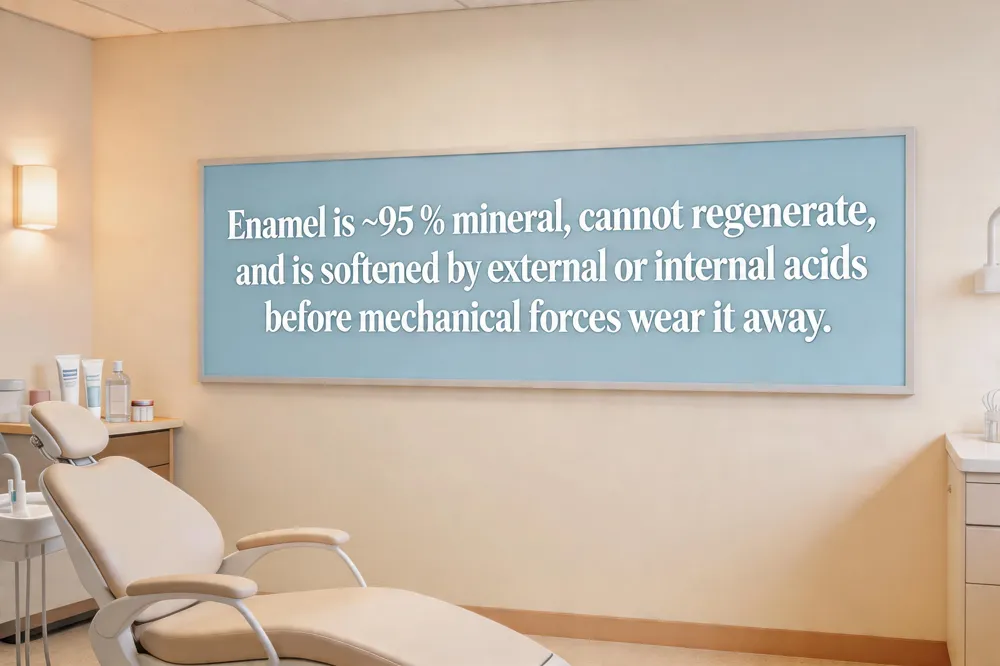 Tooth enamel is composed of about 95 % minerals—primarily hydroxyapatite, a crystal of calcium and phosphate—plus a small amount of water and protein. Because enamel contains no living cells, it cannot regenerate once it is lost; instead, it relies on saliva and topical agents to remineralize any early damage. Enamel erosion begins when acids soften the mineral surface. External acids come from sodas, citrus fruits, sports drinks, vinegar, and acidic medications, while internal acids are produced by gastric reflux, frequent vomiting (e.g., bulimia), and a dry mouth that reduces saliva’s buffering capacity. After the enamel is softened, mechanical forces such as aggressive brushing, teeth grinding (bruxism), or biting hard objects can wear it away.
What causes enamel erosion? Acid exposure—both external (dietary and beverage) and internal (stomach acid, dry mouth)—softens enamel, and then mechanical abrasion from harsh brushing, bruxism, or hard foods removes the softened layer. Limiting acidic foods, using a soft‑bristled toothbrush and treating reflux or dry‑mouth conditions help protect enamel.
Are there supplements that can strengthen enamel? Yes. Calcium and vitamin D3 work together to supply and absorb the mineral needed for strong teeth, while vitamin K2 directs calcium to teeth and bones. Phosphorus, magnesium, silica, and hydroxyapatite supplements (or hydroxyapatite‑based toothpastes) also support remineralization. Choose well‑absorbed forms such as calcium citrate, cholecalciferol, MK‑7 vitamin K2, and magnesium glycinate, and discuss any new regimen with your dentist.
Daily Oral‑Hygiene Practices That Protect Enamel
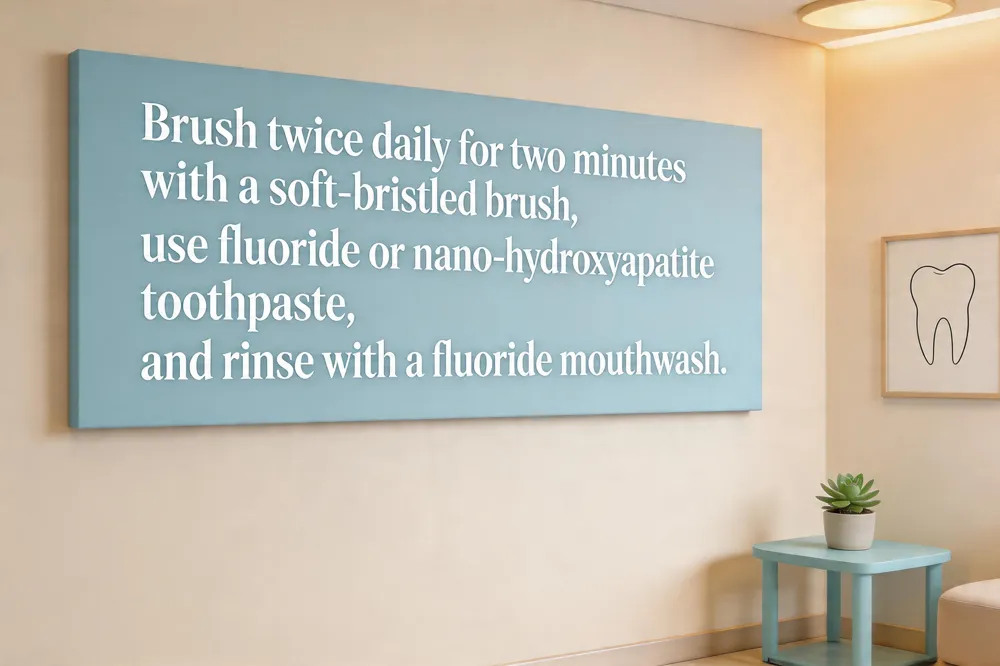 A gentle, soft‑bristled toothbrush used in circular motions for two minutes twice a day removes plaque without grinding the enamel surface. Pair this technique with a toothpaste that supplies minerals: fluoride formulas (e.g., Sensodyne Pronamel) deposit fluorapatite, making enamel more acid‑resistant, while nano‑hydroxyapatite pastes (such as Boka’s n‑HA line) directly replenish the hydroxyapatite crystals that form tooth enamel. Both options support remineralization, but the nano‑HA choice offers a fluoride‑free, mineral‑rebuilding approach for patients who prefer it.
Mouthwash can boost protection; fluoride‑rich rinses like Pronamel Intensive Enamel Repair Extra Fresh‑Mouthwash, Listerine Clinical Solutions Teeth Strength Anticavity Fluoride, or Crest Pro‑Health Enamel & Cavity Protection deliver fluoride ions that penetrate the enamel, repairing early erosion and reducing sensitivity.
Remember the 2‑2‑2 rule: brush twice a day for two minutes each session and visit the dentist twice a year. This simple schedule, combined with adequate hydration, sugar‑free gum to stimulate saliva, and a diet rich in calcium, phosphorus, vitamin D, works together to keep enamel strong and resilient.
Nutrition and Lifestyle Choices for Stronger Enamel
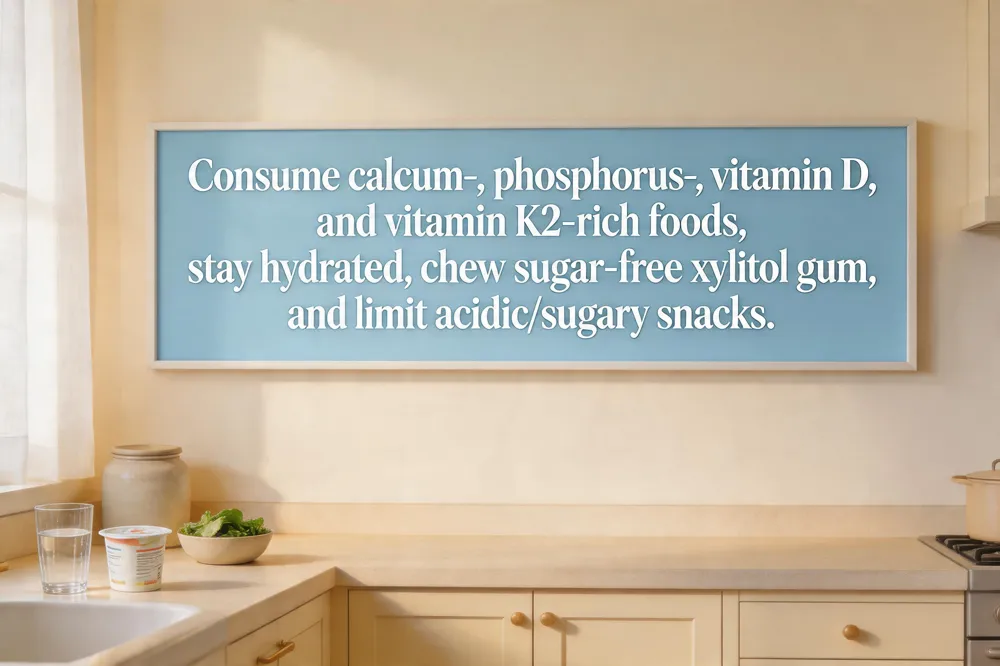 A diet rich in calcium‑ and phosphorus‑rich foods provides the building blocks that your teeth need to remineralize. Dairy products such as cheese, yogurt, and milk supply calcium, while leafy greens (spinach, kale), nuts (almonds, Brazil nuts), and legumes contribute phosphorus and magnesium that support the hydroxyapatite lattice of enamel. Vitamin D—found in fatty fish like salmon and mackerel, egg yolks, and fortified foods—helps the body absorb calcium and phosphate more efficiently, and vitamin K2 (in fermented cheeses and natto) works alongside vitamin D to direct calcium to the teeth.
Hydration is equally important: drinking plenty of water and rinsing the mouth after acidic meals keeps saliva flowing, and saliva delivers calcium and phosphate while neutralizing acids. Chewing sugar‑free xylitol gum further stimulates saliva production, offering an extra protective buffer.
Limiting sugary and acidic foods reduces the frequency of acid attacks that dissolve enamel. When you do indulge in citrus, soda, or sports drinks, wait at least 30 minutes before brushing and consider using a straw to minimize direct contact with teeth.
Which foods help strengthen enamel? Calcium‑rich items (cheese, milk, yogurt), phosphorus‑rich foods (nuts, eggs, lean meats), vitamin D sources (salmon, fortified milks), and crunchy vegetables that boost saliva all contribute to stronger enamel.
What nutrients and foods remineralize tooth enamel? Calcium, phosphate, vitamin D, magnesium, and fluoride (from tea or fluoridated water) are the key nutrients; foods delivering these minerals include dairy, leafy greens, nuts, fish, and fortified plant milks.
How can I naturally restore tooth enamel? While enamel cannot regrow, you can remineralize existing tooth by eating calcium‑ and phosphate‑rich foods, staying hydrated, rinsing with water after acidic exposure, chewing sugar‑free gum, using fluoride toothpaste, and brushing gently with a soft‑bristled brush. These habits collectively help rebuild mineral deposits and protect your smile.
Managing Early Enamel Erosion at Home
 Mild enamel erosion often shows up as a subtle loss of smoothness on the tooth surface, a faint yellowish tint, or tiny shallow pits that look like "cupping". Light sensitivity to hot, cold, or acidic foods is common, but the discomfort is usually brief. Early‑stage erosion may also cause slight rough edges near the gum line, visible only on close inspection.
While lost enamel cannot grow back, the remaining enamel can be strengthened through remineralization. A fluoride‑rich or enamel‑repair toothpaste, professional fluoride gels, and over‑the‑counter remineralizing rinses help redeposit calcium and phosphate. Chewing sugar‑free gum with xylitol stimulates saliva, which naturally buffers acids and supplies minerals to the tooth surface.
Home strategies include eating calcium‑ and vitamin‑D‑rich foods such as dairy, leafy greens, nuts, and fatty fish to provide the building blocks for remineralization. Rinsing with fluoridated water after acidic meals, staying well‑hydrated, and limiting sugary or acidic snacks protect the enamel. Gentle brushing with a soft‑bristled brush for two minutes twice daily removes plaque without wearing down the already‑thinned surface.
If tooth pain occurs, follow the 3‑3‑3 rule: rinse or apply a soothing compress every three hours, limit each soothing measure to three minutes, and schedule a dental appointment within three days if the discomfort persists. Early professional care can apply sealants or stronger fluoride treatments to halt further erosion.
Professional Treatments and When to Seek Help
 When enamel erosion begins, the first line of defense is professional fluoride care. Dentists can apply high‑strength fluoride gels or varnishes that deposit fluoride ions into the softened enamel, forming fluorapatite—a mineral more resistant to acid attacks. For early‑stage loss, prescription‑strength fluoride toothpaste or calcium‑phosphate pastes may also be recommended to boost remineralization.
If the enamel surface is significantly worn, sealants or protective coatings can be placed on the chewing surfaces of molars and premolars, creating a barrier against acid and plaque. In more advanced cases, restorative options such as composite bonding, porcelain veneers, or full‑coverage crowns rebuild the tooth’s shape and protect the underlying dentin.
Timing matters: the sooner a dentist intercepts demineralization, the more likely it is to be halted or partially reversed. Once a cavity forms and the dentin is exposed, the lost enamel cannot be regenerated; a filling, sealant, or crown becomes necessary. Regular check‑ups every six months help catch problems early, especially for thin enamel on front teeth, where bonding or ultra‑thin veneers can restore aesthetics and strength. If you grind your teeth, a nightguard can prevent further mechanical wear. Stay proactive—maintain good oral hygiene, limit acidic foods, and seek professional care at the first sign of sensitivity or discoloration.
Special Cases: Children, Acid Exposure, and Fluoride‑Free Options
 How can I strengthen enamel on my child's teeth?
Keep sugary and acidic foods to a minimum, as they feed plaque‑producing bacteria that erode enamel. Offer calcium‑rich foods such as milk, cheese, yogurt, leafy greens, and fortified plant‑based milks to support remineralization. Brush twice daily with an age‑appropriate fluoridated toothpaste and floss once a day to remove food particles. Rinse the mouth with water after meals especially after citrus or sugary drinks, to wash away residual acids. Schedule regular check‑ups so the dentist can monitor enamel health and apply professional fluoride treatments when needed.
What are early‑stage enamel erosion stages?
Early erosion begins with initial demineralization, where acids dissolve calcium and phosphate from the enamel surface, often without visible change. The next phase is surface weakening, creating microscopic pores that make enamel appear dull. White spots or faint discoloration may appear, and patients may notice mild sensitivity to hot, cold, or sweet foods. These stages are still reversible with good oral hygiene, fluoride, and dietary changes.
How can I stop acid erosion on my teeth?
Limit acidic foods and drinks, use a straw for sodas or juices, and rinse with water afterward. Wait at least 30 minutes before brushing, then use a soft‑bristled brush with fluoride toothpaste. Stay hydrated, chew sugar‑free gum, and consider a fluoride mouth rinse to boost saliva and neutralize acids. Manage chronic reflux or dry mouth with professional guidance.
How to strengthen enamel without using fluoride?
Support natural remineralization with calcium‑ and phosphorus‑rich foods—dairy, leafy greens, nuts, fortified products—and a low‑sugar diet. Chew sugar‑free gum or use saliva‑stimulating rinses to deliver minerals to the tooth surface. Choose fluoride‑free toothpaste containing hydroxyapatite or CPP‑ACP for direct mineral supply, and discuss professional options like self‑assembling peptides for early lesions.
Putting It All Together Before Your Next Visit
You’ve already built a solid foundation for healthy enamel by brushing twice daily with a soft‑bristled toothbrush and fluoride toothpaste, flossing, and chewing xylitol‑sweetened sugar‑free gum to keep saliva flowing. Pair those habits with a diet rich in calcium, phosphorus and vitamin D—think dairy, leafy greens, nuts, and fatty fish—and stay well‑hydrated; water (especially fluoridated) rinses away acids and supports the natural remineralization process. Limit frequent exposure to sugary or highly acidic foods and drinks, and give your saliva at least 30‑60 minutes to neutralize any lingering acid before you brush. If you notice persistent sensitivity, white spots, or any sudden changes in tooth appearance, schedule a professional check‑up. Loud Family Dental can assess early signs of erosion, apply targeted fluoride or sealant treatments, and tailor a preventive plan that fits your lifestyle—ensuring your enamel stays strong until your next visit.