Why Senior Oral Health Matters
Getting older brings a series of natural changes to the mouth. Enamel thins, gums may recede, and many medications cause dry mouth, which lowers saliva’s ability to wash away plaque and neutralize acids. These shifts increase the risk of cavities, gum disease, tooth sensitivity, and even root decay. Because oral bacteria can travel through the bloodstream, poor gum health is linked to heart disease, diabetes, and a higher chance of cognitive decline or dementia. Keeping teeth and gums healthy therefore supports nutrition, speech, confidence, and overall well‑being.
Loud Family Dental embraces this connection by offering a community‑focused, compassionate approach. The practice provides soft‑bristled or electric toothbrush recommendations for seniors with limited dexterity, fluoride treatments to protect thinning enamel, and regular cleanings that catch gum disease early. Caregivers receive clear guidance on denture care, hydration strategies for dry mouth, and using floss holders or water flossers. By combining evidence‑based preventive care with a welcoming environment, Loud Family Dental helps seniors maintain a bright, functional smile throughout their golden years. Regular visits also include oral cancer screenings, ensuring any early signs are promptly addressed.
Foundations of Oral Hygiene for Seniors
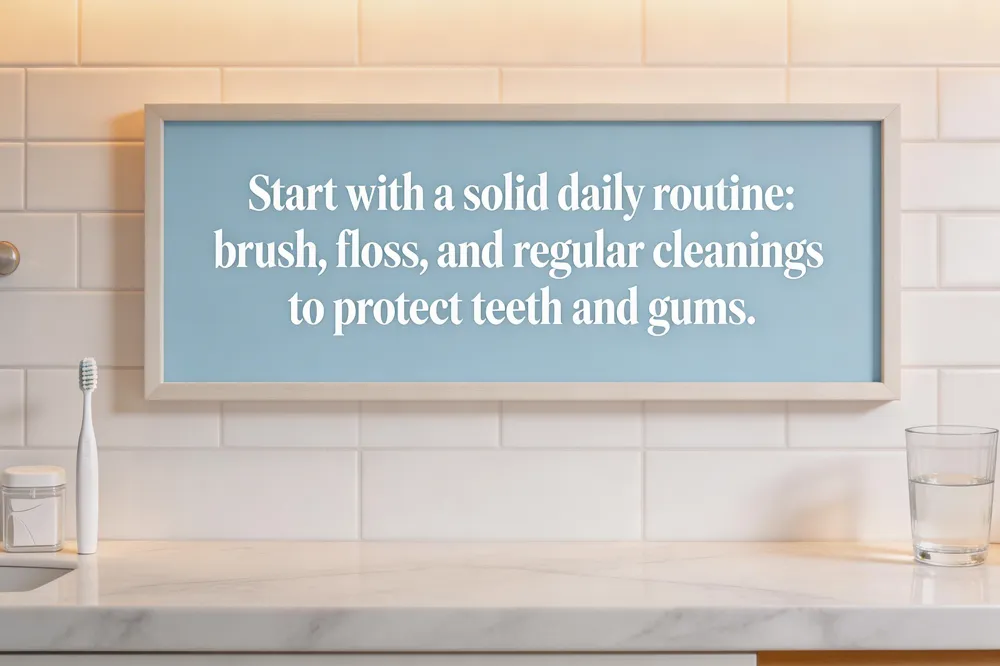 Healthy teeth and gums – A consistent routine—Brushing twice a day with fluoride toothpaste and flossing daily, daily flossing (or a water flosser), and regular professional cleanings—removes plaque, lowers the risk of cavities and gum disease, and supports overall health. A balanced, low‑sugar diet, adequate hydration, and quitting tobacco further protect enamel and gum tissue.
What is good oral hygiene for older adults? – Use a soft‑bristle toothbrush or electric brush for two minutes, twice a day. Clean between teeth daily with floss, floss picks, or an oral irrigator. Manage dry mouth with sugar‑free gum, alcohol‑free fluoride rinses, and frequent sips of water. Replace your toothbrush every 3‑4 months and schedule dental check‑ups at least twice a year.
What is the 2‑2‑2 rule? – 1) Brush twice a day, 2) Brush for two minutes each session, 3) See the dentist for a professional cleaning and exam twice a year. Consistently following these “twos” helps prevent decay and periodontal disease.
5 ways to take care of your teeth – 1) Brush with fluoride toothpaste using gentle circular motions. 2) Floss or use a water flosser daily. 3) Attend dental cleanings and exams every six months. 4) Eat calcium‑rich foods, limit sugary/acidic snacks, and stay hydrated. 5) Use fluoride treatments or a night‑guard if needed.
Dental tips and tricks – Brush for at least two minutes, wait 30 minutes after meals before brushing, chew sugar‑free gum to stimulate saliva, and avoid tobacco and excessive alcohol. An electric brush with a timer can improve plaque removal, especially for those with limited dexterity.
Managing Dry Mouth, Sensitive Teeth, and Tooth Strength
 Dry mouth (xerostomia) is common in seniors because many prescription medications reduce saliva flow. Saliva is the mouth’s natural cleanser and buffer, so staying well‑hydrated, sipping water throughout the day, and chewing sugar‑free gum can stimulate its production. Fluoride‑rich mouth rinses or prescription saliva substitutes add extra protection when moisture is low.
Tooth sensitivity often stems from gum recession exposing root dentin. A desensitizing toothpaste, gentle brushing with a soft‑bristled or electric brush, and night‑time mouth guards for grinding can lessen discomfort.
Strengthening enamel in later years relies on consistent oral hygiene and nutrition. Brush twice daily with fluoride toothpaste, floss or use interdental brushes each day, and rinse with an alcohol‑free fluoride mouthwash. A diet rich in calcium, vitamin D, phosphorus, and protein—think dairy, leafy greens, nuts, fish, and lean meats—supports mineralization, while limiting sugary or acidic foods reduces demineralization. Regular professional cleanings and fluoride treatments every six months catch early enamel loss.
How to strengthen teeth as you get older? Maintain a diligent brushing‑flossing routine, choose a calcium‑rich diet, stay hydrated, use fluoride products, and see the dentist twice a year.
Teeth care tips at home – Brush twice with a soft‑bristle brush, floss daily, use fluoride mouthwash, limit sugars, chew sugar‑free gum, replace toothbrushes every 3‑4 months, and schedule regular check‑ups.
What food kills mouth bacteria? Fluoridated water, dairy (milk, cheese, yogurt), crunchy fruits/vegetables (apples, carrots), berries with polyphenols, leafy greens, and lean proteins stimulate saliva and provide minerals that deter bacterial growth.
How to improve dental hygiene? Brush twice a day with gentle circular motions, floss or use interdental cleaners daily, rinse with antimicrobial mouthwash, avoid brushing immediately after acidic foods, keep a low‑sugar diet, stay hydrated, and attend bi‑annual dental cleanings.
Professional Care, Preventive Services, and Access
 How often should an 80‑year‑old go to the dentist?
An 80‑year‑old should schedule a dental visit at least twice a year for a professional cleaning and comprehensive exam. Because seniors are more prone to dry mouth, gum recession, and complications with dentures or restorations, the dentist may recommend more frequent appointments if these issues arise. Regular visits also allow early detection of oral cancer, gum disease, and any problems related to chronic conditions such as diabetes or heart disease. If the patient experiences pain, bleeding, or new dental appliances, they should be seen promptly rather than waiting for the routine six‑month check‑up. Consistent, comfortable care helps maintain overall health and a healthy smile throughout the senior years.
How often should an 80‑year‑old go to the dentist?
An 80‑year‑old should schedule a dental visit at least twice a year for a professional cleaning and comprehensive exam. Because seniors are more prone to dry mouth, gum recession, and complications with dentures or restorations, the dentist may recommend more frequent appointments if these issues arise. Regular visits also allow early detection of oral cancer, gum disease, and any problems related to chronic conditions such as diabetes or heart disease. If the patient experiences pain, bleeding, or new dental appliances, they should be seen promptly rather than waiting for the routine six‑month check‑up. Consistent, comfortable care helps maintain overall health and a healthy smile throughout the senior years.
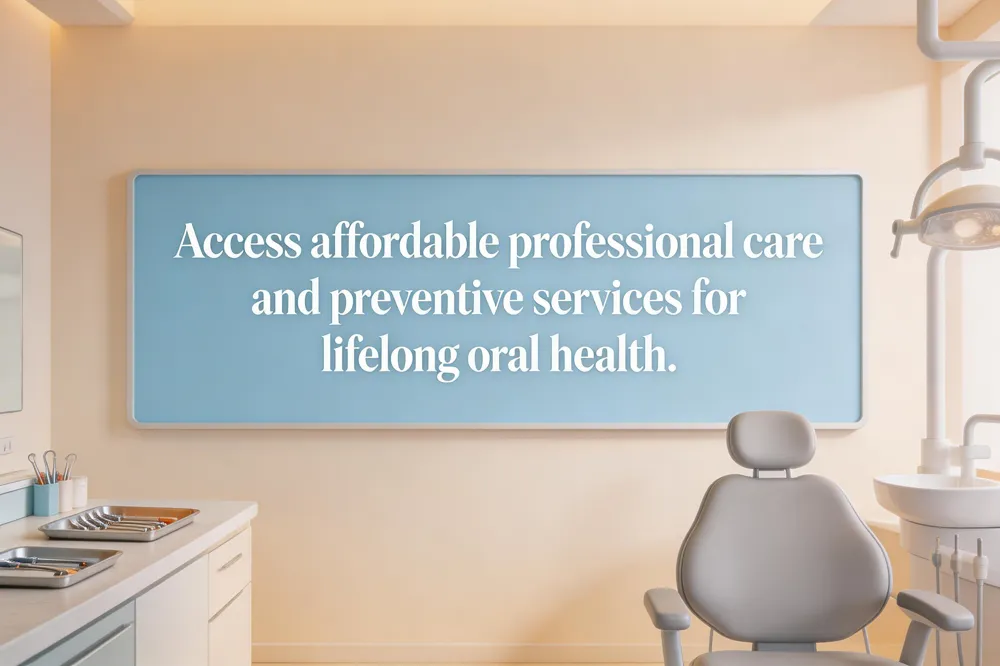
Free dental care for senior citizens Senior citizens can often obtain free or low‑cost dental care through state and national programs that partner with volunteer dentists. The Dental Lifeline Network’s Donated Dental Services (DDS) program lists Louisiana as a participating state, allowing adults 65 + with limited income to receive exams, cleanings, and necessary procedures at no charge. In Pennsylvania, the Senior Dental Care Program offers at least a 15 % discount for seniors who are residents, have no private insurance, and earn under the program income limits. To find a participating provider, seniors can call the DDS toll‑free line (844‑489‑9446) or visit the Dental Lifeline website to locate a volunteer dentist in their area. Contact Loud Family Dental to learn whether we participate in any local free‑care initiatives or can refer you to nearby safety‑net clinics.
Dental care for seniors near me Loud Family Dental in Shreveport, Louisiana offers comprehensive, senior‑focused dental care just a short drive away. Our comfortable team provides preventive exams, cleanings, X‑rays, and personalized oral‑health plans to keep aging teeth healthy, as well as restorative services such as fillings, crowns, root canals, and denture fittings. We accept Medicaid (Louisiana Medicaid) and most private insurance plans, and can help you navigate any financial‑assistance options for affordable treatment. Our gentle, community‑oriented approach ensures seniors receive pain‑free, compassionate care in a relaxing environment. Call us today to schedule an appointment and learn how we can support your smile at any age.
Wellness daily tips for teeth Start each day by brushing your teeth for two minutes with a soft‑bristle brush and fluoride toothpaste, using gentle circular motions to protect enamel and gums. Follow up with a daily flossing routine or a water flosser to remove plaque and food particles from between teeth where a brush can’t reach. Choose snacks and drinks that are low in sugar—crunchy fruits and vegetables, cheese, and plenty of water help neutralize acids and keep your mouth clean. Avoid tobacco and limit alcohol, both of which can dry out the mouth and increase the risk of gum disease and tooth decay. Finally, schedule regular dental check‑ups and cleanings to catch problems early and maintain a healthy, bright smile.
How to keep teeth healthy naturally Maintain a diligent oral‑hygiene routine by brushing twice a day with a soft‑bristle brush and fluoride toothpaste, daily flossing to remove plaque from between teeth, and rinsing with an antimicrobial mouthwash. Fill your diet with “dental superfoods” such as leafy greens, cheese, almonds, unsweetened yogurt, and green tea, which provide calcium, vitamin D, vitamin C, and fluoride that strengthen enamel and support gum health. Limit the frequency and amount of sugary or acidic foods and drinks, and stay well‑hydrated with water to help wash away food particles and neutralize acids. Avoid tobacco use and wear a protective mouthguard during contact sports to reduce the risk of gum disease and trauma. Schedule regular dental check‑ups and professional cleanings so any early signs of decay or gum problems can be treated promptly.
Special Situations: Dementia, Gum Disease, and Oral Cancer
 Caring for seniors with dementia requires simple, consistent routines. Use a soft‑bristled brush (or a child’s brush with a long handle) and give step‑by‑step cues such as “hold the brush” and “rub the teeth.” If brushing is difficult, an interdental cleaner, water flosser, or denture‑cleaning kit can remove plaque. Moisturizing sprays or saliva substitutes help manage dry mouth, a common medication side‑effect, and regular dental check‑ups should be scheduled to catch pain or gum issues early.
Recognizing gum disease – Early signs include red or purplish gums that bleed when brushing, persistent bad breath, soreness while chewing, and a swollen, tender feeling. As disease advances, gums may recede, creating longer‑looking teeth, and pockets of pus can develop. Loose or shifting teeth and changes in bite are warning signals that a dental exam is needed promptly.
Oral cancer risk – Seniors have a higher chance of oral cancers, especially with tobacco or heavy alcohol use. Routine dental visits include a quick, painless oral cancer screening; early detection dramatically improves survival. Stay hydrated, avoid tobacco, limit alcohol, and discuss any persistent sores, lumps, or color changes with your dentist.
By integrating gentle oral hygiene, vigilant monitoring for gum disease, and regular professional screenings, seniors can protect both their smiles and overall health.
Nutrition, Lifestyle, and Systemic Connections
 Your mouth is a window to your whole body. Poor oral hygiene can lead to gum disease, which research links to heart disease, stroke, diabetes complications, and even pregnancy problems. Conversely, systemic conditions such as diabetes and autoimmune disorders often first appear as swollen, bleeding gums or dry mouth, making regular dental exams a valuable early‑warning system.
Impact of Food Choices on Oral Microbes – A diet high in added sugars and acidic drinks fuels harmful bacteria that produce acids, eroding enamel and promoting cavities. Choosing calcium‑rich dairy, leafy greens, lean proteins, and crunchy vegetables supplies nutrients that strengthen enamel and support healthy gum tissue, while limiting sugary, sticky foods reduces acid attacks and plaque buildup.
Practical Lifestyle Habits – 1) Brush twice daily with a soft‑bristled brush and fluoride toothpaste; replace the brush every 3‑4 months. 2) Floss or use interdental cleaners each day. 3) Stay well‑hydrated with fluoridated water to keep saliva flowing and wash away food particles. 4) Quit tobacco and limit alcohol to lower gum disease and oral‑cancer risk. 5) Visit your dentist at least twice a year for cleanings, fluoride treatments, and oral‑cancer screenings.
Key Facts – About 15 % of 70‑year‑olds retain all natural teeth. The “3‑3‑3” rule for dental pain means 600 mg ibuprofen three times daily for no more than three days. Strong teeth and gums thrive on calcium, vitamin D, vitamin K2, vitamin C, phosphorus, and magnesium from a balanced diet, supplemented as needed.
Your Roadmap to a Bright Senior Smile
Keeping a bright, healthy smile after 65 is achievable with habits and professional support.
Daily habits – Brush twice a day with a soft toothbrush and fluoride toothpaste for two minutes. Follow with flossing or a flosser if arthritis limits dexterity. Stay hydrated; water and gum stimulate saliva, which neutralizes acids and washes away food particles. Use desensitizing toothpaste for sensitivity and limit sugary or acidic foods.
Professional care – Schedule dental check‑ups at least twice a year. These visits enable early detection of cavities, gum disease, oral cancer, and denture issues, and provide cleanings, fluoride treatments, and sealants that protect thinning enamel. For dry mouth, a dentist may suggest saliva substitutes or fluoride gels.
Community support at Loud Family Dental – Loud Family Dental offers a compassionate environment where seniors feel comfortable and informed. The team provides cleanings, fluoride applications, and restorative options such as implants or dentures, tailored to older adults. Caregivers receive guidance on adaptive tools like powered brushes, floss holders, and night guards to protect against grinding. Together, these steps keep your smile bright and your health thriving.