Why Every Home Needs a Dental Emergency Kit
Dental emergencies are rarely convenient. A sudden toothache that sharpens in the middle of the night, a chipped tooth from biting into an unpopped popcorn kernel, or a knocked-out tooth from a weekend sports game can disrupt any family's routine. Statistics from the American Dental Association report over two million emergency dental visits each year in the United States, underscoring how common these situations are. Without a plan, panic can set in, leading to mistakes that worsen the injury or risk permanent tooth loss. For Shreveport families, being ready at home can make the critical difference between saving a tooth and losing it, and between a brief inconvenience and a visit to the emergency room.
What a Well-Stocked Kit Accomplishes
An emergency dental kit is not a replacement for professional care, but it is a powerful tool for stabilizing an injury before you can reach your dentist. The primary goals are to control pain, prevent further damage, and buy time until a professional can provide definitive treatment. A prepared home kit reduces panic and allows you to act quickly with the right supplies already on hand. The items are inexpensive and simple to assemble, and many are already in your medicine cabinet or first aid supplies.
Essential Supplies for Your Kit
| Item | Purpose | Quick Tip |
|---|---|---|
| Over-the-counter pain reliever (ibuprofen or acetaminophen) | Manages pain and reduces inflammation | Avoid aspirin if there is bleeding, as it thins the blood. Never place medication directly on gums. |
| Oral numbing gel (benzocaine) | Provides temporary, topical pain relief for toothaches or sore gums | Use only as directed; do not apply to broken skin. |
| Cold compress or instant ice pack | Reduces swelling and numbs pain after trauma | Apply in 10–15 minute intervals to the outside of the cheek. |
| Sterile gauze pads and cotton balls | Control bleeding from knocked-out teeth, cuts, or other injuries | Apply firm, steady pressure for 10–15 minutes to stop bleeding. |
| Small container with a tight lid | Store a knocked-out tooth or broken pieces in milk or saline | Label it clearly for quick identification in a crisis. |
| Temporary filling material or dental cement | Protects an exposed nerve from a lost filling or secures a loose crown | Do not use household glue or superglue. |
| Dental wax | Covers sharp edges of braces, wires, or broken teeth from cutting the cheek or tongue | Mold a small piece over the sharp area for immediate relief. |
| Dental floss | Gently removes food debris stuck between teeth that may be causing pain | Never use a pin or sharp object to dislodge food. |
| Salt | Mix with warm water for a soothing, antiseptic rinse (1/2 teaspoon per 8 ounces) | Use after an injury or abscess to reduce bacteria and promote healing. |
| Disposable gloves (vinyl or nitrile) | Protects hands from germs and bodily fluids when assisting a family member | Essential for hygiene and safety during first aid. |
| Dentist’s emergency contact information | Guides you to the right care quickly | Include after-hours numbers and the address of the office. |
A small flashlight and a dental mirror can also help you see problem areas in the mouth. Store all items in an airtight container in a cool, dry place, and check expiration dates on medications and gels twice a year.
First-Aid Steps for Common Emergencies
Knocked-Out Tooth Time is critical. Pick up the tooth by the crown (the chewing surface), never the root. Rinse it gently with milk or water if dirty—do not scrub or remove any tissue fragments. Try to place it back into the socket and hold it in place with gentle pressure. If that is not possible, keep the tooth moist in a container of milk, saline solution, or a tooth preservation kit. Avoid tap water, which can damage root cells. See a dentist ideally within 30 to 60 minutes for the best chance of saving the tooth.
Severe Toothache Rinse the mouth with warm water and floss gently around the aching tooth to remove any trapped food. Do not place aspirin directly on the gum, as it can cause a chemical burn. Take an over-the-counter pain reliever and apply a cold compress to the cheek. If pain persists or is accompanied by swelling or fever, contact your dentist promptly—these can be signs of an infection that requires professional treatment.
Chipped or Broken Tooth Rinse the mouth with warm water. Save any broken pieces and keep them moist in a clean container. Apply gauze to control any bleeding, and use a cold compress to reduce swelling. If the broken edge is sharp, cover it with dental wax or sugarless gum to protect your tongue and cheek. Contact your dentist for an appointment; even if the pain subsides, underlying damage may need repair.
Lost Filling or Crown If a filling falls out, cover the cavity temporarily with a piece of sugarless gum or over-the-counter dental cement. If a crown comes off, try to slip it back over the tooth after coating the inside with dental cement, toothpaste, or denture adhesive. Do not force it, and avoid using superglue. Avoid chewing on that side until the permanent repair is made.
Abscess or Swelling An abscess is a serious infection that appears as a pimple-like bump on the gum and can cause intense pain. Rinse the mouth several times a day with warm salt water to help reduce discomfort and draw out infection. Do not try to pop the abscess. If you notice swelling in your face or neck, fever, or a bad taste in your mouth, seek immediate dental care—infections can spread and become life-threatening.
When to See a Dentist Immediately
While a well-stocked kit provides valuable first aid, some situations demand urgent professional attention. Contact your dentist right away if you experience:
- A knocked-out permanent tooth
- Uncontrolled bleeding that does not stop after 15 minutes of pressure
- Severe swelling in the face, mouth, or neck
- A toothache that persists for more than 24 hours or is accompanied by fever
- Signs of infection such as pus, a foul taste, or red streaks on the skin
- Difficulty breathing or swallowing after a dental injury
The Bottom Line
Building a dental emergency kit is a simple, proactive step that every Shreveport home should take. It equips you to act quickly, minimizes pain and damage, and protects your family’s smiles until you can reach your dentist. Prevention—good oral hygiene, regular checkups, and wearing a mouthguard during sports—remains the best defense, but being prepared for the unexpected provides invaluable peace of mind. Keep your kit accessible, review it regularly, and make sure every family member knows where it is and how to use it. Your dentist is your partner in managing emergencies, so keep that contact information handy and do not hesitate to call for guidance.
Stocking Your Home Dental Emergency Kit: Essentials and Extra Care
Why You Need a Home Dental Emergency Kit
Dental emergencies—whether a sudden toothache, a chipped tooth from a fall, or a knocked-out tooth during a weekend game—can happen without warning. Having a well-stocked emergency dental kit at home allows you to manage pain, control bleeding, and protect the injured tooth until you can see your dentist. It does not replace professional care, but it buys precious time and reduces panic.
Essential Items for Your Dental Emergency Kit
A basic, ready-to-use kit should include the following items. Most can be found at your local pharmacy or supermarket.
| Item | Primary Use | Quick Tip |
|---|---|---|
| Small container with a lid | Store a knocked-out tooth in milk or saline | Keep it clean and ready for immediate use |
| Dental floss | Gently remove trapped food or debris | Never use sharp objects – floss works best |
| Ibuprofen or acetaminophen | Reduce pain and inflammation | Avoid aspirin if bleeding is present |
| Cold compress (ice pack or frozen gel pack) | Reduce swelling and numb pain | Apply for 10–15 minutes at a time |
| Sterile gauze | Control bleeding from injuries | Apply firm, gentle pressure for 10–15 minutes |
| Temporary filling material (OTC) | Protect a lost filling or cavity | Not a permanent fix – see your dentist soon |
| Dental wax | Cover sharp edges from broken braces or wires | Mould to the sharp area for instant relief |
| Clove oil | Natural numbing for toothache | Dab a small amount on a cotton ball |
| Oral numbing gel (benzocaine) | Temporary relief for gum or tooth pain | Use only as directed; avoid overuse |
| Salt | Create warm saltwater rinses | Mix ½ teaspoon in a glass of warm water |
| Dentist’s contact information | Know who to call in an emergency | Include after‑hours numbers |
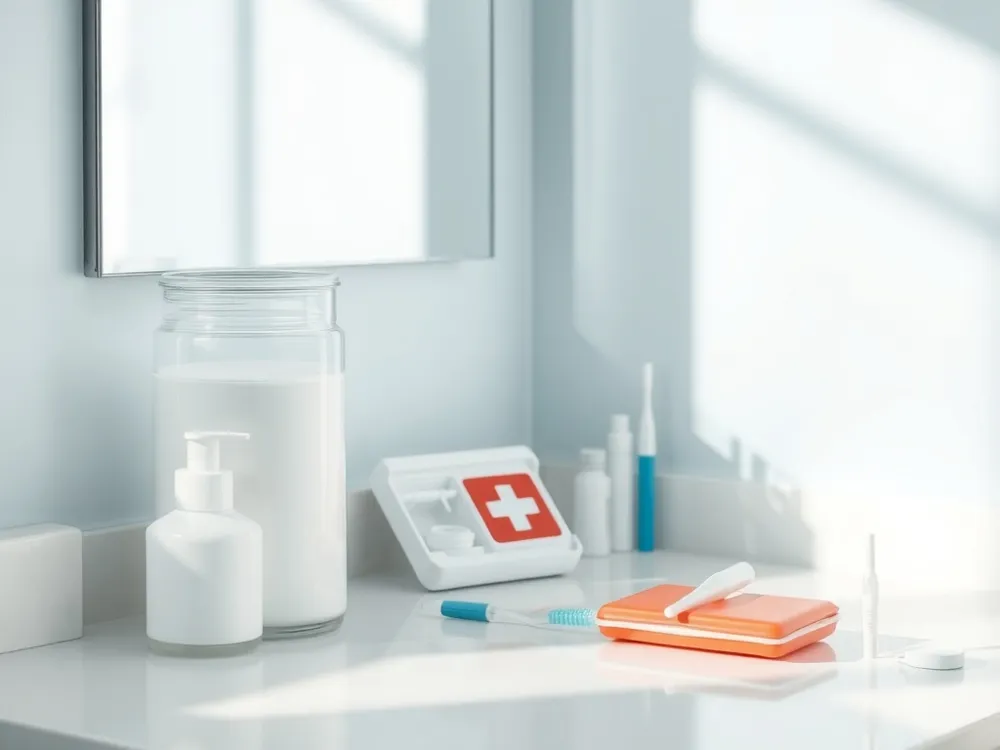
Keep these items together in a clearly labelled, waterproof bag or box. A dental mirror and tweezers can also help you inspect hard-to-see areas safely.
Beyond Basics: Professional-Grade Kit Items
Your home kit focuses on pain relief, bleeding control, and temporary stabilization. Professional dental offices maintain more comprehensive emergency kits that include medications such as epinephrine (for severe allergic reactions), diphenhydramine (antihistamine), albuterol (for asthma attacks), glucose tablets, nitroglycerin, and aspirin. These are used to manage life‑threatening medical emergencies like anaphylaxis, cardiac chest pain, or hypoglycaemia. Home kits are not intended to handle these situations. If you or a family member experiences severe swelling, difficulty breathing, or uncontrolled bleeding, call 911 immediately.
Additional Supplies for Acute Trauma
For acute dental trauma—a knocked-out tooth, a fractured tooth, or a deep cut in the mouth—a few extra items can make a big difference.
- Tooth preservation kit or small container: A commercial kit (e.g., Save‑A‑Tooth) contains a cell‑growth medium that can keep a knocked-out tooth viable for reimplantation. If you don’t have one, plain milk or saliva works in a pinch.
- Antiseptic mouthwash (alcohol‑free): Helps clean the area and reduce infection risk without irritating sensitive tissues.
- Sterile cotton balls or swabs: Useful for cleaning wounds or applying medication.
- Medical‑grade gloves: Protect your hands and prevent infection when assisting someone else.
Having these items on hand allows you to follow the correct first‑aid steps: pick up a dislodged tooth by the crown (never the root), rinse gently with water or milk, and try to reinsert it into its socket. If that isn’t possible, place the tooth in the preservation kit or a container of milk and head to the dentist within 30‑60 minutes.
Storing and Maintaining Your Emergency Kit
A well‑stocked kit is only useful if it’s easy to find and contains fresh supplies.
- Store it in a cool, dry place – a bathroom cabinet, a kitchen drawer, or a dedicated first‑aid box works well. Keep it out of reach of young children.
- Check expiration dates – at least every six months, go through the kit. Pain relievers, numbing gels, and antiseptic mouthwash lose effectiveness over time. Replace expired items immediately.
- Restock used or missing items – after any emergency, replenish what you’ve used. Make it a habit to check the kit when you set your clocks for daylight saving time.
- Keep your dentist’s number visible – write it on the kit itself, or attach a card. Include their after‑hours emergency line.
The Bottom Line: Preparedness Provides Peace of Mind
Assembling a dental emergency kit takes only a few minutes but can save you stress, pain, and even a tooth. While it doesn’t replace professional treatment, it equips you to act quickly and calmly when every second counts. Review the items with your dentist during your next check‑up—they can offer personalised recommendations based on your family’s needs. With a little preparation, you’ll be ready for whatever dental surprise comes your way.
Managing Unbearable Tooth Pain at Home: Safe Relief Until Your Appointment
 A severe toothache can be an overwhelming experience, whether it strikes from a sudden infection, a deep cavity, or an unexpected injury. While the pain may feel urgent, several safe home strategies can help you manage discomfort and stabilize the situation until you can reach a dental professional. These approaches are designed to reduce inflammation, numb the area, and prevent further harm—but always as a temporary bridge to professional care.
How can I manage unbearable tooth pain at home while waiting for a dentist?
Start with a warm salt water rinse. Mix half a teaspoon of salt into an eight-ounce glass of warm water and swish it gently around your mouth for about 30 seconds before spitting it out. This simple solution helps reduce inflammation, removes debris from the painful area, and creates an environment less hospitable to bacteria. The rinse is particularly helpful if the pain is caused by food particles stuck in a cavity or an irritated gum pocket. Repeat this rinse several times a day, especially after meals, to keep the area clean and soothe inflamed tissues.
Use dental floss carefully. Gently glide floss between the teeth surrounding the painful tooth to dislodge any trapped food that might be pressing on the gum or tooth. Be cautious not to snap the floss into the gum tissue, as that is already sore, as this can worsen irritation. If you cannot remove the debris, avoid using pins, toothpicks, or other sharp objects, which can cut delicate oral tissues or push the debris deeper.
Apply clove oil for direct numbing. Clove oil contains eugenol, a natural compound with numbing and mild antiseptic properties. Dip a clean cotton ball or swab into clove oil and dab it directly onto the aching tooth and surrounding gum. Hold it in place for a few seconds. The initial taste may be strong, but the relief usually begins quickly and lasts for a short period. You can reapply as needed, but use it sparingly to avoid irritating soft tissues. Clove oil is available at most pharmacies and is a standard item in a dental emergency kit.
Take over-the-counter pain relievers. Ibuprofen is generally preferred for dental pain because it reduces inflammation in addition to alleviating pain. Acetaminophen is also effective if you cannot take ibuprofen for medical reasons. Follow the dosage instructions on the label carefully. Never place aspirin directly on your gums or tooth—this common mistake can cause a chemical burn that worsens pain and damages gum tissue. Aspirin must be avoided. Always swallow pain relievers as intended.
Apply a cold compress to the cheek. If your toothache is accompanied by swelling or if the pain follows a blow to the face, a cold compress is highly effective. Wrap a few ice cubes or a gel pack in a thin cloth and hold it against the outside of your cheek over the painful area for 15 to 20 minutes. Remove it for at least 15 to 20 minutes before reapplying. This cycle helps numb the underlying pain, constricts blood vessels to reduce swelling, and can minimize inflammation from trauma. You can repeat this process for the first 24 hours after the pain begins.
A cooled peppermint tea bag can offer additional relief. Peppermint has mild numbing and anti-inflammatory properties. Steep a peppermint tea bag in hot water, then allow it to cool in the refrigerator until it is comfortably cool—not cold—and place it directly on the aching tooth or gum for 10 to 15 minutes. The cool temperature and natural compounds may calm irritated nerves and provide a soothing sensation.
Avoid heat. While a warm compress is helpful for muscle aches elsewhere, applying direct heat to a toothache can actually worsen an underlying infection by increasing blood flow and potentially causing an abscess to swell further. Stick with cold therapy unless your dentist specifically advises otherwise.
Avoid certain foods and drinks. Until you see a dentist, steer clear of very hot or icy foods and beverages, which can trigger sharp pain in a sensitive tooth. Sugary substances (candy, soda) can aggravate the pain by feeding bacteria and increasing sensitivity. Similarly, avoid chewing on the side of your mouth where the pain is located. Stick to soft, lukewarm foods that do not require vigorous chewing.
When to see a dentist immediately. Home remedies are only a temporary solution—they treat the symptom of pain, not the underlying cause such as decay, infection, or a cracked tooth. If your pain persists for more than 24 hours, is accompanied by visible swelling of the face or gums, involves fever or a bad taste in the mouth, or prevents you from eating or sleeping, you need professional attention. Contact your dentist or an emergency dental clinic right away. In some cases, a severe toothache signals an abscess that requires urgent treatment to prevent the infection from spreading to other parts of the body. Do not delay care even if the pain subsides temporarily, as the underlying problem will not resolve on its own.
| At-Home Remedy | What It Does | Important Caution |
|---|---|---|
| Warm salt water rinse | Reduces inflammation, removes debris | Use several times daily; do not swallow |
| Clove oil | Natural numbing for tooth/gum | Apply sparingly; avoid excessive use |
| Ibuprofen / acetaminophen | Pain relief and anti-inflammatory | Follow dosage; never place aspirin on gums |
| Cold compress (cheek) | Numbs pain, reduces swelling | 15–20 minutes on, 15–20 off |
| Peppermint tea bag | Soothing, mild numbing | Cool to comfortable temperature before use |
Step-by-Step First Aid for Common Dental Emergencies

How to handle a dental emergency at home before seeing a dentist
A dental emergency can be unnerving, but knowing the right first aid steps helps you stay calm and protect your smile until you reach professional care. The goal is to manage pain, control bleeding, and prevent further damage—not to replace a dentist. Start by rinsing your mouth with warm water and gently flossing to remove any trapped debris. For bleeding, bite on clean gauze or a damp tea bag for 15–20 minutes. Apply a cold compress to the outside of the cheek in 10–15 minute intervals to reduce swelling and numb pain. Take an over-the-counter pain reliever like ibuprofen as directed, but never place aspirin directly on your gums as it can cause burns. Always contact your dentist immediately after any emergency; home care is only a temporary measure.
For a knocked-out permanent tooth (avulsion)
A knocked-out permanent tooth is a time-sensitive emergency. Pick it up by the crown (the chewing surface), never the root. If dirty, rinse it gently with water—do not scrub or remove any tissue fragments. Try to reinsert the tooth into its socket, then bite down gently on gauze to hold it in place. If that’s not possible, keep it moist by storing it in milk, saline solution, or between your cheek and gums. Avoid tap water, as it damages the delicate root cells. See a dentist within 30–60 minutes for the best chance of saving the tooth. If the tooth cannot be saved, your dentist can discuss replacement options.
For a chipped or broken tooth
If you chip or break a tooth, stay calm. Rinse your mouth with warm water and save any broken pieces in a container with milk or saline. Apply a cold compress to the outside of your cheek to reduce swelling. Cover any sharp edges with sugar-free gum or orthodontic wax to protect your tongue and cheek from cuts. Take ibuprofen for pain relief. Even if the pain subsides, see your dentist soon—hidden damage to the tooth’s nerve or structure may require professional treatment.
For a lost filling or crown
If a filling or crown comes out, keep the crown if you still have it. Using over-the-counter dental cement or denture adhesive, try to temporarily reattach the crown. If you cannot fit the crown, cover the exposed area with temporary filling material or a piece of sugar-free gum. Avoid sticky or hard foods that might dislodge the temporary fix. Do not use household glue or superglue, as these can cause serious reactions and damage your tooth. Make an appointment with your dentist as soon as possible to have it permanently repaired.
For an abscess (pimple-like swelling on the gum)
An abscess is a sign of a serious infection. Rinse your mouth with mild salt water several times a day. Do not pop the abscess—squeezing it can spread the infection deeper into your body. Apply a cold compress externally to reduce pain and swelling. Seek immediate dental care; an untreated abscess can become life-threatening if the infection spreads to your jaw, neck, or bloodstream.
For soft tissue injuries (tongue, lips, cheeks)
If you bite your tongue, lip, or cheek, first rinse gently with warm salt water. Press a clean piece of gauze firmly against the bleeding area for 15–20 minutes. Apply a cold compress for 5–10 minutes to reduce swelling. If bleeding doesn’t stop after 15 minutes of pressure, or if it’s severe, go to an emergency room or urgent care clinic for further evaluation.
General rule after any emergency
After any dental emergency, contact your dentist or an emergency dental clinic right away. Remember: home care is only temporary. Seek urgent care if you experience persistent bleeding, severe swelling that makes it hard to breathe or swallow, signs of infection such as fever or red streaks, or trauma to the jaw or face. Quick and correct action can make the difference between saving and losing a tooth.
| Type of Emergency | Key First Aid Steps | What to Avoid | When to See a Dentist |
|---|---|---|---|
| Knocked-out tooth | Handle by crown, rinse gently, reinsert or store in milk | Scrubbing root, touching root, using tap water | Within 30–60 minutes |
| Chipped/broken tooth | Rinse, save pieces, cold compress, cover sharp edges | Chewing on damaged side | As soon as possible |
| Lost filling/crown | Use dental cement or sugar-free gum to cover area | Household glue, superglue, sticky foods | As soon as possible |
| Abscess (gum swelling) | Salt water rinse, cold compress externally | Popping the abscess, applying heat | Immediately |
| Soft tissue injury | Rinse, apply pressure with gauze, cold compress | Leaving bleeding unchecked, using tobacco | If bleeding persists after 15 minutes |
| Severe toothache | Warm salt water rinse, floss, ibuprofen, cold compress | Aspirin on gums, hot or sugary foods | Same day or next day |
Understanding Professional Emergency Kit Requirements: OSHA and Dental Office Standards
What are OSHA requirements for dental emergency kits?
Many people assume OSHA requires a specific list of items for a dental emergency kit, but that is not the case. Under 29 CFR 1910.151, dental offices must conduct a hazard assessment to identify potential employee injuries, such as cuts, punctures, or chemical exposures. Based on that assessment, the office must provide adequate first aid supplies.
Aligning the kit with the ANSI Z308.1-2021 standard—typically a Class B kit—helps demonstrate compliance. This ensures the kit covers common workplace hazards. The kit must be readily accessible, clearly labeled, and regularly inspected. Staff must also be trained in its proper use.
It is important to note that OSHA focuses on employee safety. Patient medical emergency drugs and devices are governed by state dental boards and ADA guidelines. However, both can be combined into one organized kit for a streamlined emergency response.
What are the requirements for a medical emergency kit in a dental office?
The requirements for a dental office medical emergency kit are guided by the standard of care established by the American Dental Association (ADA) and the Journal of the American Dental Association (JADA), as well as state dentistry board regulations. These regulations often vary based on the level of sedation administered.
The essential medications in a professional kit typically include: epinephrine (for anaphylaxis), diphenhydramine (antihistamine), nitroglycerin (chest pain), albuterol (asthma), aspirin (for the MONA protocol during a heart attack), and glucose (for hypoglycemia). These are supported by oxygen, an Ambu bag, airway management tools, a defibrillator (AED), and a blood pressure monitor.
Practice vendors like HealthFirst help dental offices ensure compliance with current guidelines. Kits must be checked regularly for expiration dates. All staff must be trained in kit use, and advanced training, such as ACLS, is required for higher sedation levels. Ultimately, specific contents should align with the practice's patient profile, location, and the dentist's emergency response certification.
Applying professional standards to your home kit
While your home dental emergency kit does not need to mirror a professional dental office kit, understanding these professional standards can help you build a more effective kit. The following table summarizes the key differences and how to apply the knowledge:
| Standard | Professional Dental Office | Home Dental Emergency Kit | Takeaway for Home Preparedness |
|---|---|---|---|
| Regulatory Oversight | OSHA and state dental boards require specific first aid and emergency medications | No formal regulation | Conduct your own hazard assessment: consider your family's activities (sports, age, medical history) |
| Emergency Medications | Includes epinephrine, nitroglycerin, albuterol, aspirin, glucose | Focus on pain relief and temporary repair | Stock over-the-counter pain relievers (ibuprofen, acetaminophen), topical numbing gel, and temporary filling material |
| Emergency Equipment | Oxygen, Ambu bag, AED, airway management kit | Ice pack, sterile gauze, dental mirror, small container with lid | Choose items that help manage common emergencies like bleeding, swelling, and tooth preservation |
| Training | Annual BLS/ACLS certification for staff | Basic first aid and knowledge of dental emergency steps | Take a CPR/first aid course and practice steps for a knocked-out tooth |
| Maintenance | Monthly expiration checks, regular restocking | Periodic review and replacement of expired items | Set a reminder to check your kit every six months (e.g., at daylight saving time changes) |
| Storage | Centralized, labeled, and easily accessible in treatment areas | Cool, dry, accessible location at home and a travel version for trips | Keep the kit in a consistent spot and tell all family members where it is |
By following the example of professional dental offices, you can create a home emergency kit that provides prompt, effective relief for common dental crises. This preparation ensures you are ready to manage situations like a knocked-out tooth or severe toothache while you arrange a visit to your dentist.
When Home Care Isn't Enough: A Final Word on Prevention and Professional Help
Why Professional Dental Care Is Non-Negotiable
A well-stocked emergency kit is an essential first line of defense, but it is never a substitute for a dentist’s care. Home treatments—temporary fillings, pain relievers, or cold compresses—are designed to stabilize your condition and manage discomfort until you can receive professional treatment. They cannot resolve the underlying cause of a dental emergency, such as an infection deep in the tooth root, advanced decay, or a fracture that exposes the nerve. Delaying professional care can turn a manageable problem into a serious complication, including tooth loss or the spread of infection to other parts of the body. Always follow up a home response with a prompt visit to your dentist.
How to Reduce Your Risk of a Dental Emergency
Prevention is the most of all, is your best strategy. While accidents happen, many dental emergencies are avoidable with a few simple habits. Wearing a custom-fitted mouthguard during contact sports or recreational activities can prevent knocked-out teeth, fractures, and soft-tissue injuries. Avoid chewing on ice, hard candies, popcorn kernels, or pens, as these can crack or chip teeth. Never use your teeth as tools to open packages or rip tags. Maintaining a consistent oral hygiene routine—brushing twice daily, flossing, and visiting your dentist every six months for a checkup and cleaning—helps catch small problems before they become emergencies.
Your Action Plan: After-Hours and Emergency Resources
Preparedness also means knowing exactly whom to call and where to go when an emergency strikes after hours. Ask your dentist for their after-hours contact number during your next appointment and keep it saved in your phone and posted on your refrigerator. For serious injuries that cause uncontrolled bleeding, severe swelling that affects breathing, or potential jaw fractures, go to the nearest emergency room or urgent care clinic. Note that while ERs can manage pain and bleeding, they cannot provide permanent dental repairs like fillings, crowns, or root canals. You will still need to follow up with a dentist for definitive treatment.
Options for Care When You Don’t Have Insurance
Lack of dental insurance should not be a barrier to getting care. For low-income adults in the Shreveport area, Federally Qualified Health Centers like David Raines Community Health Centers offer dental services on a sliding-scale fee based on your income. Free dental clinics, such as the Love Heals The Boot events held periodically in Shreveport, provide cleanings, fillings, and extractions at no cost. The LSU Health Sciences Center School of Dentistry offers reduced-cost treatment performed by dental students under faculty supervision. You can also contact the Louisiana Department of Health to check if you qualify for adult Medicaid dental benefits. Programs like the Dental Lifeline Network provide care for eligible seniors, people with disabilities, and those who are medically fragile.
Understanding Common Dental Rules: The 3-3-3 Rule for Tooth Pain
If you are experiencing severe toothache and cannot see a dentist immediately, some dentists recommend the "3-3-3 rule" as a temporary guideline. It involves taking three 200 mg ibuprofen tablets (600 mg total) three times a day—typically every eight hours—for a maximum of three days. This approach helps reduce inflammation, which is often the primary driver of dental pain, and provides consistent relief until you can get professional care. However, it is not a cure and should not be used beyond three days or without considering your health conditions, such as kidney problems, stomach ulcers, or a history. If pain persists after three days, you must see a dentist to address the underlying infection or decay.
What the 50-40-30 Rule Means in Dentistry
The 50-40-30 rule is not related to emergencies but rather a cosmetic guideline for smile design. In cosmetic dentistry, it describes the ideal proportions of contact areas between your upper front teeth: the central incisor contacts should be about 50% of tooth length, lateral contacts 40%, and canine contacts 30%, creating a natural-looking smile. In restorative dentistry, it is also used as a guideline for when a tooth needs a crown—if decay or damage exceeds 50% of the width between cusps, 40% of front-to-back length, or 30% of total tooth structure, a crown is recommended for strength. The rule is a flexible tool, not a strict law, and your dentist will tailor recommendations to your specific oral health needs.
Your Partner in Emergency Preparedness: Loud Family Dentistry
Loud Family Dentistry in Shreveport is committed to helping you and your family stay prepared. We serve patients of all ages with a focus on comfort and professional care. We can guide you in building a customized home emergency kit and offer emergency appointments when you need them most. Regular six-month checkups are the cornerstone of prevention, allowing us to catch issues early and keep your smile healthy year-round.
| Emergency Type | Home Care First Aid | When to See a Dentist | When to Go to ER |
|---|---|---|---|
| Knocked-out tooth | Handle by crown; rinse gently; try to reinsert; store in milk if unable | Immediately (within 30-60 minutes) | If unable to reach dentist or bleeding is uncontrolled |
| Severe toothache | Rinse with warm salt water; floss; apply cold compress; take ibuprofen | If pain persists over 24 hours or is severe | If accompanied by fever, swelling in neck or face, or trouble breathing |
| Broken/chipped tooth | Rinse with warm water; save pieces; apply cold compress; cover sharp edges | As soon as possible, even if pain subsides | If bleeding does not stop after 10 minutes of pressure |
| Abscess/infection | Rinse with warm salt water; apply cold compress; do not pop | Immediately—infection can spread | If you have fever, chills, or swelling that interferes with breathing or swallowing |
| Lost filling/crown | Use dental cement or sugar-free gum to cover; avoid chewing on that side | Promptly; exposed tooth is vulnerable to decay | Not typically; schedule a dental appointment |
| Bleeding from mouth | Rinse with mild salt water; apply clean gauze with pressure for 15-20 minutes | If bleeding does not stop after 10-15 minutes | If bleeding is severe or cannot be controlled |
| Broken jaw | Apply cold compress; stabilize jaw; avoid solid foods | Go to ER immediately | Emergency room (X-rays and stabilization needed) |
Stay Prepared, Stay Safe
A well-stocked dental emergency kit is your first line of defense when an unexpected toothache, chipped tooth, or knocked-out tooth occurs. Keep the following items in a cool, dry place and check expiration dates regularly: over-the-counter pain relievers (ibuprofen or acetaminophen), oral numbing gel, a cold compress, temporary filling material, dental floss, dental wax for braces, sterile gauze and cotton balls, a tooth preservation kit or milk for storing a knocked-out tooth, salt for rinses, and alcohol-free antiseptic mouthwash. A dental mirror and small flashlight can help you see problem areas, while gloves protect against germs. Having the after-hours number for Loud Family Dentistry saved in your phone and posted in your kit ensures you can get professional guidance immediately, even during a panic. Effective first-aid steps vary by injury, but quick action can reduce pain, control bleeding, and prevent permanent damage. For a serious toothache, rinse with warm salt water, floss gently to remove debris, and take ibuprofen, but never place aspirin directly on gums. Apply a cold compress to the outside of the cheek in 10- to 15-minute intervals to reduce swelling. A chipped or broken tooth calls for rinsing with warm water, saving any broken pieces, and applying gauze if bleeding occurs. If a permanent tooth is knocked out, time is critical: hold it by the crown, rinse gently without touching the root, rinse gently with milk or water, do not scrub, and try to reinsert it into the socket. If that is not possible, keep the tooth moist in milk or a tooth preservation solution and see a dentist within one hour — the first 30 minutes offer the best chance of saving it. For a lost filling or crown, use temporary dental cement or sugar-free gum to cover the exposed area, but avoid household glues altogether. Orthodontic wax can cover a poking wire or loose bracket until you can visit your orthodontist. For a bitten lip or tongue, wash the area gently and apply a cold compress; if bleeding persists beyond 15 minutes, seek urgent care. An abscess requires immediate professional attention — in the meantime, rinse with warm salt water several times daily, but never try to pop it. These home remedies are intended only to stabilize the situation until you receive professional care. No temporary solution can replace a dentist’s expertise, and delaying treatment can lead to more serious complications such as infection, tooth loss, or damage to surrounding teeth. Even if pain subsides, schedule a follow-up appointment to check for underlying issues. Preventing dental emergencies is just as important as being prepared. Maintain a consistent oral hygiene routine by brushing twice a day, flossing daily, and visiting Loud Family Dentistry every six months for checkups and cleanings. Wear a custom-fitted mouthguard during sports and physical activities, avoid chewing ice and hard candies, and never use your teeth as tools to open packages. These simple habits significantly reduce your risk of encountering a dental crisis. Preparation, quick action, and professional care are the three pillars of handling a dental emergency effectively. Taking the time to build a kit, learn basic first-aid steps, and keep your dentist’s contact information readily available can make the difference between saving a tooth and losing one. If you have questions about creating a personalized emergency plan or want to discuss your family’s specific needs, call Loud Family Dentistry in Shreveport. Their team is committed to helping patients of all ages stay comfortable, informed, and protected — both in everyday life and when the unexpected emergencies.