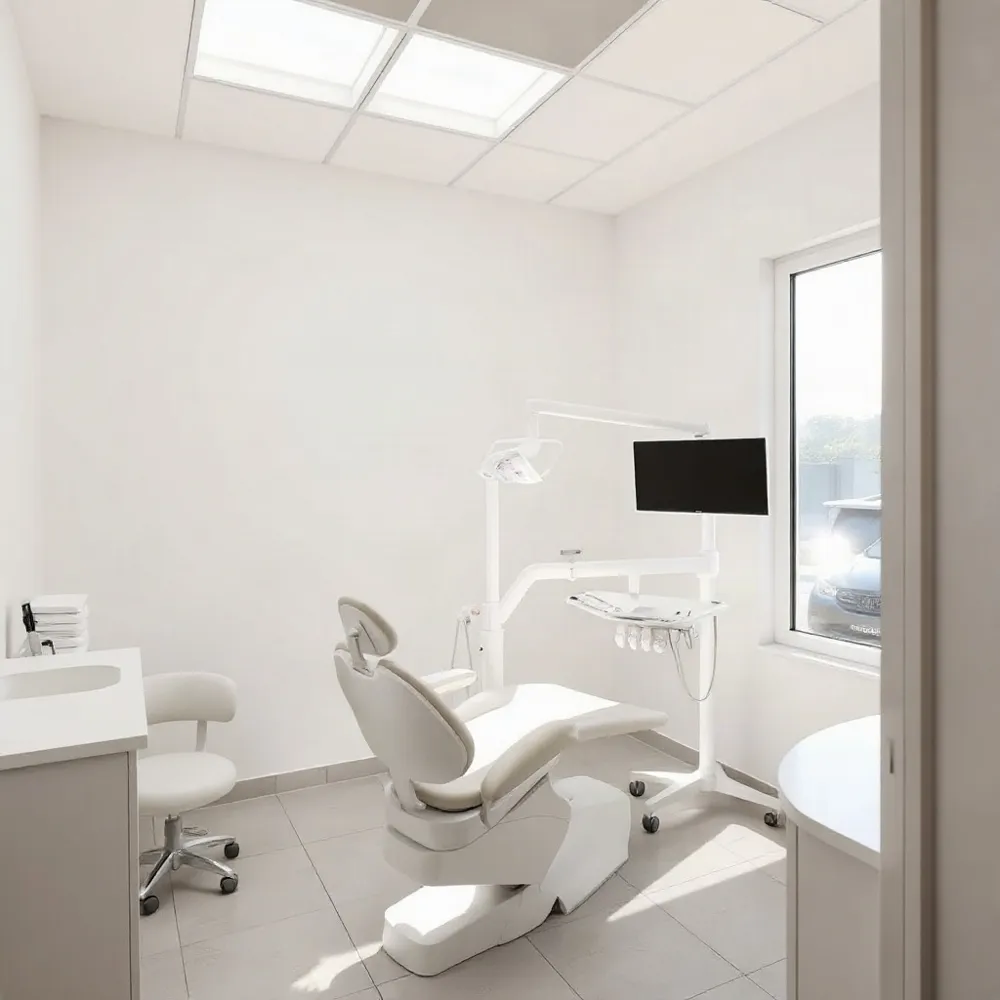
Introduction to Dental Consultations
Good oral hygiene is the cornerstone of overall health—regular brushing, flossing, and fluoride use remove plaque, prevent cavities, gum disease, and even lower the risk of heart disease, diabetes, and stroke. During a dental consultation the dentist reviews your medical and dental history, performs a visual exam, measures gum pockets, screens for oral cancer, and may take digital X‑rays or intra‑oral photos to spot hidden decay or bone loss. A hygienist often provides a professional cleaning, followed by a discussion of findings and a personalized preventive plan. To make the most of the visit, patients should come prepared with a short list of focused questions. Essential queries include: What is the current state of my oral health and any early signs of trouble? What preventive measures—cleanings, fluoride, diet changes—do you recommend? What are the treatment options, costs, and comfort options for any procedures I may need? Asking these questions builds trust, clarifies expectations, and empowers you to take control of your smile.
Benefits of Good Oral Hygiene
 Good oral hygiene does far more than keep your smile looking bright; it protects your overall health and saves you money in the long run. When you brush twice a day with fluoride toothpaste, floss daily, and use an antibacterial mouthwash, you remove plaque—a sticky film of bacteria that fuels cavities and gum disease. By preventing decay and inflammation, you reduce the risk of painful, costly procedures such as fillings, root canals, or gum surgery. Moreover, a clean mouth lowers the chance of systemic issues linked to oral bacteria, including heart disease, stroke, diabetes complications, and even certain respiratory infections.
Effective oral‑health tips for adults
- Brush correctly – Use a soft‑bristled brush, place it at a 45‑degree angle to the gum line, and make short, circular motions for two minutes twice daily. Timing can be helped with a timer or a favorite song.
- Floss or interdental cleaning – Reach the spaces between teeth where a brush can’t go. If floss feels awkward, try interdental brushes, water flossers, or woodsticks; the best method is the one you’ll do consistently.
- Choose fluoride products – Fluoride strengthens enamel and reduces decay by up to 30 %. Look for the ADA Seal of Acceptance on toothpaste, rinse, and prescription gels if you’re at higher risk.
- Mind your diet – Limit sugary and acidic foods and drinks, especially between meals, and stay hydrated to promote saliva flow, which naturally cleans the mouth.
- Regular professional care – Schedule exams and cleanings every six months (or as your dentist recommends) for early detection of problems and professional plaque removal.
Simple ways to maintain healthy teeth
- Replace your toothbrush every three to four months or sooner if bristles fray.
- Use a soft‑bristled, electric toothbrush if you have dexterity challenges.
- Rinse with an antibacterial or fluoride mouthwash after brushing.
- Chew sugar‑free gum to stimulate saliva after meals.
- Avoid tobacco and excessive alcohol, both of which increase gum disease and oral‑cancer risk.
By integrating these easy habits into daily life, you create a strong foundation for lifelong oral health, reduce dental anxiety, and enjoy the confidence that comes with a healthy, radiant smile.
Understanding Dental Consultations
 A dental consultation is the first structured conversation with a dentist that establishes the foundation for long‑term oral health. During this visit you can expect a warm welcome, a review of your medical and dental history, and a clear explanation of the day’s agenda. The dentist will ask about any pain, sensitivity, or cosmetic concerns you have, and will discuss your daily oral‑hygiene habits, diet, and any medications that might affect your gums or teeth.
What happens during a dental consultation? After the intake paperwork, the clinician performs a thorough visual exam of the teeth, gums, bite and soft tissues, often using a mirror, explorer, and periodontal probe. Modern tools such as digital X‑rays, intra‑oral cameras, and laser cavity detectors are employed to spot hidden decay, bone loss, or early signs of gum disease. An oral‑cancer screening and a brief assessment of your brushing and flossing technique are also typical. Once findings are gathered, the dentist reviews them with you, highlighting healthy areas and any early problems, and outlines personalized preventive recommendations—like brushing twice a day with fluoride toothpaste, flossing daily, and adjusting sugary snacks.
What’s the difference between a dental consultation and a dental exam? A consultation focuses on diagnosis, education, and planning; it may include imaging and a discussion of treatment options, costs, and insurance, but it does not usually involve extensive cleaning or restorative work. A routine dental exam, often paired with a professional cleaning, is a preventive check‑up that occurs every six months and primarily monitors oral health status. In short, the consultation sets the roadmap for your oral‑care journey, while the exam tracks your progress along that roadmap.
Preparing for Your Dental Appointment

What can I expect during my baby's first dentist appointment?
The visit is usually brief and friendly. The dentist or hygienist will gently examine your child’s mouth, count emerging teeth, and check the gums for any signs of irritation. They may apply a fluoride varnish to strengthen enamel and discuss proper brushing techniques, the right amount of toothpaste, and how diet affects early tooth development. Parents receive guidance on avoiding sugary drinks and establishing a routine that sets the stage for lifelong oral health.
What can I expect during a dentist consultation for braces?
The dentist will start with a visual exam and may take digital X-rays, photographs, or impressions to assess tooth alignment and jaw growth. Treatment options such as traditional metal braces, ceramic brackets, or clear aligners are explained, along with expected duration, visit frequency, and cost estimates. You’ll also hear about oral‑hygiene practices while wearing appliances, possible discomfort, and the retainer plan needed after active treatment to maintain results.
How much does a dental consultation typically cost?
A basic dental consultation in the United States generally falls between $50 and $300. The price varies by geographic region, whether the visit includes X‑rays or a cleaning, and the dentist’s fee structure. Many dental insurance plans cover preventive exams fully or with a small copay, while uninsured patients may be offered payment plans or sliding‑scale fees. Always ask for an itemized estimate before the appointment to avoid surprises.
Essential Questions to Ask Your Dentist
What are some essential questions to ask during a dental appointment?
- Does the practice accept my insurance and what are the out‑of‑pocket costs?
- What are the dentist’s qualifications, experience with my specific condition, and continuing‑education background?
- Which diagnostic tools (digital X‑rays, intra‑oral cameras, laser detectors) are used for early detection?
- How does the office handle emergencies and after‑hours pain?
- What preventive care routine do you recommend for my brushing, flossing, diet, and fluoride use?
- Are there alternative treatment options, their risks, benefits, and expected longevity?
What are the benefits of good oral hygiene? Consistent brushing twice a day with fluoride toothpaste, daily flossing, and regular professional cleanings remove plaque, prevent cavities and gum disease, and reduce the risk of systemic conditions such as heart disease, diabetes, and stroke. Good oral habits also keep breath fresh, protect enamel from acid erosion, and support a confident smile that encourages regular dental visits and early problem detection.
Additional Tips for a Successful Dental Consultation
A typical dental consultation lasts 30–60 minutes, though new‑patient visits can stretch to 60–90 minutes because they include intake paperwork, a full oral exam, imaging (digital X‑rays or intra‑oral cameras), and a discussion of findings and treatment options. If you need a cleaning, preventive treatments, or a cosmetic evaluation, the appointment may run longer. Arriving 15 minutes early to complete forms and bringing your medical history, medication list, and insurance card can keep the schedule on track. Knowing the expected time helps you plan your day, reduces stress, and ensures you have ample opportunity to ask the critical questions you’ve prepared.
Conclusion and Final Thoughts
Regular dental consultations build lasting oral health by combining thorough exams, modern diagnostics, and personalized preventive advice. Asking focused questions empowers patients, clarifies treatment options, and eases anxiety. Embrace preventive habits, stay informed about costs and technology, and maintain open communication with your dentist to achieve a healthy, confident smile and enjoy long‑term oral wellness for life.
Final Thoughts on Preparing for Your Initial Dental Consultation
A successful first visit begins with a little homework: gather your medical and dental history, insurance details, and any recent X‑rays, then write down the questions that matter most to you. Knowing your oral‑health goals, concerns about anxiety, and budget priorities lets the dentist tailor a personalized plan, recommend preventive habits, and explain modern tools such as digital X‑rays or laser detectors. Open dialogue builds trust, helps you understand risks, benefits, and alternatives, and ensures you leave the consultation with clear next steps, realistic expectations, and confidence in the care you’ll receive.