A Gentle Introduction to Dental Confidence
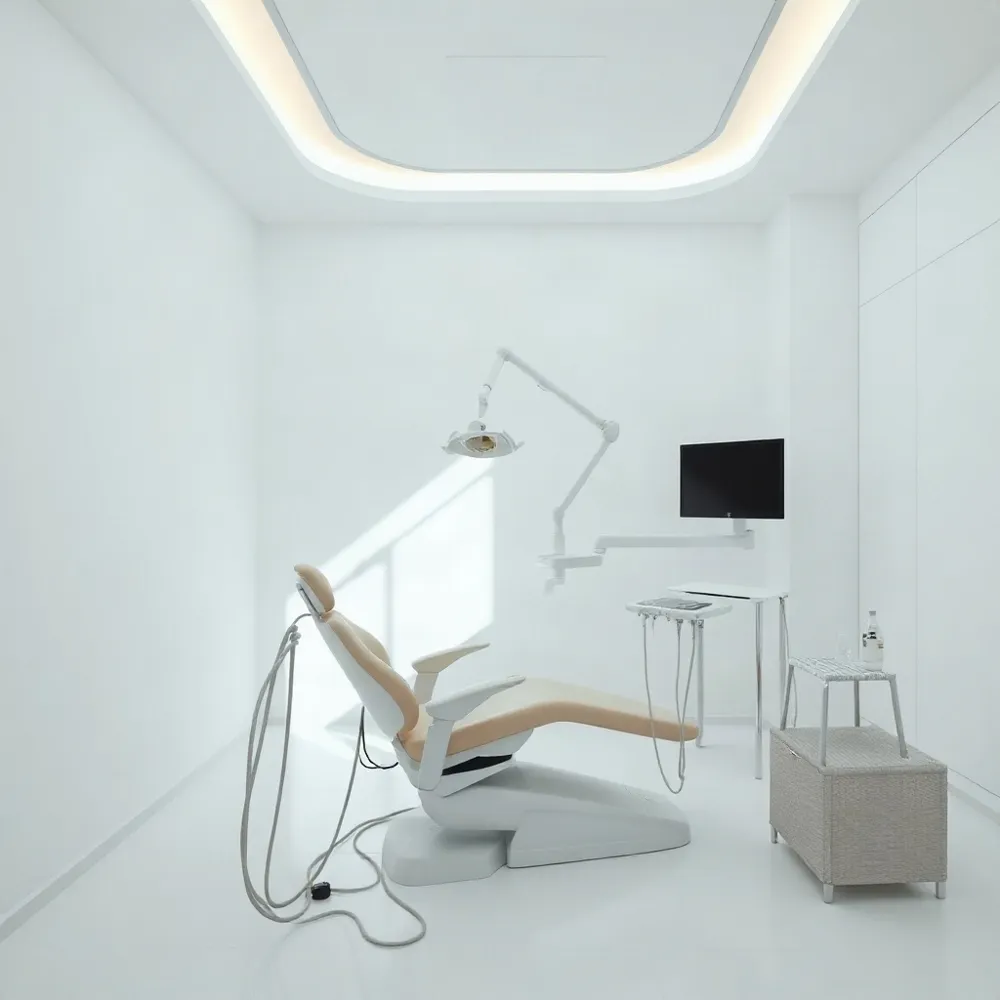
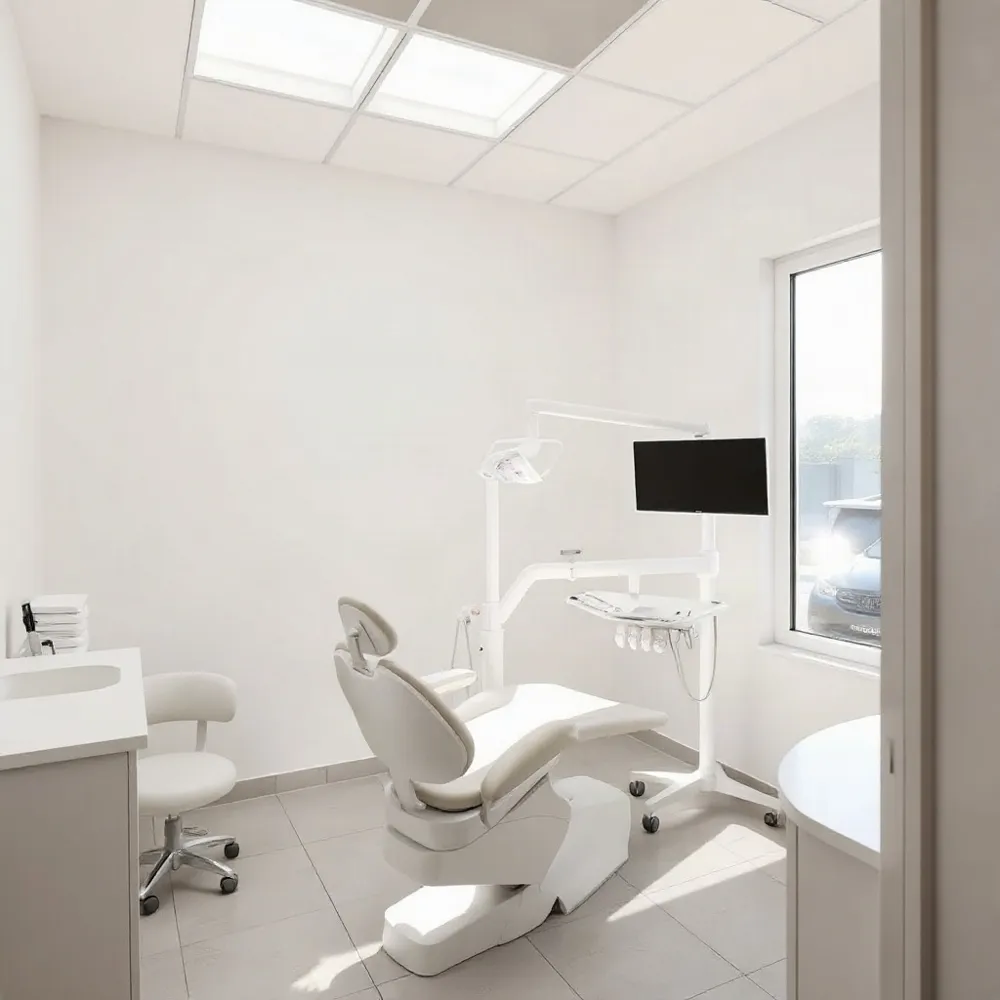
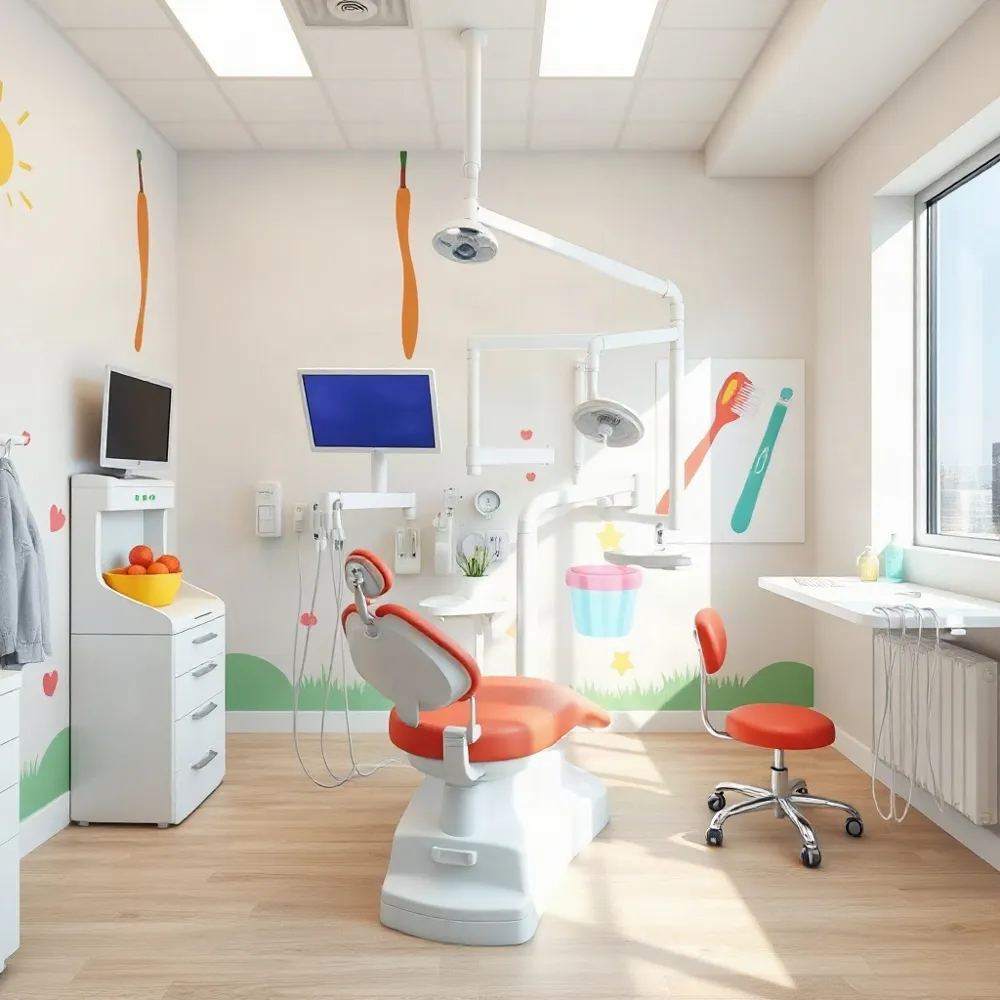
Dental anxiety and phobia affect a large portion of the population, causing many to avoid routine check‑ups and treatments. Fear often stems from past painful experiences, the sound of drills, needles, or a loss of control during procedures. Patient‑centered care—clear communication, gentle techniques, and options for distraction or sedation—helps transform fear into trust. Loud Family Dental embraces this philosophy by creating a calm, spa‑like atmosphere, offering aromatherapy, blankets, and personalized entertainment. Their community‑focused approach includes free consultations, flexible financing, and a compassionate team trained to listen and adapt, empowering patients of all ages to regain confidence in their smiles.
Understanding Dental Fear
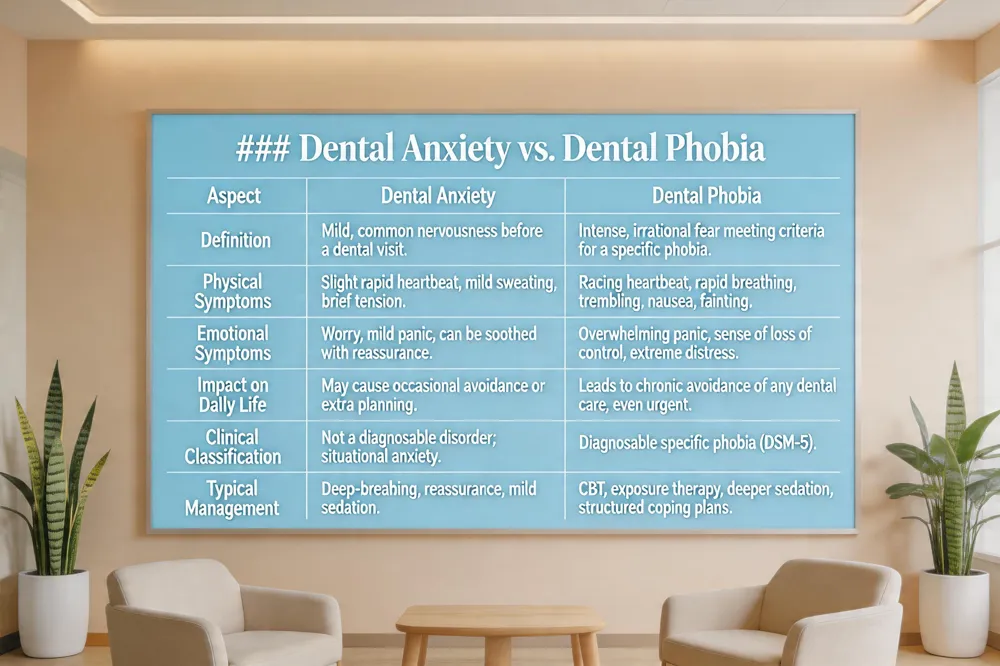
Dental Anxiety vs. Dental Phobia
| Aspect | Dental Anxiety | Dental Phobia |
|---|---|---|
| Definition | Mild, common nervousness before a dental visit. | Intense, irrational fear meeting criteria for a specific phobia. |
| Physical Symptoms | Slight rapid heartbeat, mild sweating, brief tension. | Racing heartbeat, rapid breathing, trembling, nausea, fainting. |
| Emotional Symptoms | Worry, mild panic, can be soothed with reassurance. | Overwhelming panic, sense of loss of control, crying, extreme distress. |
| Impact on Daily Life | May cause occasional avoidance or extra planning. | Leads to chronic avoidance of any dental care, even urgent. |
| Clinical Classification | Not a diagnosable disorder; situational anxiety. | Diagnosable specific phobia (DSM‑5). |
| Typical Management | Deep‑breathing, reassurance, mild sedation. | CBT, exposure therapy, deeper sedation, structured coping plans. |
What is the difference between dental anxiety and dental phobia?
Dental anxiety is a common, often mild nervousness that many people feel before a dental visit—think a quick heartbeat or worry that can usually be eased with reassurance, deep‑breathing or mild sedation. Dental phobia (also called dentophobia or odontophobia) is an intense, irrational fear that meets the clinical definition of a specific phobia. It triggers severe panic symptoms—shortness of breath, trembling, nausea—and leads individuals to avoid any dental care, even when it’s urgently needed. The key distinctions lie in the level of fear, its impact on daily life, and whether it qualifies as a diagnosable anxiety disorder.
What is the name for a fear of dentists?
The medical term for a fear of dentists is dentophobia, also known as odontophobia. Both refer to a specific phobia where the thought of dental treatment provokes intense anxiety or panic, often resulting in avoidance of care.
What are the symptoms of dental phobia?
Physical signs include a racing or pounding heartbeat, rapid breathing, excessive sweating, trembling, shortness of breath, nausea, stomach upset, or fainting from low blood pressure. Emotional symptoms involve overwhelming panic, crying, a sense of loss of control, and extreme distress that can lead to avoidance of appointments. These reactions can be so strong that patients may go to great lengths to cancel or skip visits, even when experiencing pain or urgent oral health needs.
Root Causes and Types of Dental Fear
Common Triggers and Their Origins
| Trigger | Root Cause / Type | Typical Manifestation |
|---|---|---|
| General Fear of Dentist | Odontophobia/Dentophobia (generalized specific phobia) | Avoidance of any dental appointment. |
| Needle Fear | Trypanophobia | Anxiety at injections, may refuse local anesthetic. |
| Drill Sound | Phonophobia | Heightened startle response to high‑frequency noises. |
| Dental Chair / Loss of Control | Situational fear of immobilization | Feeling trapped, desire to pause or leave. |
| Pain Anticipation | Past painful experiences, heightened pain sensitivity | Expectation of severe discomfort, hyper‑vigilance. |
| Gag Reflex / Blood | Sensory aversion | Nausea or vomiting at sight of blood or instruments. |
| Cultural/Media Influences | Learned fear from stories, stereotypes | Amplified anxiety before any visit. |
| Genetic Predisposition | Inherited anxiety or pain sensitivity | Greater baseline stress response to dental cues. |
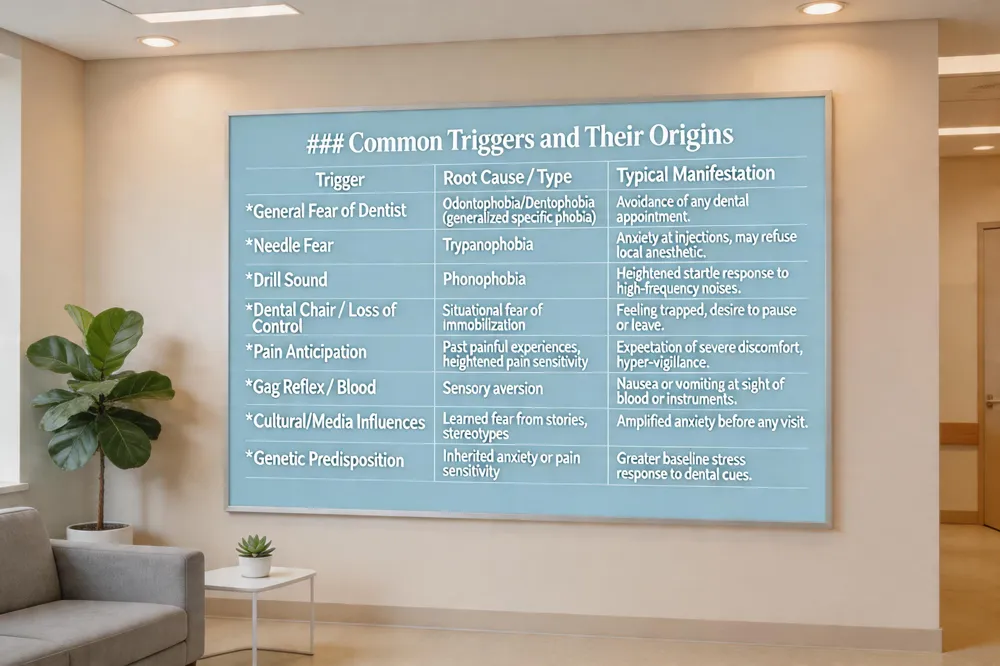 Dental anxiety often stems from our innate fight‑or‑flight response, which makes the mouth feel vulnerable and pain‑sensitive. A loss of control during treatment can trigger fear, especially when past negative or painful dental experiences—often in childhood—create lasting memories. Hearing stories of others' unpleasant visits, cultural stereotypes, and media portrayals of dentists as harsh also reinforce anxious expectations. Genetic predispositions toward heightened pain sensitivity or general anxiety can make some individuals more prone to dental dread.
Dental phobia can be broken down into several specific fears. Odontophobia (or dentophobia) is a generalized fear of the dentist and any dental treatment, while many patients experience more focused anxieties such as trypanophobia (fear of needles), phonophobia (fear of the drill’s sound), or a heightened fear of the dental chair and loss of control. Other common types include fear of pain, fear of dental equipment or loud noises, fear of the gag reflex, and fear of blood or the sight of a needle. Recognizing which trigger is most distressing helps clinicians tailor coping strategies, sedation options, or behavioral therapies to reduce avoidance and improve oral health.
Pathways to Overcome Dental Phobia
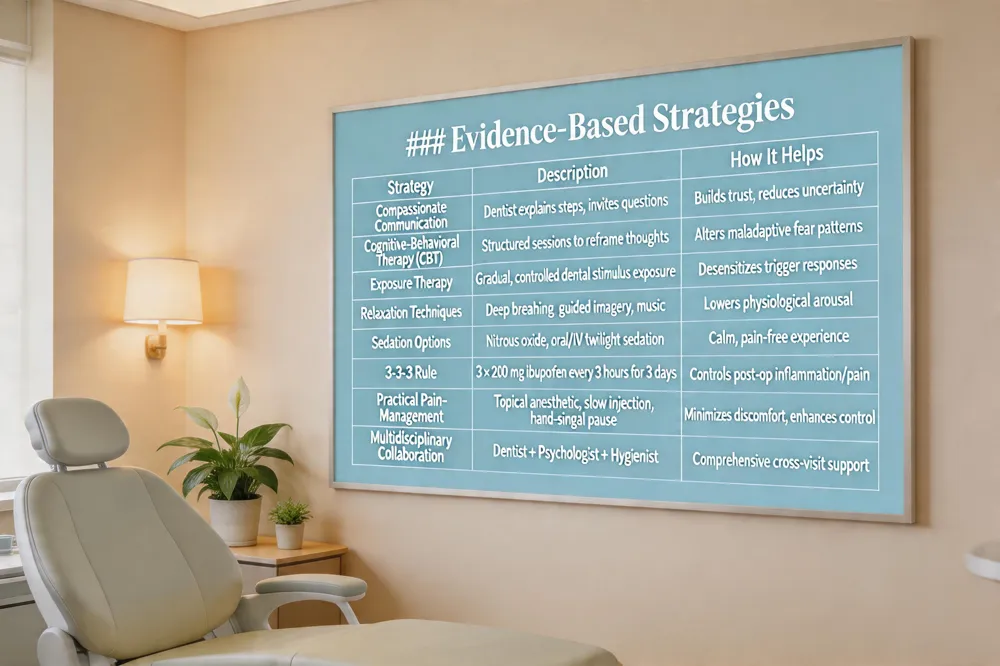
Evidence‑Based Strategies
| Strategy | Description | How It Helps |
|---|---|---|
| Compassionate Communication | Dentist explains each step, invites questions. | Builds trust, reduces uncertainty. |
| Cognitive‑Behavioral Therapy (CBT) | Structured sessions to reframe thoughts. | Alters maladaptive fear patterns. |
| Exposure Therapy | Gradual, controlled exposure to dental stimuli. | Desensitizes trigger responses. |
| Relaxation Techniques | Deep breathing, guided imagery, music. | Lowers physiological arousal. |
| Sedation Options | Nitrous oxide, oral anxiolytics, IV twilight sedation. | Provides pain‑free, calm experience. |
| 3‑3‑3 Rule | 3 × 200 mg ibuprofen every 3 hours for up to 3 days. | Controls postoperative inflammation and pain. |
| Practical Pain‑Management | Topical anesthetic, slow injection, hand‑signal pause. | Minimizes procedural discomfort, enhances sense of control. |
| Multidisciplinary Collaboration | Dentist + psychologist + dental hygienist team. | Comprehensive support across visits. |
 How can patients overcome dental phobia?
Patients start by sharing their fears with a compassionate dentist. A personalized plan that combines gentle communication, step‑by‑step explanations, and modern comfort measures builds trust. Evidence‑based therapies such as cognitive‑behavioral therapy, exposure therapy, and relaxation techniques (deep breathing, guided imagery, music) gradually desensitize anxiety triggers. Sedation options—nitrous oxide (laughing gas), oral anxiolytics, or conscious IV sedation—provide a calm, pain‑free experience for more intense procedures. Collaboration with a psychologist and regular low‑stress check‑ups reinforce confidence and prevent the cycle of avoidance.
How can patients overcome dental phobia?
Patients start by sharing their fears with a compassionate dentist. A personalized plan that combines gentle communication, step‑by‑step explanations, and modern comfort measures builds trust. Evidence‑based therapies such as cognitive‑behavioral therapy, exposure therapy, and relaxation techniques (deep breathing, guided imagery, music) gradually desensitize anxiety triggers. Sedation options—nitrous oxide (laughing gas), oral anxiolytics, or conscious IV sedation—provide a calm, pain‑free experience for more intense procedures. Collaboration with a psychologist and regular low‑stress check‑ups reinforce confidence and prevent the cycle of avoidance.
What is the 3‑3‑3 rule in dentistry? The 3‑3‑3 rule is a simple postoperative pain‑management guideline: take three 200 mg ibuprofen tablets every three hours, for a maximum of three days, unless contraindicated. This regimen helps control inflammation and discomfort after dental work.
Sedation and comfort techniques Clinics use numbing gels, body‑temperature anesthetics, aromatherapy, blankets, neck cushions, and personalized entertainment (TV, music headphones “ to create a spa‑like atmosphere. Minimal‑invasive, low‑speed instruments reduce drilling noise and sensation. For severe anxiety, nitrous oxide, oral sedation, or IV twilight sedation are offered, allowing patients to remain awake yet relaxed.
Practical pain‑management guidelines Apply topical anesthetic before injections, use slow‑administered anesthetics for a virtually pain‑free experience, and schedule staged treatments that begin with minimally invasive procedures. A pre‑agreed hand signal lets patients pause if needed, ensuring a sense of control throughout the visit.
Patient Rights, Finding Care, and the Power of Stories
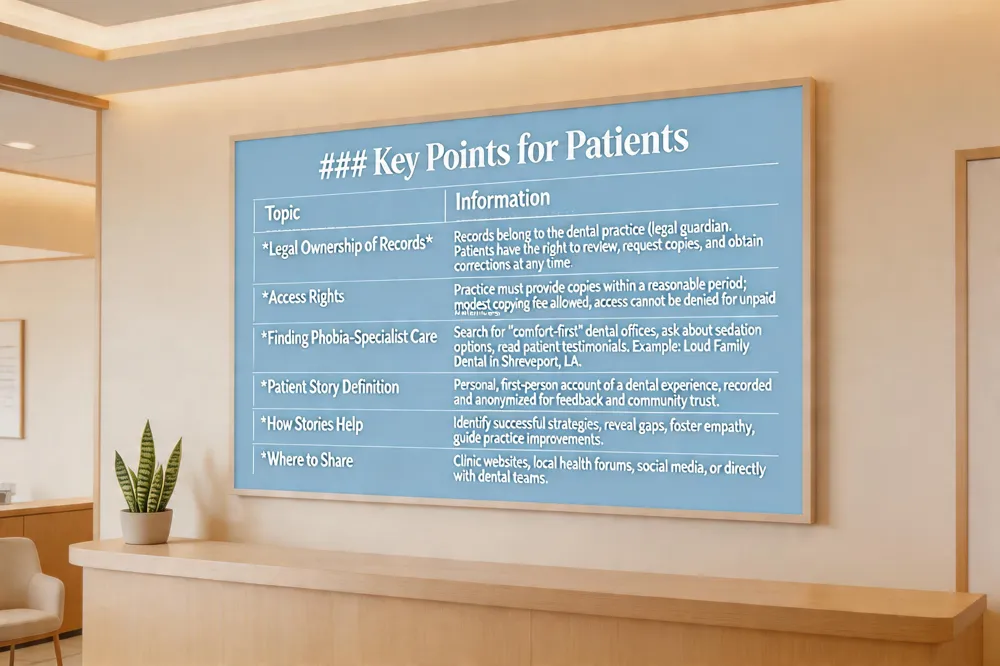
Key Points for Patients
| Topic | Information |
|---|---|
| Legal Ownership of Records | Records belong to the dental practice (legal guardian). Patients have the right to review, request copies, and obtain corrections at any time. |
| Access Rights | Practice must provide copies within a reasonable period; modest copying fee allowed; access cannot be denied for unpaid balances. |
| Finding Phobia‑Specialist Care | Search for “comfort‑first” dental offices, ask about sedation options, read patient testimonials. Example: Loud Family Dental in Shreveport, LA. |
| Patient Story Definition | Personal, first‑person account of a dental experience, recorded and anonymized for feedback and community trust. |
| How Stories Help | Identify successful strategies, reveal gaps, foster empathy, guide practice improvements. |
| Where to Share | Clinic websites, local health forums, social media, or directly with dental teams. |
 Who legally owns a patient's dental record?
The original record belongs to the dental practice that created it, with the dentist acting as its legal guardian. While the practice keeps the originals, patients have a statutory right to review, request copies, and ask for corrections at any time. The office must provide copies within a reasonable period, may charge a modest copying fee, but cannot deny access because of an unpaid balance. When transferring to a new provider, the practice forwards copies (never the originals) unless a lawful subpoena requires otherwise. Thus, ownership rests with the practice, while patients retain enforceable access and duplication rights.
Who legally owns a patient's dental record?
The original record belongs to the dental practice that created it, with the dentist acting as its legal guardian. While the practice keeps the originals, patients have a statutory right to review, request copies, and ask for corrections at any time. The office must provide copies within a reasonable period, may charge a modest copying fee, but cannot deny access because of an unpaid balance. When transferring to a new provider, the practice forwards copies (never the originals) unless a lawful subpoena requires otherwise. Thus, ownership rests with the practice, while patients retain enforceable access and duplication rights.
Where can I find a dentist experienced in treating dental phobia in Shreveport, Louisiana? Loud Family Dental in Shreveport specializes in comfort‑first, patient‑focused care for dental phobia. Their team offers gentle techniques, calming communication, and sedation options such as nitrous oxide, oral, or IV sedation. The soothing office atmosphere, personalized treatment plans, and supportive staff help anxious patients feel safe and relaxed. Appointments can be scheduled by calling the office or visiting their website.
What is a patient story? A patient story is a personal account of an individual’s healthcare experience, told in their own words. Typically gathered through a face‑to‑face or virtual interview, it is recorded, transcribed, and anonymized for sharing. These narratives provide rich feedback that helps dental professionals understand what works well and where improvements are needed, fostering a culture of continuous improvement and building trust with the community.
Gentle Care at Loud Family Dental: A Community‑Oriented Approach
Comfort‑First Features & Services
| Feature / Service | Details |
|---|---|
| Spa‑Like Office Atmosphere | Soft lighting, soothing music, neck cushions, blankets, optional TV. |
| Pain‑Free Options | Topical numbing gels, body‑temperature anesthetics, nitrous oxide, oral sedation, IV twilight sedation. |
| Noise‑Reduction | Low‑speed, minimally invasive instruments to lower drill sound. |
| Patient‑Centered Communication | Step‑by‑step explanations, hand‑signal pause system. |
| Community Outreach | Oral‑health workshops, free consultations, educational events. |
| Comprehensive Care | Preventive, restorative, cosmetic, orthodontics, pediatric, emergency services for all ages. |
| Accessibility | Easy scheduling via phone or website, inclusive environment for anxious patients. |
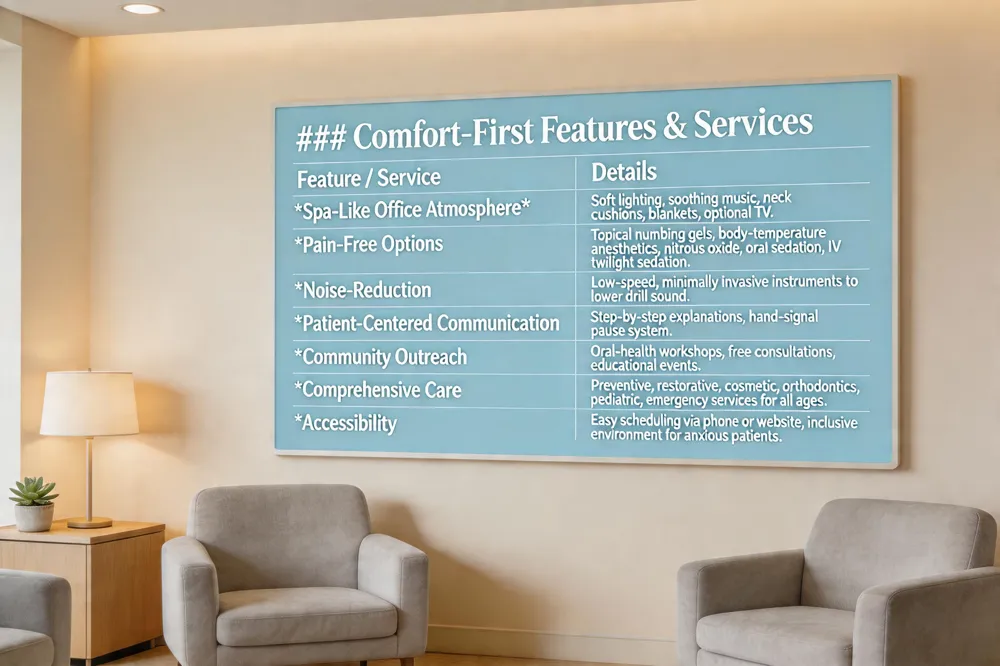 At Loud Family Dental in Shreveport, the office is designed like a calming spa: soft lighting, soothing music, neck cushions, blankets, and optional TV create a comfort‑first atmosphere that eases the typical triggers of dental anxiety such as drill sounds and the sight of needles. The team offers a range of pain‑free options—including topical numbing gels, body‑temperature anesthetics, nitrous‑oxide, and IV sedation—so patients can relax while remaining conscious. Community outreach programs provide oral‑health workshops and free consultations, encouraging early visits. Comprehensive services span preventive care, restorative and cosmetic dentistry, orthodontics, pediatric care, and emergency treatment for every age group.
A New Chapter of Smiles and Confidence
Across the stories we have heard, patients like Sheila and Linda turned fear into relief by trusting a calm, patient‑centered team. Techniques such as numbing gel, body‑temperature anesthetic, low‑speed instruments, aromatherapy, and soothing blankets make even a drill feel gentle. Sedation options—from laughing gas to IV twilight—provide a stress‑free path for those with severe anxiety. By offering clear explanations, a stop‑signal system, and personalized entertainment, clinics create a spa‑like atmosphere that restores confidence. If you have avoided the dentist because of pain, needles, or loss of control, now is the moment to try a different approach. Our community‑oriented practice invites you to experience this gentle care without financial pressure. Book a free consultation today and take the first step toward a healthier, brighter smile. Our compassionate staff will listen, answer every question, and ensure you feel safe throughout each visit.