Why Tooth Sensitivity Happens After Whitening
Whitening products work by letting carbamide‑ or hydrogen peroxideperen enamel, temporarily increasing porosity and exposing dentin tubules. This brief exposure lets hot, cold, sweet or acidic stimuli reach the nerves, producing the sharp “zinger” pain many patients feel after a session. The intensity of discomfort depends on several factors: the concentration of the peroxide, how long the gel stays on the teeth, the thickness of your enamel, and any pre‑existing conditions such as thin enamel, gum recession, or untreated cavities. Over‑the‑counter strips or trays that don’t fit well can also let gel touch the gums, adding irritation. The purpose of this guide is to explain why this sensitivity occurs, identify the main triggers, and give you clear, evidence‑based steps you can take to minimize pain while still enjoying a brighter smile.
Understanding the Root Causes of Post‑Whitening Sensitivity
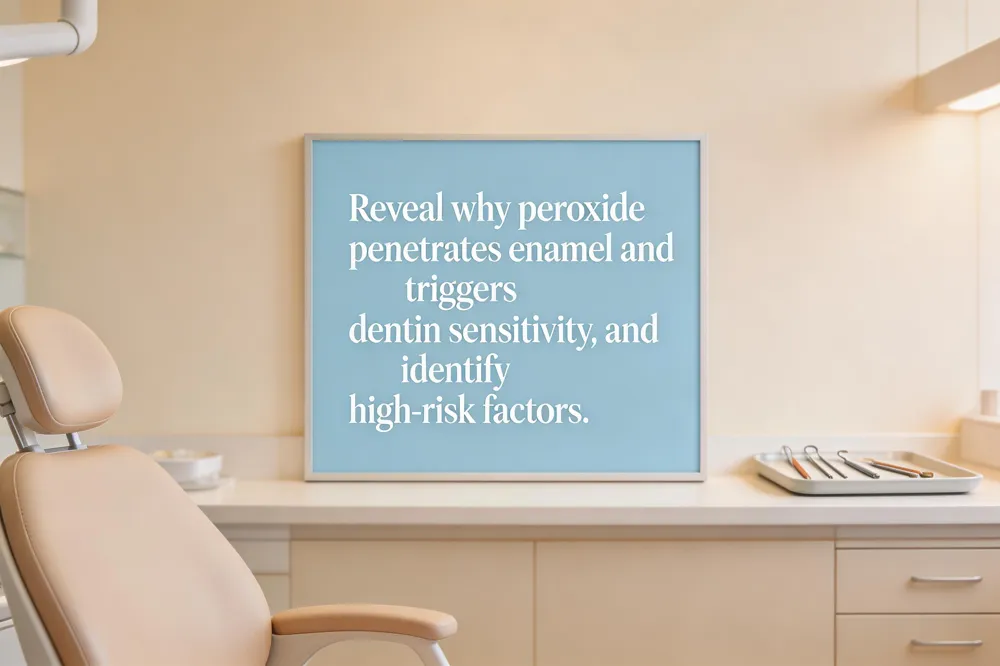 Peroxide agents (hydrogen or carbamide) seep into enamel, raising porosity and exposing dentin tubules that transmit heat, cold, or sweet stimuli to the nerve. People with thin enamel, gum recession, or pre‑existing sensitivity are especially prone, as the bleaching gel reaches the dentin more easily. Usually the irritation subsides in a few days because the pores close as the enamel re‑hydrates and remineralizes.
How to cure sensitive teeth permanently? A lasting fix requires a professional evaluation. Fluoride varnish, bonding, crowns, or a root‑canal can seal tubules, while at‑home use of a soft‑bristled brush, desensitizing toothpaste (potassium nitrate or stannous fluoride), and avoidance of acidic foods helps prevent recurrence.
Tooth sensitivity causes – enamel loss, gum recession, aggressive brushing, cavities, cracked teeth, and whitening‑induced enamel porosity.
Teeth whitening side effects truth – temporary sensitivity and mild gum irritation are common; serious damage is rare when ADA‑approved products are used correctly.
Hydrogen peroxide teeth whitening side effects – mild gum irritation, temporary tooth sensitivity, and occasional metallic taste; usually resolve within days.
Is teeth whitening permanent? No; results fade as new stains form. Regular oral hygiene, stain‑limiting habits, and periodic touch‑ups maintain brightness.
Immediate Relief Techniques for Sensitive Teeth After Whitening
 Desensitizing products: Switch to a toothpaste containing potassium nitrate or stannous fluoride, use an alcohol‑free therapeutic mouthwash with fluoride or potassium nitrate, and consider an over‑the‑counter fluoride gel or prescription‑strength desensitizing gel for the first 48–72 hours.
Dietary adjustments: Avoid very hot, cold, acidic, or sugary foods and drinks; sip beverages through a straw; and stay hydrated with water to rinse away acids.
How to stop sensitive teeth pain immediately: Warm salt‑water rinse, soft‑bristled brushing, desensitizing toothpaste, avoid triggers, apply fluoride gel, see dentist if pain > day.
Unbearable pain after whitening strips: Stop use, rinse, apply fluoride or desensitizing paste, avoid extremes, use ibuprofen, schedule professional evaluation.
Sensitive teeth after whitening home remedy: Gentle brushing, fluoride/dentist toothpaste, desensitizing gel, limit acids, see dentist if > week.
Sensitive teeth mouthwash: Use ADA‑approved alcohol‑free fluoride or potassium nitrate rinse, swish 30 seconds, don’t rinse afterward.
Nerve pain after teeth whitening: Cease whitening, soft brushing, desensitizing toothpaste, OTC relief, dental check if persistent.
How to stop "zingers" after whitening: Cool water rinse, fluoride‑rich desensitizing toothpaste, avoid temperature extremes, fluoride gel, professional follow‑up if needed.
Extremely sensitive teeth after whitening: Avoid extremes, use lower‑peroxide products, desensitizing toothpaste.
How long sensitivity lasts: Usually 2‑7 days, up to 2 weeks for some; use fluoride, salt‑water rinse, avoid triggers, see dentist if > week.
Professional Interventions and Long‑Term Management
 After whitening, dentists can seal exposed dentin with bonding agents or sealants, and apply fluoride varnish or prescription gels (5% sodium fluoride, stannous fluoride) to remineralize enamel. Custom‑fit trays provide controlled peroxide and protect gums, lowering irritation versus OTC strips.
Best painkiller for sensitive teeth after whitening – Ibuprofen 200‑400 mg every 6‑8 h; acetaminophen if NSAIDs are contraindicated.
Why are my two front teeth sensitive all of a sudden – Recent whitening, aggressive brushing, acidic intake or a micro‑crack can expose dentin; a dental exam will identify the cause.
Best toothpaste for sensitive teeth – ADA‑approved potassium nitrate or stannous fluoride formulas (e.g., Sensodyne, Colgate Sensitive) used twice daily with a soft brush.
How can I fix my teeth if I don't have money? – Use Medicaid, community clinics, sliding‑scale dental schools or office discount plans; many dentists offer payment plans.
Long‑term side effects of teeth whitening – Generally only temporary sensitivity; over‑use may erode enamel, irritate gums and increase decay risk.
Choosing Safe Whitening Options and Preventing Sensitivity
 When you decide to brighten your smile, start with low‑peroxide , ADA‑approved products. These formulas (often 5‑10% peroxide) reduce enamel porosity and lower the risk of dentin exposure. Custom‑fit trays, prescribed by a dentist, keep the gel away from gums and ensure even coverage, whereas over‑the‑counter strips may over‑ bleach and irritate soft tissue. Before any whitening, prepare your teeth with a desensitizing toothpaste for about ten days; this blocks pain signals and helps remineralize enamel.
Sensitive teeth symptoms – Sudden sharp pain to hot, cold, sweet, or acidic stimuli, sometimes lingering as a dull ache after the trigger, or even pain while brushing if dentin is exposed.
Can tooth sensitivity go away? – Yes. Good oral hygiene, fluoride toothpaste, and desensitizing gels usually resolve it; persistent cases may need professional fluoride varnish, bonding, or sealants.
Should I stop whitening my teeth if they are sensitive? – First, reduce frequency, switch to a low‑peroxide “sensitive” formula, and use a soft brush with desensitizing toothpaste. If discomfort continues, pause the regimen and consult your dentist.
Sensitive teeth pain relief – Brush gently with a soft‑bristled brush and potassium‑nitrate or stannous‑fluoride toothpaste, follow with a fluoride rinse, and avoid extreme temperatures and acidic foods.
How long should tooth sensitivity last after whitening? – Generally a few days to a week; longer or intense pain warrants a dental check‑up.
Lifestyle and Home Care for Ongoing Sensitivity Prevention
 A balanced diet and gentle oral‑care habits are key to keeping post‑whitening sensitivity at bay.
Dietary choices – For the first 48 hours after bleaching, avoid very hot, cold, acidic, or sugary foods and drinks; sip cold beverages through a straw and rinse with water if you must consume citrus or soda. Calcium‑rich foods and vitamin D support enamel remineralization, while a low‑acid diet reduces further enamel softening.
Gentle oral hygiene habits – Brush with a soft‑bristled toothbrush using circular motions, and wait several hours before brushing after a whitening session. Switch to a desensitizing toothpaste (potassium nitrate or stannous fluoride) and consider a fluoride gel or varnish at night. A warm salt‑water rinse (½ tsp salt in 8 oz water) can calm inflammation.
Regular dental visits – Schedule a check‑up within a week if sensitivity persists; your dentist can apply professional fluoride treatments, evaluate enamel thickness, and adjust future whitening plans.
FAQ
- How long does sensitivity last? Usually 2–7 days, occasionally up to two weeks.
- Pain‑relief options? Desensitizing toothpaste, fluoride gel, salt‑water rinse, and NSAIDs if needed.
- Home remedies? Soft brushing, straw use, calcium‑rich diet, and salt‑water rinses.
If pain continues beyond a week or worsens, contact your dentist promptly.
Key Takeaways for Comfort After Whitening
Combine professional care with gentle home habits: start with a dentist‑approved whitening plan, use a low‑concentration peroxide product, and follow the manufacturer’s timing instructions. Before and after each session, brush with a soft‑bristled toothbrush and a fluoride‑containing toothpaste, and consider a desensitizing paste with potassium nitrate or stannous fluoride. Monitor sensitivity duration and seek help when needed: mild tingling usually fades within 2–3 days, but pain lasting longer than a week, or worsening, warrants a dental visit to rule out cavities, gum recession, or pulp irritation. Maintain regular dental visits for lasting oral health: professional fluoride varnish, sealants, or bonding can reinforce enamel, while routine cleanings keep stains at bay and reduce the need for repeated bleaching.