Welcome to Your Recovery Guide
After a dental implant, most patients notice mild pain, swelling, and tenderness that peak within the first 24‑48 hours and gradually improve over the next week. This discomfort is a normal response to surgical trauma and inflammation, and it usually subsides as the soft tissue heals and the implant begins its osseointegration journey. Proper aftercare is essential to keep this healing on track. Rest with your head elevated, apply intermittent ice packs (15 minutes on, 15 minutes off) during the first two days, and switch to warm compresses after 48 hours to improve circulation. Stick to a soft‑food diet—yogurt, mashed potatoes, smoothies, and soups—to avoid pressure on the surgical site. Gentle oral hygiene with a soft‑bristled brush and salt‑water rinses protects the area from infection while preserving the blood clot. Avoid smoking, alcohol, and straws for at least a week, and limit strenuous activity for the first 48‑72 hours. Following these steps reduces swelling, controls pain, and supports a smooth, successful recovery.
Nutrition and Diet for Healing
 A soft‑food diet is the cornerstone of early implant recovery. During the first 24‑48 hours stick to cool, liquid foods—smoothies, cold soups, applesauce, pudding, and fortified juice—while avoiding hot drinks, straws, smoking, and alcohol. From day 3 to day 7, continue with soft, cool items such as yogurt, scrambled eggs, oatmeal, mashed potatoes, and well‑cooked pureed vegetables. After about a week, expand to tender proteins (finely shredded chicken, ground turkey, fish) and soft‑cooked vegetables, always keeping meals easy to chew.
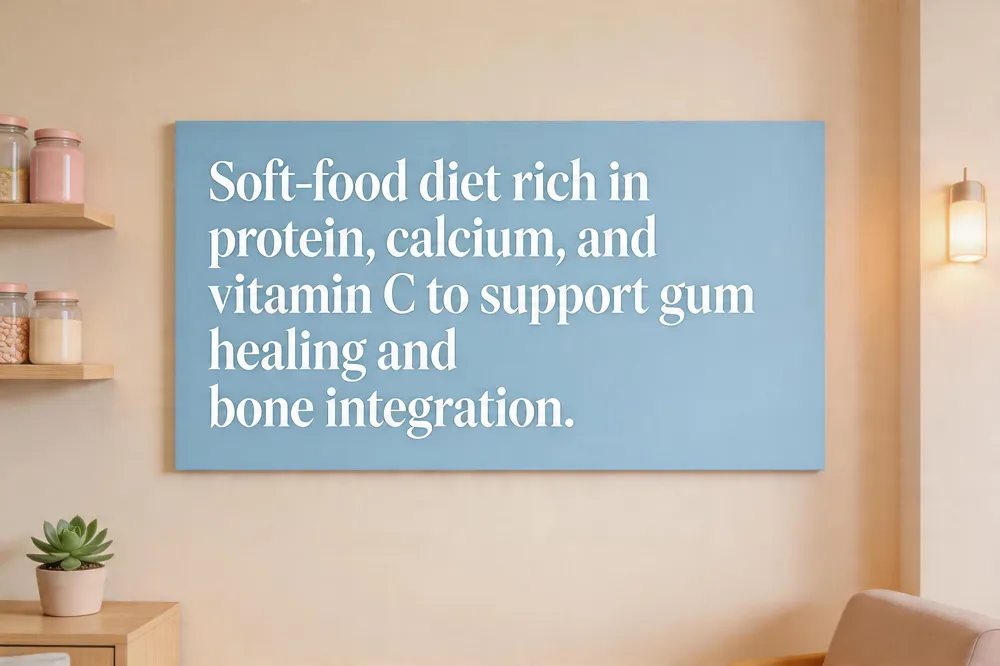
Protein, calcium, and vitamin C are essential for gum healing and bone integration. Include lean meats, eggs, dairy‑free milks, leafy greens, citrus fruits, and fortified tofu to meet these needs while staying well‑hydrated.
Avoid crunchy, spicy, sticky foods in the early phase. Dairy can leave a sticky residue that promotes bacterial growth, and hot, spicy, or crunchy foods may dislodge the clot or aggravate swelling.
After dental implant surgery what can I eat? Stick to cool, liquid foods for the first 24‑48 hours—smoothies, cold soups, applesauce, pudding, and fortified milk or juice—while avoiding hot drinks, straws, smoking, and alcohol. For the next 3‑5 days continue with soft, cool items such as yogurt, scrambled eggs, oatmeal, mashed potatoes, and well‑cooked, pureed vegetables. As tenderness eases (usually after about a week), expand to tender proteins like finely shredded chicken, ground turkey or fish, soft‑cooked sweet potatoes, and well‑cooked leafy greens sautéed until wilted. Throughout the first 10‑14 days prioritize foods high in protein, calcium, and vitamin C to support gum healing and bone integration. Avoid crunchy, spicy, sticky foods that could dislodge the clot or irritate the surgical site.
Why avoid dairy after a dental implant? Dairy can leave a sticky, protein‑rich residue on the surgical site, providing an ideal environment for bacteria to grow and increasing the risk of infection during the critical healing phase. The fats and sugars in many dairy foods also promote bacterial proliferation, while the casein protein can stimulate excess mucus production, causing discomfort and congestion after oral surgery. Hot or very cold dairy items may aggravate swelling and soreness, and some dairy can interact with post‑operative antibiotics or pain medications, reducing their effectiveness. For these reasons, dentists typically recommend avoiding dairy for the first 4‑6 weeks, or at least the first 48‑72 hours, after a dental implant to support optimal healing and long‑term implant success. Soft, non‑dairy alternatives such as smoothies, mashed potatoes, and broth‑based soups are safer choices during this period.
How to heal faster after dental implants Follow your dentist’s post‑operative instructions carefully, keeping the head elevated[https://www.lukerdental.com/dental-implant-healing-guide-for-a-smooth-recovery/), using ice packs for 15‑minute intervals during the first 24‑48 hours[https://www.ruidosodentist.com/quick-dental-implant-recovery/], and taking any prescribed pain or anti‑inflammatory medication as directed[https://www.ruidosodentist.com/quick-dental-implant-recovery/]. Maintain excellent oral hygiene by Gentle warm salt‑water rinses[./how-to-prevent-dental-issues-simple-daily-habits-for-strong-teeth#incorporating-saltwater-rinses-and-other-simple-rituals] after meals and using a soft‑bristled toothbrush[https://www.ruidosodentist.com/quick-dental-implant-recovery/] around the surgical site, but avoid vigorous brushing or spitting for the first day. Stick to a soft, nutrient‑dense diet—such as soups, mashed vegetables, yogurt, and smoothies—while staying well‑hydrated, and prioritize protein, vitamin C, calcium and vitamin D to support tissue repair and bone integration. Avoid smoking[https://www.ruidosodentist.com/quick-dental-implant-recovery/] and alcohol[https://www.ruidosodentist.com/quick-dental-implant-recovery/] and strenuous activity[https://www.ruidosodentist.com/quick-dental-implant-recovery/] for at least the first week, as these can impede blood flow and delay osseointegration. Finally, attend all scheduled follow‑up appointments[https://www.ruidosodentist.com/quick-dental-implant-recovery/] so your dentist can monitor healing and address any concerns promptly.
Pain Management Techniques
 Managing discomfort after a dental implant is straightforward when you follow a few key steps.
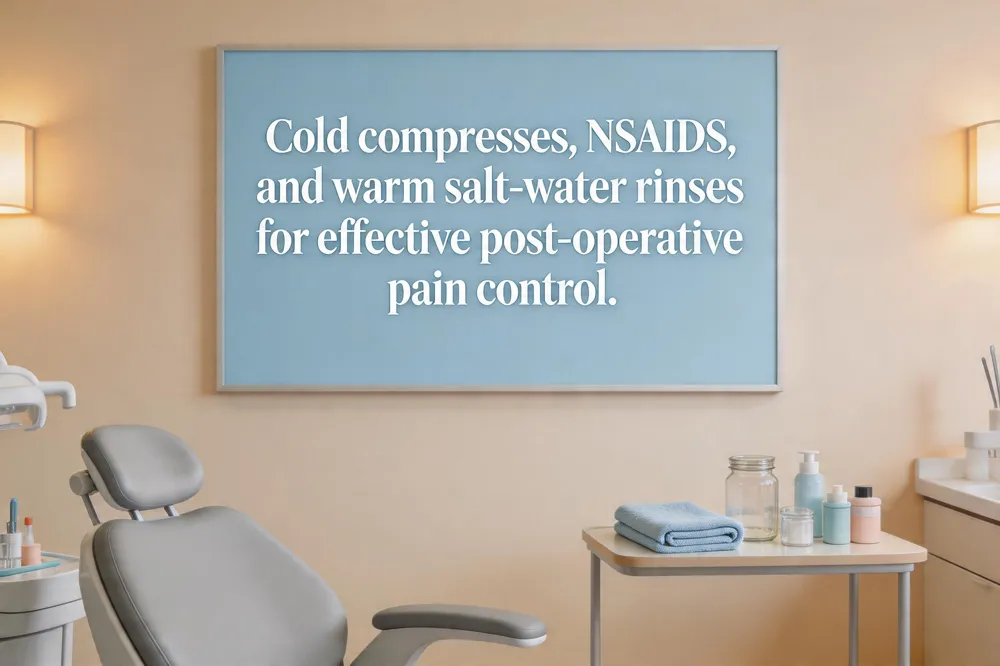
Cold and warm compresses – In the first 24‑48 hours apply an ice pack to the cheek for 15 minutes on, 15 minutes off; this reduces swelling and numbs pain. After 48‑72 hours switch to a warm compress or a warm salt‑water rinse to improve circulation and ease lingering soreness.
Over‑the‑counter and prescription medications – The most effective first‑line relief is ibuprofen 400‑600 mg (or acetaminophen if NSAIDs are unsuitable) taken every 6‑8 hours with a small amount of food. If pain is severe or persists beyond a few days, a dentist may prescribe a short‑term opioid or adjust the regimen; always follow the prescribed dosage.
Home remedies and when to seek professional help – Gentle warm salt‑water rinses, soft cool foods, adequate hydration, and head elevation further comfort the area. If pain worsens after 3‑5 days, or is accompanied by fever, pus, heavy swelling, or numbness, contact your periodontist promptly.
Quick relief FAQ –
- Best pain relief after dental implants: ibuprofen + cold packs, followed by warm rinses and soft diet.
- Fastest way to relieve implant pain: immediate cold compress + NSAID as soon as anesthesia fades.
- Home remedies: warm salt‑water rinses, cooled herbal tea bags, soft foods, and head elevation.
- Stopping implant pain: consistent NSAID use, cold‑to‑warm therapy, soft diet, gentle oral hygiene; call the dentist if symptoms persist.
- Overall pain relief: combine medication, compresses, diet, and rest for a smooth recovery.
Post‑Operative Care Checklist
 Immediately after implant placement, keep a gauze pad on the surgical site for 30‑60 minutes, then replace it with fresh gauze and bite gently until bleeding stops. Apply an ice pack to the cheek for 15 minutes on/15 minutes off during the first 24 hours, then switch to warm compresses after 48 hours while keeping your head elevated with pillows.
Oral hygiene: avoid rinsing, spitting, or using straws for the first 24 hours. Begin gentle brushing of surrounding teeth on day 2 with a soft‑bristled brush, avoiding direct pressure on the incision. Rinse 2‑3 times daily with warm salt water (½ tsp salt per 8 oz) or a prescribed chlorhexidine rinse after the first day.
Activity and diet: Rest and limit strenuous activity for the first 48‑72 hours. Follow a soft, cool diet (yogurt, smoothies, mashed potatoes) for the first 2‑4 days, chewing on the opposite side, and stay well‑hydrated. Avoid smoking, alcohol, and heavy lifting for at least one week.
Follow‑up schedule: Attend the 1‑week postoperative visit for sut check, evaluation of soft‑tissue healing, and planning of the final restoration. Contact your dentist promptly if pain worsens, swelling increases, or you notice pus, fever, or a loose implant.
Monitoring for Complications
 After implant placement, watch for warning signs of infection and peri‑implantitis.
Why is my implant hurting after 2 years? Pain after two years is abnormal and may indicate peri‑implantitis, a loose crown or abutment, bone loss, bruxism, or a rare material reaction. Exam and imaging are advised.
Throbbing pain 3 days after a dental implant is healing. Apply 15‑20 minute ice packs, keep head elevated, take ibuprofen, eat foods, and rinse gently with warm salt water. Call us if pain sharpens, swelling increases, or fever/pus appears.
Severe pain after placement – when to call: Sharp, worsening pain, growing swelling, fever, chills, loose implant, or numbness require contact. Normal discomfort eases within a week.
Peri‑implantitis: what to know? Plaque‑driven inflammation causes red, swollen gums, bleeding, pus, and bone loss. Risk factors: poor hygiene, smoking, diabetes, past periodontal disease. Treatment: cleaning, antimicrobial rinses, antibiotics; advanced cases may need surgery. Maintain oral hygiene and check‑ups.
Special Cases and Long‑Term Care
 All‑on‑4 aftercare focuses on protecting the surgical site for the first 24‑48 hours with gauze or a moist tea bag, intermittent ice packs (20 min on/off), head elevation, and strict avoidance of smoking. A soft diet (smoothies, mashed potatoes, yogurt, oatmeal) should be maintained for two weeks, with hard foods avoided for 4‑6 weeks. Begin gentle chlorhexidine rinses the night of surgery, then transition to soft‑bristled brushing and antibacterial mouthwash as cleared. Follow‑up visits are essential; contact the office for persistent swelling, pain, or infection.
Implant pain after 10 years is not normal and may signal peri‑implantitis, bone loss, or prosthetic failure. Diagnosis involves probing, radiographs, and prosthetic assessment. Treatment ranges from improved hygiene and professional cleaning to surgical debridement, grafting, or component replacement.
Swelling after a bone graft peaks at 48‑72 hours. Use ice packs (15‑20 min on/off) for the first 24‑36 hours, keep the head elevated, take prescribed anti‑inflammatories, and rinse with warm salt water. Swelling should subside by two weeks; worsening symptoms after day 3 warrant prompt evaluation.
Key Takeaways and Next Steps
Follow these comfort‑focused recovery tips: keep your head elevated, apply ice packs for 15‑20 minutes on/off during the first 48 hours, eat soft foods (yogurt, mashed potatoes, smoothies), use a soft‑bristled brush and gentle warm‑water rinses, and avoid smoking, alcohol, and straws for at least a week. Take prescribed pain relievers and antibiotics exactly as directed, and rest while limiting heavy lifting. Contact Loud Family Dental promptly if you experience persistent pain beyond 7 days, increasing swelling, fever, pus, or a loose implant. Our team is committed to your long‑term implant health through diligent oral hygiene, regular check‑ups, and personalized after‑care guidance.