Why Interdental Cleaning Matters
Plaque accumulates in the tiny spaces between teeth that a conventional toothbrush cannot reach, creating a hidden haven for bacteria. When this interdental plaque is not removed, it irritates the gum line, leading to gingivitis, cavities, and the unpleasant odor of bad breath. The American Dental Association and CDC both emphasize that daily interdental cleaning—whether with a brush, pick, or floss—is a cornerstone of an oral‑hygiene routine. By eliminating plaque where brushing alone leaves only ~60 % of the surface clean, you protect gums, prevent decay, and support long‑term oral health.
Step‑by‑Step Guide: Using an Interdental Brush on Back Teeth
 Choosing the correct brush size for molars
Select a brush that fits snugly between your back teeth. Molars often have wider gaps, so a medium‑to‑wide head (e.g., 0.8 mm–1.2 mm) is usually appropriate. If the brush feels tight, move to a smaller size; if it slides through with excess space, choose a larger one. Your dentist can help you determine the best size for each interdental space.
Choosing the correct brush size for molars
Select a brush that fits snugly between your back teeth. Molars often have wider gaps, so a medium‑to‑wide head (e.g., 0.8 mm–1.2 mm) is usually appropriate. If the brush feels tight, move to a smaller size; if it slides through with excess space, choose a larger one. Your dentist can help you determine the best size for each interdental space.
Holding the brush like a pencil Grip the handle between thumb and index finger, similar to a pencil. This grip gives you precise control and lets you gently bend the neck if needed to reach posterior areas without excessive force.
Gentle insertion and back‑and‑forth motion Insert the bristles into the gap with light pressure, allowing them to slide in without snapping. Move the brush back and forth 2‑3 times, cleaning both the inner and outer sides of each space. For molars, a slight quarter‑turn of the brush can help reach the entire surface without bending the wire.
Rinsing, drying, and weekly replacement After each use, rinse the brush under running water, tap off excess liquid, and let it air‑dry. Replace the brush weekly or when bristles become frayed to maintain hygiene and effectiveness.
Daily frequency and timing The ADA recommends daily interdental cleaning, preferably before bedtime or after meals. Consistent use removes plaque that a toothbrush cannot reach, reducing gum inflammation and the risk of cavities.
How to use interdental brush on back teeth
- Choose the right size; ask your dentist if unsure.
- Rinse and hold the brush like a pencil.
- Gently insert into the molar gap.
- Move back‑and‑forth 2‑3 times, cleaning all sides.
- Rinse, air‑dry, and replace weekly. Use once daily, preferably before brushing.
Interdental brush How to use Select appropriate sizes for each gap, hold like a pencil, insert gently, and use a light back‑and‑forth motion 2‑3 times. Rinse after each use and replace when worn. Incorporate into your daily oral‑care routine, brushing twice daily and using the brush once a day.
TePe Interdental Brushes – What Makes Them a Top Choice
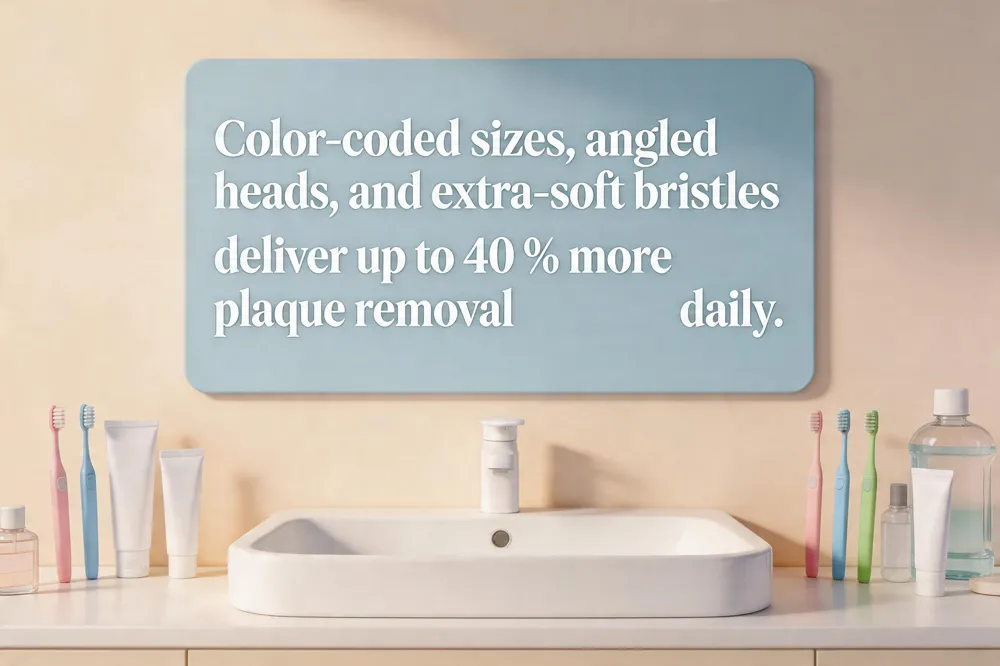 TePe Interdental Brushes are small, color‑coded brushes designed to clean the spaces between teeth where a regular toothbrush can’t reach. The brand’s color‑coded size system (0.4 mm to 0.8 mm) helps patients match the brush to each interdental gap, ensuring a snug yet comfortable fit. Three product lines are available: Original brushes with a straight head and short handle for easy use; Angle brushes with an angled head and longer handle for posterior teeth; and Extra‑Soft brushes that use softer bristles for sensitive gums or delicate restorations. Clinical data show that daily use can remove up to 40 % more plaque than brushing alone, reducing gum inflammation, cavities, and bad breath. The plastic‑coated wire is safe for natural teeth, dental implants, bridges, and orthodontic appliances. Loud Family Dental recommends TePe interdental brushes for patients of all ages because they combine effectiveness, safety, and ease of use, supporting optimal oral health between professional cleanings.
Interdental Brushes vs. Floss: Which Is Right for You?
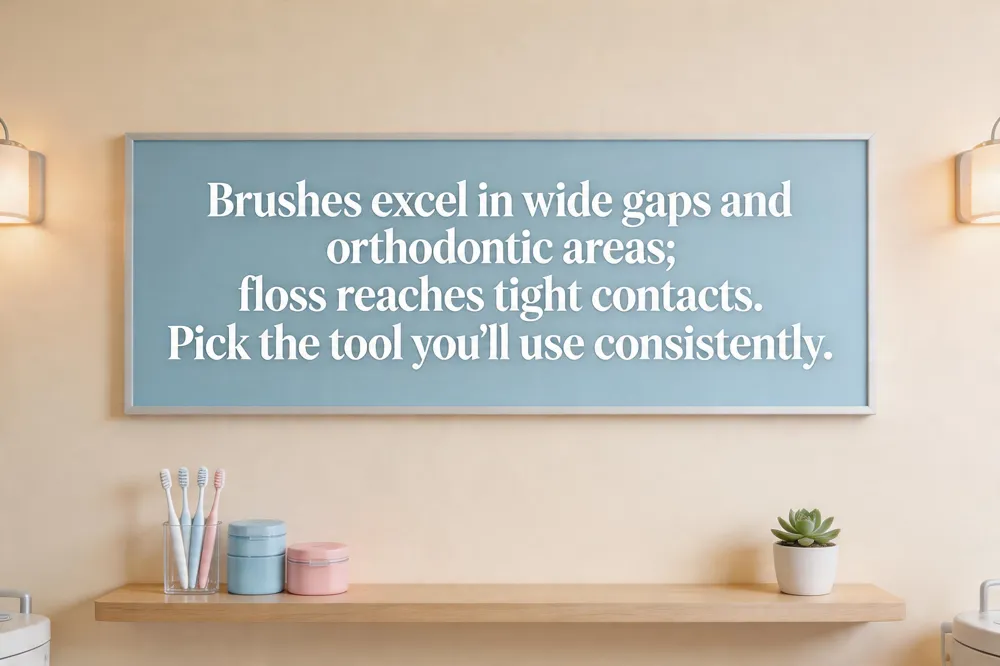 Interdental brushes are small, bristled tools that slide into the spaces between teeth and are often easier to handle than string floss, especially for people with limited dexterity, braces, implants or larger gaps. Clinical studies show that, when used alongside regular toothbrushing, interdental brushes can remove plaque as effectively—or even more effectively—than floss and can reduce gingivitis. Traditional floss can reach tighter contacts and the gingival sulcus, is inexpensive, and widely available, but many patients find it cumbersome and struggle to maintain a consistent daily routine.
Ease of handling: Brushes require a simple pencil‑like grip and gentle back‑and‑forth motion, reducing the skill needed compared with floss string.
Effectiveness: Both remove plaque; evidence suggests brushes may outperform floss in wider interdental spaces and around orthodontic appliances, while floss excels in very tight contacts.
Suitability: Brushes are ideal for braces, bridges, implants, and wide gaps; floss works best when all contacts are narrow.
Cost & availability: Both are affordable and sold in pharmacies, supermarkets, and online; brushes come in reusable packs, while floss is single‑use.
Consistency: The most important factor is daily use—choose the tool you can use reliably at least once a day.
Special Situations: Tight Teeth, Braces, and Gum Disease
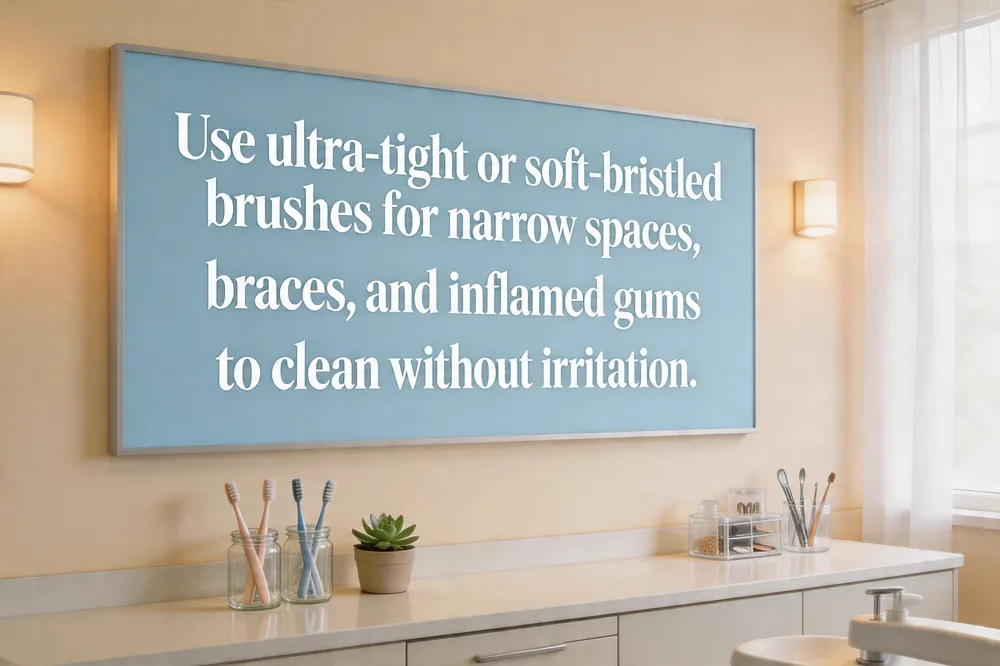 For managing gum disease, soft‑bristled interdental brushes that fit your specific tooth gaps are most effective because they remove plaque without irritating inflamed gums. The TePe® Interdental Brush Original series (0.5 mm–1.1 mm) offers a range of ISO sizes with gentle nylon bristles that are easy on sensitive tissues. GUM® Proxabrush Go‑Betweens, especially the “Ultra Tight” and “Tight” sizes, are designed for very narrow spaces and have antibacterial bristles for safe reuse. DenTek Slim Brush Advanced Clean provides a slim, tapered head that reaches tight interproximal areas while remaining soft enough for gingivitis‑prone gums.
When using braces, choose a brush that fits the gap between each tooth and bracket—most brands use color‑coded sizes, and your orthodontist can help you pick the right one. Insert the brush gently, move it back‑and‑forth and up‑and‑down along the bracket and wire, and bend the thin metal handle if needed for angled areas. Rinse after each use and replace when bristles wear.
Interdental brushes do not create new gaps. Properly sized brushes clean existing spaces without damaging gums or enamel, helping prevent plaque buildup that can lead to decay and widening of gaps over time.
Practical Tips: Frequency, Maintenance, and Choosing the Right Size
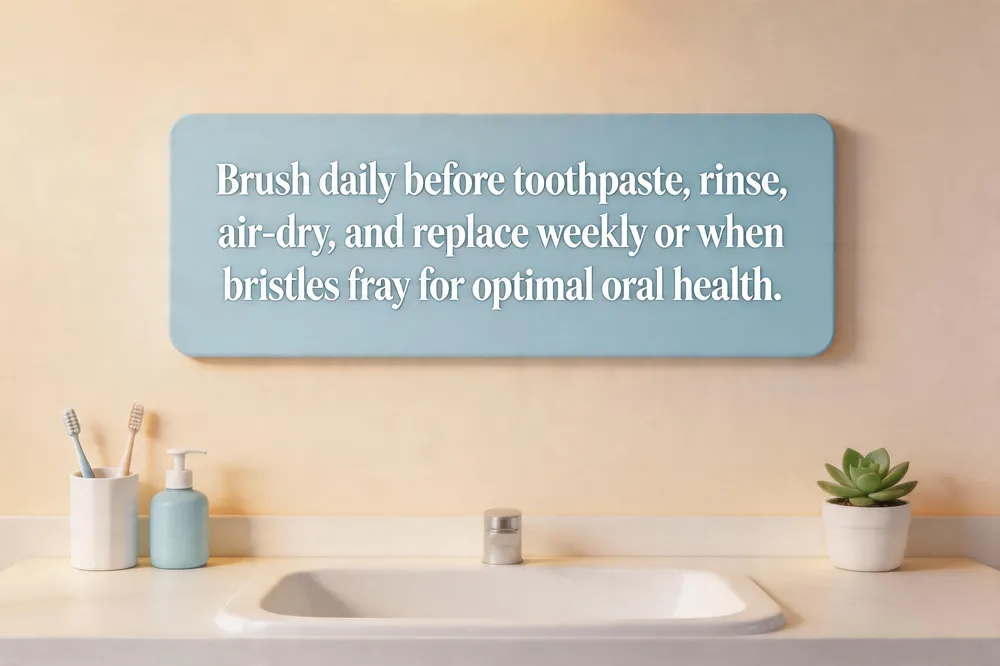 Interdental brushes are most effective when used before you brush your teeth. Cleaning between the teeth first removes plaque that a toothbrush can’t reach, allowing fluoride in your toothpaste to work better on the exposed surfaces. After the brush, follow up with a gentle, thorough brushing using a soft‑bristled brush and fluoride paste.
Toothpaste on the brush? No. The abrasives in most toothpastes can damage delicate gum tissue and dentin when applied to the tiny bristles. Rinse the brush with water or use a non‑abrasive antimicrobial gel if extra protection is desired.
Reusable vs. disposable – Reusable brushes (e.g., GUM Proxabrush) can be rinsed and used for about a week before the bristles wear out, reducing waste. Single‑use picks like GUM Soft‑Picks are convenient for travel or for patients with very tight gaps.
Cleaning, storage, and replacement – Rinse under running water after each use, soak daily in antibacterial mouthwash or diluted hydrogen peroxide, air‑dry upright, and store in a dry container. Replace the brush weekly or when bristles become frayed.
Size selection & top brands – Choose a size that fits snugly without forcing; start with the smallest and work up. Proven brands include GUM Proxabrush (ultra‑tight to wide), TePe Original (nine colour‑coded sizes), and DenTek Slim Brush Advanced Clean. Using the correct size and a reputable brand maximizes plaque removal and gum health.
Putting It All Together for a Healthier Smile
To keep your smile at its best, make interdental cleaning a daily habit. Brush the spaces between teeth once a day—ideally after meals or before bedtime—and rinse the brush after each use. Schedule regular dental visits so the hygienist can assess gum health, remove hardened plaque, and advise on any adjustments. Your dentist will help you choose the right brush size for each gap, often using a color‑coded probe, and demonstrate the gentle pencil‑hold technique. Personalized education and consistent practice together protect gums, reduce cavities, and support long‑term oral health.