Understanding Dental Anxiety
Dental anxiety is surprisingly common—studies show that 15 % to 20 % of U.S. adults, and even up to 36 %, experience enough fear to avoid the dentist. When anxiety leads to missed appointments, even problems can worsen, turning simple cleanings into complex, costly procedures and increasing the risk of cavities, gum disease, and even systemic issues like diabetes. Because untreated anxiety creates a vicious cycle of avoidance and deteriorating oral health, it’s essential to address it early. Effective management—ranging from gentle communication and calming office environments to evidence‑based options such as nitrous‑oxide inhalation, oral benzodiazepines, IV sedation, or even general anesthesia—helps patients feel safe, reduces pain perception, and encourages regular preventive care.
Choosing the Right Sedation: IV vs. Nitrous Oxide
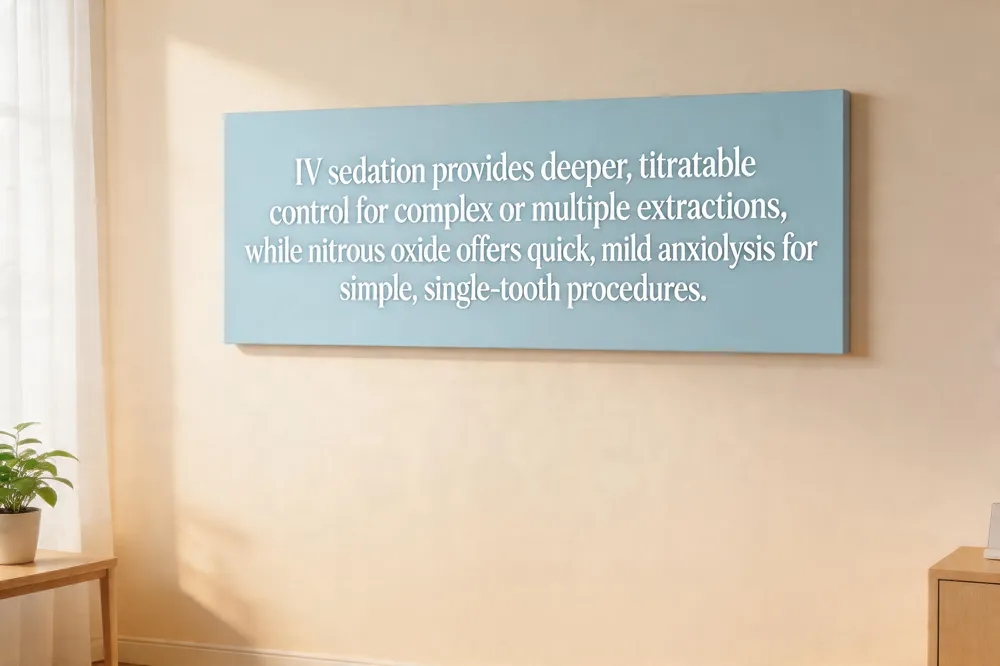 When a patient needs a wisdom‑tooth extraction, the dentist must decide whether IV sedation or nitrous oxide (laughing gas) will provide the best balance of comfort, safety, and recovery time.
IV sedation depth and titration – IV sedation delivers a deeper, continuously adjustable level of conscious sedation. Because the medication is injected directly into the bloodstream, the dentist can titrate the dose in real time, achieving a “twilight” state where the patient remains responsive but feels very little anxiety or pain. This is especially useful for multiple or surgically complex extractions, for patients with a low pain threshold, or for those who experience severe dental phobia. IV sedation does require a short fasting period, post‑procedure monitoring, and a responsible adult to drive the patient home; recovery may take several hours.
Nitrous oxide rapid onset and recovery – Nitrous oxide is inhaled through a nasal mask and takes effect within 3–5 minutes. Its mild anxiolytic effect keeps patients awake and alert while reducing nervousness, and the gas clears within minutes after the mask is removed, allowing patients to drive themselves home almost immediately. This makes it ideal for straightforward, single‑tooth extractions or when a low‑impact, quick‑recovery option is preferred.
Wisdom teeth extraction considerations – For a simple, single wisdom‑tooth removal, nitrous oxide often provides sufficient relaxation with minimal side effects and no dietary restrictions. For more extensive procedures—such as multiple extractions, impacted teeth, or patients with high anxiety—IV sedation offers the deeper, customizable sedation needed to keep the patient comfortable and still reduce movement during the surgery.
Bottom line – Choose IV sedation for complex or multiple extractions and for patients with severe dental fear; opt for nitrous oxide when the procedure is brief, the patient’s anxiety is moderate, and a fast return to normal activities is desired.
Pre‑Visit Anxiety Management Techniques
 Open communication with your dentist is the cornerstone of anxiety control. Before your appointment, tell the dentist about any past dental traumas, specific fears, or triggers; the team can then explain each step, answer questions, and set up a simple hand‑signal or pause system so you feel in control during treatment.
Relaxation and breathing exercises are easy to practice at home and on the day of the visit. Techniques such as the 3‑4‑5 breathing method (inhale 3 seconds, hold 4 seconds, exhale 5 seconds), progressive muscle relaxation, or guided imagery can lower heart rate and calm the mind before you sit in the chair.
Distraction tools and a calming environment further reduce stress. Bring headphones for music or a favorite podcast, use a stress‑relief ball, or request a scent‑diffuser or soft lighting in the operatory. Many offices also offer virtual‑reality glasses or TV screens for visual distraction.
If your anxiety is moderate to severe, ask about mild sedation options such as nitrous oxide or an oral benzodiazepine, and remember to arrange a driver for post‑procedure transport. Consistent preventive visits keep procedures simple, minimizing the need for invasive work and helping you build confidence over time.
Common Medications for Dental Anxiety
 Dental anxiety can be managed effectively with several medication options, each matched to the patient’s fear level, health status, and procedure length.
Oral benzodiazepines are the most frequently prescribed pills for dental anxiety. Common agents include diazepam (Valium), lorazepam (Ativan), alprazolam (Xanax) and triazolam (Halcion). These drugs are taken 30‑60 minutes before the visit, producing calmness, drowsiness and a short‑term memory block while the patient stays awake and responsive. The dose is individualized based on weight, age, and medical history, and patients need a responsible adult to drive them home.
Inhalation nitrous oxide (laughing gas) is delivered through a nasal mask. It works within 2‑5 minutes, offers mild conscious sedation, and wears off within minutes after the mask is removed, allowing patients to resume normal activities and drive themselves home.
Intravenous (IV) sedatives such as midazolam, propofol, ketamine or dexmedetomidine provide deeper, titratable sedation. Administered by a trained dentist or anesthesiologist, IV agents produce a twilight state with rapid onset, precise control, and often little recall of the procedure. Continuous monitoring of vital signs ensures safety throughout.
Choosing the right medication—whether oral benzodiazepine, nitrous oxide, or IV sedation—helps patients feel comfortable, reduces perceived pain, and encourages regular dental care.
Fasting Guidelines and Safety of Nitrous Oxide
 When preparing for conscious sedation, dentists follow the 2‑4‑6 fasting rule: clear liquids (water, black tea or coffee without milk) are stopped at least 2 hours before the appointment, breast milk is avoided for 4 hours, and solid foods—or foods that act like solids such as milk, pulpy juice, or heavy meals—must be discontinued for a minimum of 6 hours. This schedule empties the stomach and markedly lowers the risk of pulmonary aspiration during sedation.
Nitrous oxide (laughing gas) is widely regarded as a safe and effective option for managing dental anxiety. It works within minutes, provides mild anxiolysis and analgesia, and wears off quickly, allowing patients to drive home shortly after treatment. The American Dental Association emphasizes its broad safety margin, provided the equipment is properly maintained and ventilation is adequate.
During any conscious‑sedation procedure, including nitrous oxide, the dental team continuously monitors vital signs—blood pressure, heart rate, and oxygen saturation and keeps emergency equipment on hand. This vigilant monitoring ensures rapid response to any unexpected reaction and reinforces the overall safety of the sedative experience.
Medication Interactions and Recognizing Severe Anxiety
 Xanax (alprazolam) does not interfere with the action of local anesthetics such as lidocaine, so the numbing effect of a dental injection remains intact. However, because Xanax is a benzodiazepine, it can amplify the overall sedative effect when combined with nitrous oxide, oral sedatives, or IV sedation, making patients feel more relaxed or slightly woozy. Patients should always inform their dentist of any Xanax use and arrange a driver after the appointment. Severe dental anxiety often presents with overwhelming fear before entering the office, accompanied by rapid heartbeat, shortness of breath, sweating, trembling, nausea, dizziness, or even fainting. Emotional signs include panic‑like episodes, tearfulness, and an intense urge to avoid all dental care. When these symptoms are frequent, intense, or interfere with daily life, it is time to seek professional help. A dentist can assess anxiety levels, discuss behavioral therapies such as CBT, and consider deeper sedation options like IV sedation or general anesthesia to ensure safe, comfortable treatment.
Insurance, Costs, and Practical Considerations
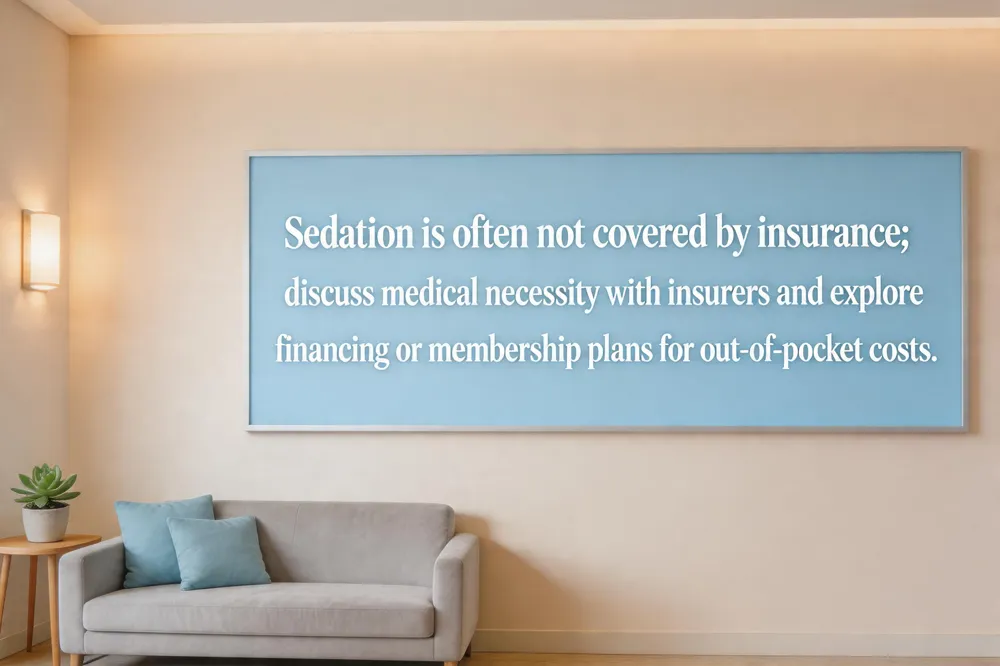 Dental insurance often treats sedation as a non‑essential service, so routine nitrous‑oxide (laughing gas) is rarely covered. When a dentist documents a medical need—such as severe anxiety, autism, epilepsy, or complex oral surgery—many carriers will reimburse part of the cost for oral, IV sedation, or even general anesthesia. Because policies vary, patients should review their plan details or call the insurer for clarification.
If insurance does not cover sedation, most offices offer flexible financial options: in‑house membership plans, CareCredit, or short‑term financing can spread the out‑of‑pocket expense.
Post‑procedure recovery guidelines are simple: arrange a responsible driver for oral or IV sedation, avoid alcohol, and monitor for prolonged drowsiness or nausea. Nitrous oxide wears off within minutes, allowing same‑day driving.
Finally, when planning a smile makeover, the "aesthetic rule"—balancing tooth proportion, gum line symmetry, and facial harmony—ensures a natural, confident result that complements the comfort provided by appropriate sedation.
Your Path to Comfortable Care
Dental anxiety affects 15‑20% of U.S. adults, but modern sedation dentistry offers safe, effective ways to stay relaxed during treatment. The primary options include:
- Nitrous oxide (laughing gas) – inhaled, rapid onset, wears off in minutes, patients can drive home.
- Oral conscious sedation – benzodiazepine pill (e.g., diazepam, lorazepam) taken 30‑60 min before the visit, produces moderate drowsiness, requires a driver.
- Intravenous (IV) sedation – midazolam or propofol delivered directly for deeper, titratable relaxation; patients need post‑procedure monitoring and a companion for transport.
- General anesthesia – complete unconsciousness for extensive surgeries or extreme phobia, administered by an anesthesiologist in a hospital setting. Next steps: Schedule a pre‑appointment consultation, share your medical history, discuss anxiety level, and let the team recommend the most appropriate sedation. At Loud Family Dental, we prioritize patient comfort, provide thorough education, and tailor a personalized sedation plan—combining evidence‑based pharmacology with calming office design—to ensure every visit is as stress‑free as possible.