Why Managing Dental Anxiety Matters
Dental anxiety affects a portion of the population—studies show 36 % of U.S. adults experience some fear, and up to 12 % avoid care altogether. This avoidance can turn cleanings into emergencies, worsening cavities, gum disease, and even influencing systemic conditions such as diabetes. The mouth is a gateway to overall health; untreated periodontal disease raises inflammation and can compromise heart and blood‑sugar control. Regular, early dental visits break this cycle by catching problems before they become painful or costly, allowing preventive care and the use of sedation options when needed. Maintaining a calm, anxiety‑free environment encourages patients to stay on schedule, protecting both their smile and their long‑term well‑being. It also reinforces a relationship with the dentist, fostering trust for treatments.
Understanding Dental Anxiety and Its Symptoms
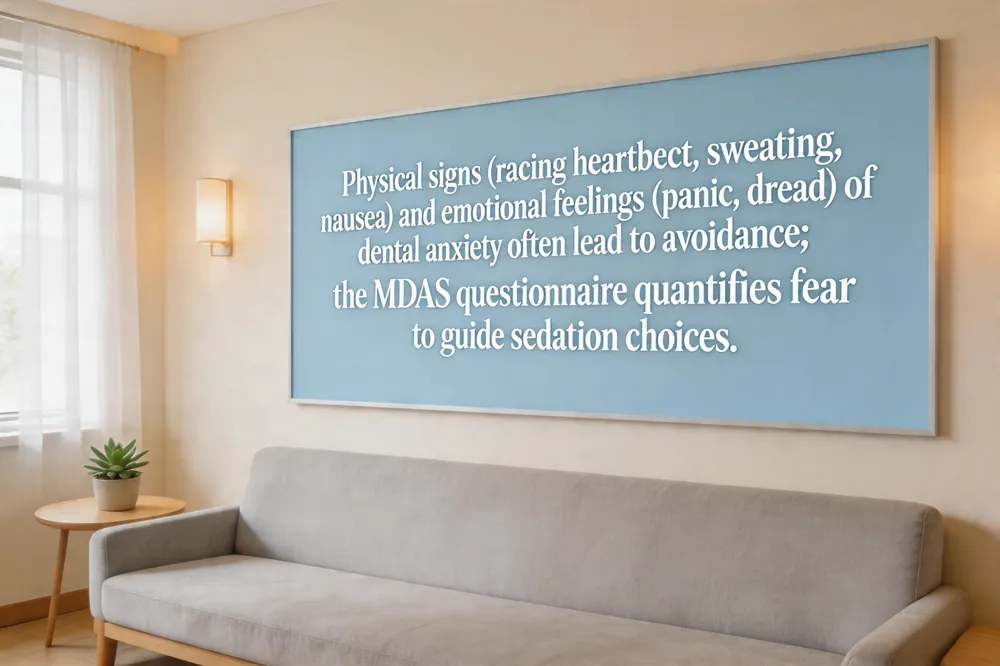 Physical signs of dental fear often include a racing heartbeat, sweating, trembling, nausea, or an upset stomach. Some patients experience low blood pressure that causes light‑headedness or fainting, while others may notice a tight‑chest feeling or shortness of breath. Emotionally, the experience can feel like panic, dread, or helplessness, with thoughts racing about pain or loss of control. These sensations frequently turn into avoidance behavior—missed appointments, frequent cancellations, or even complete refusal to visit a dentist—because the prospect of treatment feels overwhelming.
The Modified Dental Anxiety Scale (MDAS) helps clinicians identify these patterns. It is a brief five‑item questionnaire that asks patients to rate their anxiety in situations such as waiting in the office, hearing the drill, or receiving a local‑anesthetic injection, using a 1‑to‑5 scale. Scores range from 5 to 25; a total of 19 or higher usually signals severe anxiety or possible dental phobia. By scoring the MDAS, dental teams can tailor communication, choose appropriate sedation options, and create a calming treatment plan, ensuring patients receive the care they need without fear.
Sedation Options at Loud Family Dental
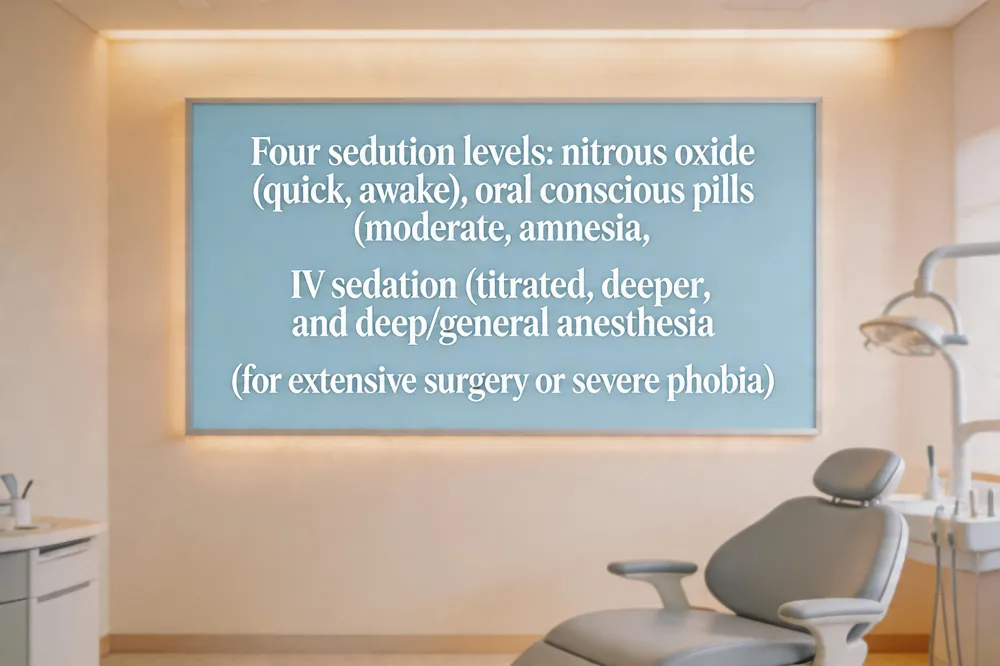 Loud Family Dental offers four levels of sedation to keep anxious patients comfortable and cooperative.
Nitrous oxide (laughing gas) – A small nasal mask delivers a mix of nitrous oxide and oxygen that takes effect in 3‑5 minutes. It eases dental anxiety, reduces the gag reflex, and provides mild analgesia while patients stay fully awake. The gas wears off almost immediately after the mask is removed, so patients can drive home right away.
Oral conscious sedation – Prescription pills such as diazepam, temazepam or triazolam are taken an hour before the visit. They produce moderate relaxation and a‑ of amnesia for the duration of the procedure (2‑8 hours). A responsible adult must accompany the patient home.
Intravenous (IV) sedation – Short‑acting agents—most commonly midazolam, but also propofol, ketamine or dexmedetomidine—are infused through a vein for rapid, titratable sedation. The dental team monitors vital signs continuously; patients often experience little or no memory of the treatment. Recovery may take up to 24 hours, and a driver is required.
Deep sedation and General anesthesia – Reserved for extensive oral surgery, severe dental phobia, or special‑needs patients. Deep (twi‑light) sedation keeps patients on the edge of consciousness with amnesia, while general anesthesia renders them completely unconscious and is administered in a hospital setting by an anesthesiologist.
FAQ
- Nitrous oxide for dental anxiety? It provides quick, adjustable relaxation while patients remain awake and can drive home shortly after.
- What drug is used for IV sedation? Midazolam is the most common; alternatives include propofol, ketamine, and dexmedetomidine.
- Deep sedation dentistry? Often called “twilight sleep,” it’s an IV‑administered state for complex work or severe fear, with monitoring and amnesia.
- IV sedation dentistry – what to expect? A catheter delivers sedative, you stay calm and semi‑awake, vital signs are watched, and you’ll need a driver for the rest of the day.
- Dental anxiety medication? Options include nitrous oxide, oral benzodiazepines, IV sedatives, and when needed, general anesthesia—chosen based on your anxiety level and health profile.
How to Choose the Right Sedation for Your Needs
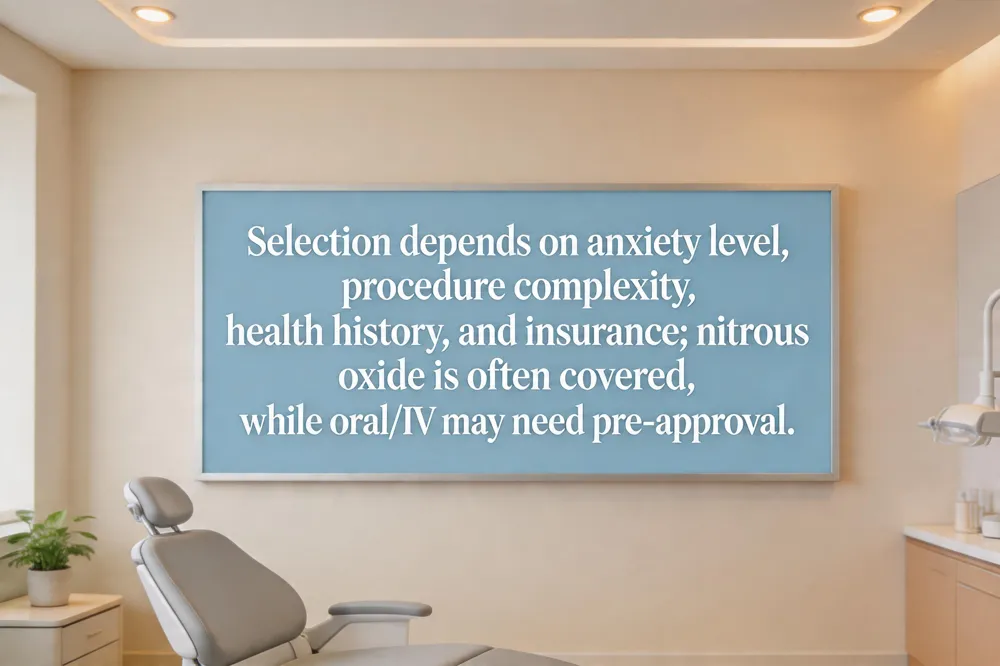 Choosing the best sedation option starts with a clear picture of your anxiety level, the complexity of the planned procedure, and your overall health. During the initial consultation at Loud Family Dental, the team reviews your medical history, current medications, and any past reactions to anesthesia. This information helps determine whether a mild option like nitrous‑oxide (laughing gas), a moderate oral sedative such as triazolam (Halcion®) or diazepam (Valium®), or deeper IV sedation is appropriate.
Insurance coverage varies: most dental plans will reimburse nitrous‑oxide when it is medically necessary, while oral and IV sedation often require pre‑authorization or may be excluded. Our staff will verify your benefits, explain any out‑of‑pocket costs, and suggest affordable alternatives if needed.
Is sedation dentistry covered by insurance? Most plans cover sedation deemed medically necessary, especially nitrous‑oxide. Oral or IV sedation may need separate approval. We’ll check your policy and give a clear estimate.
What is the best oral sedation for dental work? Triazolam (Halcion®) and diazepam (Valium®) are the most common benzodiazepines used, offering reliable anxiety relief for short‑to‑moderate appointments while keeping you awake and safe.
Can you be sedated at the dentist for dental anxiety? Yes. Loud Family Dental provides oral conscious sedation, nitrous‑oxide, and IV sedation, all monitored by trained professionals to ensure a comfortable, anxiety‑free experience.
Dental Anxiety Scale? The Modified Dental Anxiety Scale (MDAS) is a five‑item questionnaire (scores 5‑25) that helps us gauge your fear level. A score of 19 or higher signals severe anxiety, guiding the selection of the most suitable sedation method.
Preparing for Your Sedation Appointment
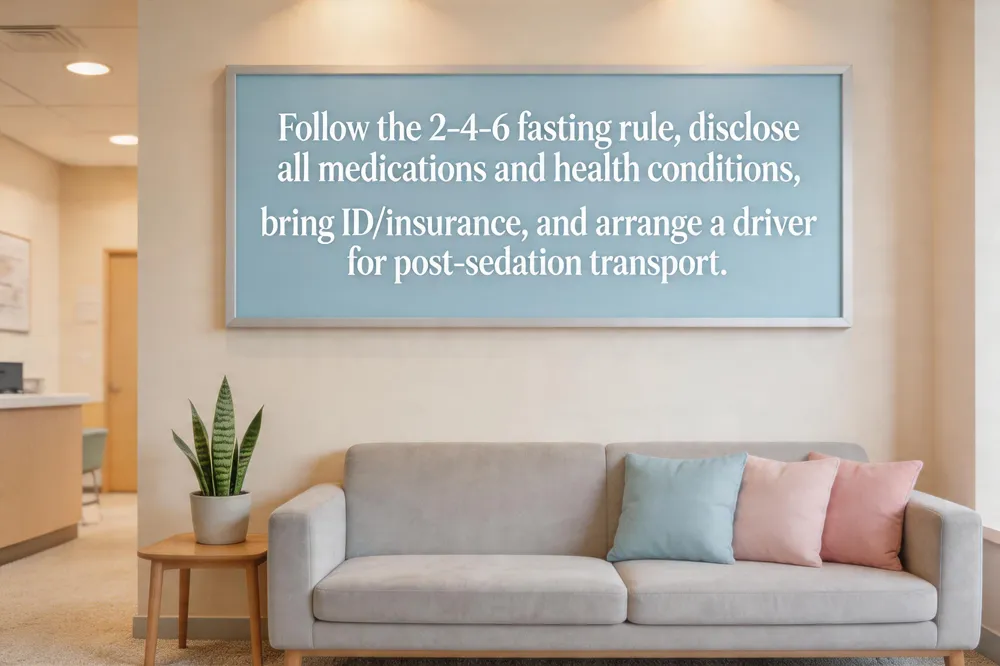 When you schedule a sedation appointment, a little preparation can make the experience smoother and safer.
Fasting guidelines – the 2‑4‑6 rule
The 2‑4‑6 rule is a simple fasting schedule that reduces the risk of aspiration during sedation. Do not eat solid foods for at least six hours before your visit. If you are nursing, avoid breast‑milk for four hours. Clear liquids such as water, clear juice, or tea are allowed up to two hours prior to the appointment. Sticking to these time frames keeps your stomach relatively empty, lowers the chance of nausea or vomiting, and helps the sedation work more predictably.
Pre‑procedure medication and health disclosures
Tell your dental team about every prescription, over‑the‑counter drug, supplement, and any recent medical changes. Certain medicines (e.g., blood thinners, antidepressants) can affect how sedatives work. If you have allergies, asthma, heart or lung conditions, or a history of adverse reactions to anesthesia, disclose this information so the dentist can choose the safest sedation option for you.
What to bring and how to arrange transportation
Bring a photo ID, a list of current medications, and any insurance paperwork. Schedule a responsible adult to drive you home—oral and IV sedatives can cause drowsiness for up to 24 hours, and nitrous oxide while it wears off quickly, still warrants a brief observation period. Having a trusted companion also provides emotional support, which can further reduce anxiety.
Do you still feel pain with oral sedation?
Oral conscious sedation relaxes you and dulls the perception of discomfort, but it does not numb the treatment area. The dentist will still apply a local anesthetic to block pain, so you should feel only mild pressure or movement. The combination of sedation and local anesthesia provides a comfortable, anxiety‑free experience while ensuring true pain control.
Post‑Sedation Care and Finding a Local Provider
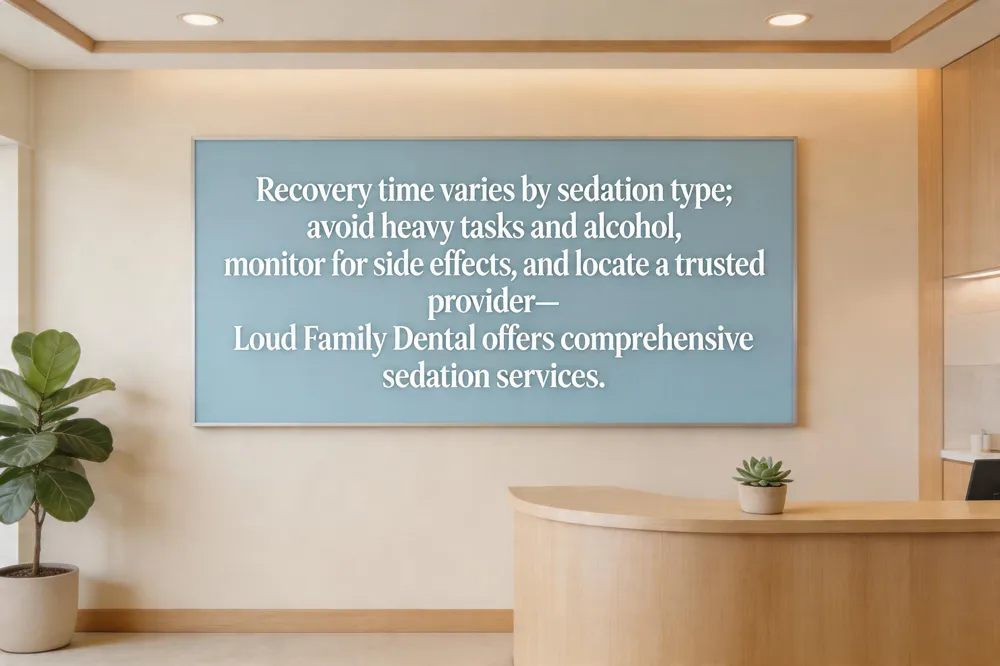 Recovery varies by the type of sedation you receive. Nitrous oxide wears off within 15‑30 minutes, so you can usually drive home right away, though you may feel a brief light‑headedness or dry mouth. Oral sedatives (e.g., diazepam or temazepam) take 30‑60 minutes to wear off and can leave you drowsy, nauseous, or with a mild headache for up to 24 hours; a responsible adult must drive you home. IV moderate sedation provides deeper relaxation, often leaving patients with limited memory of the visit and a lingering sense of grogginess, drowsiness 24 hours; again, transportation is required. General anesthesia reserved for extensive surgery, demands a full recovery period and post‑procedure monitoring before you can resume normal activities.
After any sedation, avoid operating heavy machinery, making important decisions, or consuming alcohol until you feel fully alert. Schedule a follow‑up call if you experience persistent nausea, vomiting, or unusual pain.
To locate a trusted sedation provider, search for “Sedation dentistry near me.” Loud Family Dental in Shreveport, Louisiana offers nitrous oxide, oral sedation, and IV sedation administered by a certified team. Call the office to arrange a pre‑procedure consultation, discuss your medical history, and set up a convenient appointment for an anxiety‑free dental experience.
Your Path to a Fear‑Free Smile
Sedation dentistry offers a safe, dentist‑approved way to turn anxiety into calm, allowing you to receive the preventive and restorative care you need without fear. Options such as nitrous oxide, oral sedatives, and IV moderate sedation provide rapid onset, quick recovery, and the ability to stay awake and respond while feeling relaxed. Your dental team will review your medical history, discuss the level of sedation that best matches your anxiety and the planned procedure, and monitor you closely throughout the visit. We encourage you to bring up any concerns or preferences at your next appointment so we can tailor a comfortable plan just for you. To learn more or schedule a personalized consultation, call Loud Family Dental at (318) 555‑1234 or visit our website at www.loudfamilydental.com. Let’s work together for a healthier, anxiety‑free smile.