Why Immediate Care Matters
Sudden tooth pain often spikes after eating sweet, hot, or cold foods, or when food particles become trapped between teeth. The most common culprits are untreated cavities, cracked or broken teeth, gum infections, and abscesses. While you arrange a dental appointment, brief home measures—warm salt‑water rinses, a cold compress, and OTC pain relievers such as ibuprofen or acetaminophen—can lower inflammation and numb the area, making daily activities tolerable. Acting quickly also limits bacterial growth and reduces swelling, which helps prevent a minor irritation from developing into a severe infection, a cracked tooth, or a painful abscess that may require more extensive treatment. Early self‑care therefore eases discomfort and buys valuable time for the dentist to diagnose and treat the underlying cause. Prompt attention also lowers the chance of complications later.
Immediate First‑Aid Measures for a Sudden Toothache
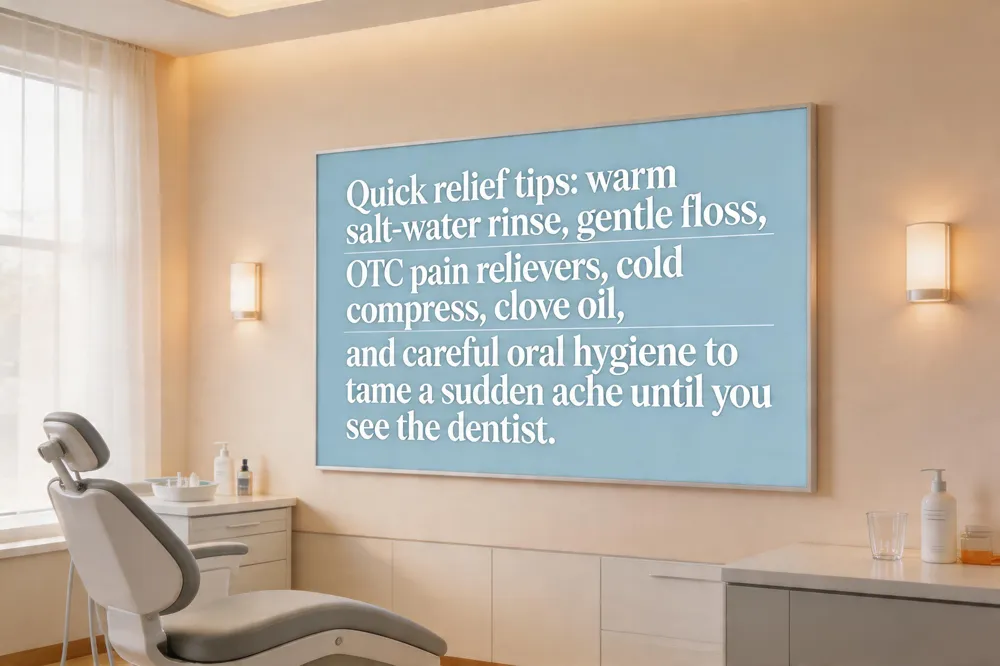 A quick‑acting plan can keep a sudden toothache from ruining your day while you arrange a dental visit.
Warm salt‑water rinse & gentle flossing – Swish ½ tsp salt in 8 oz warm water for 30 seconds a few times daily. This reduces inflammation, clears debris and loosens trapped food. Follow with soft floss around the painful tooth to remove any remaining particles without irritating the gums.
Over‑the‑counter pain relievers – Ibuprofen 200‑400 mg or acetaminophen 500‑1000 mg every 6‑8 hours (as directed on the label) eases pain and swelling. Do not place tablets directly on the gums.
Cold compress – Wrap an ice pack or frozen peas in a cloth and apply to the cheek for 15‑20 minutes, then pause for 20 minutes. The cold constricts blood vessels, numbing the area and limiting swelling.
Clove oil or benzocaine gels – A drop of clove oil (eugenol) on a cotton swab, or a thin layer of 5 % benzocaine gel, provides short‑term numbing. Use sparingly and avoid in children under 2 years.
Gentle oral hygiene – Brush with a soft‑bristled toothbrush, avoid the painful side, and steer clear of very hot, cold, sugary, or acidic foods. Soft, lukewarm foods and plenty of water keep irritation low.
What to avoid – No aspirin on the gums, no large‑dose home remedies, and no ignoring of worsening pain, fever, swelling, or a foul taste—these signs demand prompt professional care.
Night‑time tip – Elevate your head with an extra pillow to reduce blood flow to the sore tooth, then repeat the salt‑water rinse and cold compress before sleeping.
Understanding Dental Pain Management Rules
 What is the rule of 7 in dentistry?
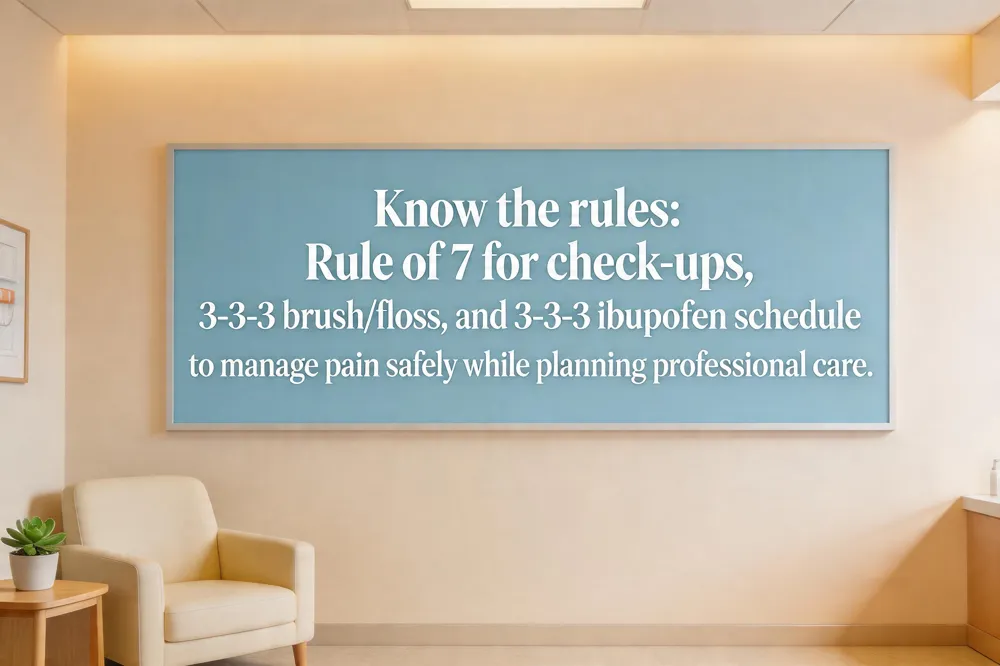
The Rule of 7 marks key dental milestones at ages 1, 7, 14, and 21. By age 1, children should have a first dental visit; at 7, the first permanent molars erupt and an early orthodontic assessment is useful; by 14 most permanent teeth are present and wisdom‑tooth development begins; and by 21 patients transition to adult oral‑care routines. Remembering these ages helps schedule timely check‑ups and catch problems early.
What is the 3‑3‑3 rule for teeth?
Brush three times daily—after breakfast, lunch, and before bed—each for three minutes using a soft‑bristled brush. After brushing, avoid immediate rinsing so fluoride stays on the teeth. Replace the brush or electric head every three months. This routine controls plaque, protects enamel, and supports gum health.
What is the 3‑3‑3 rule for toothache?
Take three 200 mg ibuprofen tablets (600 mg total) three times a day, roughly every eight hours, for no more than three consecutive days while arranging a dental appointment. If pain persists or worsens after three days, see a dentist promptly.
Ibuprofen for toothache
For most adults, 400 mg (two 200 mg tablets) every 6–8 hours is effective, not exceeding 3,200 mg in 24 hours. Combine with acetaminophen (500 mg) for stronger relief if needed, but always follow label directions and consult a dentist if you have health concerns.
Strongest toothache medicine
Prescription‑strength NSAIDs (e.g., naproxen 500 mg BID) or a short course of oral corticosteroids are used for severe pain. Opioid analgesics such as tramadol may be prescribed for intense, unresponsive pain, but only under close dental supervision. Antibiotics are added if an infection is present. None replace definitive dental treatment.
When Tooth Pain Becomes an Emergency
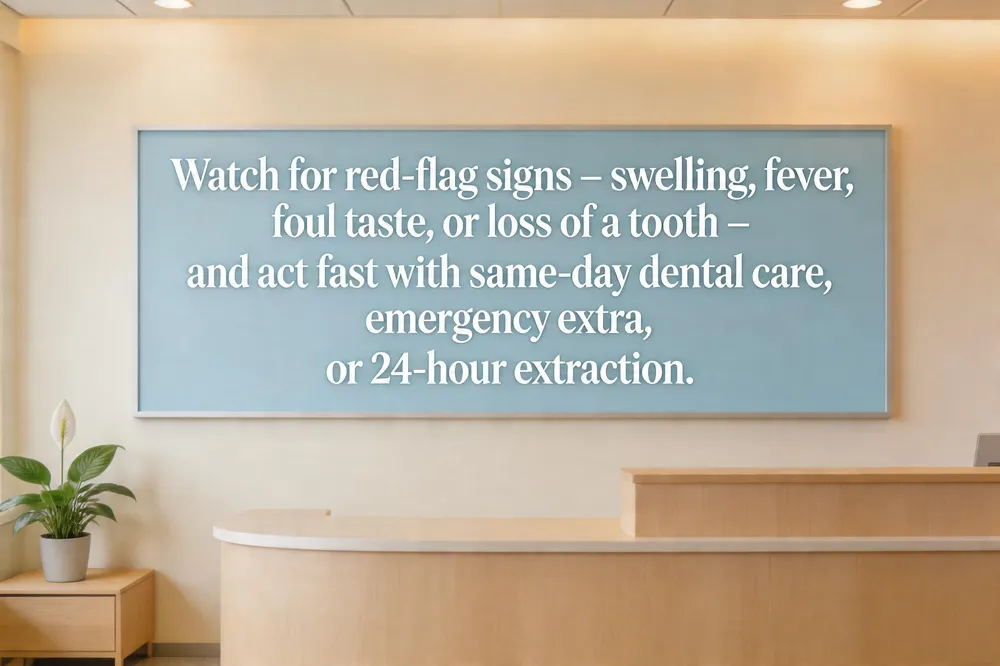 A toothache that lasts more than a day, worsens, or is accompanied by swelling, fever, foul taste, or difficulty swallowing signals a dental emergency. In Shreveport, Loud Family Dental offers same‑day care for severe pain, knocked‑out or cracked teeth, bleeding gums, and sudden swelling. Call (318) 123‑4567 or visit the North Main Street office for immediate, compassionate treatment.
Dental emergency near me – Call Loud Family Dental right away for a same‑day appointment; we accept walk‑ins, weekend calls, and 24‑hour extraction requests.
Dental emergency walk‑in – Walk‑ins are welcomed during regular hours; bring any tooth fragments and keep a knocked‑out tooth moist in milk or saline.
No insurance – Seek care promptly; many clinics offer flat‑fee or sliding‑scale options, and you can use CareCredit, payment plans, or emergency Medicaid.
Weekend emergency – Use our after‑hours line for guidance, apply ice and OTC ibuprofen, and head to the nearest urgent‑care dental clinic or our weekend office for same‑day treatment.
Dental emergency examples – Unrelenting toothache, broken or knocked‑out teeth, uncontrolled bleeding, facial/jaw swelling, fever, pus, or lost restorations require urgent attention.
24‑hour emergency extraction – Call our 24‑hour line; we can arrange an immediate extraction or refer you to an oral surgeon, ensuring pain relief without waiting for a routine appointment.
Targeted Home Remedies for Specific Tooth Issues
Hole in tooth pain relief
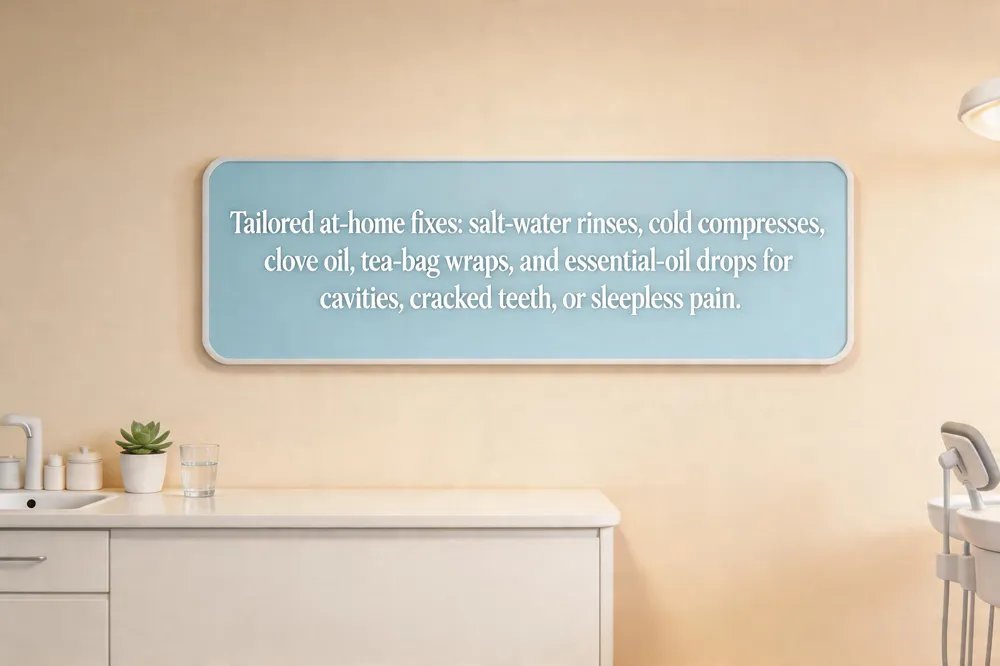
Rinse with warm salt water (½ tsp in 8 oz) to clean and reduce inflammation. Apply a cold compress to the cheek for 10‑minute intervals to numb and limit swelling. Take ibuprofen 200‑400 mg every 6‑8 h as directed. Dab clove oil (eugenol) on a cotton swab and place it on the sore tooth for temporary numbing quickly.
Hole in tooth pain home remedy
A cold compress for 10 minutes each hour, salt‑water rinse, and a tea‑bag compress (black or peppermint, cooled 15‑20 min) soothe the area. Mix drops of thyme essential oil or vanilla extract on a cotton swab for analgesic effect. Use any pain relievers as needed.
Extreme tooth pain can’t sleep
Elevate your head with pillows, rinse with salt water, and apply a compress. Take ibuprofen or acetaminophen as directed. A dab of clove oil or a cooled tea‑bag can provide relief. Avoid hot, sugary foods and brush gently.
Unbearable tooth pain – what to do at home?
Cold compress 10‑15 min hourly, warm salt‑water rinse, ibuprofen, and a dab of clove oil or tea‑bag compress. Seek professional care if pain persists >24 h or if swelling, fever, or foul taste develop.
Sudden toothache and jaw pain
Salt‑water rinse, compress, ibuprofen reduce inflammation. Watch for fever, facial swelling, or pus; signs need urgent evaluation. Root‑canal therapy eliminates nerve pain.
Preventive Oral‑Health Habits to Reduce Future Toothaches
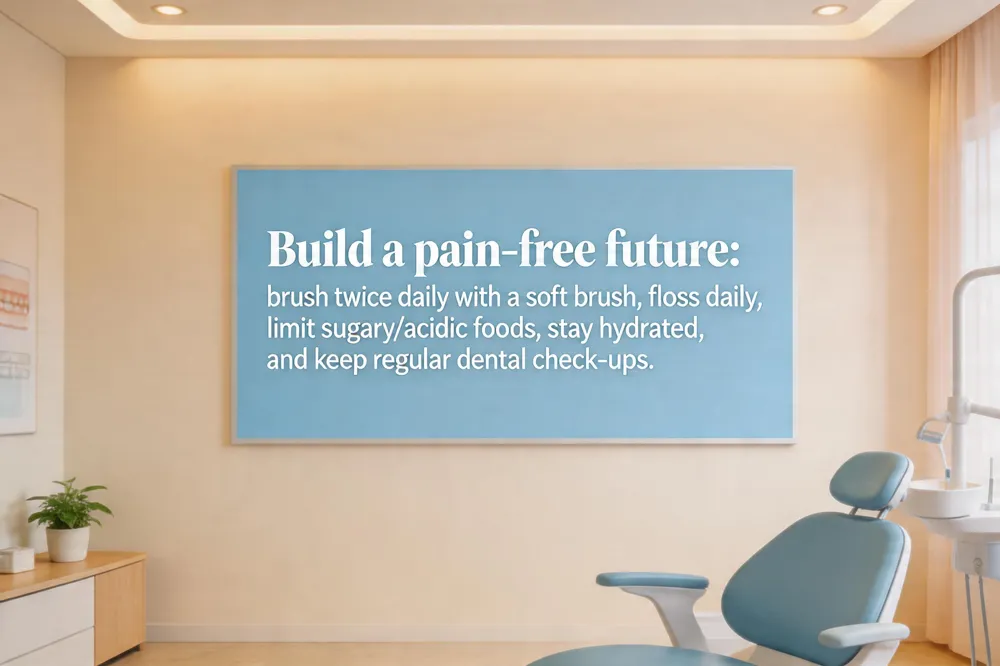 Good daily oral care is the cornerstone of preventing the painful toothaches that often lead to emergency visits. Brush twice a day with a soft‑bristled toothbrush using gentle, circular motions; this removes plaque without irritating gums or worn enamel. Follow with daily flossing—slide the floss carefully between teeth and curve it around each tooth’s side to dislodge food particles that can trigger decay or gum infection.
Diet also plays a big role: limit sugary, acidic, and very hot or cold foods and drinks, and choose calcium‑rich, fluoride‑enhanced items that strengthen enamel. Drinking plenty of water helps wash away food debris and neutralize acids.
Schedule regular dental check‑ups at least twice a year; professional cleanings and X‑rays catch early cavities, cracked teeth, or emerging infections before they become painful.
Finally, remember the Rule of 7 and the 3‑3‑3 guideline: brush for 2 minutes, floss for 3 minutes, and replace your toothbrush every 3 months (or sooner if bristles fray). Consistently applying these habits reduces the likelihood of future toothaches and keeps your smile healthy.
Take Action Now—Don’t Let Tooth Pain Linger
Start by calming the pain with measures while you arrange a dentist visit. Rinse the area with warm salt water (½ tsp salt in 8 oz warm water) several times a day to reduce inflammation. Apply a cold compress to the cheek for 15‑20 minutes, three times daily, to numb and reduce swelling. Take an over‑the‑counter NSAID such as ibuprofen (200‑400 mg every 6‑8 hours) or acetaminophen (500‑1000 mg) for pain relief, following label directions. Flossing and a toothbrush can remove trapped food without further irritation. These steps are interim; if pain lasts more than a day, worsens, or is accompanied by fever, swelling, or a foul taste, see a dentist promptly. Loud Family Dental in Shreveport provides appointments and treatment to resolve cavities, abscesses, or cracked teeth, helping you comfortably return to a pain‑free smile.