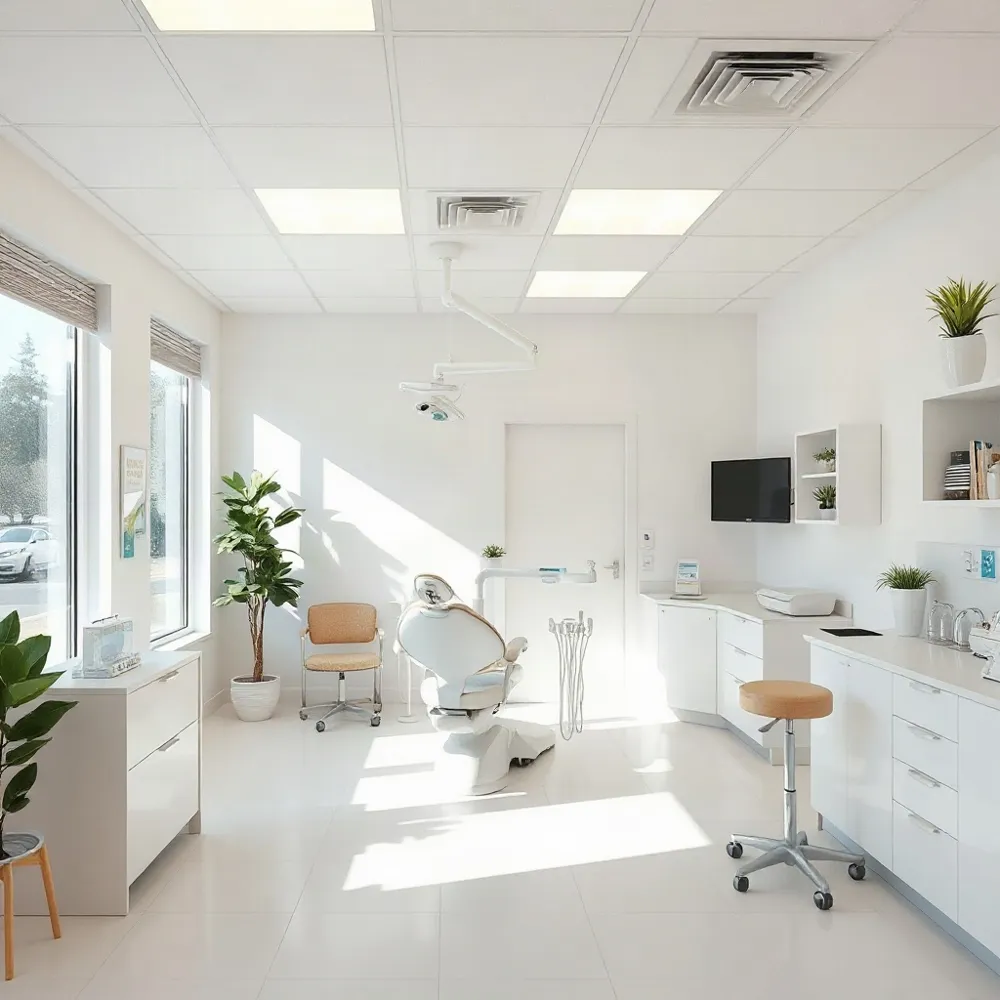
Introduction to Personalized Dental Care and Its Impact on Trust
Overview of personalized dental care
Personalized dental care customizes treatment by considering each patient’s unique health history, lifestyle, and dental concerns. This approach moves beyond generic treatments to create individualized plans that enhance the effectiveness of care and promote better long-term oral health.
Importance of understanding unique patient needs
Recognizing factors such as genetics, medical conditions, age, stress levels, and personal preferences allows dentists to tailor their strategies effectively. This understanding supports targeted interventions, proactive prevention, and patient education designed to improve comfort and outcomes.
Connection between personalization, trust, and patient confidence
When patients feel their distinct needs are acknowledged and addressed, trust in the dental professional grows. This trust reduces anxiety and builds a strong partnership, empowering patients to engage actively in their care. Enhanced communication and transparent treatment decisions foster confidence, encouraging patients to maintain regular visits and embrace preventive measures for lifetime oral health.
Enhancing Communication to Foster Trust and Patient Comfort
What strategies improve communication between dentists and patients?
Effective communication in dental care hinges on adopting a patient-centered care in dentistry approach. Dentists can improve communication by thoroughly understanding each patient's unique patient needs and involving them actively in treatment decisions. Using clear, simple language free from jargon helps patients grasp their oral health status and treatment options easily.
Employing positive body language, such as maintaining eye contact, nodding, and using open gestures, builds patient-dentist relationships and trust. Dentists should encourage patients to ask questions and express concerns, allowing ample time for discussion. Incorporating visual aids—like models or digital imaging in dentistry—supports clearer explanations.
Moreover, integrating modern tools such as messaging apps can streamline communication beyond the office, providing convenient follow-up and reminders. This continuous engagement reduces reducing dental anxiety, fosters adherence to care plans, and enhances overall patient satisfaction in dentistry.
What role does non-verbal communication play in dentistry?
Nonverbal communication in dentistry is vital in dentistry for conveying empathy and understanding when patients may be anxious or hesitant to share feelings verbally. Facial expressions, body posture, and eye contact allow practitioners to gauge patients’ comfort levels and emotional states, enabling tailored responses.
Given the mask-wearing protocols, dentists rely heavily on tone, gestures, and eye expressions to assure patients. Non-verbal cues help bridge language or cultural gaps and ease fears, creating a calming environment.
Together with verbal communication, effective non-verbal signals enhance trust, encourage openness, and contribute to positive dental experiences, leading to better treatment compliance.
The role of patience and visual aids in consultations
Patience during patient consultations is crucial. Allowing patients to absorb information at their own pace without feeling rushed fosters confidence and openness.
Visual aids simplify complex dental concepts and treatments, making them more understandable. Tools such as diagrams, digital scans, or models empower patients, improve recall of information, and assist in shared decision-making in dental treatment.
Empathy and active listening to reduce anxiety
Empathetic listening reassures patients that their concerns are heard and understood, alleviating reducing dental anxiety. Dentists who validate feelings and respond compassionately promote a trusting relationship, encouraging regular visits and better oral health outcomes.
Non-verbal communication importance
Non-verbal signals supplement spoken words and play a fundamental role in building rapport. Positive gestures, a calm tone, and attentive posture communicate care and professionalism, enhancing the patient's comfort and trust throughout their dental visit.
Building Trust: The Foundation of Effective Dental Care
Why is trust important in dentistry?
Trust forms the cornerstone of a successful dentist-patient relationship. It enables patient-centered care in dentistry, where treatments are tailored to the unique dental needs and circumstances of each patient. When patients trust their dentist, it enhances patient satisfaction in dentistry, reduces reducing dental anxiety, and significantly improves compliance with patient-centered dental treatment.
The impact of trust on patient satisfaction and compliance
Patients who feel confident in their dentist's competence and compassion are more likely to engage actively in their oral health. This engagement leads to regular visits, adherence to preventive practices, and timely acceptance of necessary treatments. High trust correlates with better oral health outcomes and greater patient satisfaction.
Communication and empathy: keys to building trust
Effective building trust and loyalty in dentistry, including clear explanations using using simple language and visual aids in dental consultations, reduces patient fear and confusion. Empathy in dental patient relationships, demonstrated through attentive listening and compassionate interactions, fosters a comfortable environment where patients feel valued and understood. This supportive atmosphere nurtures trust and encourages open dialogue.
Trust as a motivator for treatment acceptance
Trust motivates patients to agree to recommended treatments confidently. When dentists demonstrate honesty, fairness, and responsiveness to patient concerns, it cultivates a sense of security. Patients are more likely to accept complex or ongoing treatments when they believe their best interests are prioritized (Patient trust influencing treatment decisions).
Overall, dental professionals who prioritize building and maintaining trust through empathetic communication and patient-centered dental care foster better oral health outcomes, improved patient loyalty, and enhanced satisfaction.
| Aspect | Role in Trust Building | Effect on Patient Experience |
|---|---|---|
| Communication | Clear, jargon-free explanations; visual aids (Effective oral health communication) | Reduces anxiety; improves understanding |
| Empathy | Active listening; compassionate demeanor (Empathy in dental patient relationships | Increases patient comfort and openness |
| Treatment Planning | Collaborative decisions; respect for preferences (Collaborative treatment planning) | Enhances compliance and satisfaction |
| Professional Competence | Demonstrated skills; honesty (Quality dental care | Builds confidence and acceptance |
Addressing Dental Anxiety with Personalized Care and Sedation
How dental anxiety affects patient engagement
Dental anxiety is a common barrier that often prevents patients from seeking regular dental care, leading to delayed treatments and worsened oral health outcomes. Fear can cause patients to avoid visits, reducing their chances to benefit from preventive and restorative services.
Personalized communication strategies to ease fears
Dentists utilize personalized communication by listening carefully to patients’ concerns, explaining procedures in simple terms, and using visual aids like diagrams and videos. This approach fosters patient-dentist relationships and helps patients feel understood and valued, thereby reducing dental anxiety.
Use of sedation dentistry for anxious patients
In cases of extreme dental anxiety, sedation dentistry benefits are employed to relax patients during procedures. This form of sedation keeps patients conscious but less aware of discomfort, allowing treatment to proceed comfortably. Sedation is safe when administered correctly and its effects typically wear off within hours.
Benefits of empathetic care in reducing anxiety
Empathetic dental care, characterized by compassion, patience, and active listening, further alleviates patient fears. Dentists who show genuine understanding create a calm environment, encouraging patients to communicate openly and adhere better to treatment plans.
Together, personalized communication, empathetic care, and sedation dentistry form a comprehensive strategy to effectively manage dental anxiety, enhancing patient comfort and engagement with oral health care.
The Role of Technology and Collaboration in Personalized Dental Care
Use of advanced diagnostics and digital imaging
Modern personalized dental care heavily relies on advanced diagnostic tools such as Cone Beam Computed Tomography (CBCT) and high-resolution digital imaging. These technologies enable dentists to obtain precise 3D visuals of oral anatomy, facilitating accurate diagnoses and tailored treatment strategies. Digital imaging enhances comfort and streamlines procedures by minimizing guesswork and reducing appointment times.
Collaborative treatment planning based on patient preferences
Personalized dental plans are created through an open, collaborative treatment planning between the dentist and patient. This approach respects individual health histories, lifestyle, and dental goals. Dentists ensure tailored treatment plans align with patients' preferences and values, involving them in decisions and allowing for adjustments that reflect both clinical needs and personal considerations.
Tele-dentistry for convenience and ongoing care
Tele-dentistry services have become a valuable tool in personalized dental care, offering remote consultations and follow-ups. This technology increases patient convenience, especially for those with mobility challenges or busy schedules. Through virtual visits, dentists can monitor progress, provide timely advice, and adjust treatment plans without requiring in-office appointments.
Technology's role in accuracy and comfort
Beyond diagnostics, technologies such as CAD/CAM dental appliances produce customized dental appliances that fit precisely, improving both aesthetics and function. Digital scanning and imaging technologies reduce patient discomfort compared to traditional methods, promoting a more pleasant dental experience. Collectively, these innovations support more efficient, comfortable, and tailored dental care.
Long-term Benefits of Personalized Dental Care for Patients and Practices
Improved oral health outcomes and prevention
Personalized dental care focuses on individual patient needs, considering genetic factors in dental care, lifestyle, medical history, and oral health challenges. This targeted approach promotes early oral health issue detection. Patients benefit from customized preventive strategies using treatments like fluoride treatments for cavities and tailored dental recall schedules, which help maintain long-term oral health and reduce complications.
Enhanced patient satisfaction and loyalty
Patients who receive care tailored to their unique concerns and preferences report higher satisfaction and trust in their dental providers. Personalized communication fosters a strong patient-dentist relationship, decreases reducing dental anxiety, and empowers patients to engage actively in their oral health. This leads to increased compliance with preventive visits and treatments and builds lasting loyalty, supporting continuity of dental care.
Cost savings from early detection and tailored care
By addressing oral health risks early and customizing treatment plans, personalized dental care can prevent costly complications. Preventive care focused on individual risk factors can reduce the need for extensive procedures later, thereby saving patients substantial costs over time. Studies show that every dollar spent on prevention may save over fifty dollars in future dental treatments.
Increased confidence and quality of life through personalized treatments
Beyond health, personalized dental care improves aesthetics and comfort, which boosts patients' self-esteem and social confidence. Treatments like dental implants, veneers, or whitening customized to patient needs can enhance appearance and function. This holistic oral health management approach contributes positively to mental well-being and professional opportunities, improving overall quality of life.