Introduction to Dental Anxiety and Overcoming Fear
What Is Dental Anxiety?
Dental anxiety is a common issue in the United States, affecting about 15 to 20 percent of adults, with some studies suggesting even higher percentages when including mild fear. It describes feelings of stress, worry, or extreme fear related to dental visits.
Causes and Symptoms
Many people fear dental visits due to past painful experiences, fear of needles, or discomfort from sounds like drilling and suction. Symptoms can range from mild unease to intense reactions such as sweating, rapid heartbeat, panic, or even fainting.
Why Overcoming Dental Anxiety Matters
Avoiding the dentist because of anxiety can lead to worse oral health over time, including untreated cavities, gum disease, and tooth loss. Regular dental care helps prevent these problems and promotes overall wellbeing. Overcoming this fear is vital to maintaining a healthy smile and avoiding complex treatments.
Comprehensive Care at Community-Oriented Dental Clinics
What comprehensive dental services does a community-oriented dental clinic typically offer?
Community-oriented dental clinics provide a broad spectrum of dental services tailored to serve patients across all age groups effectively. These services include:
- Preventive care: routine cleanings, dental exams, fluoride treatments, and patient education focused on maintaining oral health.
- Restorative treatments: fillings, crowns, bridges, and tooth extractions to restore dental function and health.
- Cosmetic dentistry: treatments like teeth whitening and veneers aimed at enhancing the appearance of the smile.
- Orthodontic care: braces and clear aligners to correct bite and teeth alignment issues.
- Pediatric dentistry: specialized care targeted at children’s unique dental needs.
- Periodontal services: management and treatment of gum disease.
- Emergency dental care: prompt attention for urgent dental problems.
Many community-oriented dental clinics also integrate holistic health services including pathology and STD testing, along with pharmacy and laboratory facilities, fostering a comprehensive approach to healthcare.
How do community clinics improve oral health access and education?
These clinics act as vital access points for dental care within local populations, often serving underserved or vulnerable groups. By combining education with care, they empower patients with knowledge about oral hygiene practices and preventive measures. Their community focus helps reduce barriers such as cost, transportation, and fear, encouraging regular dental visits and early intervention to prevent severe dental issues. For more on Dental anxiety in the United States and the Consequences of avoiding dental visits, visit this resource.
How do community clinics support patients with dental anxiety?
Acknowledging that dental anxiety affects a significant portion of the population, community-oriented clinics use various strategies to create a soothing environment. These include ample patient communication, personalized care plans, and amenities like Aromatherapy and Entertainment for Dental Anxiety during visits. Clinics widely offer Sedation Services for Anxiety Management ranging from Laughing Gas Sedation to intravenous sedation, enabling patients with severe anxiety to undergo treatment comfortably and with less stress. Staff are trained to recognize and address fears with empathy, fostering trust and helping patients feel safe and supported throughout their dental care journey. For detailed techniques on Managing Dental Anxiety and Calming Environments in US Dental Clinics, please see the linked resources.
Creating Comfort and Professional Care for All Ages
How Does a Dental Clinic Ensure Comfort and Professional Care for Patients of All Ages?
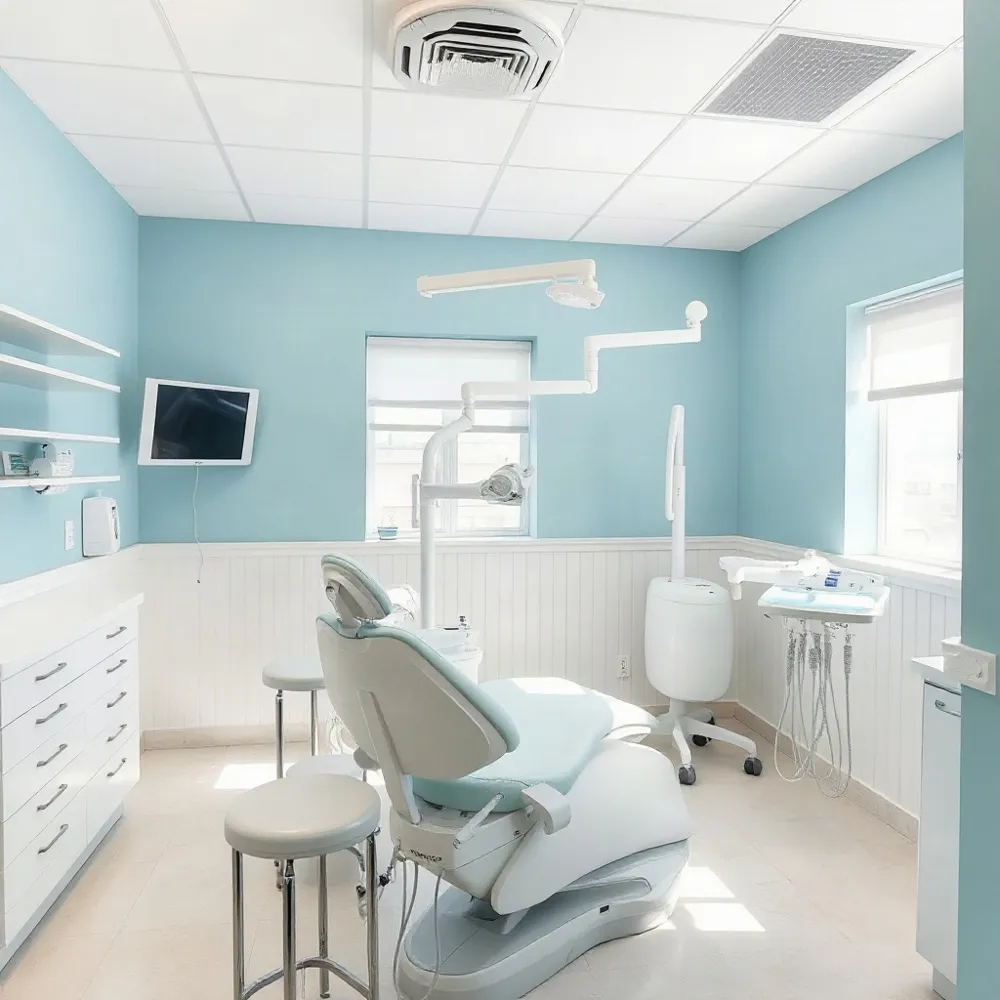
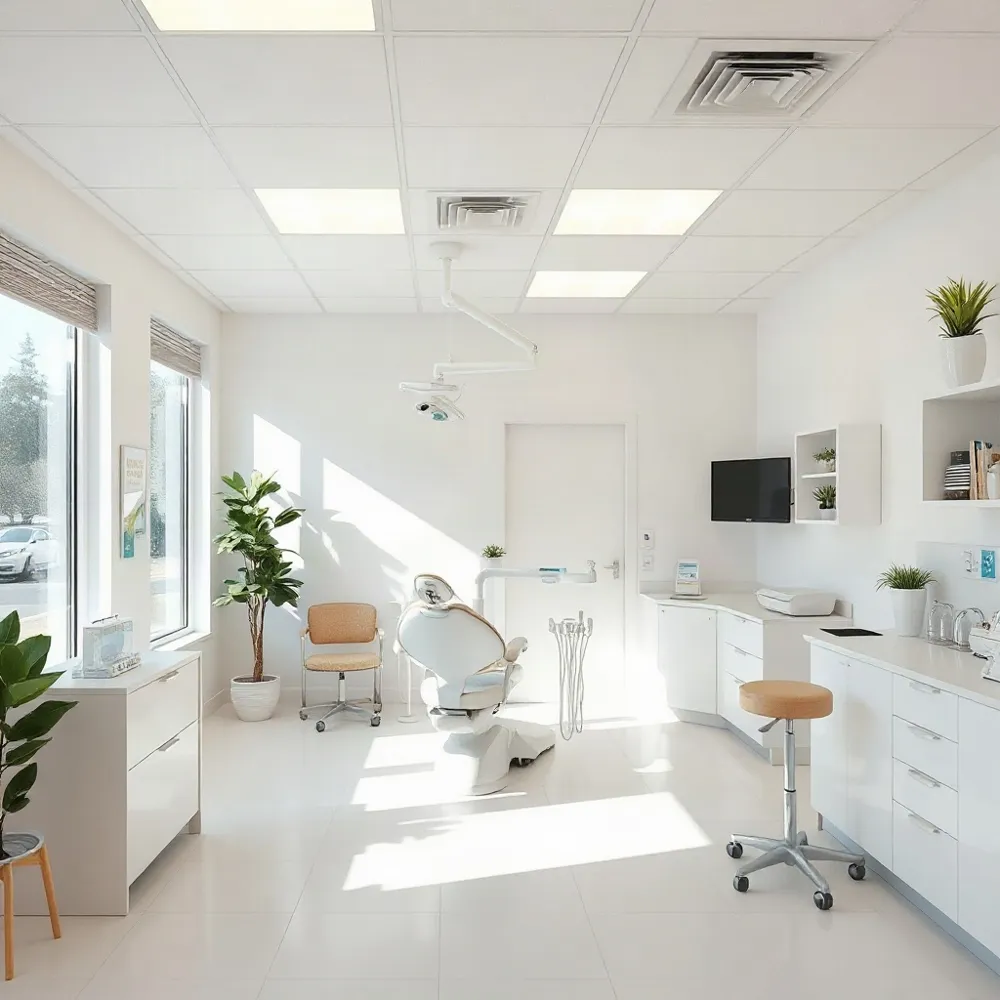
Dental clinics focus on creating a welcoming, calming atmosphere to ease anxiety for patients at every stage of life. This nurturing environment often includes soothing elements like Aromatherapy and Entertainment for Dental Anxiety, cozy blankets, neck cushions, and personalized entertainment such as TVs and music. Compassionate, highly trained staff carefully listen to patient concerns and manage fears through open communication, which builds trust and helps patients feel supported (Open Communication with Dentists).
Modern dentistry incorporates Minimally Invasive Dentistry and Veneers, which reduce discomfort and speed recovery. For example, the use of Numbing Gels for Pain-Free Injections, body temperature anesthetics, and minimal drilling helps make procedures less stressful. Advanced technology like digital impressions and laser dentistry also contribute to a more comfortable experience (Modern Dental Technology to Reduce Discomfort).
Many clinics offer Sedation Services for Anxiety Management. These include Laughing Gas Sedation, oral sedation, intravenous (IV) sedation, and general anesthesia to help patients stay relaxed or even sleep during treatments. Such sedation is especially helpful for those with strong gag reflexes, childhood trauma, or fear of needles (Sedation Services for Anxiety Management).
Personalized treatment plans created collaboratively with patients empower them to make informed decisions and feel in control. Dentists take time to thoroughly explain procedures and encourage patients to share their fears (Communicating Dental Fears. This patient-centered approach fosters confidence and reduces anxiety, making routine dental visits a positive, stress-free experience (Overcoming Dental Anxiety).
By combining a caring team, modern technology, sedation options, and individualized care, dental clinics ensure professional, comfortable care that meets the needs of children, adults, and seniors alike (Personalized Dental Care and Support.
Patient Stories: Real Experiences in Overcoming Dental Anxiety
Individual accounts of overcoming fear through sedation and empathetic care
Many patients in the United States have shared their personal journeys of Overcoming dental anxiety with the help of sedation and compassionate dental teams. For instance, Andrew Wendt from Wisconsin overcame childhood trauma and longstanding avoidance of dental visits by utilizing Sedation Dentistry Options. IV sedation has also allowed patients like Gary from Louisiana to undergo complex procedures, including multiple extractions, without pain or distress. These stories highlight how Advanced Anesthesia Techniques in Dentistry play a crucial role in enabling comfortable dental care.
Examples from U.S. patients illustrating benefits of nitrous oxide, IV sedation, and personalized support
Nitrous oxide for dental relaxation, commonly known as laughing gas, is a popular option across U.S. dental clinics to help patients like Lucy relax during treatment. Others benefit from Intravenous sedation for dental anxiety, which induces a deeper calm while maintaining patient safety. Clinics such as Dental Associates in Wisconsin and Loud Family Dental in Louisiana prioritize personalized support—offering procedure explanations, creating calming atmospheres, and using sedation tailored to individual needs.
How supportive dental environments transform patient attitudes
Many dental practices focus on creating anxiety-reducing environments featuring amenities like cozy blankets, Aromatherapy and Entertainment for Dental Anxiety. These comforts, combined with gentle techniques such as Pain-free dental injections using numbing gels, transform the dental experience. Patients often report feeling empowered and less fearful, increasing their willingness to attend regular appointments and maintain oral health.
Role of open communication in easing dental fear
Open dialogue between patients and dental staff is foundational in easing anxiety. Dentists encourage Open Communication with Dentists — sharing fears and using signals during procedures to ensure patient comfort. Transparent communication builds trust, allowing staff to customize care effectively. This approach reduces fear and fosters a supportive atmosphere where patients can regain confidence and control over their dental health.
Effective Techniques and Psychological Approaches to Manage Dental Anxiety
What Breathing Exercises and Distraction Techniques Help Manage Dental Anxiety?
Breathing exercises, such as the 3-4-5 breathing technique (inhale for 3 seconds, hold for 4 seconds, exhale for 5 seconds), help activate the parasympathetic nervous system to promote relaxation during dental visits. Distraction methods like listening to music with headphones or watching TV during dental visits divert attention and reduce anxiety, making the experience more comfortable.
How Can Cognitive Behavioral Therapy and Exposure Therapy Assist Patients with Severe Dental Anxiety?
Cognitive Behavioral Therapy (CBT) addresses negative thought patterns related to dental fear by gradually changing responses to anxiety triggers. Exposure therapy, sometimes delivered through videos before appointments, helps desensitize fearful patients by familiarizing them with dental procedures in a controlled way. These psychological approaches are effective tools that dental professionals increasingly recommend alongside traditional care.
What Role Does Sedation Play Alongside Psychological Techniques?
Sedation options, including nitrous oxide (laughing gas), oral sedation, intravenous sedation, and general anesthesia, serve as important adjuncts for patients with severe dental anxiety or phobia. While sedation can ease immediate fears and allow comfortable treatment, combining it with psychological techniques often promotes long-term coping skills and reduces dependence on medication.
Why Is Open Communication Important in Managing Dental Anxiety?
Open dialogue between patient and dental team is crucial. Dentists encourage patients to share fears and use simple signals, like raising a hand, to pause procedures if anxiety escalates. Personalized care plans and clear explanations build trust, helping patients feel empowered and respected, ultimately reducing stress during visits (Managing Dental Anxiety).
| Technique | Description | Benefit |
|---|---|---|
| Breathing Exercises | Controlled breathing (e.g., 3-4-5) | Promotes relaxation |
| Distraction Techniques | Music, TV, stress balls | Diverts attention, reduces fear |
| Cognitive Behavioral Therapy | Restructures fear patterns (CBT) | Long-term anxiety reduction |
| Exposure Therapy | Gradual familiarization via videos or visits (Exposure Therapy) | Desensitizes fear triggers |
| Sedation Options | Nitrous oxide, oral/IV sedation, general anesthesia (Sedation Options | Immediate anxiety relief |
| Open Communication | Sharing fears, using signal systems (Communication | Creates trust and control |
The Benefits of Family Dental Clinics in Anxiety Reduction and Oral Health
What are the benefits of choosing a family dental clinic over specialized dental practices?
Choosing a family dental clinic offers numerous advantages, especially for patients seeking comprehensive care across all ages. These clinics provide care tailored to children, adults, and seniors alike, addressing age-specific concerns such as cavity prevention, teething issues, and oral health maintenance. Having the whole family treated in one location simplifies scheduling and promotes regular visits, helping to prevent dental problems before they escalate.
Long-term relationships built with family dentists enable personalized care continuity because the dentist is familiar with each family member’s dental history and anxiety triggers. This familiarity fosters trust and comfort, which can be especially important for individuals who experience Dental Anxiety and Pain Management. Familiar surroundings and a unified approach reduce stress and encourage consistent dental attendance.
What role does a community-oriented dental clinic play in promoting oral health in its community?
Community-oriented dental clinics play a vital role by expanding access to dental services and promoting preventive care. They often engage in public health education initiatives, such as school-based oral hygiene programs and local awareness campaigns, which help instill healthy habits from a young age.
These clinics also provide welcoming environments tailored to patients with dental fear or complex medical needs by offering amenities, sedation options, and personalized care plans. Supporting patients in overcoming anxiety encourages regular dental visits and early treatment, contributing to better long-term oral health outcomes in the community (Dental anxiety in the United States.
By combining preventive education, accessible care, and patient-focused support, community-based family dental clinics help reduce oral health disparities and improve overall dental wellness.
| Benefit Category | Description | Impact on Patients |
|---|---|---|
| Comprehensive, All-Age Care | Treats children to seniors in one place | Simplifies care, fosters regular visits |
| Continuity and Personalization | Long-term relationships with the same dentist | Builds trust, reduces anxiety (Fear of the Dentist |
| Community Outreach and Education | Programs in schools and local events | Encourages early preventive habits (Managing Dental Anxiety |
| Anxiety Management and Comfort | Sedation and calming amenities offered | Increases access for anxious patients (Sedation Services for Anxiety Management |
| Prevention Focus | Routine check-ups and early interventions | Prevents disease, reduces extensive treatments (Importance of regular dental check-ups |
Conclusion: From Fear to Confidence Through Compassionate Dental Care
Overcoming dental anxiety is achievable through compassionate, patient-centered care that addresses individual fears with understanding and support.
Modern dental clinics across the United States utilize techniques such as gentle anesthesia, sedation options, and calming environments to ensure pain-free and stress-reducing treatments.
Open communication with dental teams and personalized anxiety management strategies help patients regain trust and confidence during dental visits.
By seeking care from supportive dental providers who prioritize comfort and tailored treatment plans, patients can break the cycle of fear and avoidance, leading to better oral health and improved quality of life.
Taking the first step toward overcoming dental fear empowers patients to maintain their smile and enjoy long-lasting oral wellness.