Why Flossing Matters for Your Smile
Brushing reaches only about 60 % of tooth surface; the remaining 40 %—the tight spaces between teeth and right under the gum line—houses plaque that a brush can’t touch. Flossing pulls this hidden plaque and food debris away, stopping it from hardening into tartar and the bacteria that cause cavities, bad breath, and gum disease. When plaque is consistently disrupted, the gum tissue stays healthy, bleeding and swelling subside, and the early stage of gum disease (gingivitis) is unlikely to progress to periodontitis. Making flossing a daily habit—ideally once a day, preferably before bedtime—turns a short, 30‑second routine into a powerful preventive tool. Use about 18 inches of floss, a fresh segment for each tooth, and a gentle C‑shaped motion to glide below the gum line. Consistency, not perfection, is the key to a healthier smile.
Fundamentals of Proper Flossing Technique
 Length of floss and grip – Use about 18 inches (45 cm) of floss. Wrap most around each middle finger, leaving 1–2 inches free. Hold taut between thumb and index finger for control.
C‑shaped motion and gum‑line access – Slide floss gently between teeth, then curve it into a “C” around the tooth’s base. Move up‑and‑down just below gum line to clean sulcus.
Gentle pressure and fresh‑section use – Light pressure only; floss should glide. Use fresh segment for each tooth to avoid re‑introducing bacteria.
What to use for flossing teeth? Loud Family Dental suggests waxed or PTFE‑coated floss, floss picks, or water flosser/interdental brush for braces or implants. Pick what feels comfortably comfortable and clean daily.
Are you supposed to go deep when flossing? Glide just below gum line, not deep into pockets. Gentle C‑shaped motion is enough; forcing can injure gums.
Flossing for beginners – Start with 18 inches, use C‑shape, fresh sections, and try floss picks or water flosser if dexterity limited.
Choosing the Right Floss for Your Needs
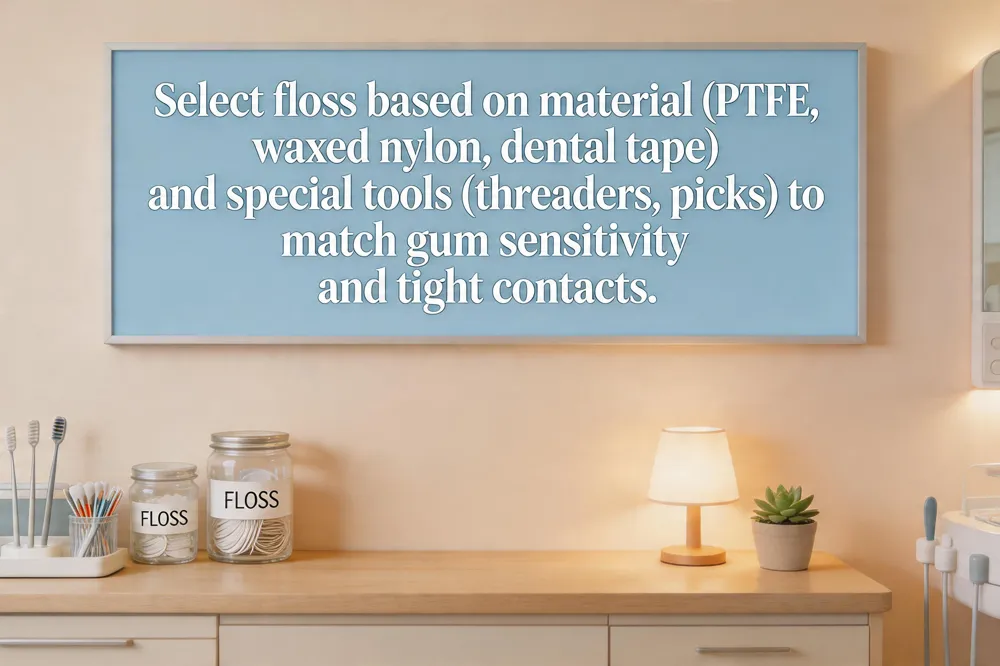 Floss material and coating matter. PTFE (monofilament) flosses glide effortlessly through tight contacts and are gentle on sensitive gums, while waxed nylon offers a slightly thicker strand that can be easier to handle but may shred in crowded spaces. Dental tape or expanding floss provides a broader surface for larger gaps and a softer feel for inflamed tissue.
Specialty tools for tight contacts or appliances include floss threaders, which guide regular floss around braces, bridges, or implants, and interdental brushes for larger openings. Floss picks with ultra‑smooth PTFE strands are convenient for limited dexterity.
Best floss picks for sensitive gums: soft‑tipped, PTFE‑based picks such as Oral‑B Glide with Scope Outlast, Crest Soft‑Picks, or DenTek Comfort Clean Sensitive Gums picks. They glide without pulling and reduce irritation.
Best dental floss for tight teeth: thin PTFE‑coated floss (Glide Pro‑Health, GUM Easy‑Flow) or ultra‑thin unwaxed nylon floss. Expanding dental tape is another option.
Best floss for sensitive gums and tight teeth: soft‑threaded PTFE floss (Oral‑B Glide, GlidePro‑Health) or thin dental tape (Oral‑B Satin Tape) combines a slim profile with a gentle feel.
Dental floss thread: a thin, flexible loop (often nylon, PTFE, or silk) that guides floss through tight spaces around orthodontic hardware, making plaque removal easier.
Flossing’s Impact on Overall Health
 Flossing does more than keep teeth clean; it protects your whole body. By removing plaque and food debris from between teeth, daily flossing prevents gingivitis and the formation of calculus that can progress to periodontitis. Healthy gums limit the amount of bacteria that can enter the bloodstream, lowering the risk of systemic inflammation linked to heart disease, stroke, diabetes, kidney disease, and even certain cancers. Studies associate regular interdental cleaning with longer life expectancy and lower health‑care costs.
Benefits of flossing – Fresh breath, reduced bad‑breath odor caused by volatile sulfur compounds from inflamed gums, and savings on expensive dental treatments.
Can you smell if someone has gingivitis? – The inflammation itself isn’t scented, but the bacterial plaque on swollen gums produces a distinct, sour “peri‑breath” that often smells like rotten eggs or garlic.
Can gum disease kill you? – While gum disease isn’t a direct cause of death, untreated periodontitis raises the risk of life‑threatening conditions such as cardiovascular disease and respiratory infections. Early flossing and professional cleanings keep those risks in check.
Practical Tips for Consistent Flossing
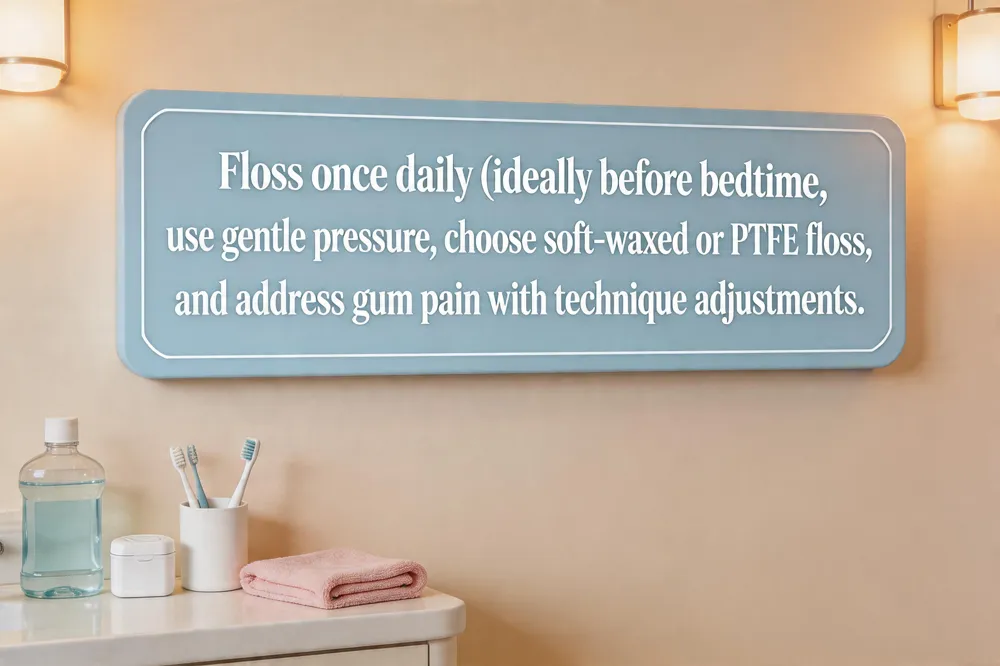 A solid daily routine is the foundation of gum health. Most dentists recommend flossing once a day—ideally before bedtime—so that fluoride from your toothpaste can reach the spaces you’ve just cleaned. Use about 18‑20 inches of floss, wrap most of it around your middle fingers, and work a fresh segment for each tooth.
Why do my gums hurt every time I floss? Gums may ache if you apply too much pressure, snap the floss, or use a rough, un‑waxed strand on sensitive tissue. New or inflamed gum lines can also bleed. Switch to a soft, waxed or PTFE floss, use a gentle sliding motion, and curve the floss into a “C” around each tooth (C‑shaped technique). If pain persists, see your dentist to check for gingivitis or bite issues.
How to floss correctly with a pick Choose a dentist‑approved pick that feels comfortable. Gently slide the thin tip between teeth until it reaches the gum line, then use a gentle C‑shaped motion to move the pick up and down, cleaning both sides of the tooth. Use a fresh pick for each space and rinse afterward.
When to floss Consistency matters more than the exact hour. Floss at least once daily—preferably before you brush at night—to disrupt plaque before it hardens into tartar. A nightly habit keeps plaque levels low and protects against gum disease.
Advanced Strategies and Frequently Asked Questions
 Floss for special populations – Children should begin flossing when two teeth touch, using a child‑sized flosser until age 10‑11. Seniors and those with limited dexterity benefit from floss picks, pre‑threaded flossers, or water flossers, which are easier to handle. Patients with braces, bridges or implants need floss threaders or super‑floss for to reach under appliances.
Common myths and misconceptions – Flossing once daily, preferably before bedtime is enough; rushing or reusing the same section of floss spreads bacteria. Waxed floss does not leave harmful residues, and PTFE floss slides more easily through tight contacts.
How to prevent periodontal disease from getting worse – Brush twice daily with fluoride toothpaste, floss daily, see the dentist twice a year, eat a vitamin‑rich diet, avoid tobacco, and consider an alcohol‑free antimicrobial mouthwash.
How to prevent gum disease in dogs – Brush with dog‑safe toothpaste, give dental chews, schedule yearly veterinary cleanings, and use enzyme‑rich diets.
Can gum disease kill you – Directly no, but untreated disease raises the risk of heart disease, stroke, diabetes complications, and other serious conditions.
Does CoQ10 help with receding gums? – It may reduce inflammation but cannot reverse recession; professional care is still needed.
Best dental floss without PFAS – Silk or plant‑wax‑coated nylon flosses such as Nudge Clean Sustainable Silk, Radius Natural Biodegradable Silk, and TreeBird Pure Silk Eco Floss are PFAS‑free and biodegradable.
Your Path to Healthier Gums Starts Today
Flossing once a day is the single most effective way to remove plaque and food debris from the tight spaces a toothbrush can’t reach. Use about 18 inches of floss, wind most of it around each middle finger, and hold the clean segment taut between thumb and forefinger. Gently slide the floss between each tooth, curve it into a C‑shape around the tooth, and move it up‑and‑down just below the gum line. Use a fresh segment for every tooth, avoid snapping, and be patient—bleeding gums at first are normal and usually subside within a week. Choosing the right floss—waxed for tight contacts, unwaxed for a tactile feel, or a floss pick for limited dexterity—makes the habit easier to keep. By making flossing a nightly habit you protect against cavities, gum disease, and bad breath. Ready to perfect your technique? Schedule a visit at Loud Family Dental, where our team will tailor a flossing plan just for you and keep your smile healthy for life.