Preparing for a Dental Emergency Visit: Key Considerations
Importance of Preparation for Dental Emergencies
Being prepared for a dental emergency can significantly improve outcomes and reduce stress during urgent situations. Dental emergencies can happen unexpectedly, involving knocked-out teeth, severe pain, bleeding, or broken restorations. Having a plan in place ensures swift and effective action.
Advantages of Being Organized and Calm
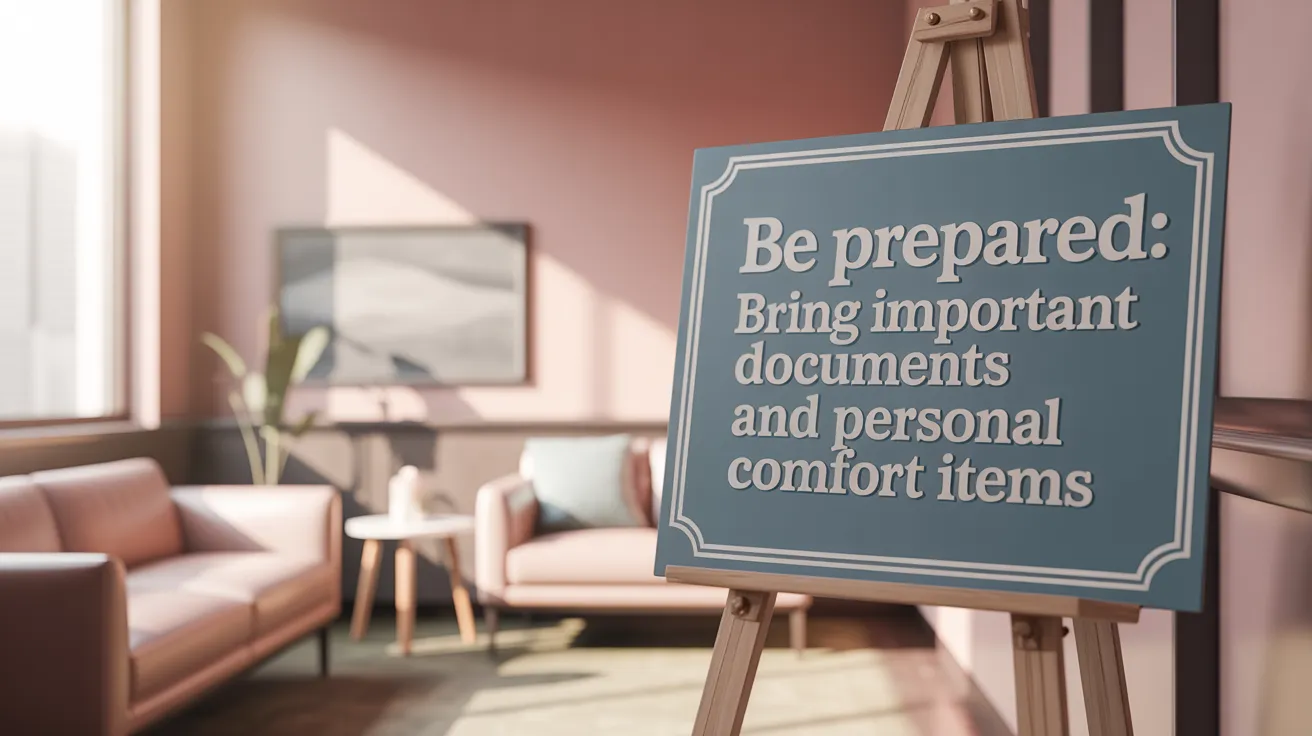
Staying calm allows you to assess the situation without panic. Organizing essential items beforehand, like your photo ID, dental insurance card, medication and allergy information, and emergency contact numbers, saves precious time. Also, bring comfort items such as lip balm or a favorite toy for children to ease anxiety.
Overview of Emergency Dental Situations
Emergency dental scenarios include:
- Knocked-out teeth: Rinse gently and keep moist (in milk or saliva).
- Severe bleeding: Apply sanitized gauze and cold compress.
- Cracked or chipped teeth: Rinse mouth, control bleeding, and minimize chewing.
- Intense or persistent pain and swelling: Use pain relievers and cold compress.
Having a dental emergency kit at home with supplies like gauze, dental floss, gloves, and saltwater solution can help manage initial care until professional treatment is available. Prompt response and professional consultation are key to saving teeth and preventing further complications.
What to Bring to Your Dental Emergency Appointment
What essential documents and items should I bring to an emergency dental visit?
When heading to a Pre-Appointment Checklist for Dental Emergencies, being well-prepared can make a significant difference in your care experience. It's important to bring a photo ID along with your dental insurance card, which will help the office quickly verify your coverage and identity.
Equally important is carrying a detailed list of any medications you are currently taking, as well as any allergies you have. This information ensures that the dental team can safely provide treatment without risking adverse reactions.
Don't forget to have emergency contact information on hand. This allows the dental office to communicate with your designated contacts if needed during urgent situations.
For comfort, especially during stressful visits, consider bringing items that offer reassurance. Children benefit from favorite toys or blankets, while adults might find lip balm and headphones helpful to stay calm and relaxed during their appointment.
Preparing these essentials before your visit helps facilitate smooth, effective care and helps you feel more at ease during a challenging time. For a detailed guide, see our Items to Bring to Your Dental Emergency Appointment.
Immediate First Aid and Preparations Before Your Emergency Dental Visit
How can I manage pain and bleeding before reaching the dentist?
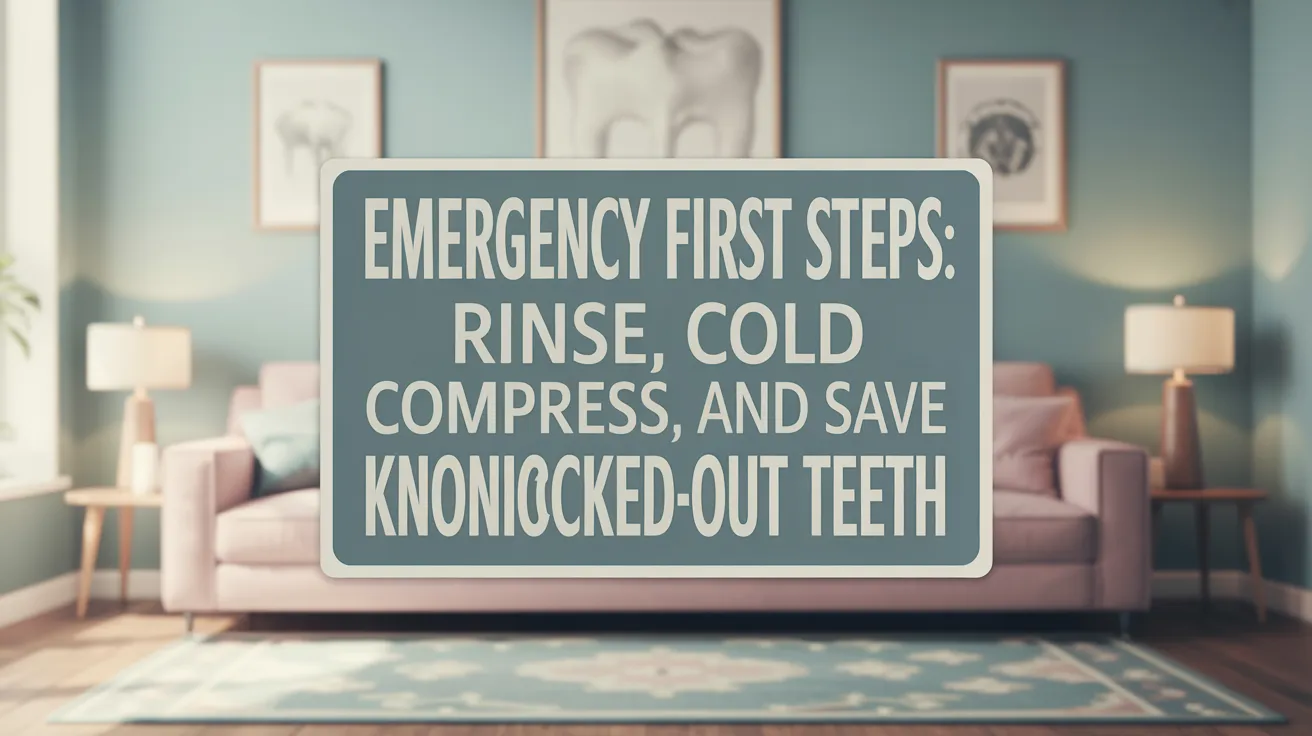
During a dental emergency, managing pain and bleeding promptly can improve comfort and outcomes. Start by rinsing your mouth gently with warm salt water to cleanse the area. Applying a cold compress to the outside of your cheek helps reduce swelling and numbs the pain. Over-the-counter pain relievers like ibuprofen or acetaminophen are effective for controlling discomfort. If bleeding occurs, use sanitized gauze to apply gentle pressure until the bleeding slows or stops. For more details, see Dental Emergency Pain Management and First Aid for Dental Bleeding.
What should I do if a tooth is knocked out?
A knocked-out tooth requires urgent and careful handling to increase the chances of saving it. Always hold the tooth by the crown (the chewing surface) and avoid touching the root. Rinse the tooth gently with water or saline—do not scrub or remove tissue fragments. If possible, try to reinsert the tooth immediately into its socket and hold it in place. If reinsertion is not possible, place the tooth in a container of milk, saline, or saliva to keep it moist. You should see a dentist within one hour for the best chance of successful reimplantation. For guidance, refer to Handling Knocked-Out Teeth, Urgent care for knocked-out teeth, and Knocked-Out Tooth Immediate Care.
Handling bleeding and swelling
To control bleeding from oral injuries, apply firm but gentle pressure with clean gauze or a cloth. For swelling, cold compresses applied to the cheek in 15-minute intervals can significantly reduce inflammation and pain around the affected area. See also Managing Bleeding During Dental Emergencies and Addressing Bleeding and Swelling.
When to avoid eating or drinking before procedures
Depending on the dental injury and planned emergency treatment, you may be advised to avoid eating or drinking beforehand. This is especially important if sedation or anesthesia might be necessary. Always check with your dentist or emergency dental provider about any such restrictions before your visit. For preparation tips, review Pre-Emergency Visit Preparation and Essential Information for Dental Emergencies.
Being prepared with these first-aid measures can help stabilize your condition and make your emergency dental visit more effective and comfortable. For further support and resources, see First aid for dental emergencies and Dental Emergency Procedures in Shreveport.
Preparing Questions and Understanding Your Emergency Dental Care
What questions should I prepare to ask my dentist during an emergency visit?
Patients should prepare to ask about the immediate treatments required, how to prevent future dental emergencies, and instructions for follow-up care. Clarifying these points helps ensure proper healing and reduces the risk of further complications. For more information, see Questions to Ask Your Dentist During an Emergency.
Why is understanding immediate care and future prevention important?
Knowing what immediate care steps to take can reduce pain, prevent infection, and protect the affected tooth or tissues until professional treatment is available. Understanding how to prevent future emergencies also helps maintain long-term oral health and avoids repeated urgent visits. Refer to First aid for dental emergencies for critical guidance.
How do dental clinics provide guidance during emergencies?
Dental clinics in Shreveport and elsewhere offer advice over the phone to calm patients and guide first aid steps before the appointment. Many provide same-day or weekend emergency visits for quick treatment. They also recommend preparing an emergency dental kit and keeping important information like dental insurance and allergy lists handy to speed up care. Check out resources like Emergency Dental Care in Shreveport and Emergency Dentistry in Shreveport, LA for detailed emergency services.
How Local Shreveport Dental Clinics Support Emergency Preparedness
What emergency dental services and accessibility do Shreveport clinics provide?
Several dental clinics in Shreveport, LA, are committed to offering comprehensive Emergency Dental Care in Shreveport, LA to address urgent oral health issues promptly. Clinics such as Shreveport Dental Solutions Clinic, Smile Dental Center Emergency Services, Dr. Chris Mott DDS Emergency Dental Services, and Kerst & Caskey Family Dentistry provide same-day appointments to treat emergencies like knocked-out teeth care, severe toothaches, cracked or broken teeth, gum and jaw swelling, and lost restorations.
Availability of emergency dental services in Shreveport
These clinics ensure patients have quick access to care through extended hours, weekend availability, and after-hours phone monitoring. For example, Smile Dental Center offers weekday and some evening hours, while Shreveport Dental Solutions and Dr. Chris Mott’s office maintain readiness to respond promptly to dental emergencies including weekends.
Same-day appointments and after-hours accessibility
Shreveport clinics emphasize the importance of rapid treatment to prevent complications and save teeth. Their systems facilitate same-day emergency dental services, and patients are encouraged to call their dental provider as soon as an emergency arises. After-hours dental call line help patients receive immediate guidance while waiting for professional care.
Contact information and clinic procedures for emergencies
Residents can reach emergency dental providers using dedicated phone numbers, such as Dental Emergency Contact Number 318-869-2593 for Shreveport Dental Solutions and Call (318) 797-3505 for Dental Emergencies for Smile Dental Center. Procedures include careful Handling Knocked-Out Teeth, temporary pain management strategies, and clear instructions to keep the affected area safe until treatment.
Emphasis on prompt treatment and professional guidance
Local practices prioritize fast diagnosis and intervention, offering specific advice via phone to stabilize patients before their appointment. They stress avoiding delay in cases of severe pain or trauma to maximize treatment success and minimize further oral damage. Their compassionate approach ensures patients receive both urgent care and thorough follow-up support, reinforcing the community’s overall Dental Emergency Procedures in Shreveport.
Building a Dental Emergency Kit and Staying Calm
What should I have in a dental emergency kit and how can I stay calm during an emergency?
Having a well-prepared emergency dental kit essentials is essential for managing unexpected dental issues effectively. Include the following items in your kit:
- Cotton balls
- Dental floss
- Dental mirror
- Disposable gloves
- Salt (for rinsing)
- Cold compresses
Additionally, always keep your dentist's contact information readily available alongside other emergency numbers. This ensures you can quickly reach out for professional help when needed.
How can you stay calm and assess your symptoms during a dental emergency?
Remaining calm is vital to handling a dental emergency properly. Start by assessing your symptoms carefully:
- Check for the level of pain and its persistence
- Look for any bleeding and try to control it with sanitized gauze (Managing Bleeding During Dental Emergencies)
- Examine for swelling or visible damage like cracks or knocked-out teeth
By staying composed and evaluating these factors, you can make informed decisions about the next steps.
When should you seek emergency room care versus dental care?
While most dental emergencies should be treated promptly by a dentist, some situations demand emergency room visits. These include:
- Broken facial bones (Suspected broken jaw care)
- Severe trauma affecting breathing
For typical dental problems such as knocked-out teeth care, severe pain, persistent bleeding, or swelling, visiting a dental professional quickly maximizes the chances of saving teeth and preventing complications.
Being prepared with the right kit and knowing when to seek help helps you manage dental emergencies confidently and efficiently.
Final Tips for Successfully Navigating Your Emergency Dental Visit
Being prepared can make all the difference during a dental emergency.
Before your visit, gather essential items like your photo ID, dental insurance card, a list of medications and allergies, and emergency contacts. Bringing comfort items like a blanket for kids or lip balm and headphones for adults can also help ease anxiety.
Having a simple dental emergency kit with cotton balls, gauze, dental floss, salt, and a cold compress can manage symptoms temporarily until professional care is available. Avoid eating or drinking before certain treatments as advised.
Prompt professional care is critical.
Contact your dentist immediately when emergencies happen, especially for knocked-out or cracked teeth, heavy bleeding, or severe pain. Timely action — ideally within an hour for knocked-out teeth — greatly increases the chance of saving your teeth.
Stay calm and organized.
Keeping a level head helps you assess the situation clearly and follow first aid measures like rinsing with warm salt water or applying cold compresses. Have your dentist’s contact info saved and notes with questions about immediate treatment and follow-up care ready to discuss.
Following these simple guidelines ensures you navigate your emergency dental visit efficiently, protecting your smile and reducing stress during unexpected dental issues.