Understanding Dental Implants
A dental implant is a small, threaded metal post, typically made of titanium, that is surgically placed into the jawbone to replace the root of a missing tooth. Once the implant heals, your dentist can attach an artificial tooth, called a crown, which looks and functions just like a natural tooth. This makes implants a popular and effective long-term option for restoring your smile, and the American Dental Association considers them one of the biggest advances in dentistry in the past 40 years. You can learn more about the dental implant procedure from the Mayo Clinic.
Many people choose implants over traditional dentures or bridges for several reasons. Because the titanium post fuses directly with the jawbone in a process called osseointegration, the replacement tooth will not slip, make noise, or cause bone damage like fixed bridgework or dentures can. Unlike tooth-supported bridges, implants also do not require enamel to be removed from neighboring healthy teeth. This stability makes eating, speaking, and smiling with confidence much easier.
It is important to understand that getting a dental implant is a journey that requires patience. The process involves several steps — from the initial consultation and possible tooth extraction or bone grafting, to the surgical placement of the implant, a healing period that can take several months for osseointegration, and finally the placement of the abutment and the custom-made crown. The entire process, from start to finish, is a multi-stage commitment that can span several months.
For patients in Shreveport, Loud Family Dental provides a patient-centered approach to restorative dentistry. They focus on comfort and professional care, guiding each patient through every step of the implant process. From the initial evaluation to ensure you are a good candidate, through the final placement of your custom crown, the team at loudfamilydentistry.com is dedicated to making the experience as smooth and educational as possible.
Who Makes a Good Candidate
 Dental implants are a popular and effective long-term option for replacing missing teeth, but not everyone is an ideal candidate from the start. According to the American Dental Association, the most important factors are having healthy gums and sufficient jawbone to support the implant. Your overall health matters more than your age.
General good health and strong oral hygiene habits form the foundation for a successful procedure. The Mayo Clinic notes that ideal candidates have a jawbone that has reached full growth, enough bone to secure the implant (or can receive a bone graft), and healthy oral tissues. Conditions like uncontrolled diabetes, autoimmune disorders, or habits such as smoking can interfere with healing and increase the risk of failure.
For younger patients, adolescents under 16 should typically wait until their jaw is fully developed. At Loud Family Dentistry, we assess each patient's unique situation, including bone density and gum health, to determine if implants are the right choice. Even if bone loss or gum disease is present, these issues can often be treated first with procedures like bone grafting to create a stable foundation for the implant.
Planning and Preparation
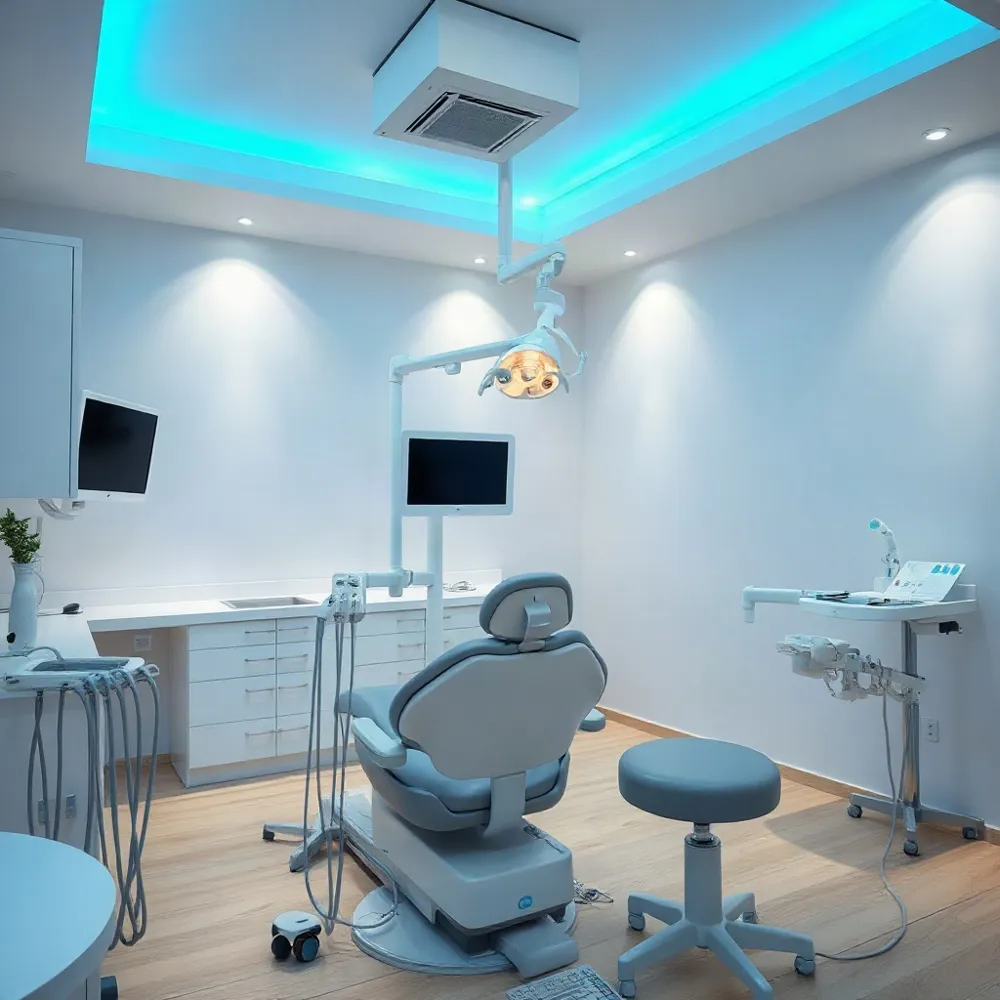 The journey to a new smile begins long before the implant is placed. Planning and preparation are critical phases that set the stage for a successful outcome. This process ensures your mouth is healthy enough and that the procedure fits your specific needs.
The Initial Consultation and Exam
Your first step is a comprehensive consultation. During this visit, your dentist at Loud Family Dental will conduct a thorough oral examination. This includes taking detailed X-rays and 3D scans like a CT scan to evaluate your jawbone density, the health of your gums, and the position of your sinuses and nerves.
A complete review of your medical history is also a required part of the planning process. This helps identify any health conditions or medications that might affect healing, such as diabetes or certain autoimmune disorders. Based on this information, your dentist can create a personalized treatment plan that outlines the timeline, procedures, and expected costs.
At Loud Family Dental, this initial consultation is also your opportunity to ask questions and understand exactly what to expect, ensuring you feel informed and comfortable before moving forward.
Tooth Extraction and Bone Grafting
If you still have a damaged tooth at the implant site, it must be removed before the implant can be placed. This extraction can sometimes be done on the same day as the implant surgery if the jawbone is healthy. However, procedures that cause bone loss or infection require a separate healing period first.
A strong, thick jawbone is essential for supporting a dental implant. If your jawbone is too thin or soft due to previous extractions, gum disease, or injury, a bone graft may be needed. Grafting creates a solid base for your new implant. The graft material can be synthetic, from a donor, or from another part of your own body. After a bone graft, your jaw will need to heal for several months before the implant can be placed.
Anesthesia Options
Your comfort during the procedure is a top priority. Depending on the complexity of your case and your anxiety level, your dentist will discuss pain control options. These include local anesthesia (to numb the area), sedation (to help you relax), or general anesthesia (where you are fully asleep). Most implant placements are performed outpatient and require a friend or family member to drive you home if sedation or general anesthesia is used.
The Implant Placement Procedure
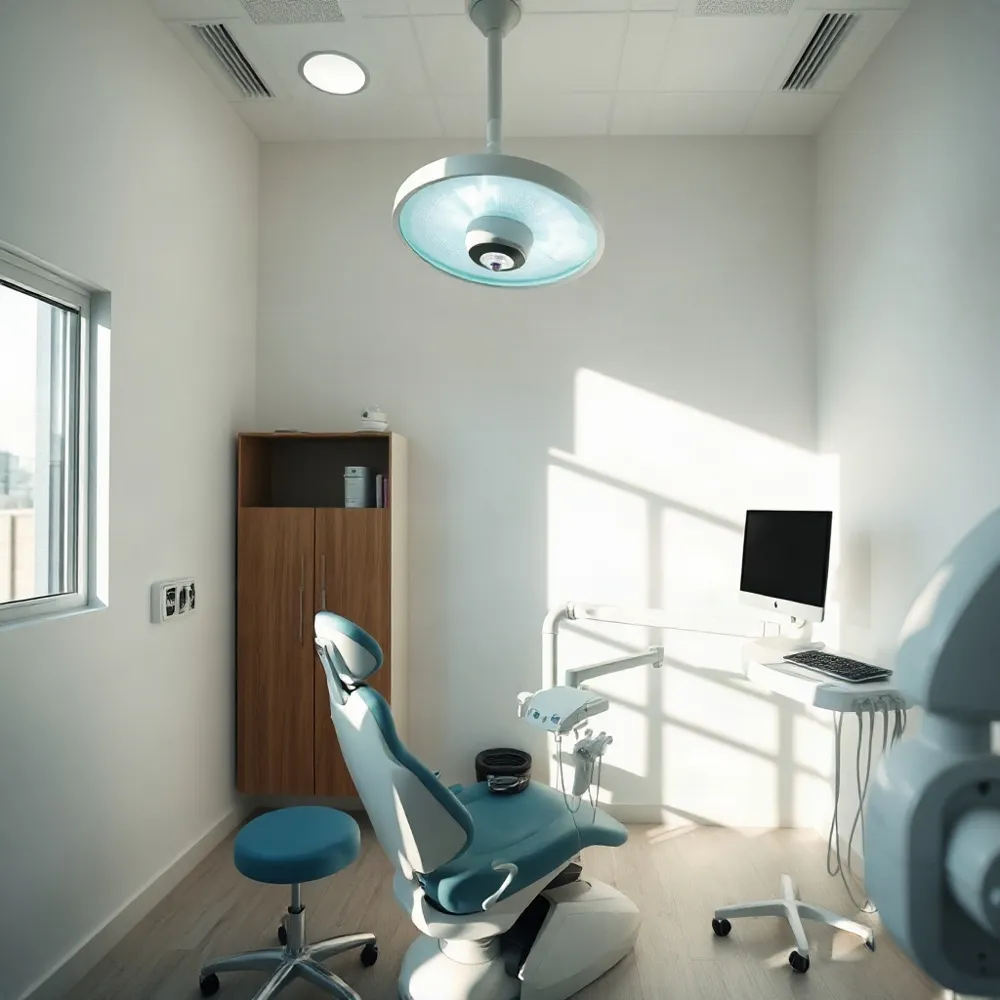 The first surgery to place the implant itself is an outpatient procedure that typically takes one to two hours per implant. Thanks to local anesthesia, you will feel pressure and vibration but no sharp pain. After the anesthesia takes effect, the surgeon makes a small incision in the gum to expose the jawbone.
Next, the surgeon drills a precisely sized and shaped hole into the jawbone, then gently screws the titanium implant post into place. Once the implant is seated at the correct depth and angle, the gum incision is closed with sutures. A temporary crown or healing cap may be placed over the implant to protect it and maintain the space for the final restoration.
Over-the-counter pain relievers and cold packs manage the typical post-operative discomfort, with most patients feeling back to normal within a week. At Loud Family Dentistry, the surgical team uses gentle techniques and local anesthesia to keep the experience as comfortable as possible. If pain worsens after day four, contact your dentist immediately.
Recovery and Healing Timeline
The dental implant recovery process is a gradual journey that spans several months. It involves initial healing of the gum tissue, followed by the critical phase of osseointegration, where the implant fuses with the jawbone. The full timeline can take 3 to 9 months to complete, depending on the complexity of the procedure and your individual healing rate.
The First 24-72 Hours
The first 24 to 48 hours are the most critical for rest and managing side effects. It is normal to experience mild swelling, minor bleeding, and a dull ache as the anesthesia wears off. Pain typically peaks between 24 and 72 hours after surgery, so it is important to stay ahead of the discomfort by taking prescribed or over-the-counter medications as directed.
During this initial phase, your primary focus should be on resting and protecting the surgical site. Avoid hot foods, using straws, or any strenuous activity. Most patients find that the swelling and pain subside significantly after the third day.
Returning to Normal Life
Many patients feel well enough to return to work or school within 1 to 3 days after surgery, especially if they have a desk job. It is generally safe to resume normal daily activities within the first week, but you should continue to avoid heavy lifting and rigorous exercise until your body is fully ready.
By the second week, most of the initial swelling and discomfort will have disappeared. The gum tissue will begin to look pink and healthy around the implant site, and you can gradually transition back to a more normal diet—though you should still chew on the opposite side of your mouth.
Osseointegration and Long-Term Healing
From weeks 2 to 6, the early phase of osseointegration begins. The jawbone starts to bond with the titanium implant, creating a stable foundation. For lower jaw implants, this process takes about 3 to 4 months; for upper jaw implants, it can take 4 to 6 months due to softer bone density.
Throughout this healing period, the implant should remain stable and pain-free. If you experience any new pain, swelling, or signs of infection, contact your dentist promptly. Following a diligent at-home care routine and attending follow-up appointments will help ensure a successful outcome. For an in-depth look at the recovery milestones, from immediate post-operative care to the final crown placement, read our comprehensive guide: Step-by-Step Guide to Dental Implant Surgery and Recovery.
Managing Pain and Swelling
Recovery from dental implant surgery typically involves mild to moderate discomfort. The most noticeable pain and swelling usually occur within the first 24 to 72 hours, with most patients describing the sensation as a dull ache rather than sharp pain.
Managing Pain with Medication and Cold Compresses
Ibuprofen is particularly effective because it reduces both pain and inflammation. Starting over-the-counter pain relievers or prescribed medication before the local anesthetic wears off can help you stay ahead of the discomfort. To minimize swelling, apply an ice pack wrapped in a towel to the outside of the face over the surgical area for 20 minutes on, 20 minutes off during the first 24 to 48 hours. Keeping the head elevated with extra pillows while sleeping also helps.
When to Call the Dentist
Most people find that pain decreases significantly by day three or four. You should contact your dentist if pain worsens instead of improving after day three, as this can indicate an infection. Other signs that require a call include swelling that increases after 48 hours, a fever above 101°F, or signs of infection such as a bad taste or odor coming from the surgical site.
Following the aftercare instructions provided by your dentist, including taking all prescribed antibiotics as directed, keeps recovery on track and protects the long-term success of your implant. At Loud Family Dental, we guide every patient through these steps to ensure a comfortable and smooth healing journey.
What to Eat During Recovery
The right diet after dental implant surgery protects the surgical site and gives your body the fuel it needs for healing. An eating plan that progresses from cool liquids to soft foods to gentle solids minimizes discomfort and supports osseointegration, the process where bone fuses to the implant.
First 24-48 Hours: Cool Liquids Only
For the first day or two, stick to cool liquids and soft foods that require zero chewing: smoothies, yogurt, applesauce, pudding, protein shakes (eaten with a spoon), cold soups, and ice cream. Hot foods and drinks increase blood flow and can trigger bleeding, so avoid them. Never use a straw — the suction force can dislodge the protective blood clot at the surgical site.
This is also the period when some patients wonder whether to avoid dairy. While dairy is often fine, it can leave a film in the mouth that may increase bacteria or interact with post-surgery medications. At Loud Family Dental, we provide specific aftercare instructions tailored to your needs, so follow those guidelines first.
Days 3-7: Transition to Soft Foods
As swelling and discomfort subside, introduce soft, nutritious items: scrambled eggs, oatmeal, mashed potatoes, cottage cheese, flaky fish, soft pasta, steamed vegetables, and lukewarm soups. Chew on the opposite side of your mouth if possible. Avoid crunchy snacks, hard breads, spicy dishes, and anything acidic (like citrus juice) that could irritate the healing gum tissue.
Weeks 2-4: Semi-Soft Foods and Gentle Chewing
By the second week, most patients can begin semi-soft foods that require light chewing: soft sandwiches, tender shredded chicken, cooked vegetables, ground meats, and soft fruits like bananas or canned peaches. Continue to avoid nuts, seeds, raw carrots, hard apples, granola, popcorn, chewing gum, and sticky candies. These foods put unnecessary pressure on the implant site and can dislodge healing tissues.
General Guidelines Throughout Recovery
A few universal rules apply for a smooth recovery. Stay well-hydrated (water is best) and choose protein-rich foods to support tissue repair. Avoid alcohol entirely while taking pain medication or antibiotics, and do not smoke — smoking is linked to implant complications and slower healing. At Loud Family Dental, we advise preparing soft meals in advance so you always have gentle options available.
Common Pitfalls and Implant Failure
While dental implants have a success rate up to 98% over five years, understanding why failures occur helps patients take the right precautions. The most common threat to an implant's longevity is peri-implantitis, a bacterial infection that inflames the tissue around the implant and destroys the supporting bone. This condition develops when plaque accumulates due to poor oral hygiene or missed dental visits.
Smoking is the top preventable risk factor for implant failure. Tobacco restricts blood flow to the gums and jawbone, which starves the healing tissue and significantly increases the chance of infection and failed osseointegration. Patients who smoke are strongly advised to quit before surgery to give the implant its best chance at a permanent bond with the jawbone. At loudfamilydentistry.com, patients receive clear pre-surgical guidance on how lifestyle habits directly impact implant success.
Patients should watch for warning signs at every stage. If pain worsens after day three, swelling increases beyond 48 hours, or a bad taste or odor develops, contact your dentist immediately. These symptoms can signal an infection that needs prompt treatment. If the bone fails to fuse, the implant may feel loose and need removal, although the procedure can often be retried after the bone heals for about three months.
The most difficult part of the process for many patients is the first 48 to 72 hours after surgery, when swelling and tenderness peak, and the lingering restrictions of a soft-food diet can feel frustrating. loudfamilydentistry.com provides detailed aftercare instructions to help patients navigate this period. The long-term benefits of a restored smile and full chewing function make the temporary challenges worthwhile.
| Complication | Cause | Key Warning Signs |
|---|---|---|
| Peri-implantitis | Bacterial buildup around implant | Bleeding, swelling, bad taste, bone loss |
| Implant failure (no fusion) | Poor bone density, smoking, infection | Loose or mobile implant, persistent pain |
| Infection | Bacteria from food or poor hygiene | Fever, pus, worsening pain after day three |
Final Restoration and Long-Term Care
After the jawbone has fully fused with the implant through osseointegration, a small connector piece called an abutment is attached to the implant post. This is a quick, minor procedure often performed under local anesthesia. The gums then need about two weeks to heal and form a healthy cuff around the abutment before the final tooth can be placed.
Once the gums have healed, impressions or digital scans of your mouth are taken to create a custom crown that matches the size, shape, and color of your surrounding teeth. The final restoration is then secured onto the abutment, either by screw or cement. The replacement tooth feels, functions, and looks like a natural tooth, allowing you to chew and smile with confidence.
Daily Care for Lifelong Success
While the crown itself cannot decay, the health of the surrounding gum and bone is vital. Dental implants require the same diligent care as natural teeth. This includes brushing twice daily with a soft-bristled toothbrush, flossing once daily around the implant, and considering a water flosser to clean hard-to-reach areas. Using an antibacterial mouthwash can also help reduce bacteria.
Regular professional cleanings and examinations every six months are essential to monitor the gum health around the implant and detect early signs of peri-implantitis—a bacterial infection that can destroy supporting bone and lead to implant loss if left untreated. At Loud Family Dentistry, the team will work with you to create a long-term maintenance plan. Avoiding damaging habits like smoking, chewing ice, or using your teeth as tools will also help your implant last for decades.
Answers to Popular Implant Questions
Patients exploring tooth replacement often have practical questions about the range of implant options, the possibility of full-mouth restoration, and what the final result feels like. The answers help clarify whether implants fit individual needs and goals.
What are the types of dental implants and their costs?
The three main types of dental implants are endosteal (placed in the jawbone, the most common), subperiosteal (placed on top of the jawbone but under the gum), and zygomatic (placed in the cheekbone, for special cases). Costs vary widely based on the implant type, material, location, and whether additional procedures like bone grafts or sinus lifts are needed. For a single dental implant, you can expect to pay between $1,500 and $6,000 or more, often including the implant, abutment, and crown. At Loud Family Dental, we can provide a custom treatment plan and discuss all available options.
Can I have all my teeth pulled and get implants?
Yes, it is possible to have all your teeth removed and replaced with dental implants, a process known as full mouth reconstruction or full-arch implant restoration. This treatment typically involves placing four to six titanium implants per arch to serve as artificial roots, supporting a fixed, natural-looking bridge. Before placement, your dentist will conduct a thorough evaluation using 3D imaging to assess bone health, and you may need tooth extractions or bone grafting. The result is a permanent, stable solution that restores up to 90-95% of your natural bite strength, prevents jawbone loss, and allows you to eat, smile, and speak with confidence. For more on this approach, see the article on full-arch restoration options.
Endosteal. The most common type, surgically implanted directly into the jawbone.
Subperiosteal. Placed on top of the jawbone but under the gum tissue.
Zygomatic. Placed in the cheekbone for patients with severe jawbone loss.
Whether you need a single tooth replaced or a complete arch restoration, these options provide a durable, tooth-like function that helps preserve facial structure and restore confidence.
Your Smile Restoration Journey
Dental implants offer a combination of benefits that other tooth replacement options cannot match. They restore a natural appearance, preserve the jawbone by preventing the sunken look that follows tooth loss, and with proper care, can last a lifetime. The investment in your smile pays off in improved chewing ability, clearer speech, and lasting confidence.
Choosing an experienced and caring provider is the single most important decision you will make in this process. A skilled dental team ensures the surgery is precise, the recovery is guided, and the final restoration blends seamlessly with your natural teeth. At Loud Family Dental, patients receive personalized care from the initial consultation through the final crown placement, with a focus on comfort and long-term success.
The first step is a conversation. Contact Loud Family Dental in Shreveport to schedule a consultation and find out if dental implants are right for you. Your journey to a complete, healthy smile starts with that appointment.