An Overview of Dental Restorative Crowns
A dental crown is a custom-fitted, tooth-shaped cap used to restore teeth that have been weakened by decay, physical wear, or structural damage. By fully encasing the visible portion of the natural tooth above the gum line, a crown acts as a protective shield that restores the tooth to its original shape, size, and strength. Unlike a simple filling, which only repairs a small area, a crown provides comprehensive coverage to maintain the integrity of the remaining tooth structure.
At Loud Family Dental, we prioritize patient education to ensure you understand how these restorations facilitate both comfort and function. Whether you are dealing with a fractured tooth, significant enamel erosion, or the completion of a root canal, our team focuses on long-term health rather than temporary fixes. Many dental practitioners offer traditional two-visit crowns, but our practice emphasizes modern dental technologies to achieve precise results that blend seamlessly with your smile.
The primary goal of a crown is to return your smile to its peak functionality. By reinforcing the tooth, it protects against further fractures and protects the underlying nerves from bacterial invasion. For the residents of Shreveport, we offer restorative dentistry solutions tailored to your unique anatomical needs, ensuring your oral health remains a local priority for years to come.
Clearing the Confusion: Caps Versus Crowns
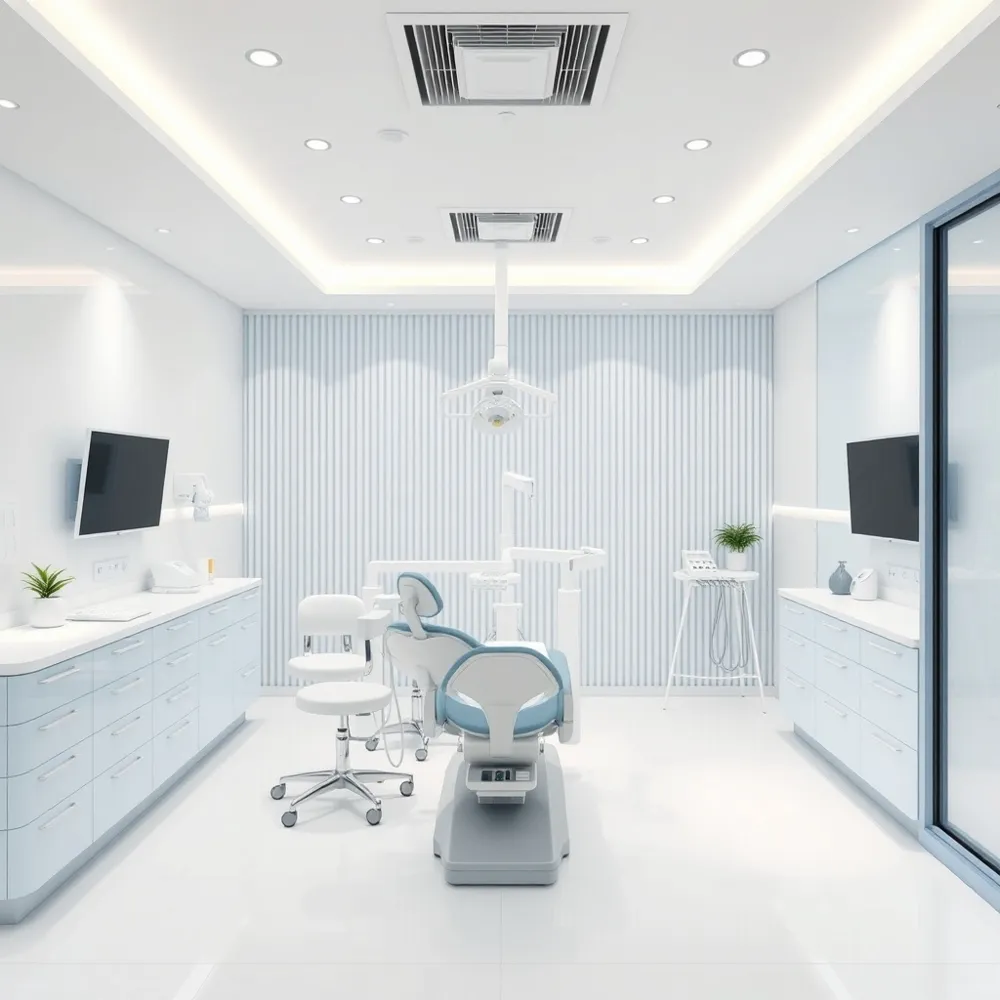 If you have ever been curious about the difference between a dental crown and a tooth cap, the short answer is that they are the exact same thing. Many patients find the terminology confusing, but 'cap' is simply a common, informal descriptor used to describe a dental crown. Both terms refer to a custom-made, restorative prosthetic designed to cover an entire tooth to restore its original shape, strength, and appearance.
Whether a practitioner identifies the restoration as a crown or a cap, the clinical purpose, materials, and placing procedure remain identical. This restoration acts as a protective shield for a damaged or weakened tooth, helping you maintain a healthy, functioning smile. At Loud Family Dental, we focus on clarity and education, ensuring you understand exactly how these durable restorations protect your oral health. While some dental offices may rely on traditional two-visit methods involving temporary lab-fabricated pieces, we prefer to highlight how digital scanning ensures precision for every patient.
Because crown placement is a routine part of restorative care, the longevity and outcomes are consistent regardless of which name you use. Both options serve to reinforce teeth that have been impacted by deep decay, fractures, or root canal therapy. As you evaluate your options, remember that the term is merely a matter of preference. You can expect the same high-quality, long-term stabilization whether your dental professional refers to it as a protective cap or a formal dental crown.
When Dentistry Recommends a Crown Over a Filling
 Deciding between a traditional filling and a dental crown often comes down to the amount of healthy tooth structure remaining. While fillings are excellent for treating small to moderate cavities, they are limited by their structural capacity. If a cavity occupies a significant portion of the tooth, a filling may not provide enough support to withstand daily chewing forces. Loud Family Dental often advises patients that when an existing filling covers more than two-thirds of a tooth, the remaining structure becomes brittle and highly susceptible to fracture.
When does a dentist recommend a crown over a filling?
A dentist typically recommends a crown when a tooth is too compromised for a simple restoration to succeed. Beyond extensive decay, dental crowns serve as essential armor for teeth that are cracked, broken, or suffering from severe wear. Unlike a filling that sits inside the tooth, a crown acts as a full-coverage cap that encases the entire visible structure, effectively distributing biting pressure evenly and preventing further structural failure.
Root canal therapy is another primary indication for opting for a crown over a filling. Because a root canal removes the blood supply to the tooth, the remaining structure can become dry and brittle. Placing a crown after this procedure is a protective measure designed to prevent the tooth from splitting or fracturing under normal use. While some clinics continue to rely on traditional multi-visit workflows, Loud Family Dental utilizes advanced CAD/CAM technology to create precise, durable restorations that restore function and natural appearance, often with improved efficiency compared to older fabrication methods.
Standard and Advanced Procedures Explained
The process of getting a dental crown begins with an initial consultation and examination, often including X-rays, to assess the tooth and create a personalized treatment plan. During the first visit, your dentist will numb the area, remove any decay, and reshape the tooth to provide a stable foundation for the crown. Precise digital impressions are then taken to ensure the final restoration fits your unique bite and smile perfectly. While your custom crown is being fabricated in a laboratory, a temporary crown is placed to protect the tooth and maintain your aesthetics. Finally, in a second visit, your permanent crown is checked for fit and comfort before being professionally cemented into place.
Precision Through Digital Technology
Modern Restorative Dentistry often relies on digital scanning rather than traditional, bulky impression trays. Digital impressions capture an exact 3D representation of your teeth, which minimizes discomfort and enhances the accuracy of your final restoration. At Loud Family Dental, this focus on precision ensures that your crown feels natural and functional from the moment it is placed.
Efficiency With Same-Day Restorations
For patients prioritizing convenience, many modern offices incorporate Innovative Dental Technologies to provide same-day results. Using CAD/CAM technology, your dentist can design and mill a custom-fitted ceramic crown right in the office. This approach eliminates the need for temporary crowns and the wait time associated with off-site laboratory fabrication. This is a considerable improvement over traditional methods that require two separate visits. Similar to how healthdirect notes the transition from traditional to modern workflows, these digital solutions allow for faster, highly precise care that works within your schedule.
Diversity of Materials and Cost Considerations
Selecting the right material for your dental crown involves balancing your aesthetic goals with the structural requirements of the tooth. At Loud Family Dental, we frequently discuss these options to ensure your restoration integrates seamlessly with your existing smile while providing long-term reliability.
What are the common types of dental crowns and their associated costs?
The choice of material often dictates both the appearance and the cost of the restoration. All-porcelain or ceramic crowns remain a top choice for front teeth because they mimic natural tooth enamel with high translucence. Alternatively, porcelain-fused-to-metal (PFM) crowns offer a reliable middle ground, combining the strength of a metal base with a natural-looking exterior. For patients prioritizing extreme durability in the back of the mouth, zirconia or gold alloys are often recommended due to their resistance to heavy chewing forces, per MedlinePlus.
| Material Type | Key Benefit | Common Use |
|---|---|---|
| All-Porcelain | Aesthetics | Front teeth |
| PFM | Balanced strength | General use |
| Gold/Metal | Durability | Back teeth |
| Zirconia | High strength | Heavy biting |
Total treatment costs typically account for the specific material selected, the complexity of the tooth prep, and whether advanced technologies like on-site CAD/CAM milling are utilized. When compared to the fluctuating overhead of large-scale dental chains, our patient-focused approach emphasizes transparent pricing based on the necessity of the restoration. We invite you to explore your options at Loud Family Dental so we can provide a customized plan that fits both your oral health needs and your budget.
Pediatric Dental Crown Needs
 Children occasionally require restorative dental care to address significant decay or to protect teeth after specialized procedures like pulp therapy. When a baby tooth is too compromised for a traditional filling, pediatric dental crowns serve as a protective cap to restore the tooth's shape and strength. These restorations play a vital role in oral development by holding the necessary space for permanent teeth to emerge and supporting your child's ability to chew and speak comfortably.
Do you offer specific dental crown options for children? We offer a variety of pediatric dental crown options designed to protect baby teeth. For molars where structural durability is the priority, our team frequently uses stainless steel crowns. These are widely recognized as a reliable, long-lasting solution for back teeth, as noted by MedlinePlus. When aesthetics are a priority, particularly for front teeth, we may suggest tooth-colored alternatives such as zirconia or resin-based crowns. Our team works closely with parents to select the most appropriate material based on the specific clinical needs of the child.
Loud Family Dentistry prioritizes patient comfort and efficient care for pediatric dental crowns. Whether your child requires a metallic or natural-looking restoration, we focus on ensuring the fit is precise to prevent long-term irritation or decay at the gum line. Consistent with general dental crown care protocols, maintain these restorations through twice-daily brushing and routine check-ups to support your child's healthy smile development.
Addressing Potential Drawbacks and Risks
While dental crowns provide a durable solution for restoring damaged teeth, understanding the nature of the treatment is important for managing expectations. A significant aspect of the process is the irreversibility of tooth preparation, as your dentist must remove a portion of the natural enamel to create enough space for the custom-fitted restoration. Once this enamel is removed, the tooth will always require some form of coverage to maintain its shape and protection.
Are there any significant disadvantages to getting a dental crown?
Patients often experience mild sensitivity to temperature shifts in the days immediately following the placement of a crown. This is typically a normal adjustment period, though persistent discomfort should always be evaluated. In rare instances, crowns can chip, crack, or loosen over time due to wear or extreme biting forces. For those with grinding habits, Loud Family Dental often recommends exploring protective night guards to mitigate these pressures.
Another consideration involves material selection where aesthetics meet function. Porcelain-fused-to-metal crowns offer a blend of durability, but if the outer porcelain chips, the underlying metal edge may become visible. Maintaining stellar oral hygiene remains the most effective defense against future complications, as MedlinePlus notes that cavities can still develop at the margin where the crown meets the gum line. Consistent daily brushing with fluoride toothpaste, flossing, and regular exams at Loud Family Dental are essential to preventing decay and ensuring the longevity of your restoration.
Crown Safety and Material Biocompatibility
When considering dental crowns, patients often prioritize the safety of the materials placed within their mouths. Modern dentistry relies on biocompatible substances that are rigorously tested to ensure they integrate safely with your oral tissues. Materials used today, such as high-strength ceramics like zirconium oxide and various medical-grade metallic alloys, are designed to withstand the stress of chewing while maintaining stability over years of use.
Do dental crowns pose any risk of cancer?
There is no scientific evidence to suggest that dental crowns cause cancer. Modern dental crowns are composed of materials that have undergone extensive clinical evaluation to confirm they are non-toxic and safe for long-term placement. While some individuals may experience mild local sensitivities to specific metal-based alloys, these are characterized by minor tissue inflammation rather than systemic or carcinogenic risks. Loud Family Dental emphasizes the use of proven, high-quality materials to ensure that every restoration supports both your long-term oral health and overall physical well-being.
Choosing the right material depends on factors such as tooth location, bite force, and any known chemical sensitivities. Options ranging from porcelain-fused-to-metal to all-ceramic restorations allow your dentist to customize your treatment plan. An open discussion with your dental team can clarify the safety profiles of the options available to you.
| Material Type | Primary Benefit | Biocompatibility Focus |
|---|---|---|
| All-Ceramic | Natural aesthetics | Highly inert, hypoallergenic |
| Zirconia | Extreme strength | Excellent tissue tolerance |
| PFM | Hybrid durability | Standard clinical safety |
Commitment to Long-Term Smile Health
Your dental crown is designed to restore your strength and natural appearance, but its lifespan ultimately rests on consistent care. While individual results vary, maintaining your restoration for 15 to 30 years is possible through dedicated daily habits like brushing with fluoride toothpaste and flossing daily. Avoiding the temptation to chew on ice, popcorn kernels, or sticky sweets goes a long way in preventing accidental damage.
Proactive dental visits at Loud Family Dental allow our team to monitor the integrity of your crown and the health of the underlying tooth structure. By catching potential issues early during routine check-ups, we can help you avoid complex complications or the risk of premature tooth loss. We focus on utilizing innovative dental technologies to refine your maintenance plan and ensure every restorative dentistry patient in the Shreveport community keeps their smile healthy for years to come.